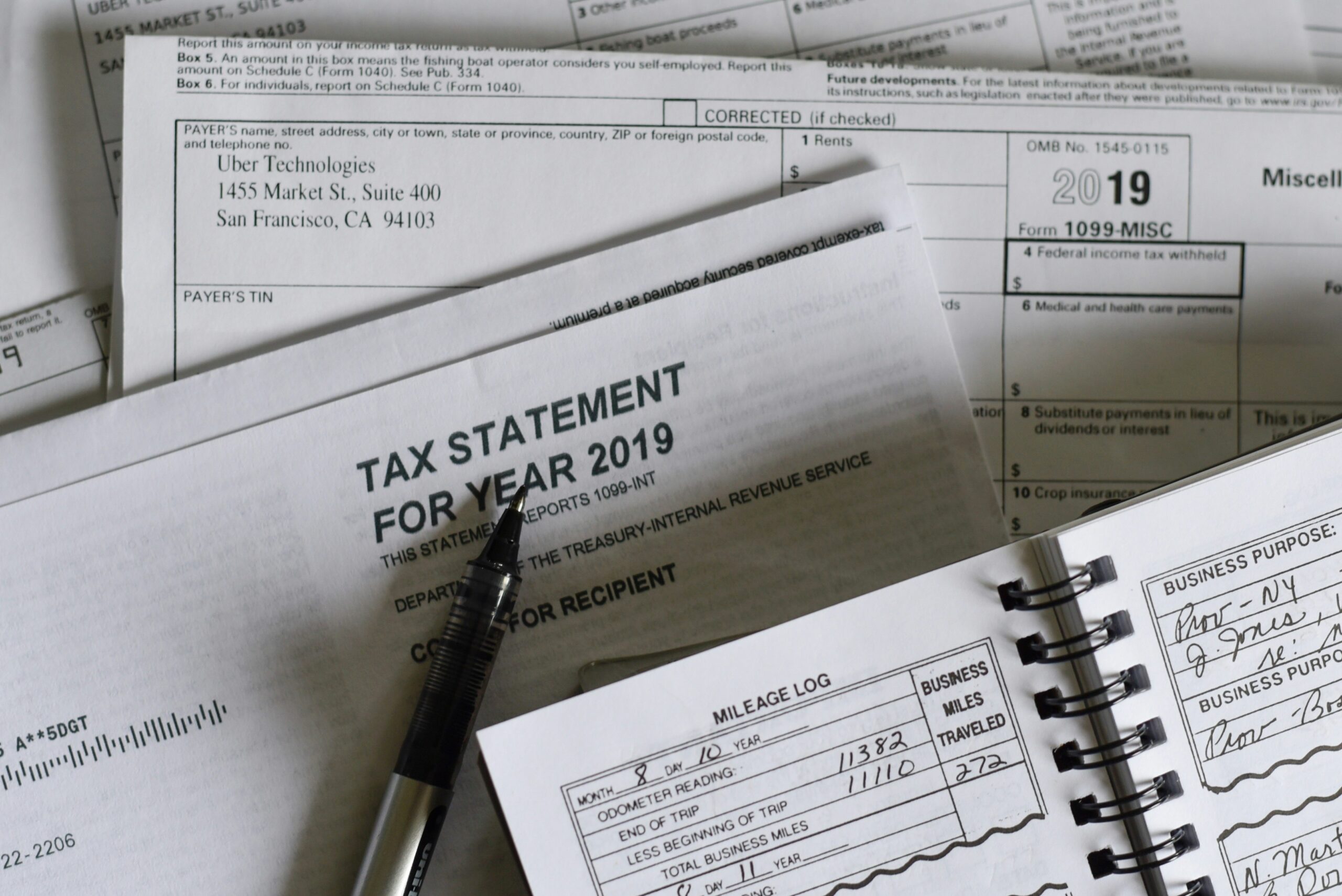
You’ve done it. You’ve presented your case, highlighted your achievements, and navigated the often-nerve-wracking negotiation. The result? A raise. That exhilarating feeling of accomplishment, of being recognized for your hard work, is well-deserved. But before you start

Where Did Your Raise Go?
FAQs

1. How much of a raise goes to taxes?
The amount of a raise that goes to taxes depends on various factors such as the individual’s tax bracket, state and local taxes, and any additional income such as bonuses or commissions.
2. What is the average tax rate on a raise?
The average tax rate on a raise can vary widely, but it is typically between 20-40% for federal income tax, and additional amounts for state and local taxes.
3. Are there ways to minimize the amount of taxes taken from a raise?
There are various strategies to minimize the amount of taxes taken from a raise, such as contributing to retirement accounts, taking advantage of tax deductions and credits, and consulting with a tax professional.
4. How does the tax rate on a raise compare to the tax rate on regular income?
The tax rate on a raise is typically the same as the tax rate on regular income, as it is based on the individual’s overall income and tax bracket.
5. What are some common misconceptions about the amount of a raise that goes to taxes?
One common misconception is that a raise will result in a significant decrease in take-home pay due to higher taxes. While taxes will increase with a raise, the impact on take-home pay can vary depending on individual circumstances.