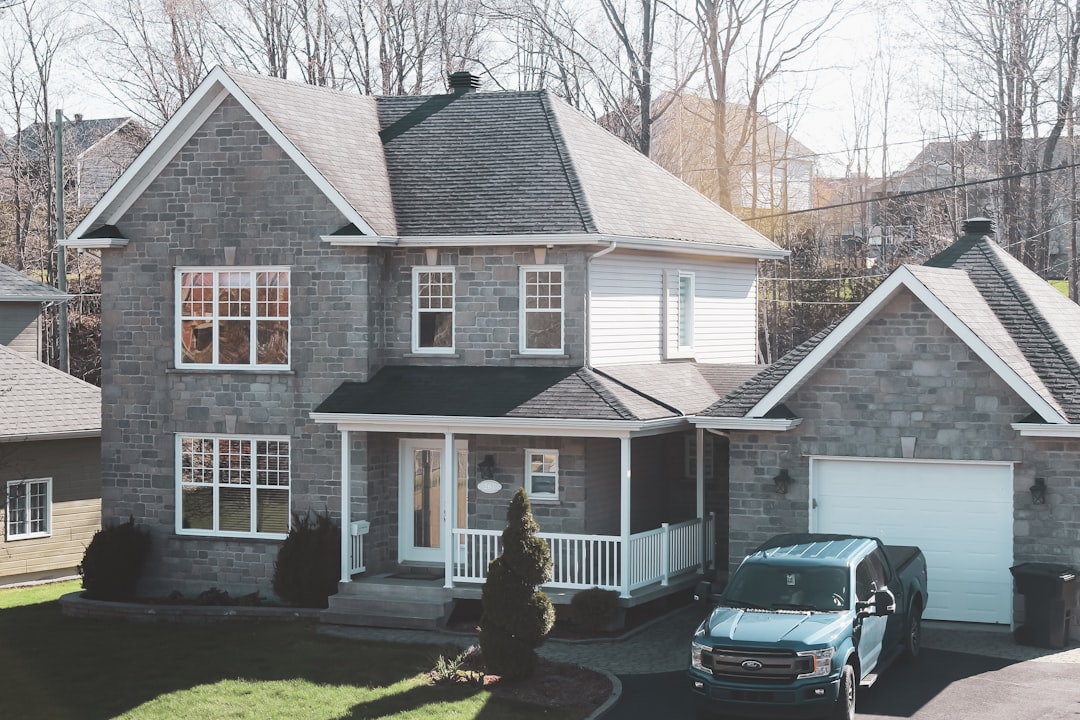
You’re dreaming of financial freedom, of a future where your money works for you, and a comfortable retirement awaits. You’re actively seeking ways to build wealth, and one of the most significant financial decisions you’ll ever make is often tied to your living situation: the house you choose to buy. The size of that house, in particular, can have a profound and lasting impact on your journey to building wealth. It’s not just about square footage; it’s about understanding the intricate relationship between your housing choice and your financial goals.
This isn’t about luxury or austerity; it’s about making a strategic decision that aligns with your wealth-building aspirations. You might be tempted by that sprawling mansion, or conversely, you might be thinking a tiny home is the ultimate financial hack. The reality, as with most things in life, lies somewhere in the nuanced middle. This article will guide you through the considerations, revealing why the “right size” house is a crucial component of your wealth-building strategy. We’ll explore the tangible and intangible costs, the long-term implications, and how to make an informed choice that supports, rather than hinders, your financial progress.
When considering how much house you should buy to build wealth, it’s essential to understand the broader implications of real estate investment. A related article that delves into this topic is available at How Wealth Grows, which explores various strategies for leveraging property ownership to enhance your financial portfolio. This resource provides valuable insights into the balance between purchasing a home for personal use and investing in real estate as a means to accumulate wealth over time.
The Upfront Cost of Space: More Than Just the Mortgage
You’ve likely heard the adage that “housing is the biggest expense for most people.” This is undeniably true, and the size of your house directly amplifies this expense from the very beginning. When you’re focused on building wealth, minimizing your upfront costs and long-term financial burdens is paramount.
The Purchase Price: The Obvious Initial Hurdle
The most immediate impact of house size is its purchase price. A larger home inherently requires more land, more building materials, and more labor to construct. This translates directly into a higher sticker price. When you’re diligently saving for a down payment, a larger house demands a larger chunk of your savings. This delay in accumulating a substantial down payment can slow down your entry into the market, potentially missing out on appreciation and the benefits of homeownership compounding over time.
Down Payment Dilemma: A Bigger Hole to Dig
Consider the difference in down payment requirements. If you’re looking at a $300,000 home and aim for a 20% down payment, you need $60,000. If you’re eyeing a $600,000 home, that jumps to $120,000. That’s an extra $60,000 you need to save, invest elsewhere, or forego in potential investment growth. This extra capital tied up in a down payment could otherwise be earning returns in stocks, bonds, or other wealth-generating assets.
Loan Amount and Interest: The Ever-Present Burden
A larger purchase price means a larger mortgage loan. This not only increases your monthly payments but also significantly impacts the total interest you’ll pay over the life of the loan. Even a seemingly small difference in interest rate can snowball into tens of thousands of dollars over 15 or 30 years. For example, the difference in interest paid on a $240,000 loan (for the $300,000 house) versus a $480,000 loan (for the $600,000 house), even at the same interest rate, is astronomical. This excess interest paid is money directly diverted from your wealth-building efforts.
Furnishing and Decorating: The Rabbit Hole of Aesthetics
Once you have the keys to your new, larger home, the expenses don’t stop at the walls. A bigger house demands more furniture, more decor, and more of everything. You might have empty rooms that you feel compelled to fill, leading to impulse purchases and a gradual escalation of spending on non-essential items.
The Empty Room Syndrome: A Pressure to Fill
That spacious living room might feel impressive initially, but it also necessitates more sofas, chairs, rugs, lamps, and decorative pieces. This can quickly become a significant financial drain, especially if you’re trying to furnish it all at once or if you opt for higher-end items to match the perceived status of a larger home. The pressure to make a large space feel “lived in” can lead to overspending.
The Cost of Maintenance and Upkeep: An Ongoing Drain
Beyond the initial furnishing, a larger house comes with a proportionally larger maintenance and upkeep bill. This isn’t a one-time expense; it’s a continuous drain on your resources.
Property Taxes: A Direct Reflection of Size and Value
Property taxes are typically calculated based on the assessed value of your home and its land. A larger home, with more square footage and potentially a larger lot, will invariably have higher property taxes. These are recurring costs that eat into your disposable income, money that could be used for investing or saving. Over decades, these increased property taxes can add up to a substantial sum.
Insurance Premiums: Protecting More Assets
Homeowner’s insurance premiums are also influenced by the size and value of your home. A larger dwelling means more square footage to insure, more potentially valuable contents, and a higher likelihood of costly repairs or replacements in the event of damage. You’re paying more to protect a larger asset, and this increase in premiums is another ongoing expense.
Utilities: Heating, Cooling, and Lighting the Larger Space
Heating and cooling a larger home requires significantly more energy. The more windows you have, the more surface area for heat to escape in the winter and enter in the summer. Similarly, lighting a larger space means more bulbs to illuminate, increasing your electricity bills. These utility costs, while seemingly small on a monthly basis, can add up to a considerable amount over the year, impacting your cash flow and reducing the funds available for wealth building.
Repairs and Renovations: The Scale of the Problem
When something breaks in a larger home, the cost of repair is often amplified. Replacing a roof on a 4,000-square-foot house will cost more than on a 1,500-square-foot house. Larger HVAC systems are more expensive to maintain and repair, as are larger plumbing systems. Even minor renovations or cosmetic updates can become significantly more expensive due to the sheer scale of the project. These unforeseen or planned expenses can derail your financial plans and force you to dip into your savings or investments.
The Opportunity Cost: What You’re Giving Up

Beyond the direct financial costs, choosing a larger home often involves a significant opportunity cost. This is the value of the next best alternative that you forgo when making a particular decision. In the context of wealth building, the opportunity cost of a larger house lies in the investment potential you are sacrificing.
Lost Investment Potential: The Silent Wealth Killer
Every dollar spent on a larger house, whether for the mortgage, utilities, or maintenance, is a dollar that could have been invested. This lost investment potential is the silent wealth killer. Over time, the power of compound interest means that even seemingly small amounts, consistently invested, can grow into substantial sums.
The Magic of Compounding: Time is Your Ally
Imagine investing that extra $60,000 down payment (from our earlier example) at an average annual return of 7%. Over 20 years, that $60,000 could grow to over $233,000. Over 30 years, it could approach $450,000. This is money that is not contributing to your wealth if it’s sitting in a larger, more expensive house. The longer you delay investing this money, the greater the loss of potential growth.
Stock Market vs. Real Estate Appreciation: A Strategic Comparison
While real estate can be a good investment, its appreciation rate is not always guaranteed or superior to the stock market over the long term. By over-investing in a larger home, you may be tying up your capital in an asset that might not outperform other investment vehicles, effectively limiting your overall wealth-building trajectory. You are choosing to gain equity in a larger dwelling at the expense of potentially higher returns elsewhere.
Reduced Financial Flexibility: The Chains of a Big House
A larger home often means larger monthly financial obligations. This can severely restrict your financial flexibility, making it harder to pursue other wealth-building opportunities or weather unexpected financial storms.
Less Disposable Income for Investments: The Daily Sacrifice
When a significant portion of your income is dedicated to mortgage payments, property taxes, and utilities for a larger home, you have less disposable income available for investing. This daily sacrifice of potential investment capital accumulates over time, hindering your progress towards your financial goals. You might be forced to choose between investing in the stock market or enjoying a comfortable monthly budget.
Emergency Fund Vulnerability: The Thin Ice of Financial Security
A larger home often means a larger mortgage and therefore a larger buffer needed for emergencies. If you have a substantial portion of your wealth tied up in a mortgage and your income is heavily committed to supporting that mortgage, your emergency fund might be insufficient to cover prolonged periods of unemployment or unexpected major expenses without compromising your homeownership. This can lead to increased financial stress and potentially force you to sell your home at an inopportune time.
Limited Capital for Other Ventures: Missed Opportunities
Having a larger chunk of your capital tied up in a home can also limit your ability to invest in other wealth-generating ventures, such as starting a business, investing in lucrative side hustles, or acquiring income-generating properties. The “right size” home frees up capital that can be deployed strategically in these areas, accelerating your wealth accumulation.
The Psychological Impact: Lifestyle and Financial Mindset

The size of your house can also have a profound psychological impact on your lifestyle and your overall financial mindset, which in turn influences your wealth-building journey.
The Pressure to Maintain a Certain Lifestyle: The Golden Handcuffs
A larger, more expensive home often comes with an unspoken pressure to maintain a certain lifestyle. You might feel compelled to host more elaborate parties, fill your home with designer furniture, or engage in expensive hobbies to match the perceived status of your dwelling. This can create a cycle of overspending and prevent you from living within your means, a fundamental principle of wealth building.
Consumerism Trap: Keeping Up with the Joneses (and the Square Footage)
The larger the house, the more space there is to fill with “stuff.” This can lead to a cycle of consumerism, where you’re constantly buying things to fill the void or to keep up with perceived social expectations associated with owning a large home. This diverts money away from savings and investments and can create an unhealthy relationship with material possessions.
The Burden of Ownership: More Stuff, More Stress
While a large home might seem like a symbol of success, it can also become a burden. More belongings mean more to organize, clean, and maintain. This can lead to increased stress and a feeling of being overwhelmed, detracting from the mental space and energy you need to focus on your financial goals.
Simplicity and Minimalism: A Path to Financial Freedom
Conversely, a smaller, more manageable home can foster a sense of simplicity and intentionality. When you have less space to fill, you tend to be more mindful about your purchases and prioritize experiences over possessions. This minimalist approach aligns perfectly with the principles of wealth building.
Prioritizing Experiences Over Possessions: True Wealth is Not Material
The “right size” home allows you to live comfortably without being burdened by excessive space. This frees up financial resources and mental energy to invest in experiences that truly enrich your life, such as travel, education, or spending quality time with loved ones. These are often the investments that bring the most lasting happiness and fulfillment, and they are more attainable when your housing costs are not excessive.
Focus on Financial Goals: Clarity of Purpose
When your housing costs are manageable, you have a clearer financial picture and are better positioned to set and achieve your wealth-building goals. You’re not constantly worried about making ends meet or being trapped by your mortgage. This clarity of purpose allows you to allocate your resources more effectively and stay motivated on your journey to financial independence.
When considering how much house you should buy to build wealth, it’s essential to understand the long-term implications of your investment. A related article discusses various strategies for maximizing your home purchase’s potential, offering insights into market trends and financial planning. By exploring this resource, you can gain a better understanding of how to make informed decisions that align with your wealth-building goals. For more information, check out this insightful article on wealth growth strategies.
Defining “The Right Size”: Beyond Square Footage
“`html
| Metrics | Recommended |
|---|---|
| Down Payment | 20% of the house price |
| Mortgage Payment | No more than 28% of monthly income |
| Total Debt Payment | No more than 36% of monthly income |
| Home Equity | Build equity over time to increase wealth |
“`
So, what exactly constitutes “the right size” house when you’re focused on building wealth? It’s not a fixed number of square feet, but rather a home that comfortably meets your needs without exceeding your financial capacity or hindering your ability to invest.
Practical Needs vs. Wants: A Honest Assessment
The first step is to conduct an honest assessment of your practical needs. How much space do you truly need to live comfortably and pursue your lifestyle? Consider your current household size, any future family plans, your work-from-home requirements, and your hobbies.
Current Household Size and Future Projections: Planning for Growth (or Not)
If you’re a single individual or a couple without immediate plans for children, a large family home is likely an unnecessary financial burden. If you anticipate your family growing, consider a home that can accommodate that growth without being excessively large for your current needs. Don’t over-build for hypothetical futures that may never materialize.
Home Office Requirements: Functionality Over Grandeur
If you work from home, you need a dedicated workspace. However, this doesn’t necessitate a sprawling home office. A well-designed nook, a converted closet, or a smaller dedicated room can be perfectly functional without adding significant cost. Prioritize functionality and efficiency over sheer size.
Hobby and Storage Needs: Smart Solutions, Not Big Houses
Do you have extensive collections or require significant space for hobbies? Instead of opting for a larger house, explore smart storage solutions like custom shelving, multi-functional furniture, or off-site storage if absolutely necessary. These can be far more cost-effective than a larger dwelling.
The “Just Enough” Principle: Comfort Without Excess
The “right size” house is one that feels comfortable and functional, allowing you to live your life without feeling cramped or overwhelmed by empty space. It’s about finding that sweet spot where you have enough room for your essentials and a bit of breathing room, but not so much that it becomes a financial drain.
Efficient Layouts: Maximizing Usable Space
A smaller home with an efficient layout can often feel more spacious and functional than a larger home with poor design. Look for homes with open-concept living areas, ample natural light, and smart use of vertical space. These features can make a smaller footprint feel expansive.
Multi-Functional Spaces: Adapting to Your Needs
Consider homes that offer multi-functional spaces. A dining room that can double as a home office, a guest room that serves as a play area, or a basement that can be finished later for added living space. These adaptable spaces provide flexibility without the initial cost of building them larger than you might immediately need.
Downsizing Strategically: A Wealth-Building Tactic
For some, the “right size” house is a step down from their current situation. Downsizing can be a powerful wealth-building tactic, freeing up equity and reducing ongoing expenses.
Releasing Equity for Investment: Fueling Your Financial Future
When you sell a larger home and purchase a smaller one, you can often release a significant amount of equity. This capital can then be invested in income-generating assets, accelerating your wealth accumulation and providing a more comfortable retirement.
Reducing Ongoing Expenses: A Lifelong Benefit
Beyond the initial equity release, downsizing significantly reduces ongoing housing expenses. Lower mortgage payments (or no mortgage at all), reduced property taxes, lower utility bills, and less maintenance all contribute to increased disposable income that can be directed towards your wealth-building goals. This ongoing savings can be a game-changer for long-term financial security.
Making the Smart Choice: Your Wealth-Building Blueprint
Choosing the right size house is a strategic decision that requires careful consideration and a clear understanding of your financial goals. It’s about aligning your housing choice with your wealth-building blueprint.
Financial Planning First: Know Your Numbers
Before you even start browsing listings, you need to have a solid financial plan in place. Understand your income, expenses, debt, and savings goals. This will give you a realistic picture of what you can afford without compromising your long-term financial health.
Mortgage Affordability Calculators: A Starting Point
While helpful, remember that mortgage affordability calculators provide a baseline. They don’t account for all the associated costs of homeownership or your personal wealth-building objectives.
The 28/36 Rule (and Beyond): Guidelines, Not Gospel
The 28/36 rule (spending no more than 28% of your gross monthly income on housing and no more than 36% on total debt) is a common guideline. However, if your primary goal is aggressive wealth building, you might aim for an even lower housing expense ratio to free up more capital for investments.
Long-Term Financial Projections: Visualizing Your Future
Consider your long-term financial projections. How much do you want to save for retirement? Do you have other significant financial goals, such as funding your children’s education or starting a business? Your housing choice should support these aspirations, not hinder them.
Location, Location, Location (and Size): A Balanced Approach
While size is important, don’t neglect the other crucial factor in real estate: location. A slightly smaller home in a desirable location with good schools, a strong job market, and potential for appreciation might be a better long-term wealth-building decision than a larger home in a less advantageous area.
Appreciation Potential: Where Will Your Money Grow?
Research the appreciation potential of different neighborhoods. Areas with a strong economy, growing population, and desirable amenities are more likely to see consistent property value increases, which contributes to your wealth.
Commute and Lifestyle: Balancing Cost and Convenience
Consider the impact of your commute on your time and finances. A longer commute to a less expensive, larger home might cost you more in gas, vehicle maintenance, and lost personal time than a shorter commute to a slightly smaller home in a more convenient location.
Prioritize Long-Term Value: A Home as an Asset
View your home not just as a place to live, but as a significant asset that contributes to your overall wealth. The “right size” home is one that offers a good balance of comfort, functionality, and long-term financial value, allowing you to build wealth without being burdened by your biggest investment. By making a conscious and informed decision about the size of your home, you’re laying a solid foundation for a financially secure and prosperous future. You’re not just buying a house; you’re investing in your wealth-building journey.

They Earned the Same $150K. One Became a Millionaire.
FAQs
1. What percentage of your income should you spend on a house to build wealth?
It is generally recommended to spend no more than 28% of your gross monthly income on housing expenses, including mortgage payments, property taxes, and insurance, in order to build wealth.
2. How does buying a smaller house contribute to building wealth?
Buying a smaller house allows you to save money on mortgage payments, maintenance, and utilities, which can then be invested in other wealth-building opportunities such as retirement accounts or stocks.
3. What are the financial benefits of buying a house within your means?
Buying a house within your means reduces the risk of being house poor and allows you to have more disposable income to save and invest for the future, ultimately contributing to long-term wealth building.
4. What factors should be considered when determining how much house to buy?
When determining how much house to buy, factors such as your income, existing debt, future financial goals, and potential for fluctuating expenses should be taken into consideration to ensure a financially sound decision.
5. How can buying a house below your budget help in building wealth?
Buying a house below your budget allows you to have a financial cushion for unexpected expenses, increases your ability to save and invest, and reduces the financial strain of homeownership, all of which contribute to building wealth over time.