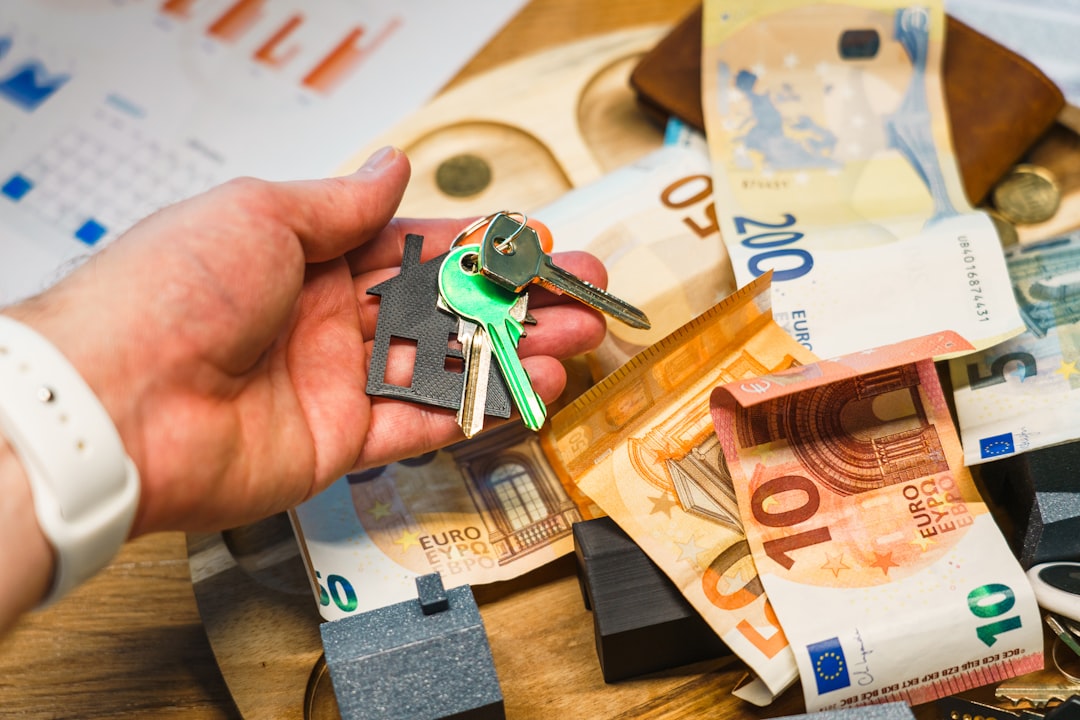
You’re standing at a crossroads, a significant one, contemplating your future and how you want to build lasting security. While the allure of renting might seem simpler or more flexible in the short term, you’re beginning to understand that true wealth-building often hinges on a foundational decision: homeownership. It’s not just about having a roof over your head; it’s about strategically planting the seeds for your financial future, cultivating a sense of stability, and unlocking a cascade of long-term benefits that can fundamentally transform your life. This isn’t just a transaction; it’s an investment in yourself, your family, and your legacy.
You’ve likely heard the terms “equity” and “appreciation” tossed around in conversations about real estate, but what do they truly mean for you and your wealth-building journey? Understanding these concepts is crucial because they form the bedrock of why homeownership is such a powerful wealth-building tool.
Building Your Stake: The Power of Equity
Imagine your home not just as a place to live, but as a savings account that grows over time. That’s essentially what equity represents. When you make a mortgage payment, a portion of that payment goes towards paying down the principal loan amount. With each payment, you chip away at what you owe, and the portion of your home that you own outright – your equity – increases.
- Your Sweat Equity and Investment: This isn’t just passive growth. Every dollar you pay towards your mortgage principal is a direct investment in your personal wealth. Over years, these consistent payments can accumulate into a substantial amount. Think of it as a forced savings plan, but one that yields tangible assets and a sense of accomplishment. You are literally building your own stake in your financial future, one mortgage payment at a time.
- The Leverage of Appreciation: Beyond your own contributions, your home also has the potential to increase in value over time. This is known as appreciation. While real estate markets can fluctuate, historically, property values have tended to rise over the long term, outpacing inflation in many areas. This appreciation means that the market value of your home can grow beyond what you originally paid for it, further increasing your equity. It’s like having an investment that not only pays you back your initial outlay but also gives you a return on top of that.
- Your Home as a Growing Asset: Unlike rent, which is purely an expense, your mortgage payments contribute to building an asset. You’re not throwing money away each month; you’re investing it in something that will eventually be yours, free and clear. This gradual accumulation of equity, coupled with potential appreciation, transforms your home from a cost center into a significant wealth-building engine.
The Long Game: How Appreciation Works in Your Favor
Appreciation isn’t magic; it’s influenced by a variety of factors that generally favor long-term homeowners.
- Location, Location, Location: The adage holds true for a reason. The desirability of your neighborhood, its proximity to amenities, job centers, and quality schools all play a significant role in property value. As these factors remain stable or improve over time, so too will the value of your home. You’re not just buying a house; you’re buying into a community that has the potential to become more valuable.
- Market Dynamics and Demand: Over the decades, population growth and evolving housing needs often outstrip the supply of desirable homes. This consistent demand, especially in growing urban and suburban areas, naturally drives up property values. You are benefiting from broader economic trends and demographic shifts.
- Your Role in Value Enhancement: While market forces are powerful, you also play a role in your home’s appreciation. Regular maintenance, thoughtful renovations, and improvements can enhance your home’s appeal and market value. This is where your “sweat equity” truly shines, turning a house into a home that others will covet and be willing to pay a premium for.
Homeownership is often considered one of the most effective ways for individuals to build wealth over time, as it provides not only a place to live but also an appreciating asset. By investing in real estate, homeowners can benefit from property value appreciation, tax advantages, and the ability to leverage their investment. For a deeper understanding of how homeownership contributes to wealth accumulation, you can explore this insightful article on the topic at How Wealth Grows.
Tax Advantages: More Money in Your Pocket
Beyond the tangible benefits of equity and appreciation, the U.S. tax code offers several significant advantages to homeowners that can further boost your wealth-building efforts. These aren’t minor perks; they can translate into substantial savings and increased disposable income over the years.
Deductible Interest: A Direct Financial Benefit
One of the most significant tax advantages of homeownership is the ability to deduct the mortgage interest you pay. This deduction can significantly reduce your taxable income, meaning you owe less in taxes each year.
- Lowering Your Tax Bill: The interest you pay on your mortgage is a considerable expense, especially in the early years of your loan. By being able to deduct this interest, you are effectively reducing the amount of your income that the government taxes. This directly translates into more money in your pocket that you can then reinvest, save, or use for other financial goals.
- The Impact on Your Tax Return: When you file your taxes, you can claim this deduction, often leading to a lower overall tax liability. For many homeowners, this deduction is a primary reason to itemize their deductions. It’s a concrete financial benefit that directly impacts your annual tax obligations.
- Long-Term Savings: While the amount of interest you pay decreases over the life of your loan, the ability to deduct it remains. This means that for many years, you’re receiving a tangible financial benefit that softens the blow of your mortgage payments and contributes to your overall financial well-being.
Property Tax Deductions: Another Avenue for Savings
Similar to mortgage interest, property taxes are another significant cost of homeownership. Fortunately, these are also often deductible at the federal level, offering another avenue for tax savings.
- Reducing Your Overall Tax Burden: Property taxes are a mandatory expense for homeowners. The ability to deduct these taxes further reduces your taxable income, much like the deduction for mortgage interest. This dual benefit allows you to offset a larger portion of your housing-related expenses.
- Understanding Local Tax Implications: It’s important to note that property tax laws and deductibility can vary by state and local jurisdiction. However, at the federal level, these deductions provide a consistent advantage for most homeowners. You should consult with a tax professional to understand the specifics of your situation.
- Maximizing Your Tax Benefits: By understanding these deductions, you can ensure you are maximizing your tax benefits each year. This proactive approach to tax planning can lead to significant savings over the life of your homeownership.
Capital Gains Exclusion: Keeping More of Your Profits
When you eventually sell your home for more than you paid for it, the profit you make is called capital gains. For primary residences, the government offers a generous exclusion on these gains, meaning you won’t have to pay taxes on a substantial portion of your profit.
- A Significant Tax Break on Sale: For most individuals and married couples, the IRS allows you to exclude a significant amount of capital gains from the sale of your primary residence. This exclusion can be up to $250,000 for single filers and $500,000 for married couples filing jointly, provided you meet certain ownership and use tests. This is a powerful incentive to invest in your own home.
- Rewarding Long-Term Commitment: This capital gains exclusion is a clear reward for your long-term commitment to homeownership. It allows you to keep a larger portion of the wealth you’ve built through your property’s appreciation, rather than turning a significant chunk of it over to the government.
- Facilitating Future Investments: By being able to retain more of your profits, you have greater capital available to reinvest in your next home, start a business, or fund other significant financial goals. This exclusion plays a crucial role in enabling the next stage of your wealth-building journey.
Stability and Control: Owning Your Space and Your Future

The financial benefits of homeownership are compelling, but the advantages extend far beyond your balance sheet. Owning a home provides a profound sense of stability, control, and personal freedom that renting simply cannot replicate.
Your Sanctuary: The Freedom to Customize and Create
When you rent, your living space is largely dictated by the landlord’s choices. You can’t paint the walls a different color, renovate the kitchen, or make significant changes without permission. Owning your home, however, unlocks a level of creative freedom that is deeply satisfying.
- A Blank Canvas for Your Vision: Your home is your canvas. You have the autonomy to design and decorate it to perfectly reflect your personal style, needs, and aspirations. This isn’t just about aesthetics; it’s about creating a space that truly feels like yours, a sanctuary where you can relax, recharge, and express yourself.
- Investing in Your Environment: When you make improvements to your home, you are not only enhancing your own living experience but also potentially increasing the property’s value. This is a direct return on your investment of time, effort, and money. You’re not just improving a rented space; you’re building equity and making your asset more desirable.
- Creating Lasting Memories: The ability to personalize your home allows you to create a unique environment for your family and friends. It becomes the backdrop for cherished memories, from holiday gatherings to quiet evenings at home. This emotional investment in your living space is a profound benefit that contributes to your overall sense of well-being.
Predictable Housing Costs: Escaping the Rent Rollercoaster
One of the most frustrating aspects of renting is the uncertainty of rent increases. Each lease renewal can bring the anxiety of a higher monthly payment, making long-term budgeting a challenge. Homeownership, particularly with a fixed-rate mortgage, offers a welcome escape from this “rent rollercoaster.”
- Budgeting Certainty with Fixed-Rate Mortgages: With a fixed-rate mortgage, your principal and interest payments remain the same for the entire term of the loan, typically 15 or 30 years. This predictability allows you to budget with confidence, knowing exactly what your largest housing expense will be month after month, year after year.
- Protection Against Inflationary Pressures: While property taxes and insurance costs can fluctuate, the core component of your housing payment – your mortgage principal and interest – is locked in. This provides a significant buffer against inflation that can erode the purchasing power of your money and drive up rental costs.
- Financial Peace of Mind: The ability to predict your housing costs offers invaluable financial peace of mind. You can plan for other financial goals – saving for retirement, your children’s education, or future investments – with greater certainty, knowing that your housing expense is a stable and manageable figure.
Building Generational Wealth: Leaving a Legacy

Homeownership isn’t just about benefiting you in the present; it’s a powerful tool for building wealth that can be passed down to future generations. This ability to create a lasting legacy is a deeply meaningful aspect of owning property.
A Tangible Asset for Your Heirs
When you own your home, you are accumulating a tangible asset that can be transferred to your children or other beneficiaries upon your passing. This asset represents a significant portion of your accumulated wealth.
- Direct Inheritance of Value: Unlike accumulated savings or investments that might be depleted over time, a home is a physical asset that retains its value. Your heirs inherit a significant financial resource that can provide them with security, a down payment on their own home, or a financial boost for their own future endeavors.
- Reducing the Financial Burden on Loved Ones: By owning your home outright or having substantial equity, you can significantly reduce the financial burden on your heirs. They won’t have to worry about immediate housing costs or the pressure of finding significant funds to pay off a large mortgage.
- A Foundation for Their Own Wealth Creation: The inheritance of a home can serve as a powerful foundation for your heirs to build their own wealth. They can choose to live in it, rent it out for income, or sell it to fund other investments, setting them on a path to financial success.
The Gift of a Head Start
The financial advantage conferred by inheriting a home can provide your children with a substantial head start in their own wealth-building journeys.
- A Significant Down Payment: If your heirs decide to sell the inherited home, the proceeds can serve as a substantial down payment on their own property, significantly reducing their mortgage burden and accelerating their own equity-building.
- Financial Flexibility and Opportunity: Even if they choose not to use the home for housing, the sale of the property can provide them with the financial flexibility to pursue higher education, start a business, or make other strategic investments that can generate future wealth.
- Breaking Cycles of Financial Struggle: For families who have faced financial challenges, inheriting a home can be a transformative event, breaking cycles of financial struggle and providing a pathway to greater economic security for future generations.
Homeownership is often seen as a key strategy for building wealth over time, as it allows individuals to accumulate equity while benefiting from property appreciation. Many homeowners find that their real estate investments not only provide a stable living environment but also serve as a significant financial asset. For those interested in exploring this topic further, a related article discusses various strategies and insights on how homeowners can effectively grow their wealth through real estate investments. You can read more about it in this informative article.
Beyond the Mortgage: Additional Benefits of Homeownership
“`html
| Time Period | Home Equity | Appreciation | Total Wealth |
|---|---|---|---|
| 1 year | 10,000 | 5,000 | 15,000 |
| 5 years | 50,000 | 25,000 | 75,000 |
| 10 years | 100,000 | 50,000 | 150,000 |
“`
While equity, tax advantages, stability, and generational wealth are the primary drivers of homeownership’s long-term benefits, a host of other advantages contribute to a richer and more fulfilling life.
Community Investment and Belonging
When you own a home, you are not just a transient occupant; you are a stakeholder in your community. This fosters a deeper sense of belonging and encourages active participation in your neighborhood.
- A Stake in Your Neighborhood’s Future: As a homeowner, you have a vested interest in the upkeep and improvement of your neighborhood. You are more likely to participate in local initiatives, attend community meetings, and contribute to making your area a desirable place to live.
- Building Stronger Social Connections: Owning a home often leads to deeper roots within a community. You are more likely to get to know your neighbors, build lasting friendships, and feel a sense of camaraderie that is harder to achieve as a renter.
- Contributing to Local Stability: Homeowners tend to be more invested in the long-term stability and prosperity of their communities, contributing to a more cohesive and resilient social fabric.
Freedom from Landlord Restrictions
Renting comes with inherent limitations imposed by landlords. Homeownership liberates you from these constraints, offering greater freedom and autonomy.
- No More Pet Restrictions: Many rental properties have strict limitations on pets, or outright prohibitions. As a homeowner, you have the freedom to welcome furry companions into your home without seeking permission.
- Freedom to Host and Entertain: Hosting parties, gatherings, or simply having friends and family stay over is far less complicated when you own your home. You don’t have to worry about landlord rules or potential complaints from neighbors about noise or guest frequency.
- Unfettered Lifestyle Choices: From the hours you keep to the decorations you display, homeownership grants you the freedom to live your life on your own terms, without the constant consideration of a landlord’s rules and regulations.
A Sense of Accomplishment and Pride
There’s an undeniable sense of pride and accomplishment that comes with owning your own home. It represents a significant life milestone and a testament to your hard work and financial discipline.
- The Symbol of Hard Work: Your home is a tangible symbol of your dedication, perseverance, and financial achievements. It represents the culmination of years of saving, planning, and making responsible financial decisions.
- A Place to Call Your Own: The emotional satisfaction of having a place that is truly yours, a space that you can shape and mold to your liking, is profound. It contributes to a sense of security and belonging that is invaluable.
- A Foundation for Future Success: The confidence and sense of accomplishment derived from homeownership can serve as a powerful motivator, encouraging you to pursue further financial and personal goals.
You are now equipped with a deeper understanding of the profound and multifaceted benefits of homeownership. It is a journey that offers not just financial security, but also a rich tapestry of stability, control, and the opportunity to build a lasting legacy. The decision to buy a home is a significant one, but the long-term rewards are immeasurable, setting you on a path towards a more secure and prosperous future.

Your House Went Up $200K. You Didn’t.
FAQs
1. What are some ways homeowners build wealth over time?
Homeowners can build wealth through property appreciation, paying down their mortgage, and taking advantage of tax benefits such as mortgage interest deductions.
2. How does property appreciation contribute to homeowners building wealth?
Property appreciation occurs when the value of a home increases over time, allowing homeowners to build wealth as their equity grows.
3. What role does paying down a mortgage play in building wealth for homeowners?
As homeowners make mortgage payments, they build equity in their homes, which contributes to their overall wealth.
4. What tax benefits can homeowners take advantage of to build wealth?
Homeowners can benefit from tax deductions on mortgage interest, property taxes, and certain home improvements, which can help them save money and build wealth over time.
5. Are there any risks associated with using homeownership as a wealth-building strategy?
While homeownership can be a valuable wealth-building strategy, it also comes with risks such as property value fluctuations, maintenance costs, and potential economic downturns that can impact home equity.