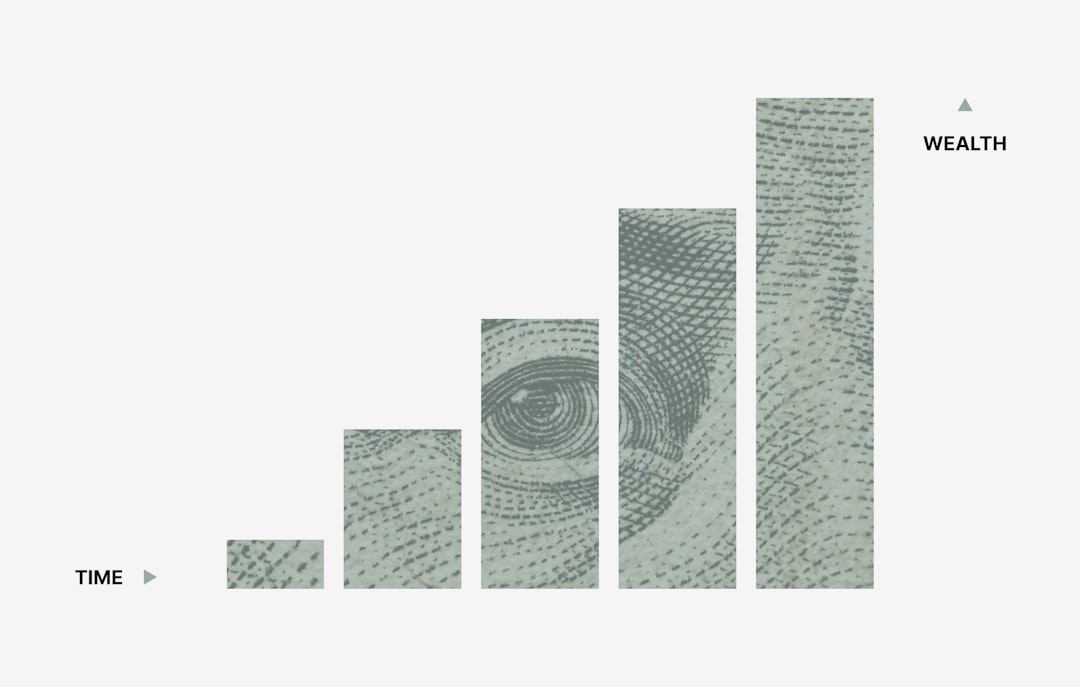
You’re on your financial journey, and you’ve started seeing some real traction. Maybe your income has increased, your investments are finally showing consistent growth, or you’ve paid off a significant chunk of debt. It feels good, doesn’t it? That sense of accomplishment, of progress. This is the point where many people stumble, unknowingly sabotaging their long-term financial well-being. This is the insidious trap of lifestyle inflation, and understanding how to avoid it is crucial to truly building lasting wealth.
Understanding the Siren Song of Lifestyle Inflation
You’ve worked hard. You deserve to enjoy the fruits of your labor. There’s absolutely nothing wrong with that. In fact, it’s a healthy and necessary part of life to acknowledge and reward your achievements. The problem arises when these rewards begin to outpace your actual needs and, more importantly, your long-term financial goals. Lifestyle inflation is the tendency to increase your spending as your income rises. It’s the gradual, often imperceptible, shift from needing a modest car to suddenly wanting a luxury SUV, or from enjoying home-cooked meals to consistently dining at upscale restaurants.
The Subtle Erosion of Your Financial Future
Imagine your income as the fuel for your financial journey. When you increase your income, you have more fuel. The intuitive, and often default, response is to simply use more fuel to travel further and perhaps more comfortably. However, true wealth building isn’t just about traveling further; it’s about building a robust and sustainable vehicle that can continue to carry you for the long haul, even when the road gets a little bumpy. Lifestyle inflation burns through that extra fuel, leaving you with little to no surplus to invest in your future. It’s like constantly upgrading your car to a more expensive model, but never actually saving enough to buy a second property or build a substantial investment portfolio. The money disappears, and before you know it, you’re right back where you started, just with fancier possessions that tie you down.
Recognizing the Early Warning Signs
The key to combating lifestyle inflation is early detection. You’ll likely notice a few tell-tale signs. Perhaps you find yourself saying “yes” to more expensive outings without much thought. Maybe your credit card statements are consistently higher, even though your rent or mortgage hasn’t changed. You might be accumulating more stuff – gadgets, clothes, home decor – that you don’t strictly need. These are not inherently bad things, but when they become the norm, and the amount of disposable income you have for savings and investments shrinks, you’re in the danger zone. It’s a gradual creep, a series of small decisions that collectively redirect your financial resources away from wealth accumulation and towards immediate gratification. Be honest with yourself about your spending habits. Are you truly enjoying these new purchases and experiences, or are they simply a way to keep up with perceived societal expectations or a fleeting sense of accomplishment?
To effectively grow wealth without succumbing to lifestyle inflation, it’s essential to adopt a mindset focused on long-term financial goals rather than immediate gratification. A related article that delves deeper into this topic is available at How to Grow Wealth Without Lifestyle Inflation. This resource provides valuable insights and practical strategies to help individuals maintain their financial discipline while building their wealth over time. By implementing the tips outlined in the article, you can ensure that your financial growth is sustainable and aligned with your aspirations.
The Psychology Behind the Spending Spree
It’s not just about wanting nicer things. There’s a deep psychological component to lifestyle inflation that, once understood, can be a powerful weapon against it. Recognizing these drivers allows you to consciously choose better.
The Hedonic Treadmill Effect
This is a cornerstone concept in understanding why we chase ever-increasing levels of consumption. The hedonic treadmill, or hedonic adaptation, refers to our ability to quickly adapt to positive changes in our lives. That thrilling new car? After a few months, it becomes your normal. That designer handbag? It’s just another bag. You get a temporary boost in happiness, but then you return to your baseline level of contentment. The problem is, you then need a new thing, a better thing, a more expensive thing, to achieve that same fleeting happiness again. This creates a cycle where you’re constantly running on a treadmill, expending more and more energy (income) just to stay in the same place emotionally, and financially. The true path to lasting happiness and wealth often lies not in more possessions, but in experiences, relationships, and the security that financial freedom provides.
Social Comparison and the Fear of Missing Out (FOMO)
In today’s hyper-connected world, it’s easier than ever to see what others have. Social media feeds are often curated highlight reels of people’s successes, vacations, and purchases. This can create a powerful sense of social comparison. You see friends driving new cars, taking lavish trips, or flaunting their designer possessions, and suddenly your own situation might feel inadequate. This can trigger FOMO – the fear of missing out. You might feel compelled to spend money you don’t have to keep up appearances or to avoid feeling left behind. This is a dangerous trap, as you’re basing your financial decisions on external validation rather than your own well-being and goals. Remember, what you see online is rarely the full picture, and often hides underlying financial strain for those who are constantly trying to project an image of wealth.
The “Reward” Mentality
When you achieve a milestone, whether it’s a promotion, a bonus, or paying off a debt, it’s natural to want to celebrate. This can easily morph into a “reward” mentality that justifies unnecessary spending. “I worked so hard, I deserve this new gadget.” While a small, thoughtful reward is fine, if every achievement is met with a significant expenditure, it quickly erodes your savings. The key is to differentiate between a genuine, well-deserved treat and a habit of overspending that becomes the default response to any positive event. Think about alternative ways to reward yourself that don’t involve depleting your financial resources. A nice dinner with loved ones, a weekend getaway, or even simply taking a day off to relax can be incredibly rewarding without the financial burden.
Strategies for Starving Lifestyle Inflation
Now that you understand why it happens, let’s focus on the how. How do you actively prevent your lifestyle from expanding with your income? It requires a conscious and consistent effort, but the rewards are immense.
The Power of a Budget: Your Financial Compass
A budget isn’t about restriction; it’s about intentionality. It’s your roadmap to where your money is going and, more importantly, where you want it to go. Without a budget, spending is often reactive and impulsive. With a budget, you’re in control.
Tracking Every Dollar: Know Where Your Money Goes
The first step is always to understand your current spending. Use a budgeting app, a spreadsheet, or even a notebook to meticulously track every dollar you spend for at least a month, preferably three. Categorize your expenses: housing, transportation, food, entertainment, debt payments, savings, investments, etc. This exercise can be eye-opening. You might discover areas where you’re overspending without even realizing it. This data is foundational for creating a realistic and effective budget.
Setting Realistic Spending Limits: Aligning with Your Goals
Once you know where your money is going, you can start setting realistic spending limits for each category. These limits should not be arbitrary; they should align with your income and your savings goals. If you’re aiming to save 20% of your income, your budget needs to reflect that. Be honest about what you can afford to spend in each category without derailing your financial progress.
Allocating Funds for Savings and Investments FIRST
This is perhaps the most crucial aspect of a proactive budget. Before you allocate money to discretionary spending, allocate it to your savings and investment accounts. This is often referred to as “paying yourself first.” Treat your savings and investments as non-negotiable expenses, just like your rent. This ensures that a portion of your increased income is consistently directed towards your long-term goals, effectively starving lifestyle inflation from the outset.
The Magic of Automation: Set It and Forget It
The human mind is prone to forgetfulness and temptation. Automation is your ally in building wealth and avoiding lifestyle inflation.
Automating Savings Transfers
Set up automatic transfers from your checking account to your savings and investment accounts on payday. This removes the temptation to spend that money. The money is gone before you even have a chance to miss it (or, more importantly, to spend it). Even small, consistent automated transfers add up significantly over time.
Automating Bill Payments
While not directly related to savings, automating your bill payments ensures you don’t incur late fees, which are essentially wasted money. This frees up more of your income for your primary financial goals.
The “Delay Gratification” Muscle: Training Your Mind
This isn’t about deprivation; it’s about building financial discipline and mental fortitude.
The Waiting Period: The 30-Day Rule for Non-Essential Purchases
For any significant non-essential purchase that isn’t planned for in your budget, implement a 30-day waiting period. If, after 30 days, you still feel the purchase is necessary and aligns with your financial goals, then consider making it. More often than not, the urgency will have passed, and you’ll realize you didn’t actually need it. This forces you to separate wants from needs and reduces impulse buying.
Finding Joy in Experiences Over Possessions
Shift your focus from accumulating material things to accumulating experiences. Invest your time and money in travel, learning new skills, spending time with loved ones, or pursuing hobbies. These provide lasting joy and memories that possessions often fail to deliver. When you’re fulfilled by experiences, the allure of constantly buying new things diminishes.
Re-evaluating Your Needs vs. Wants: A Constant Practice
As your income grows, so does the temptation to redefine what you “need.” This requires ongoing vigilance and a willingness to be self-aware.
The Differentiating Line: Where Does Necessity End?
Constantly ask yourself: Do I need this, or do I simply want this? Is this purchase essential for my well-being, my work, or my basic comfort, or is it an upgrade to a “nicer” version that doesn’t significantly improve my quality of life? Be ruthless in this introspection. That fancier phone might be appealing, but does it truly offer functionality that dramatically improves your life compared to your current one? Your current car gets you from point A to point B reliably; is the added expense of a luxury model truly justified?
The “Opportunity Cost” of Every Purchase
Every dollar you spend on something you don’t truly need is a dollar that could have been invested, saved, or used to pay down debt. This is the concept of opportunity cost. Consider what you’re giving up by making a particular purchase. Is that new designer shirt worth the potential growth of that money in the stock market over the next 20 years? Is that expensive weekly latte habit worth the extra half a percent you could have knocked off your mortgage? Thinking about the long-term implications of your spending can be a powerful motivator.
The “Good Enough” Philosophy: Embracing Sufficiency
There’s a profound peace that comes with embracing the “good enough” philosophy. It means recognizing that you don’t need the absolute latest, most expensive, or most luxurious version of everything. Your current phone is sufficient for communication and basic tasks. Your existing wardrobe meets your needs. This isn’t about settling for less; it’s about finding contentment in sufficiency. When you can happily say “this is good enough,” you open up vast reserves of your income for true wealth-building.
If you’re looking to build wealth without succumbing to lifestyle inflation, it’s essential to adopt smart financial habits that prioritize saving and investing over unnecessary spending. A great resource that delves deeper into this topic is an article that provides practical tips and strategies for achieving financial independence. You can read more about it in this insightful piece on how to grow wealth without lifestyle inflation by visiting this link. By focusing on long-term goals and maintaining a frugal mindset, you can effectively increase your wealth while enjoying a fulfilling life.
The Long-Term Vision: Keeping Your Eyes on the Prize
Lifestyle inflation is a short-sighted tendency. Building true wealth requires a long-term perspective and a clear understanding of your ultimate financial goals.
Defining Your Financial Freedom
What does financial freedom truly mean to you? Is it early retirement, financial independence before a certain age, the ability to pursue passions without financial constraints, or leaving a legacy for your family? Clearly define your vision of financial freedom. This vision will serve as a powerful antidote to lifestyle inflation, reminding you what you’re working towards.
Setting Ambitious Yet Achievable Goals
Once you have a clear vision, set specific, measurable, achievable, relevant, and time-bound (SMART) financial goals. This might include a certain savings rate, an investment portfolio value by a specific age, or being debt-free by a certain year. Breaking down your long-term vision into smaller, actionable goals makes it less overwhelming and provides tangible milestones to strive for.
The Compounding Power of Delayed Gratification
The true magic of wealth building lies in compounding. When you reinvest your earnings, your money starts to make money for itself. The longer you allow your investments to grow, the more profound the compounding effect. Lifestyle inflation directly combats this by diverting the funds that would otherwise fuel this compounding engine. By resisting the urge for immediate gratification, you allow your money to work for you over the long term, creating exponential growth that far surpasses the fleeting pleasure of immediate purchases. Imagine the difference between spending an extra $500 a month on impulse buys versus investing it for 30 years. The investor’s future financial situation will be vastly different.
Conclusion: Your Wealth, Your Choice
Building wealth is not solely about earning more; it’s fundamentally about managing what you earn wisely. Lifestyle inflation is a silent thief that can rob you of your financial future, even as your income grows. By understanding its psychological drivers, implementing conscious budgeting strategies, embracing automation, and maintaining a clear long-term vision, you can effectively starve this tendency. Remember, true wealth isn’t measured in the possessions you accumulate, but in the financial freedom and security you build. Your financial future is in your hands; choose to prioritize it. The small, consistent choices you make today will pave the way for the financial success and peace of mind you desire tomorrow.

You’re Not Wealthy. You’re Just Hard to Fire.
FAQs

What is lifestyle inflation?
Lifestyle inflation refers to the tendency for people to increase their spending as their income rises. This often leads to a cycle of never feeling financially secure, despite earning more money.
How can I grow wealth without lifestyle inflation?
To grow wealth without lifestyle inflation, it’s important to prioritize saving and investing over increasing spending. This can be achieved by creating a budget, setting financial goals, and being mindful of spending habits.
What are some strategies for avoiding lifestyle inflation?
Some strategies for avoiding lifestyle inflation include automating savings, living below your means, avoiding unnecessary debt, and regularly reviewing and adjusting your budget.
Why is it important to avoid lifestyle inflation?
Avoiding lifestyle inflation is important because it allows individuals to build wealth, achieve financial independence, and have a secure financial future. It also helps to avoid the stress and anxiety that can come with living beyond one’s means.
What are the benefits of growing wealth without lifestyle inflation?
Growing wealth without lifestyle inflation allows individuals to have financial security, achieve long-term financial goals, and have the freedom to pursue their passions and interests without being burdened by excessive debt or financial stress.