You’re ready to stop living paycheck to paycheck. You’re tired of the constant worry about unexpected expenses. You envision a future where you have financial freedom, where you can pursue your passions, travel the world, or simply enjoy a comfortable retirement. This isn’t some pipe dream; it’s achievable through smart, long-term investing.
Building lasting wealth isn’t about get-rich-quick schemes or chasing the latest speculative fad. It’s a deliberate, disciplined process that involves understanding your goals, making informed decisions, and allowing the power of compounding to work its magic over time. This journey might seem daunting at first, but with the right approach, you can lay a solid foundation for a secure and prosperous financial future.
You’re about to embark on a path that, while requiring effort and patience, offers immense rewards. This article will guide you through the essential steps, from understanding the fundamental principles of investing to developing a personalized strategy that aligns with your unique circumstances and aspirations. Prepare to take control of your financial destiny.
Before you even think about picking a stock or a bond, it’s crucial to grasp the foundational concepts that underpin any successful long-term investment strategy. These aren’t just buzzwords; they are the bedrock upon which your financial future will be built.
The Magic of Compounding: Your Wealth’s Best Friend
Imagine your money having little money-making babies, and then those babies grow up and have their own babies. That’s essentially compounding. It’s the process where your initial investment earns returns, and then those returns, in turn, start earning their own returns. Over time, this snowball effect can be incredibly powerful, leading to exponential growth that far surpasses simply saving money.
How Compounding Works in Practice
You invest $10,000 at an average annual return of 7%. In year one, you earn $700. Now you have $10,700. In year two, you earn 7% on $10,700, which is $749. Your investment has grown by more than it did in the first year. This might seem small initially, but over decades, the difference becomes astronomical.
The Crucial Role of Time
The longer your money is invested and compounding, the more significant its growth will be. This is why starting early is paramount. Even small, consistent contributions made early in your career can grow to be much larger than much larger contributions made later in life. Time is your most valuable asset when it comes to compounding.
Reinvesting Your Earnings: Fueling the Fire
To maximize the power of compounding, you need to ensure that your investment earnings are reinvested. If you withdraw your dividends or interest, you’re essentially breaking the chain and limiting your future growth potential. Many investment platforms automatically reinvest earnings for you, making this process seamless.
Risk and Return: The Inseparable Duo
Investing inherently involves risk. There’s no such thing as a guaranteed return without risk. However, understanding the relationship between risk and potential return is vital for making informed decisions. Generally, higher potential returns come with higher levels of risk, and vice versa.
Diversification: Don’t Put All Your Eggs in One Basket
This is perhaps the most important principle for managing risk. Diversification means spreading your investments across different asset classes (like stocks, bonds, real estate), industries, and geographical regions. If one investment performs poorly, others may perform well, helping to cushion the impact on your overall portfolio.
Understanding Different Risk Levels
- Low Risk: Typically associated with investments like government bonds or savings accounts, offering lower potential returns but greater principal safety.
- Medium Risk: Investments like diversified stock market index funds or blue-chip stocks offer a balance between risk and potential return.
- High Risk: This category includes individual stocks in emerging companies, cryptocurrencies, or speculative ventures, which have the potential for very high returns but also carry a significant risk of loss.
Your Personal Risk Tolerance: A Key Consideration
Your comfort level with potential losses will dictate your investment strategy. Are you someone who panics at the slightest dip in the market, or can you stomach short-term volatility for the prospect of long-term gains? Honestly assessing your risk tolerance is crucial for selecting appropriate investments.
Inflation: The Silent Wealth Eroder
Inflation is the general increase in prices and fall in the purchasing value of money. If your investments aren’t growing at a rate that outpaces inflation, you’re effectively losing purchasing power over time. Your money might be increasing in nominal terms, but it won’t be able to buy as much as it could before.
How Inflation Impacts Your Savings
If inflation is 3% per year, and your savings account earns 1%, you’re losing 2% of your purchasing power annually. This is why simply holding cash in a low-interest account is a losing proposition in the long run.
Investing as an Inflation Hedge
Smart investments, particularly those in assets that tend to keep pace with or outpace inflation, are essential for preserving and growing your wealth. Stocks, real estate, and certain types of bonds can serve as effective hedges against inflation.
Investing for long-term wealth is a strategy that many financial experts advocate for, as it allows individuals to build a substantial portfolio over time through the power of compounding. For those interested in learning more about effective investment strategies and wealth accumulation, a great resource is the article found at How Wealth Grows. This article provides insights into various investment approaches and the importance of patience and discipline in achieving financial goals.
Crafting Your Investment Strategy: A Personalized Blueprint
Now that you understand the fundamental principles, it’s time to translate them into a concrete plan tailored to you. This isn’t a one-size-fits-all approach; your unique circumstances will shape your ideal investment strategy.
Defining Your Financial Goals: What Are You Investing For?
Before you invest a single dollar, you need to know why you’re investing. Vague goals lead to vague results. Be specific about what you hope to achieve with your investments.
Short-Term Goals (1-5 Years)
These might include saving for a down payment on a house, a new car, or a significant vacation. Investments for short-term goals typically need to be more conservative, prioritizing capital preservation over aggressive growth.
Medium-Term Goals (5-15 Years)
This could encompass saving for your children’s education, a major home renovation, or starting a business. These goals allow for a bit more risk than short-term goals, with a focus on moderate growth.
Long-Term Goals (15+ Years)
Your retirement is the quintessential long-term goal. Other examples include leaving a legacy for your heirs or achieving complete financial independence. These goals offer the most scope for taking on calculated risk in pursuit of higher returns.
Assessing Your Risk Tolerance and Time Horizon
Your willingness and ability to take on risk are directly linked to how long you plan to invest your money.
The Age-Old Rule of Thumb: “100 Minus Your Age”
While not a perfect science, a common guideline suggests that the percentage of your portfolio allocated to stocks should roughly be 100 minus your age. For example, a 30-year-old might consider allocating around 70% to stocks and 30% to bonds. As you get older and your time horizon shortens, you might gradually shift towards more conservative investments.
Beyond Simple Formulas: A Deeper Self-Assessment
Consider your emotional response to market downturns. If a 20% drop would cause you to lose sleep and consider selling everything, you likely have a lower risk tolerance than someone who views it as a buying opportunity. Your current financial situation also plays a role; if you have a stable income and no immediate need for the invested funds, you might be able to afford to take on more risk.
Choosing Your Investment Vehicles: Where Your Money Will Grow
Once you have a clear understanding of your goals and risk tolerance, you can begin to explore the various investment options available to you.
Stocks: Owning a Piece of the Pie
When you buy stock in a company, you become a part-owner of that company. Over the long term, stocks have historically provided the highest returns among major asset classes, but they also come with the highest volatility.
- Individual Stocks: Buying shares of specific companies. This requires research and can be high risk if not diversified.
- Stock Mutual Funds & ETFs: These are baskets of stocks, offering instant diversification.
- Index Funds: Track a specific market index (like the S&P 500). They are passively managed, meaning lower fees and generally good performance that mirrors the market.
- Actively Managed Funds: Managed by professionals who aim to outperform the market. They typically have higher fees and don’t always achieve their stated goals.
Bonds: Lending Your Money for Interest
When you buy a bond, you’re essentially lending money to a government or a corporation. In return, you receive periodic interest payments (coupons) and your principal back when the bond matures. Bonds are generally considered less risky than stocks.
- Government Bonds: Issued by national, state, or local governments. Generally considered very safe.
- Corporate Bonds: Issued by companies. Risk varies depending on the financial health of the company.
- Bond Mutual Funds & ETFs: Provide diversification across a range of bonds.
Real Estate: Tangible Assets with Income Potential
Investing in property can provide rental income and potential appreciation in value. It’s a tangible asset that can offer a hedge against inflation.
- Direct Ownership: Buying rental properties yourself. Requires significant capital, management effort, and carries specific risks.
- REITs (Real Estate Investment Trusts): Companies that own, operate, or finance income-producing real estate. They trade on stock exchanges, offering a more liquid way to invest in real estate.
Alternative Investments: Exploring Beyond the Traditional
This category includes assets like commodities (gold, oil), private equity, hedge funds, and even cryptocurrencies. These are often more complex, less liquid, and can carry higher risk. They should typically be a smaller part of a well-diversified portfolio, if included at all.
The Power of Consistent Investing and Automation
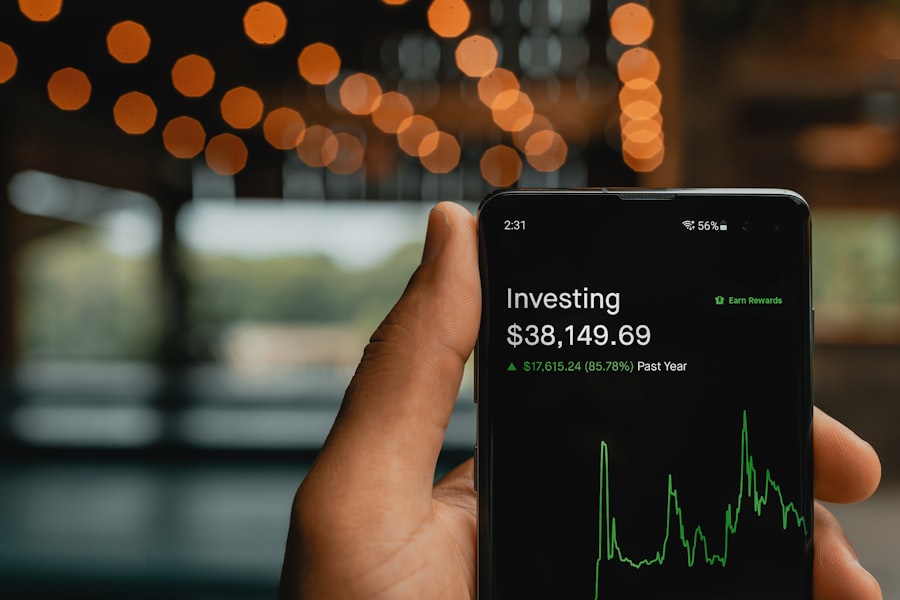
Building wealth isn’t a sprint; it’s a marathon. The most effective strategy involves consistent contributions over time, made effortlessly through automation.
Dollar-Cost Averaging (DCA): Smoothing Out the Ride
Dollar-cost averaging is a strategy where you invest a fixed amount of money at regular intervals, regardless of market conditions. This means you buy more shares when prices are low and fewer shares when prices are high, averaging out your purchase cost over time.
How DCA Mitigates Market Timing Risk
Trying to “time the market” – predicting when to buy low and sell high – is incredibly difficult, even for seasoned professionals. DCA removes the emotional decision-making from market fluctuations. You’re investing consistently, allowing your strategy to work regardless of whether the market is up or down.
Examples of DCA in Action
You decide to invest $500 per month into an S&P 500 index fund. If the market is down one month, your $500 buys more shares. If the market is up, it buys fewer. Over time, this averaging effect can lead to better results than trying to time your purchases.
Automating Your Investments: Making It Effortless
The easiest way to stick to a consistent investing schedule is to automate it. Most brokerage accounts allow you to set up automatic transfers from your bank account to your investment account and even set up automatic investments into specific funds.
Setting Up Automatic Contributions
This is a game-changer for long-term wealth building. You simply set it and forget it. The money is invested before you even have a chance to spend it. Treat your investment contributions like any other bill that needs to be paid.
The Psychological Benefit of Automation
Automation removes the temptation to skip a contribution when you’re feeling uncertain about the market or when other expenses arise. It instills discipline and ensures your wealth-building plan stays on track.
Rebalancing Your Portfolio: Staying Aligned with Your Goals

Over time, the performance of different assets in your portfolio will vary. This means your original asset allocation (the mix of stocks, bonds, etc.) can drift. Rebalancing is the process of adjusting your portfolio back to its target allocation.
Why Rebalancing is Essential
Imagine you started with a 60/40 stock/bond allocation. If stocks have performed exceptionally well, your portfolio might now be 70% stocks and 30% bonds. While that sounds good, it also means you’ve taken on more risk than you initially intended.
Selling High and Buying Low
Rebalancing often involves selling some of the assets that have performed well (effectively “selling high”) and using those proceeds to buy assets that have underperformed or haven’t grown as much (effectively “buying low”). This helps to lock in gains and acquire assets at potentially lower prices.
Maintaining Your Desired Risk Level
By rebalancing, you ensure your portfolio’s risk profile remains consistent with your goals and risk tolerance. If you don’t rebalance, a runaway stock market could leave you with a portfolio that’s far riskier than you’re comfortable with.
How Often Should You Rebalance?
The frequency of rebalancing depends on your personal preferences and the volatility of the markets.
Calendar-Based Rebalancing
A common approach is to rebalance on a set schedule, such as annually or semi-annually. This provides a predictable routine for managing your portfolio.
Threshold-Based Rebalancing
Another method is to rebalance when an asset class deviates from its target allocation by a certain percentage (e.g., 5% or 10%). This is a more reactive approach, adjusting only when significant drift occurs.
Investing for long-term wealth is a strategy that many financial experts advocate, as it allows individuals to build substantial assets over time through the power of compounding. For those looking to deepen their understanding of this approach, a helpful resource can be found in an article that discusses various investment strategies and their potential benefits. You can read more about it in this insightful piece on how wealth grows. By exploring these concepts, investors can make informed decisions that align with their financial goals and risk tolerance.
Staying Disciplined and Patient: The True Keys to Success
| Investment Option | Expected Annual Return | Risk Level |
|---|---|---|
| Stock Market | 7% | High |
| Real Estate | 5% | Medium |
| Bonds | 3% | Low |
The journey to building long-term wealth is as much a psychological battle as it is a financial one. Your discipline and patience will be tested, but they are the ultimate determinants of your success.
Avoiding Emotional Decision-Making
Markets fluctuate. There will be periods of rapid growth and periods of significant decline. It’s crucial to avoid making impulsive decisions based on fear or greed.
Don’t Panic During Market Downturns
When the market plunges, it’s natural to feel anxious. However, selling your investments during a downturn often means locking in losses and missing out on the subsequent recovery. Remember why you invested in the first place and trust your long-term strategy.
Don’t Chase “Hot” Investments
The allure of quick riches can be strong, but chasing the latest trending investment without understanding its fundamentals is a recipe for disaster. Stick to your well-researched plan.
The Importance of a Long-Term Perspective
Building wealth takes time. Resist the temptation to constantly check your portfolio’s daily performance. Focus on the progress you’re making towards your long-term goals.
Your Retirement Doesn’t Happen Overnight
It takes decades of consistent saving and investing to build a substantial retirement nest egg. View each year of consistent investing as another step on that path.
Celebrate Small Wins, But Stay Focused
Acknowledge and appreciate your progress, but don’t let short-term successes lull you into complacency. Continue to contribute consistently and rebalance as needed.
Seeking Knowledge and Adapting as Needed
The financial landscape is constantly evolving. While your core strategy might remain the same, it’s important to stay informed and adapt when necessary.
Continuous Learning is Key
Read books, follow reputable financial news sources, and consider consulting with a financial advisor. The more you understand, the more confident you’ll be in your investment decisions.
Review and Adjust Your Strategy Periodically
Life circumstances change. You might get married, have children, change careers, or receive an inheritance. Periodically review your financial goals and investment strategy to ensure they still align with your current situation. This doesn’t mean making drastic changes, but rather making minor adjustments as needed.
Building long-term wealth through smart investing is a marathon, not a sprint. It requires a clear understanding of fundamental principles, a personalized strategy, consistent effort, and, above all, unwavering discipline and patience. By embracing these concepts, you are actively choosing a future of financial security and freedom. The journey begins with a single step, and that step is making the decision to invest wisely, starting today.

Only a Few 401(k) Contributions Build Most of Your Retirement
FAQs
What is long-term investing?
Long-term investing refers to the strategy of buying and holding investments for an extended period, typically five years or more. This approach aims to build wealth over time through the power of compounding returns.
What are the benefits of long-term investing?
Long-term investing allows investors to take advantage of compound interest, which can significantly increase the value of their investments over time. It also reduces the impact of short-term market fluctuations and provides the opportunity to ride out market downturns.
What are some common long-term investment options?
Common long-term investment options include stocks, bonds, mutual funds, exchange-traded funds (ETFs), real estate, and retirement accounts such as 401(k)s and IRAs. These investments offer the potential for growth and income over the long term.
What are some key principles for successful long-term investing?
Key principles for successful long-term investing include diversification, regular contributions, staying invested during market downturns, and maintaining a long-term perspective. It’s also important to periodically review and rebalance your investment portfolio.
What are some potential risks of long-term investing?
While long-term investing can offer significant rewards, it also carries risks such as market volatility, inflation, and the potential for investment losses. It’s important for investors to carefully consider their risk tolerance and investment goals when pursuing a long-term investment strategy.