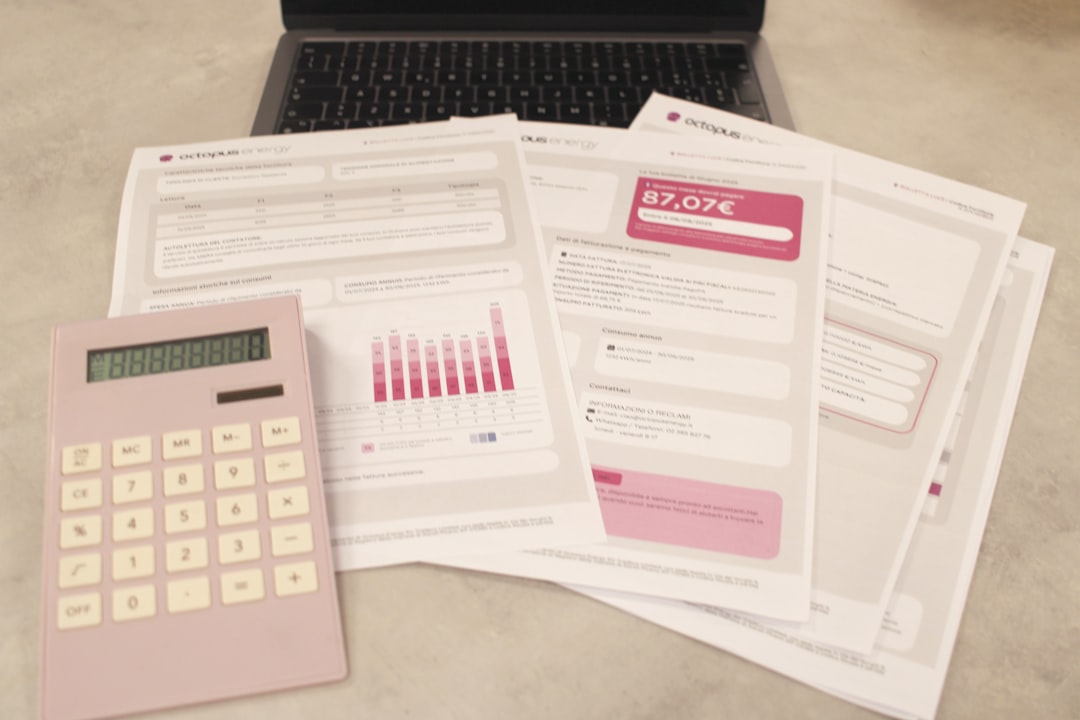
You’re looking to build a robust system for your household’s finances, a system that goes beyond simply tracking where your money has gone and instead actively guides you toward financial stability. A Household Profit and Loss Statement (P&L) is a crucial tool for achieving
FAQs
What is a household profit and loss statement?
A household profit and loss statement is a financial document that tracks the income and expenses of a household over a specific period of time. It helps individuals and families understand their financial situation and make informed decisions about their spending and saving.
Why is it important to build a household profit and loss statement?
Building a household profit and loss statement is important because it provides a clear picture of a household’s financial health. It helps identify areas where money is being spent and allows for better budgeting and planning for the future. It also helps in identifying opportunities for saving and investing.
What are the key components of a household profit and loss statement?
The key components of a household profit and loss statement include income, expenses, and net profit or loss. Income includes all sources of money coming into the household, such as salaries, bonuses, and investment income. Expenses include all the money going out, such as rent, utilities, groceries, and entertainment. The net profit or loss is calculated by subtracting total expenses from total income.
How can I build a household profit and loss statement?
To build a household profit and loss statement, start by gathering all financial documents, such as bank statements, pay stubs, and bills. List all sources of income and categorize expenses into fixed (e.g., rent, insurance) and variable (e.g., groceries, entertainment). Use a spreadsheet or financial software to organize the information and calculate the net profit or loss.
What are the benefits of having a household profit and loss statement for stability?
Having a household profit and loss statement provides several benefits for stability, including the ability to track spending patterns, identify areas for cost-cutting, and make informed financial decisions. It also helps in setting financial goals, planning for emergencies, and building a stable financial future for the household.