You’ve seen the ads everywhere. Bright, catchy slogans promising instant gratification. “Buy it now, pay for it later.” It sounds so simple, so liberating. You want that new phone? A fancy outfit? That piece of furniture you’ve been eyeing? No problem! Just a few clicks, and it’s yours. Buy Now, Pay Later (BNPL) has woven itself into the fabric of modern consumerism, offering a seemingly effortless way to acquire goods and services. But have you ever stopped to think about the true cost of this convenience? Have you ever wondered what lies beneath the glossy veneer of these enticing offers? If you’re anything like me, you’ve probably felt that pull, that temptation. And if you’re currently caught in its orbit, or even just curious about its implications, then a new documentary, “Breaking the Cycle: Buy Now Pay Later,” is a must-watch. This film bravely pulls back the curtain on the BNPL phenomenon, revealing its intricate workings, its alluring promises, and its often-devastating consequences.
The Allure of Instant Gratification
You know the feeling. It’s a fleeting desire, an impulse that sparks when you see something you want. In the past, this might have meant saving up, delaying gratification, or perhaps taking out a traditional loan. But BNPL has fundamentally altered this equation. It’s an architect of instant satisfaction, a master of the immediate reward.
The Psychology of “Now”
The documentary dives deep into the psychological underpinnings of why BNPL is so effective. You’re presented with a product, and the barrier to ownership is drastically lowered. The mental calculus shifts. Instead of thinking about the total price, you’re focusing on a series of small, manageable installments. This mental accounting trick is incredibly powerful. The film features experts who explain how our brains are wired for immediate rewards, and how BNPL directly taps into this primal urge. It’s not just about wanting something; it’s about wanting it now. The pressure to keep up with trends, the fear of missing out (FOMO) amplified by social media, all contribute to this environment where BNPL thrives. You’re not just buying a product; you’re buying into an experience, a lifestyle, and BNPL makes that initial purchase feel effortless.
The “Free Money” Illusion
One of the most insidious aspects of BNPL, as the documentary highlights, is the perception that it’s a form of free money. You’re not paying interest, right? That’s the headline you see. But the film meticulously dissects this claim. While many BNPL plans may not charge interest upfront, the story doesn’t end there. Late fees, missed payment penalties, and the potential for interest to accrue if you default can quickly turn a seemingly innocent transaction into a financial burden. You’re lulled into a false sense of security, believing you’re getting a great deal. The documentary shows how this illusion is carefully crafted, making it difficult for consumers to see the potential long-term costs. It’s a subtle trap, one that’s easy to fall into when the immediate gratification is so compelling.
If you’re interested in understanding the intricacies of the buy now, pay later (BNPL) phenomenon, you might find the documentary “Buy Now, Pay Later: The New Age of Consumer Debt” particularly enlightening. This film delves into the implications of BNPL services on consumer behavior and financial health. To further explore related insights and articles on this topic, you can visit How Wealth Grows, which offers a wealth of information on financial trends and strategies.
The Mechanics of Buy Now, Pay Later
You might think you understand how BNPL works, but “Breaking the Cycle” provides an eye-opening look at the underlying financial machinery. It’s not as simple as just splitting payments. There are multiple players involved, each with their own interests and motivations.
The Rise of BNPL Providers
The film introduces you to the major BNPL companies that have emerged in recent years. You’ll learn about their business models, their aggressive marketing strategies, and their rapid expansion into nearly every sector of retail, both online and in physical stores. You’ll see how they partner with merchants, often offering them benefits like increased sales and reduced cart abandonment rates. This symbiotic relationship, however, can come at a cost to the consumer. The documentary examines the sheer speed at which these companies have scaled, often operating with less regulatory oversight than traditional financial institutions. This rapid growth, while impressive, has also created a landscape where consumers can easily become overwhelmed.
The Merchant’s Perspective
From the merchant’s point of view, BNPL can be a powerful tool. The documentary features interviews with business owners who have seen significant increases in sales and average order values since implementing BNPL options. For smaller businesses, it can level the playing field, allowing them to compete with larger retailers by offering payment flexibility. However, the film also explores the hidden costs for merchants, such as transaction fees charged by BNPL providers. While this might seem like a separate issue, it can indirectly influence pricing, meaning you, as the consumer, might ultimately be footing some of these bills. It’s a complex ecosystem, and understanding each player’s role is crucial to grasping the full picture.
The Data Trail
A significant part of the documentary is dedicated to the data that BNPL providers collect. You might be aware that they track your purchase history, but the extent of this data collection and its potential uses are truly eye-opening. The film explains how this data is used to assess risk, personalize offers, and even influence future purchasing decisions. It raises important questions about privacy and how your financial behavior is being monitored and potentially exploited. You’re not just a customer; you’re a data point, and that data is incredibly valuable.
The Human Cost: Stories of Debt and Despair
This is where “Breaking the Cycle” truly hits home. The film moves beyond the abstract financial mechanics to showcase the very real and often devastating human stories of individuals who have been negatively impacted by BNPL. You’ll hear from people who, like you, were initially drawn in by the promise of ease and affordability.
The Snowball Effect of Debt
The documentary features compelling narratives of individuals who found themselves trapped in a cycle of debt. What started as a few small purchases quickly spiraled out of control. Missed payments led to late fees, which compounded interest, turning manageable installments into an insurmountable burden. You’ll hear stories of people who had to take out new BNPL loans just to pay off old ones, creating a vicious cycle that is incredibly difficult to escape. The film illustrates how these debts can strain relationships, impact mental health, and even lead to significant financial hardship, including bankruptcy. It’s a stark reminder that the convenience of today can lead to the despair of tomorrow.
The Impact on Vulnerable Populations
“Breaking the Cycle” also shines a spotlight on how BNPL disproportionately affects vulnerable populations. This includes young people who may lack financial literacy, low-income individuals who are more susceptible to predatory lending practices, and those who are already struggling with debt. The film highlights how these individuals are often targeted with aggressive marketing, making them prime candidates for overspending and falling into debt traps. You’ll see how the lack of robust consumer protections in the BNPL space leaves these individuals particularly exposed. It’s a social justice issue as much as a financial one.
The Mental and Emotional Toll
Beyond the financial strain, the documentary explores the significant mental and emotional toll that BNPL debt can take. You’ll hear from individuals who describe feelings of shame, anxiety, and depression as their debt grows. The constant pressure of owing money, the fear of collections, and the difficulty in seeing a path forward can be overwhelming. The film emphasizes that this isn’t just about numbers on a screen; it’s about the real-life struggles and emotional burdens that debt can impose on individuals and their families.
Navigating the BNPL Landscape Responsibly
The good news is that “Breaking the Cycle” isn’t just a tale of woe. It also offers practical advice and empowers you with the knowledge to make informed decisions and to break free from any potential negative cycles.
Educating Yourself is Key
The documentary stresses the paramount importance of financial literacy. Before you click “buy,” you need to understand the terms and conditions. You need to know what happens if you miss a payment, what the fees are, and how interest might be applied. The film encourages you to be a discerning consumer, to question the promises, and to do your research. It’s about equipping yourself with the knowledge to avoid the pitfalls. You’ll be presented with resources and strategies to become a savvier shopper.
Understanding Your Financial Limits
A crucial takeaway from the film is the need to be brutally honest with yourself about your financial limits. BNPL offers a temptation to spend beyond your means. You need to ask yourself: can I truly afford this, not just today, but over the entire repayment period? The documentary advocates for budgeting, for understanding your income and expenses, and for making purchasing decisions based on your actual financial capacity, not on the illusion of immediate affordability. It’s about prioritizing long-term financial health over short-term gratification.
Seeking Help and Alternatives
If you find yourself already caught in a BNPL debt trap, “Breaking the Cycle” offers hope and guidance. The film highlights various resources and avenues for help. This includes financial advisors, debt counseling services, and even consumer advocacy groups. You’ll learn about strategies for negotiating with BNPL providers, consolidating debt, and developing a plan to regain control of your finances. The documentary makes it clear that you are not alone and that there are people and organizations ready to assist you. It also explores alternative ways to finance purchases, such as saving up, utilizing credit cards responsibly with a clear repayment plan, or even considering whether the purchase is truly necessary.
If you’re interested in the growing trend of buy now pay later services, you might want to check out a related article that delves deeper into the implications of this financial model. The documentary highlights how these services are reshaping consumer behavior and financial responsibility. For more insights, you can read the full article here: explore the topic further.
Breaking Free: Towards a More Sustainable Future
The overarching message of “Breaking the Cycle: Buy Now, Pay Later” is one of empowerment. It’s about recognizing the potential dangers of BNPL and taking proactive steps to protect yourself and to build a more secure financial future.
The Role of Regulation
The documentary raises important questions about the need for greater regulation in the BNPL industry. You’ll learn about current regulatory gaps and the potential for future legislation to provide more consumer protections. The film argues for a level playing field, where BNPL providers are held to similar standards as traditional lenders, ensuring transparency and fairness for all consumers. It’s about creating a system that is more responsible and less exploitative.
Building Healthy Financial Habits
Ultimately, “Breaking the Cycle” is a call to action for building healthier financial habits. It’s about shifting your mindset from immediate gratification to long-term financial well-being. The film encourages you to embrace delayed gratification, to save for your goals, and to make conscious, informed spending decisions. It’s about taking control of your finances and not letting them control you. You’ll leave the documentary feeling inspired to implement these changes in your own life.
A Call for Conscious Consumption
The documentary concludes with a powerful message about conscious consumption. It’s about questioning the constant barrage of advertising and consumerism that encourages us to buy more, to have more. It’s about considering the true value of our purchases, whether they align with our needs and our financial goals, and whether they contribute to our overall well-being. By understanding the mechanics and potential pitfalls of BNPL, you can make more deliberate choices, breaking free from the cycle of impulsive spending and embracing a more sustainable and financially secure way of living. You can decide what is truly important and build a future that is not dictated by debt, but by thoughtful decision-making and financial freedom.
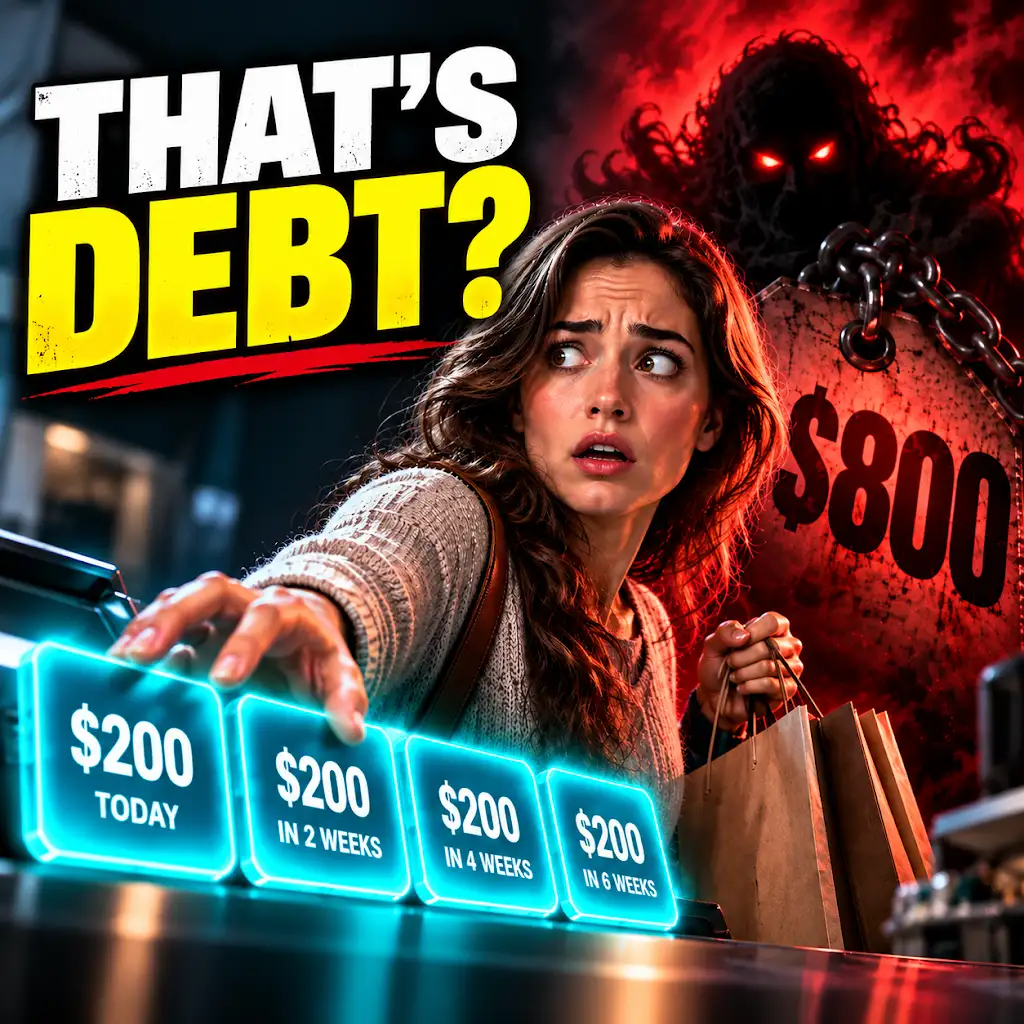
Why $800 Doesn’t Feel Like $800 Anymore
FAQs

What is the buy now pay later documentary about?
The buy now pay later documentary explores the rise of the buy now pay later industry, its impact on consumers, and the potential risks associated with using these services.
Who is featured in the buy now pay later documentary?
The documentary features interviews with industry experts, financial advisors, consumers who have used buy now pay later services, and representatives from buy now pay later companies.
What are some of the key takeaways from the buy now pay later documentary?
Some key takeaways from the documentary include the convenience of buy now pay later services, the potential for overspending and accumulating debt, and the importance of understanding the terms and conditions before using these services.
Where can I watch the buy now pay later documentary?
The buy now pay later documentary may be available for streaming on certain platforms or through specific networks. Check with your local television listings or online streaming services for availability.
How can I learn more about buy now pay later services after watching the documentary?
After watching the documentary, you can research more about buy now pay later services by visiting the websites of buy now pay later companies, reading articles from financial experts, and consulting with a financial advisor for personalized advice.