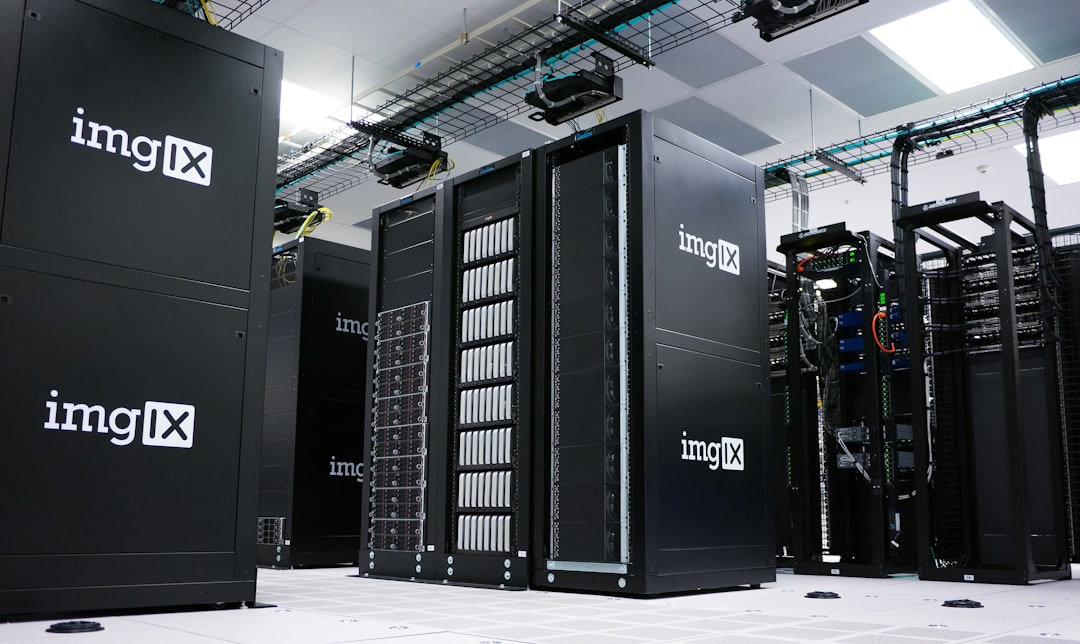
You see the sleek devices in your hands, the seamless interfaces on your screens, the endless streams of information at your fingertips. But behind that effortless digital experience lies a colossal, often hidden, infrastructure: the data centers of Big Tech. These behemoths, humming with the tireless processing power that fuels your online life, are also generating a silent but staggering bill – an electric bill that’s far more shocking than you might imagine.
You might think of your own electricity usage in terms of lighting your home, running your appliances, or perhaps charging your phone. These are tangible, relatable expenses. But Big Tech’s data centers operate on a scale that dwarfs individual consumption. They are the digital powerhouses of our age, and their insatiable thirst for electricity is having a profound impact, both economically and environmentally. It’s a reality that often escapes public consciousness, overshadowed by the dazzling innovations and convenience these companies provide. Yet, understanding this unseen consumption is crucial to grasping the true cost of our digital world.
The Engines of the Digital Universe: What Data Centers Actually Do
You interact with data centers every single second of your online existence, even if you don’t realize it. When you send an email, stream a video, store a photo in the cloud, or perform a complex search, you are engaging with the massive computational resources housed within these facilities. They are not just warehouses for servers; they are sophisticated, highly engineered environments designed for relentless operation.
Storing and Processing Your Digital Footprint
Every byte of data you create, from your social media posts to your online banking transactions, needs to be stored, processed, and made accessible. This is the fundamental role of a data center. Imagine billions of users generating data simultaneously. To handle this volume, data centers require vast arrays of hard drives, solid-state drives, and other storage media. But storage is only half the story.
The Constant Compute Cycle
Beyond simply storing information, data centers are constantly working to process it. When you upload a photo, algorithms analyze it for facial recognition or content moderation. When you stream a video, servers are actively decoding and delivering the stream to your device in real-time. Machine learning models, the brains behind many of today’s advanced AI applications, require immense processing power to train and operate. This continuous cycle of reading, writing, and processing data is incredibly energy-intensive.
Network Hubs of Global Connectivity
Data centers are not isolated islands. They are intricately connected to each other and to the global internet infrastructure through high-speed networks. This network traffic itself requires significant power to operate routers, switches, and fiber optic transmission equipment. The sheer volume of data flowing between these data centers, and between data centers and end-users, contributes substantially to their overall energy demands.
As the demand for cloud services continues to rise, Big Tech companies are increasingly scrutinized for their energy consumption and the subsequent impact on electric bills. A related article discusses how these data centers are not only pivotal in supporting global digital infrastructure but also face challenges in managing their energy costs effectively. For more insights on this topic, you can read the full article here: How Wealth Grows.
The Scale of the Problem: Beyond a Few Blinking Lights
The term “data center” might conjure images of dimly lit rooms filled with humming server racks. While that’s part of the picture, the scale of operations for Big Tech is what truly drives the colossal energy consumption. These are not just large buildings; they are often sprawling complexes, purpose-built to house tens of thousands, even hundreds of thousands, of servers.
The Exponential Growth of Digital Demand
The digital world is not static; it’s in a perpetual state of exponential growth. Every new app, every new service, every new connected device – from smart refrigerators to autonomous vehicles – adds to the demand for data processing and storage. This relentless increase in digital activity directly translates into a proportional increase in the energy required by data centers.
The Rise of Cloud Computing
The widespread adoption of cloud computing by businesses and individuals alike has been a major driver of data center expansion. Instead of maintaining their own on-premises servers, companies are increasingly outsourcing their IT infrastructure to cloud providers like Amazon Web Services (AWS), Microsoft Azure, and Google Cloud. This consolidation of computing power into massive data centers, while offering economies of scale, concentrates the energy demand into fewer, but much larger, facilities.
The AI Revolution’s Energy Appetite
Perhaps the most significant recent driver of energy consumption is the burgeoning field of artificial intelligence. Training sophisticated AI models, especially large language models like the one you are interacting with, requires an astronomical amount of computational power. These training processes can take weeks or even months on massive clusters of specialized processors called GPUs (Graphics Processing Units), consuming vast quantities of electricity. Running these AI models in production, to provide services like AI-powered search or content generation, also demands substantial and ongoing energy.
The Sheer Physical Footprint
The physical size of these data centers is staggering. Some facilities span millions of square feet, housing countless rows of server racks. Each rack contains dozens or even hundreds of powerful computers, all running concurrently. The aggregate power drawn by these machines, coupled with the energy needed to keep them cool and operational, amounts to an immense electricity bill.
The Unseen Costs: More Than Just Dollars and Cents
The “shocking electric bills” of Big Tech data centers translate into more than just large financial expenditures for these companies. They represent significant environmental and societal costs that are often overlooked in the dazzling narrative of technological progress.
Financial Burden on Tech Giants
While Big Tech companies are among the wealthiest on the planet, their electricity bills are still substantial. These costs directly impact their operating expenses and, by extension, their profitability. For these companies, energy procurement is a critical strategic consideration, influencing where they build new facilities and how they manage their energy usage.
Energy Procurement Strategies
To mitigate the financial impact of their energy consumption, Big Tech companies engage in sophisticated energy procurement strategies. This often involves negotiating long-term power purchase agreements (PPAs) with energy providers, and increasingly, investing in renewable energy sources. However, the sheer volume of energy required means that even with these strategies, the financial outlay remains enormous.
The Economics of Efficiency
There’s a strong economic incentive for these companies to improve the energy efficiency of their data centers. Every kilowatt-hour saved is a direct reduction in their operating costs. This drives innovation in cooling technologies, server design, and overall data center management.
Environmental Impact: A Growing Concern
The environmental footprint of data centers is a major concern. The electricity they consume often comes from fossil fuel sources, contributing to greenhouse gas emissions and climate change. The sheer scale of this consumption means that even a small percentage of fossil fuel reliance can have a significant impact.
Carbon Footprint of Data Centers
The carbon footprint of data centers is directly linked to the energy mix of the grids on which they are located. In regions where electricity is predominantly generated from coal or natural gas, the environmental impact is considerably higher. As data centers expand, so does the demand for electricity, putting pressure on existing power grids and potentially necessitating the construction of new, and potentially polluting, power plants.
Water Consumption for Cooling
Beyond electricity, data centers also consume vast amounts of water, primarily for cooling systems. Many advanced cooling techniques rely on evaporative cooling towers, which can be incredibly water-intensive. In water-scarce regions, this can exacerbate existing environmental challenges.
Powering the Future: The Quest for Sustainable Solutions
Recognizing the growing energy demands and environmental concerns, Big Tech companies are increasingly investing in and advocating for sustainable energy solutions. This shift is driven by a combination of corporate social responsibility, regulatory pressure, and the economic realities of energy costs.
The Renewable Energy Revolution
The most prominent trend is the significant investment in renewable energy sources, particularly solar and wind power. Many of these companies have set ambitious goals to power their operations with 100% renewable energy.
Power Purchase Agreements (PPAs) for Renewables
A key strategy is the execution of long-term Power Purchase Agreements (PPAs) with renewable energy developers. These agreements essentially guarantee a buyer for the electricity generated by a solar or wind farm, providing the financial certainty needed for these projects to be built. This has been a major catalyst for the growth of renewable energy capacity globally.
Direct Investment in Renewable Projects
Beyond PPAs, some tech giants are also directly investing in the development of renewable energy projects, further accelerating the transition away from fossil fuels. This can involve building their own solar farms or wind turbines to directly power their data centers.
Innovations in Data Center Efficiency
Alongside the shift to renewables, there’s a relentless pursuit of greater energy efficiency within the data centers themselves. Innovations in hardware, software, and facility design are all contributing to reducing the overall energy required for computing.
Advanced Cooling Technologies
Traditional air cooling is energy-intensive. New methods, such as liquid cooling (where servers are immersed in or directly cooled by a fluid), are becoming increasingly prevalent. These technologies can significantly reduce the energy needed for cooling, as well as improve the performance of the hardware.
Server and Hardware Optimization
Manufacturers are constantly developing more energy-efficient processors and server designs. Furthermore, sophisticated software is used to optimize server utilization, ensuring that hardware is only powered up when it’s actively needed, reducing idle energy consumption.
Utilizing Waste Heat
Some innovative data center designs are exploring ways to capture and reuse the waste heat generated by the servers. This captured heat can be used for local heating, industrial processes, or even to warm nearby buildings, turning a byproduct of computation into a valuable resource.
As the demand for digital services continues to rise, Big Tech companies are increasingly scrutinized for their energy consumption and the resulting electric bills associated with their massive data centers. A recent article explores the financial implications of these energy demands and how they impact both the companies and consumers. For a deeper understanding of the economic factors at play, you can read more about it in this insightful piece on wealth management and energy costs at How Wealth Grows.
The Looming Challenge: Balancing Growth and Sustainability
Despite the significant strides being made, the challenge of balancing the exponential growth of digital demand with the need for sustainable energy consumption remains a formidable one. The allure of increasingly powerful AI and ever-expanding digital services means that the energy demands of data centers are unlikely to diminish in the near future.
The Ever-Increasing Demand for AI
As mentioned earlier, artificial intelligence is a particularly energy-hungry field. The development and deployment of more sophisticated AI models will continue to place immense pressure on data center energy resources. The computational power required for AI training and inference is orders of magnitude higher than for traditional computing tasks.
The Ethics of AI’s Energy Consumption
This raises ethical questions about the sustainability of our pursuit of ever-more-powerful AI. Is the societal benefit of advanced AI worth the substantial energy expenditure required to create and maintain it? This is a debate that needs to be at the forefront as AI continues to evolve.
The Role of Policy and Regulation
Governments and regulatory bodies have a crucial role to play in shaping the future of data center energy consumption. Policies that incentivize renewable energy adoption, promote energy efficiency standards, and encourage responsible water usage are essential.
Government Incentives for Renewables
Providing financial incentives for renewable energy projects, such as tax credits and subsidies, can accelerate their deployment and make them more economically competitive with traditional energy sources.
Data Center Energy Efficiency Standards
Establishing and enforcing energy efficiency standards for data centers can push companies to adopt best practices and invest in more sustainable technologies. This could involve setting benchmarks for power usage effectiveness (PUE), a common metric for data center energy efficiency.
Your Role in the Digital Ecosystem
Ultimately, you are a part of this digital ecosystem. Your consumption patterns, the services you use, and the technologies you embrace all contribute to the demand that data centers must meet. While the direct impact of your individual actions might seem small, collective awareness and informed choices can drive change.
Making Conscious Digital Choices
Consider the energy footprint of the services you use. Opt for streaming services that offer energy-efficient playback options, be mindful of the amount of data you store and transmit, and consider the energy consumption of your devices.
Advocating for Sustainability
Support companies that are transparent about their energy usage and are demonstrably committed to sustainability. Engage in discussions about the environmental impact of technology and advocate for policies that promote a more sustainable digital future. The shocking electric bills of Big Tech’s data centers are a stark reminder that every innovation has a cost, and understanding that cost is the first step towards building a more responsible and sustainable digital world for everyone.

Is AI About to Make Your Electric Bill Even Higher?
FAQs

What are Big Tech data centers?
Big Tech data centers are large facilities that house computer systems and associated components, such as telecommunications and storage systems. These centers are used to store, process, and distribute large amounts of data for companies like Google, Amazon, and Facebook.
How do Big Tech data centers impact electric bills?
Big Tech data centers consume a significant amount of electricity to power and cool their servers. This high energy usage can lead to substantial electric bills for the companies that operate these data centers.
What are the environmental implications of Big Tech data centers?
The high energy consumption of Big Tech data centers can contribute to environmental concerns, including increased carbon emissions and strain on local power grids. Efforts are being made to improve the energy efficiency and sustainability of these data centers.
How are Big Tech companies addressing the energy usage of their data centers?
Big Tech companies are investing in renewable energy sources, such as solar and wind power, to offset the energy consumption of their data centers. They are also implementing energy-efficient technologies and exploring innovative cooling solutions to reduce their environmental impact.
What are the economic benefits of Big Tech data centers for local communities?
Big Tech data centers can bring economic benefits to local communities through job creation, infrastructure investment, and tax revenue. However, there can also be concerns about the strain on local resources and potential impacts on property values.