
The late 20th century and early 21st century witnessed a seismic shift in the retail landscape, a period characterized by the rise of behemoths and the struggles of established players. Among the most captivating of these dramas was the fierce rivalry between Toys R Us, the undisputed king of toy retail, and Walmart, the burgeoning colossus of general merchandise. This was not merely a competition for shelf space and consumer dollars; it was a clash of business models, a battle for the very definition of a shopping experience, and ultimately, a tale of adaptation and obsolescence.
A Childhood Dream Realized: The Genesis of Toys R Us
Toys R Us, born from the vision of Charles Lazarus, wasn’t just a store; it was a destination. Lazarus, recognizing a gap in the market for a dedicated toy retailer, envisioned a place where children’s imaginations could run wild, surrounded by an unparalleled selection of playthings. The concept of a “supermarket for toys” was revolutionary. Unlike department stores where toys were often an afterthought, Toys R Us dedicated its vast floor space exclusively to them. This singular focus allowed for an extensive inventory, a dizzying array of brands, and a tangible sense of wonder for young shoppers and their parents. Early on, Toys R Us understood the power of visual merchandising, creating colorful, engaging environments that amplified the excitement of toy shopping. The iconic Geoffrey the Giraffe mascot became a beloved figure, synonymous with childhood joy and the promise of fulfilling every toy wish.
The Power of Choice: Unrivaled Selection and the Toy Store Experience
The core strength of Toys R Us lay in its sheer breadth of product. From the latest action figures and dolls to educational games and outdoor toys, it offered a comprehensive catalog that no other retailer could match. This selection was meticulously curated, featuring established brands like Mattel and Hasbro alongside niche and emerging toy lines. For parents, it was a one-stop shop for all their children’s birthday and holiday needs, saving them the hassle of visiting multiple stores.
Beyond the products, the experience itself was a significant draw. The cavernous stores, often located in suburban power centers, provided a sense of occasion. Children would eagerly navigate the aisles, their eyes wide with anticipation, pointing out their desired treasures. The sheer volume of toys on display created an atmosphere of abundance and possibility. This was the antithesis of the sterile, utilitarian shopping of other general merchandisers. Toys R Us cultivated a sense of fun and discovery, making shopping for toys an event in itself.
Early Dominance and the Dawn of a New Era
In its heyday, Toys R Us enjoyed a near-monopoly in the toy market. Its brand recognition was sky-high, and its market share was formidable. It was the undisputed king, the place where dreams were made and where holiday wish lists began. However, as the 1990s progressed and the 21st century dawned, the retail landscape began to shift dramatically. New forces emerged, armed with different strategies and a keen understanding of evolving consumer behavior. The seeds of change, while not immediately apparent, were being sown, and the titan of toys would soon find itself facing an unprecedented challenge.
The ongoing competition between Toys “R” Us and Walmart has been a significant topic in the retail industry, highlighting the challenges faced by traditional toy retailers in an era dominated by big-box stores. For a deeper understanding of the dynamics at play in this retail battle, you can explore a related article that discusses the strategies employed by both companies and the impact on the toy market. Check it out here: How Wealth Grows.
The Rise of the Everything Store
From Discount Grocer to Retail Juggernaut: Walmart’s Strategic Evolution
Walmart’s journey from a humble discount grocery store to a global retail superpower is a testament to relentless innovation and a keen understanding of the mass market. Sam Walton’s initial vision was simple: offer low prices every day. This “Everyday Low Price” (EDLP) strategy resonated with consumers, particularly in rural and suburban America, where value was paramount. Walmart’s expansion was swift and strategic. It systematically penetrated markets, often with a focus on underserved communities, and its sheer scale allowed for unparalleled purchasing power.
The company’s operational efficiency was a marvel. From its sophisticated logistics and supply chain management to its use of technology for inventory control, Walmart honed its ability to deliver products at incredibly low costs. This efficiency translated directly into its pricing, making it the go-to destination for a wide range of essential goods.
The “One-Stop Shop” Phenomenon: Convenience and Value
While Toys R Us specialized in toys, Walmart offered everything else. Groceries, electronics, apparel, home goods, and yes, toys, all found a home under one roof. This “one-stop shop” philosophy became a powerful draw for busy families. The convenience of being able to purchase everything needed for a household, from milk and bread to a new television and a birthday gift, was a significant advantage.
Walmart’s strategy was to attract customers with its core offerings, like groceries and everyday necessities, and then upsell them on other products. The toy department, while not the exclusive focus, was a significant component of this strategy. By offering a curated selection of popular toys at aggressively low prices, Walmart could capture a substantial portion of the toy market without the overhead and specialized expertise of a dedicated toy retailer.
Price Wars and Market Share Erosion
The EDLP strategy that fueled Walmart’s rise also became a weapon against its competitors. Walmart’s ability to negotiate lower prices from manufacturers due to its massive order volumes allowed it to undercut competitors on price, even on products where it wasn’t the primary seller. For Toys R Us, this presented a growing dilemma. Its business model was built on a wide selection and the experience of toy shopping, but Walmart could offer many of the same popular toys at prices that were difficult to match. The constant pressure of Walmart’s pricing strategies began to chip away at Toys R Us’s market share, forcing it into a reactive position.
The Battleground: Toys and Price
The Price-Conscious Consumer: Shifting Priorities
As the 21st century dawned, the American consumer landscape was evolving. While parents still wanted to delight their children, economic realities and changing shopping habits began to prioritize price and convenience. The internet was also beginning to emerge as a new shopping channel, offering price comparisons and the allure of deep discounts, further intensifying the pressure on traditional brick-and-mortar retailers. For many families, the difference in price for a popular toy at Walmart compared to Toys R Us became a deciding factor, especially when they were already in Walmart for other household needs.
“Walmartization” of Toy Sales: Every Popular Toy, Every Day
Walmart’s strategy was not to replicate the extensive and specialized toy store experience of Toys R Us. Instead, it focused on stocking the most popular, high-demand toys, the ones that appeared on every child’s wish list. These were the blockbuster items, the ones that generated significant buzz and parental urgency. By ensuring these key products were always available at rock-bottom prices, Walmart effectively captured the impulse buys and the essential holiday purchases. This “Walmartization” of toy sales meant that for many consumers, the need to visit a dedicated toy store diminished.
The Impact of Exclusive Deals and Bundles
In its efforts to compete, Walmart also began to leverage its buying power to secure exclusive deals and special bundles for popular toys. These offerings were often not available anywhere else, further incentivizing shoppers to purchase their toy needs at Walmart. While Toys R Us might have had a wider selection overall, these exclusive items at Walmart could be a powerful draw, particularly during peak shopping seasons. This created a constant pressure on Toys R Us to either match prices on these exclusive items or to differentiate itself through other means.
The Struggle for Relevance: Adaptation and Its Limits
Experiential Retail: The Toys R Us Response
Recognizing the threat, Toys R Us made various attempts to adapt and reclaim its dominance. One of the most significant was its focus on enhancing the in-store experience. This included efforts to make stores more engaging and interactive, with dedicated play areas, character appearances, and demonstrations of popular toys. The goal was to recreate the magic and wonder that had once been its hallmark, to offer something that Walmart, with its more utilitarian approach, couldn’t easily replicate.
However, these efforts, while well-intentioned, often struggled to keep pace with the evolving expectations of consumers and the relentless efficiency of its competitors. The cost of maintaining these elaborate in-store experiences also added to its overhead, making it harder to compete on price.
The Online Challenge: A Late and Uneven Entry
The rise of e-commerce presented another formidable challenge. As consumers increasingly turned to the internet for convenience and competitive pricing, Toys R Us was a latecomer to the online game. Its initial e-commerce efforts were often clunky and struggled to compete with the established online retailers like Amazon and even Walmart’s own robust online presence. The infrastructure and expertise required for a successful online retail operation were significant, and Toys R Us’s delays in fully embracing this channel proved to be a critical misstep.
Shifting Consumer Habits: The Decline of the Toy Specialist
Ultimately, the battle was not just about price or selection; it was about evolving consumer habits. The demographic of toy buyers was also changing. As children grew up with access to a wider array of entertainment options, including video games and digital media, the traditional toy market faced new pressures. Furthermore, the convenience of online shopping and the desire for one-stop shopping at general merchandisers like Walmart meant that the dedicated toy store, once a beloved institution, began to lose its essential appeal for a growing segment of the population.
The ongoing rivalry between Toys R Us and Walmart has sparked significant interest among consumers and industry analysts alike. This competition highlights the shifting landscape of retail, particularly in how traditional toy stores are adapting to the dominance of big-box retailers. For a deeper understanding of the implications of this rivalry, you can explore a related article that discusses the challenges faced by Toys R Us in the face of Walmart’s expansive reach and pricing strategies. Check it out here to gain more insights into this fascinating retail battle.
The Inevitable Conclusion
| Metric | Toys “R” Us | Walmart |
|---|---|---|
| Number of Stores (US) | Approx. 800 (before 2018 bankruptcy) | Approx. 4,700 |
| Annual Revenue | Approx. 11 billion (pre-bankruptcy) | Over 500 billion |
| Product Range | Specialized in toys and baby products | General merchandise including toys, groceries, electronics |
| Online Presence | Re-launched online store post-bankruptcy | Strong e-commerce platform with wide product selection |
| Market Position | Specialty toy retailer | Largest general retailer in the US |
| Customer Base | Primarily families and toy enthusiasts | Broad demographic including families, individuals, businesses |
The Financial Strain: Mounting Debt and Declining Sales
The intense competition, coupled with the increasing costs of operation and the failure to fully adapt to changing retail landscapes, placed immense financial strain on Toys R Us. Declining sales and market share made it difficult to service its substantial debt, often exacerbated by private equity buyouts that loaded the company with even more leverage. The need to invest in technology, e-commerce, and store renovations to compete with Walmart and emerging online threats further squeezed its finances.
The Retail Apocalypse and the Fall of a Giant
The early 21st century witnessed a broader “retail apocalypse,” a period where numerous established brick-and-mortar retailers struggled and eventually closed their doors. Toys R Us became a prominent victim of this trend. Despite its iconic status and the fond memories it held for generations, the company’s inability to effectively navigate the trifecta of intense price competition from Walmart, the disruptive force of e-commerce, and the fundamental shifts in consumer behavior proved insurmountable.
The Legacy of the Battle: Lessons Learned
The story of Toys R Us vs. Walmart serves as a potent case study in retail strategy and the importance of adaptability. It highlights the dangers of relying solely on a niche market in the face of powerful generalists. It underscores the necessity of embracing technological change, particularly e-commerce, and the imperative to understand and cater to evolving consumer preferences. While Walmart continued its relentless expansion, the fall of Toys R Us stands as a stark reminder that even the most beloved and dominant brands are not immune to the forces of market evolution and the relentless pursuit of value and convenience by their competitors. The echo of Geoffrey the Giraffe’s mournful farewell continues to resonate in the annals of retail history, a testament to a battle fought and lost in the ever-changing landscape of commerce.
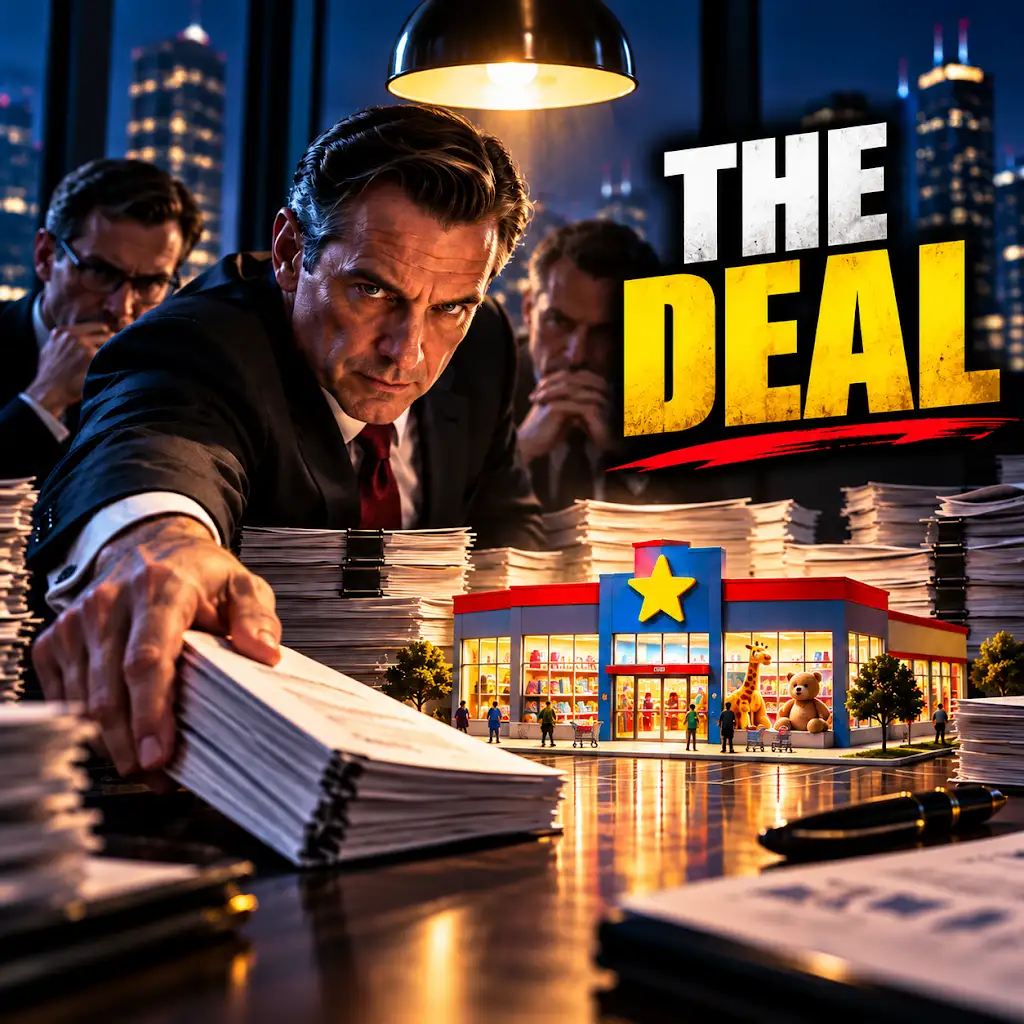
The $6.6 Billion Deal That Left Toys “R” Us Trapped
FAQs
1. What are the differences between Toys R Us and Walmart in terms of their product offerings?
Toys R Us specializes in selling toys, games, and children’s products, while Walmart offers a wider range of products including groceries, household items, electronics, and clothing in addition to toys.
2. How do Toys R Us and Walmart compare in terms of pricing?
Walmart is known for its competitive pricing strategy and often offers lower prices on toys compared to Toys R Us. Toys R Us, on the other hand, may have a larger selection of specialty toys and brands that come with a higher price tag.
3. Which retailer has a larger physical presence – Toys R Us or Walmart?
Walmart has a significantly larger physical presence with thousands of stores across the United States and globally. Toys R Us, on the other hand, has a smaller number of stores, especially after filing for bankruptcy in 2017.
4. How do the online shopping experiences of Toys R Us and Walmart differ?
Walmart has a well-established online platform that offers a wide range of products for online purchase and in-store pickup. Toys R Us also has an online presence, but it may not be as extensive or user-friendly as Walmart’s online shopping experience.
5. Are there any specific advantages of shopping at Toys R Us over Walmart, or vice versa?
Toys R Us may offer a more specialized selection of toys and games, making it a preferred destination for those looking for specific brands or unique items. On the other hand, Walmart’s diverse product range and competitive pricing make it a convenient one-stop shop for a variety of needs beyond just toys.