
Your First Step Towards Financial Freedom: Understanding Your Bank Account
You’re ready to take control of your money. That’s a huge and exciting step! And where better to start than with the absolute cornerstone of personal finance: your bank account. Think of it as your financial home base, the place where your hard-earned cash resides, and the gateway to all your future financial endeavors. For beginners, the world of banking might seem a little daunting, filled with jargon and procedures that feel unfamiliar. But fear not! This guide is designed specifically for you, breaking down bank account basics into easy-to-understand steps. We’ll walk you through everything you need to know to confidently open, manage, and utilize your first bank account, setting you on a solid path towards financial literacy and empowerment.
Understanding the basics of bank accounts is a crucial aspect of financial literacy, as it lays the foundation for effective money management. For those looking to deepen their knowledge in this area, a related article can be found at How Wealth Grows, which provides valuable insights into various financial concepts and practices. This resource can help individuals make informed decisions about their banking options and overall financial health.
Opening Your Doors to Banking: Choosing the Right Account and Institution
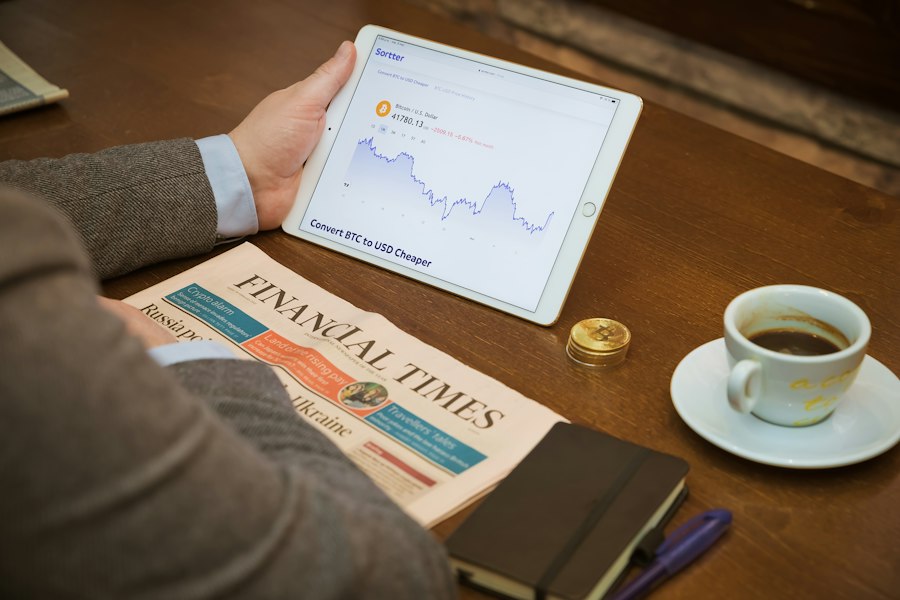
The first hurdle in your banking journey is selecting the right kind of account and the financial institution that best suits your needs. It might seem like a simple choice, but the options available can feel overwhelming. Let’s demystify this process and help you make an informed decision.
## Understanding the Types of Bank Accounts Available
When you walk into a bank or explore their online offerings, you’ll encounter a few primary types of accounts. Each serves a different purpose, and understanding these differences is crucial for making the best choice for your financial goals.
## Checking Accounts: Your Everyday Spending Hub
Checking accounts are designed for frequent transactions. This is where you’ll deposit your paycheck, pay your bills, and make everyday purchases. They offer easy access to your money through debit cards, checks, and online transfers. Most checking accounts come with a debit card, which is essentially a plastic key to your funds. You can use it at ATMs to withdraw cash or at point-of-sale terminals in stores and online to make purchases. The money is deducted directly from your checking account. Checks, though less common for everyday use these days, are still a valid way to make payments, especially for larger sums or when a specific payment method is required. Online banking and mobile apps have revolutionized how you interact with your checking account. You can often check your balance, transfer funds, pay bills, and even deposit checks remotely, all from your smartphone or computer. This convenience is a major advantage of modern checking accounts.
## Savings Accounts: Where Your Money Grows
Savings accounts are designed for storing money you don’t need for immediate expenses. They offer a place to set aside funds for future goals, emergencies, or simply to build a financial cushion. The primary benefit of a savings account is that it typically earns interest. While the interest rates on most savings accounts are relatively modest, especially compared to investments, they still provide a small return on your money over time. This is your money working for you, even if it’s just a little. Savings accounts are generally less accessible than checking accounts. There may be limits on the number of withdrawals you can make per month without incurring fees. This is intentional; it encourages you to save rather than spend. The security of a savings account is also a significant advantage. Your deposits are typically insured by the Federal Deposit Insurance Corporation (FDIC) in the United States (or equivalent in other countries), meaning your money is protected up to a certain limit even if the bank fails.
## Other Account Options to Consider Later
As you become more comfortable with banking, you might encounter other account types. Money market accounts are similar to savings accounts but may offer slightly higher interest rates in exchange for potentially higher minimum balance requirements. Certificates of Deposit (CDs) are accounts where you agree to leave your money untouched for a fixed period (e.g., six months, one year, five years) in exchange for a guaranteed, often higher, interest rate. These are great for saving for a specific future expense when you know you won’t need access to the funds. For now, focusing on checking and savings accounts will provide you with the fundamental tools you need.
## Choosing Your Banking Partner: Banks vs. Credit Unions
Once you understand the types of accounts, the next step is deciding where to open them. You have two main options: traditional banks and credit unions.
## Traditional Banks: The Familiar Giants
Traditional banks, both large national institutions and smaller local ones, are familiar entities. They offer a wide range of services, extensive branch networks, and advanced online and mobile banking platforms. Their reach is vast, making them accessible to many people. When you choose a large bank, you often benefit from cutting-edge technology, a comprehensive suite of financial products, and a strong brand reputation. However, they might have higher fees and less personalized customer service compared to smaller institutions. It’s important to research the specific fees associated with their checking and savings accounts, such as monthly maintenance fees, ATM fees, and overdraft fees.
## Credit Unions: Member-Owned Cooperatives
Credit unions are non-profit financial cooperatives owned by their members. This means that instead of shareholders, the members are the owners. Any profits are returned to members in the form of lower fees, better interest rates on savings and loans, and improved services. Credit unions often offer a more community-focused and personalized banking experience. Their fees are generally lower than those of traditional banks, and they tend to offer more competitive interest rates on savings accounts and loans. The downside is that their branch networks might be smaller, and their technology may not always be as cutting-edge as the largest national banks. To join a credit union, you typically need to meet certain membership eligibility requirements, which are often related to your employer, geographic location, or membership in a specific organization.
## Researching and Comparing Your Options
Don’t just pick the first bank or credit union you see. Take the time to compare. Look at:
- Fees: What are the monthly maintenance fees? Are there ways to waive them (e.g., maintaining a minimum balance, direct deposit)? What about ATM fees, overdraft fees, and foreign transaction fees?
- Interest Rates: Compare the Annual Percentage Yield (APY) for savings accounts and money market accounts. Even a small difference can add up over time.
- Minimum Balance Requirements: Some accounts require you to keep a certain amount of money in them to avoid fees or earn interest.
- Convenience: Does the institution have branches or ATMs conveniently located for you? How robust is their online and mobile banking platform?
- Customer Service: Read reviews or ask friends and family about their experiences. Good customer service can be invaluable when you have a problem.
Setting Up Your Financial Foundation: The Account Opening Process
You’ve chosen your financial institution and the type of account that best fits your initial needs. Now comes the practical part: opening the account. This process is designed to be straightforward, but it’s good to know what to expect and what you’ll need.
## Essential Documents for Account Opening
When you go to open an account, whether in person or online, you’ll need to provide proof of your identity and address. This is standard procedure for all financial institutions to comply with regulations and prevent fraud.
- Proof of Identity: You’ll need a government-issued photo ID. This is typically a driver’s license, state-issued ID card, or a passport. Ensure that the name on your ID exactly matches the name you provide for the account.
- Proof of Address: You’ll need to show a document that proves where you live. This could be a utility bill (electricity, gas, water) with your name and address on it, a lease agreement, or a recent bank statement from another institution. The address on this document should match your current residential address.
- Social Security Number (SSN) or Individual Taxpayer Identification Number (ITIN): This is a requirement for tax reporting purposes. Banks need to report any interest earned on your accounts to the IRS.
- Initial Deposit: Most accounts require a minimum initial deposit to be opened. This amount can vary significantly from institution to institution and from account type to account type. Some accounts may have a $0 minimum, while others might require $25, $50, or even more.
## Navigating the Application: Online vs. In-Person
The process of opening an account can be done in two primary ways: online or by visiting a physical branch. Both have their advantages.
## The Digital Approach: Opening an Account Online
Opening an account online is increasingly popular due to its speed and convenience. You can do it from the comfort of your home, at any time. The process typically involves filling out an online application, uploading or providing digital copies of your identification documents, and making your initial deposit electronically. Many institutions use secure portals to protect your information during this process. You’ll likely be asked to create a username and password for your online banking access. The initial deposit can often be made via an electronic transfer from another bank account, a debit card, or sometimes even a mailed check. The advantage is speed; you can often complete the entire process in minutes.
## The Personal Touch: Opening an Account In-Person
Visiting a branch allows for a more personal interaction. A banker can guide you through the application process, answer any questions you have on the spot, and help you understand the nuances of the account you’re opening. This can be particularly helpful for beginners who may feel more comfortable having a human explain things face-to-face. You’ll present your required documents to the banker, who will assist you in filling out the necessary forms. They will also guide you through making your initial deposit. The benefit here is the direct support and the ability to build a relationship with a banking professional.
## Understanding Account Agreements and Disclosures
Before you finalize anything, you’ll be presented with important documents. Don’t gloss over these!
- Account Agreement/Terms and Conditions: This document outlines the rules and regulations of your account. It covers things like fees, transaction limits, your responsibilities as an account holder, and the bank’s responsibilities.
- Truth in Savings Disclosure: This document is legally required and details the interest rate (APY), how interest is calculated, and any fees that could affect your balance. It’s crucial for understanding how your savings account will perform.
- Privacy Policy: This explains how the bank collects, uses, and protects your personal information.
Take your time to read these documents, or at least skim them for key information about fees and your rights. If anything is unclear, ask the banker or customer service representative for clarification.
Mastering the Day-to-Day: Managing Your Bank Account Effectively
Opening the account is just the beginning. The real power comes from understanding how to manage it effectively. This involves keeping track of your money, making smart transactions, and protecting your account from potential issues.
## Keeping Tabs on Your Funds: Monitoring Your Balance
One of the most critical habits you can develop is regularly monitoring your bank account balance. This prevents you from overspending and incurring unnecessary fees.
## The Importance of Real-Time Tracking
Knowing your current balance at all times is like having a clear view of your financial landscape. It allows you to make informed decisions about whether you can afford a purchase, pay a bill on time, or transfer funds. Ignoring your balance can lead to a nasty surprise when you try to make a purchase and your card is declined, or worse, when you discover you’ve been charged overdraft fees.
## Tools for Monitoring: Online Banking and Mobile Apps
Your bank’s online portal and mobile app are your best friends for balance monitoring. You can log in at any time to see your current available balance, pending transactions, and your transaction history. Many apps also offer features like setting up balance alerts, which can notify you via text or email when your balance falls below a certain threshold or reaches a specific amount. Make it a habit to check your balance at least a few times a week, or even daily if you’re actively managing your budget.
## Making and Receiving Money: Transactions Explained
Understanding how to deposit funds and make payments is fundamental to using your bank account.
## Depositing Funds: Getting Your Money In
There are several ways to get money into your account.
- Direct Deposit: This is the most convenient method for receiving your salary or wages. You provide your employer with your bank account number and routing number, and they automatically deposit your pay into your account on payday. Many government benefits and other recurring payments can also be set up for direct deposit.
- Mobile Check Deposit: Most banking apps now allow you to deposit checks by taking photos of the front and back of the endorsed check through your smartphone. Ensure you endorse the check correctly (sign it and write “For Mobile Deposit Only” if required) and follow the app’s instructions carefully.
- ATM Deposits: You can deposit cash or checks at most ATMs. Follow the on-screen prompts. Some ATMs have special envelopes for deposits, while others allow you to insert cash or checks directly.
- In-Person Deposits: You can always visit a bank branch to deposit cash or checks with a teller.
## Making Payments: Spending Your Money Wisely
There are various ways to spend the money in your account:
- Debit Card Purchases: As mentioned earlier, your debit card is a direct link to your checking account. When you use it, the funds are immediately deducted. Keep a close eye on your balance to avoid overdrafts.
- Writing Checks: If you still use checks, ensure you have sufficient funds in your account before writing one. Always record the check number, payee, and amount in your check register or personal finance app to keep track of your spending.
- Online Bill Pay: Most banks offer an online bill pay service. You can set up payees, enter payment amounts, and schedule payments to be made on specific dates. This is a great way to ensure your bills are paid on time and avoid late fees.
- Electronic Transfers: You can transfer money between your own accounts at different banks, or send money to others using services like Zelle, Venmo, or PayPal, often linked to your bank account.
## Staying Safe: Protecting Your Account and Information
Security is paramount when it comes to your money. Implementing good security practices will help you avoid fraud and identity theft.
## Safeguarding Your Debit Card and PIN
Your debit card and Personal Identification Number (PIN) are the keys to accessing your cash. Treat them with care.
- Memorize your PIN: Never write your PIN down on your debit card or keep it in your wallet where it could be easily found if your card is lost or stolen.
- Be discreet when entering your PIN: Shield the keypad with your hand when entering your PIN at ATMs or point-of-sale terminals.
- Report lost or stolen cards immediately: If you lose your debit card or suspect it has been stolen, contact your bank immediately to deactivate it. Most banks have 24/7 customer service lines for this purpose. Prompt reporting can limit your liability for unauthorized transactions.
## Online Banking Security Practices
Your online banking access is another critical point of security.
- Strong Passwords: Create strong, unique passwords for your online banking accounts. Avoid using easily guessable information like your name, birthday, or common words. Use a combination of uppercase and lowercase letters, numbers, and symbols.
- Two-Factor Authentication (2FA): If your bank offers two-factor authentication, enable it. This adds an extra layer of security, usually requiring a code sent to your phone or generated by an app in addition to your password.
- Beware of Phishing Scams: Be extremely cautious of unsolicited emails, texts, or phone calls asking for your banking information. Banks will generally not ask for your account number, password, or PIN via these channels. If you receive a suspicious request, contact your bank directly using a phone number you know is legitimate, not one provided in the suspicious communication.
- Secure Networks: Only access your online banking from secure, trusted Wi-Fi networks. Avoid using public Wi-Fi for sensitive financial transactions.
## Understanding Overdrafts and Fees
Overdrafts occur when you spend more money than you have in your checking account. This can lead to costly fees.
- Overdraft Protection: Some banks offer overdraft protection services. This can link your checking account to a savings account or a line of credit, automatically transferring funds to cover the overdraft. While this prevents your transaction from being declined, it may still incur a fee.
- Overdraft Fees: If you don’t have overdraft protection or if the overdraft exceeds the available protection, the bank may cover the transaction and charge you a substantial overdraft fee. These fees can range from $25 to $40 or more per transaction. It’s crucial to avoid them by monitoring your balance.
- Returned Item Fees: If the bank doesn’t cover an overdraft, the transaction will be declined, and you may be charged a returned item fee.
Understanding the basics of bank accounts is essential for anyone looking to improve their financial literacy. For those interested in diving deeper into this topic, a related article can provide valuable insights and tips. You can explore more about managing your finances effectively by checking out this informative piece on financial literacy. It offers guidance on various aspects of banking, helping you make informed decisions about your money.
Expanding Your Financial Horizons: Beyond the Basics
| Metric | Description | Typical Value/Range | Importance |
|---|---|---|---|
| Minimum Opening Deposit | Amount required to open a bank account | 0 – 100 | Low to Medium |
| Monthly Maintenance Fee | Fee charged monthly to maintain the account | 0 – 15 | Medium |
| Interest Rate (Savings Account) | Annual interest earned on savings balance | 0.01% – 2% | High |
| Overdraft Fee | Fee charged when account balance goes below zero | 20 – 40 | High |
| ATM Withdrawal Fee | Fee for using out-of-network ATMs | 1 – 5 | Medium |
| Monthly Transaction Limit | Number of free transactions allowed per month | Unlimited or 10 – 50 | Medium |
| Account Types | Common types include checking, savings, money market | 3 main types | High |
| FDIC Insurance Limit | Maximum amount insured per depositor per bank | 250,000 | Very High |
As you become more adept at managing your primary bank accounts, you’ll naturally want to explore more advanced financial tools and strategies. These next steps will help you grow your wealth and achieve your long-term financial aspirations.
## The Power of Saving: Building an Emergency Fund
An emergency fund is a stash of money set aside to cover unexpected expenses like job loss, medical emergencies, or major home repairs. This fund acts as a safety net, preventing you from going into debt when life throws you a curveball.
- Target Amount: A common recommendation is to save 3-6 months’ worth of essential living expenses. Start small and gradually build up to this goal.
- Separate Account: Keep your emergency fund in a separate savings account, ideally one that earns a decent interest rate. This helps you resist the temptation to dip into it for non-emergencies and allows it to grow.
- Accessibility: While you want it separate, it should still be relatively accessible for true emergencies. Avoid locking it away in long-term investments.
## The Role of Credit: Understanding Credit Cards and Credit Scores
Once you’ve established a good banking habit, you might consider using credit responsibly.
- Credit Cards: These allow you to borrow money for purchases, which you then repay later. Responsible credit card use can help you build a positive credit history, which is essential for major life events like buying a car or a house. Always aim to pay your credit card balance in full each month to avoid interest charges.
- Credit Scores: Your credit score is a three-digit number that reflects your creditworthiness. It’s calculated based on factors like your payment history, credit utilization, length of credit history, and types of credit used. A good credit score can lead to lower interest rates on loans and easier approval for credit.
## Introduction to Investing: Making Your Money Work Harder
When you have a solid savings foundation and a good handle on your day-to-day finances, you can begin to explore investing.
- What is Investing? Investing involves putting your money into assets with the expectation that they will generate a return over time. This can include stocks, bonds, mutual funds, and real estate.
- Risk and Return: Generally, investments with higher potential returns come with higher risk. It’s important to understand your risk tolerance and invest accordingly.
- Long-Term Goals: Investing is typically a long-term strategy. The power of compound growth means that your money can grow significantly over many years.
Your Financial Journey Begins Now: Empowering Yourself
Congratulations! You’ve taken the first crucial steps in your financial literacy journey. Understanding your bank account is not just about managing money; it’s about gaining confidence, making informed decisions, and building a secure future. Remember that financial literacy is an ongoing process. Continue to educate yourself, ask questions, and adapt your strategies as your life and financial goals evolve. By mastering the basics of your bank account, you’ve laid a strong foundation for a lifetime of financial well-being. Your bank account is your tool, your partner, and your gateway to opportunity. Use it wisely, and watch your financial life flourish.

Approved at Checkout… Fee the Next Morning? Why Banks Do This.
FAQs
What is financial literacy?
Financial literacy refers to the knowledge and understanding of various financial topics, such as budgeting, saving, investing, and managing debt. It involves having the skills and confidence to make informed financial decisions.
Why is having a bank account important for financial literacy?
Holding a bank account is crucial for financial literacy as it provides a safe place to store money, allows for easy access to funds through various banking services, and helps individuals track their spending and savings habits.
What are the basic types of bank accounts available for individuals?
The basic types of bank accounts include savings accounts, checking accounts, and money market accounts. Each type serves different purposes, such as saving money, daily transactions, and earning interest on deposits.
How can I open a bank account?
To open a bank account, you typically need to visit a bank branch or apply online, provide identification documents, such as a driver’s license or passport, and make an initial deposit. Some banks may also require proof of address and other personal information.
What are some key features to consider when choosing a bank account?
When selecting a bank account, it’s essential to consider factors such as fees, interest rates, minimum balance requirements, ATM access, online banking services, and customer service. Comparing different accounts can help you find one that best suits your financial needs.