You’re probably reading this on a device powered by electricity, a constant stream of energy that fuels your digital life. But have you ever stopped to think about where that electricity comes from, and more importantly, how much of it is being consumed by the invisible infrastructure that makes your online world possible? The truth is, the demand for electricity from data centers across America is skyrocketing, a phenomenon with profound implications for your energy bills, the environment, and the future of technology.
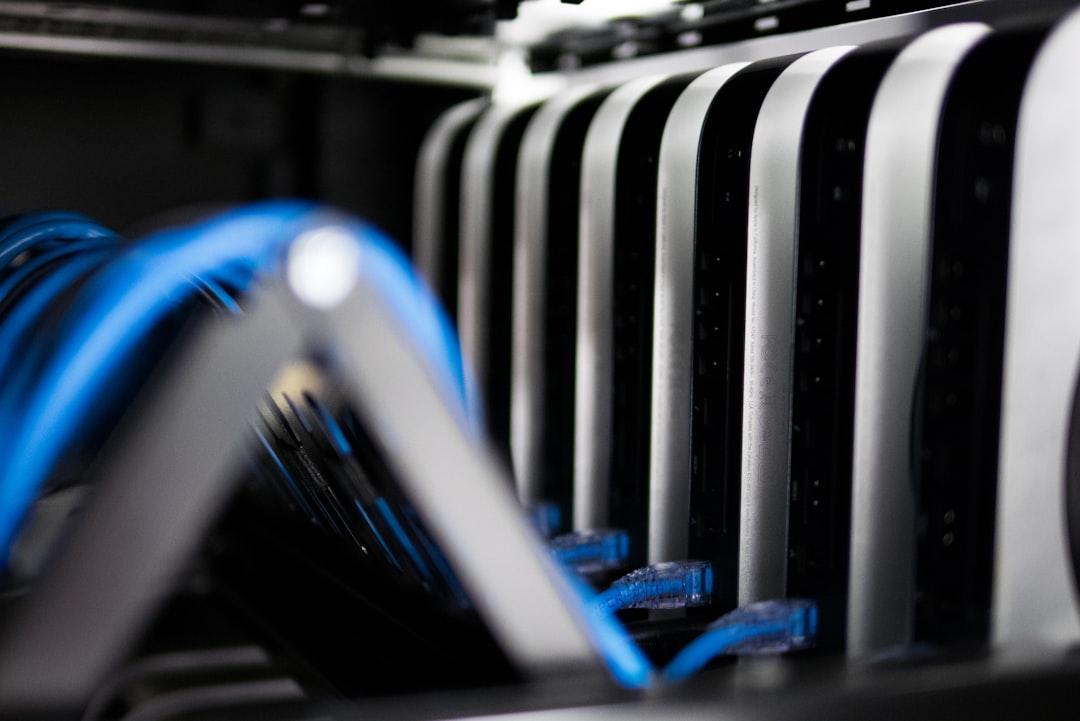
Imagine a world where every piece of information, every video you stream, every email you send, every online game you play, resides in a physical location. That location is a data center, a massive, climate-controlled building humming with thousands of servers, each performing complex calculations and storing vast amounts of data. These digital cathedrals are the backbone of the modern internet, and their insatiable appetite for power is rapidly reshaping the nation’s energy landscape.
The Exponential Growth of Data
The sheer volume of data being generated is mind-boggling. From social media feeds and streaming services to the burgeoning Internet of Things (IoT) with its billions of connected devices, the digital universe is expanding at an unprecedented rate. Every click, every swipe, every sensor reading contributes to this ever-growing mountain of information.
The Streaming Revolution
Consider the impact of streaming services. What once required physical media is now delivered instantly to your screen. Netflix, YouTube, Spotify – these platforms rely on massive data centers to store and deliver content to millions of users simultaneously. A single high-definition movie can occupy gigabytes of storage, and when you multiply that by the billions of hours of content consumed daily, the storage and processing demands become astronomical.
The Rise of the Internet of Things (IoT)
The proliferation of smart devices – from your smart thermostat and wearable fitness tracker to industrial sensors and autonomous vehicles – is creating a continuous stream of data. These devices collect, transmit, and process information, all of which ultimately finds its way to a data center for analysis and storage. The IoT is not just a niche technology; it’s becoming deeply integrated into our daily lives, and its data footprint is growing exponentially.
Artificial Intelligence and Machine Learning
Perhaps the most significant driver of data center electricity demand is the explosive growth of artificial intelligence (AI) and machine learning (ML). These technologies require immense computational power to train and run complex algorithms. Developing a cutting-edge AI model can involve processing petabytes of data and consuming thousands of kilowatt-hours of electricity, often for extended periods.
The Physical Infrastructure: More Than Just Servers
While servers are the most visible components, data centers are complex ecosystems requiring significant energy for much more than just computation. The infrastructure supporting these servers is a major contributor to their overall power consumption.
Cooling Systems: The Silent Giants
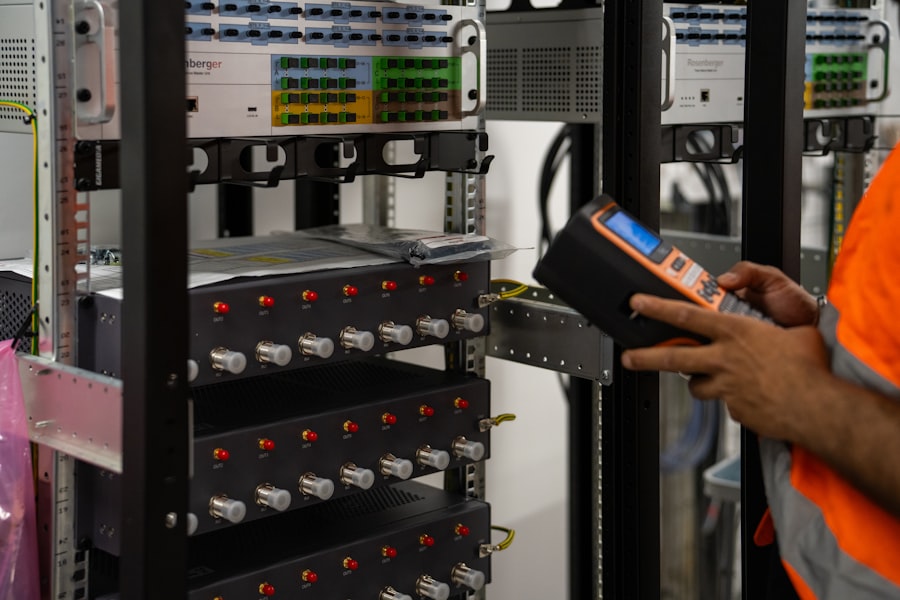
Servers generate a tremendous amount of heat. To prevent overheating and ensure optimal performance, data centers employ sophisticated cooling systems. These can include massive air conditioning units, chillers, and advanced liquid cooling solutions. These cooling systems often run 24/7, consuming a substantial portion of a data center’s total electricity usage.
Power Distribution and Backup Systems
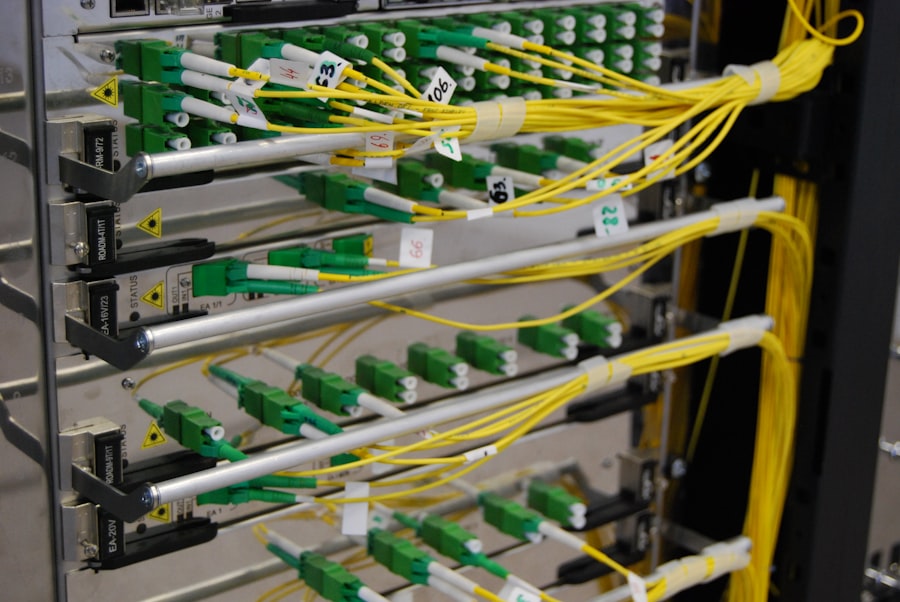
Ensuring a constant and reliable power supply is paramount for data centers. This involves extensive power distribution networks, uninterruptible power supplies (UPS), and backup generators. While essential for uptime, these systems also contribute to the overall energy footprint.
The increasing electricity demand from data centers in America has become a significant concern as the digital landscape continues to expand. A related article that delves into this topic is available at How Wealth Grows, which explores the implications of rising energy consumption and the potential solutions to mitigate its impact on the environment and energy infrastructure. This article provides valuable insights into the challenges faced by the industry and the innovative approaches being adopted to enhance energy efficiency.
The Unseen Energy Consumer: Data Centers on the Grid
You might not see them, but data centers are becoming increasingly prominent consumers of electricity on the national grid. Their concentrated power needs are beginning to rival those of entire cities, raising questions about grid capacity and the reliability of power supply.
Quantifying the Demand: A Growing Challenge
Estimating the precise electricity demand of data centers is a complex task. The industry is notoriously opaque, with companies often reluctant to share detailed energy consumption data. However, various reports and analyses paint a clear picture of a rapidly increasing trend.
Projections and Forecasts
Numerous studies predict that data center electricity consumption will continue to climb significantly in the coming years. Some projections suggest that by the end of the decade, data centers could account for a substantial percentage of total U.S. electricity demand, a figure that has been steadily rising from a smaller fraction just a decade ago.
Regional Hotspots and Concentration
Certain regions of the United States, particularly those with access to abundant and affordable electricity, favorable tax incentives, and cool climates suitable for natural cooling, are becoming data center hubs. This concentration of demand can place significant strain on local power grids.
The Impact on Existing Infrastructure
The rapid expansion of data centers is not without its challenges for the existing power infrastructure. Utilities are struggling to keep pace with the demand, and in some areas, new data center development is being slowed or even halted due to insufficient grid capacity.
Strain on Local Grids
When a new, large-scale data center is planned, it can represent a substantial increase in electricity demand for a local utility. This can necessitate costly upgrades to substations, transmission lines, and power generation capacity, with the cost often passed on to consumers.
The Need for Grid Modernization
The rise of data centers underscores the urgent need for a modernized and more resilient power grid. This includes investing in smart grid technologies, distributed energy resources, and improved transmission infrastructure to accommodate the growing and often unpredictable demands of digital infrastructure.
The Environmental Footprint: A Burning Question
The environmental implications of this surging electricity demand are a major concern. As the nation grapples with climate change and the need to transition to cleaner energy sources, the energy-intensive nature of data centers presents a significant challenge.
Carbon Emissions and Renewable Energy
The majority of electricity generated in the United States still comes from fossil fuels. When data centers draw power from this mix, their operations contribute directly to greenhouse gas emissions. The question then becomes, how quickly can the industry transition to renewable energy sources to mitigate its environmental impact?
The Quest for Sustainability
Many leading tech companies have set ambitious sustainability goals, pledging to power their data centers with 100% renewable energy. However, the practical implementation of these goals can be complex, involving the development of new renewable energy projects, power purchase agreements, and sophisticated energy management strategies.
The Role of Renewable Energy Sources
The availability and accessibility of renewable energy sources like solar and wind power are crucial for the sustainable growth of data centers. Investing in these technologies and ensuring they can reliably supply the massive power needs of these facilities is a key part of the equation.
Water Consumption: The Other Thirsty Resource
Beyond electricity, data centers also consume significant amounts of water, primarily for cooling purposes. In water-scarce regions, this can exacerbate existing environmental pressures.
Water-Efficient Cooling Technologies
Innovations in cooling technologies, such as closed-loop systems and direct liquid cooling, are helping to reduce water consumption. However, traditional cooling methods, particularly those relying on evaporation, can be highly water-intensive.
The Trade-offs in Water Management
Finding the right balance between cooling efficiency and water conservation is an ongoing challenge for the data center industry, especially as they continue to expand in diverse geographical locations.
Innovations and Solutions: Powering the Future Responsibly
The good news is that the industry is not standing still. Recognizing the challenges, data center operators and technology providers are actively pursuing innovative solutions to improve energy efficiency and embrace sustainable practices.
Energy Efficiency Measures
A significant portion of the focus is on reducing the energy consumed by the servers and supporting infrastructure themselves. Even marginal improvements in efficiency can translate into substantial energy savings when scaled across thousands of servers.
Advanced Server Hardware
New generations of servers are designed to be more power-efficient, utilizing advanced processors and optimized hardware architectures. These advancements reduce the amount of electricity needed to perform the same computational tasks.
Optimized Cooling Strategies
Beyond the hardware, the way data centers are cooled is also undergoing a revolution. Strategies like free cooling (utilizing ambient outside air to cool servers), evaporative cooling, and liquid cooling are becoming increasingly prevalent, offering significant energy savings compared to traditional air conditioning.
The Shift Towards Renewable Energy Procurement
The commitment to powering data centers with renewable energy is a growing trend, driven by both environmental concerns and increasing investor and consumer pressure.
Power Purchase Agreements (PPAs)
Many companies are entering into long-term Power Purchase Agreements with renewable energy developers. These agreements guarantee the purchase of electricity from new solar or wind farms, incentivizing the development of clean energy infrastructure.
On-site Renewable Generation
Some larger data center facilities are exploring the feasibility of installing on-site renewable energy generation, such as solar panels on their roofs. While this can offset a portion of their electricity needs, it rarely meets the entire demand for these massive operations.
Energy Storage Solutions
The intermittent nature of renewable energy sources presents a challenge for data center reliability. Energy storage solutions, such as batteries, are becoming increasingly important to ensure a consistent power supply, even when the sun isn’t shining or the wind isn’t blowing.
The Role of AI in Optimizing Energy Use
Ironically, the same AI that drives data center demand is also being leveraged to optimize their energy consumption.
Smart Energy Management Systems
AI-powered energy management systems can analyze real-time data on server load, ambient temperature, and energy prices to dynamically adjust cooling and power distribution. This proactive approach can significantly reduce waste and improve overall efficiency.
Predictive Maintenance and Load Balancing
AI algorithms can predict potential equipment failures, allowing for proactive maintenance and preventing unplanned downtime that can lead to inefficient energy use. They can also optimize the distribution of workloads across servers to ensure maximum efficiency.
As the demand for data centers continues to surge in America, understanding the implications of this growth on electricity consumption becomes increasingly important. A recent article explores the factors driving this demand and highlights the challenges faced by energy providers in meeting the needs of these facilities. For more insights on this topic, you can read the full article here. This discussion sheds light on the balance between technological advancement and sustainable energy practices in the ever-evolving landscape of data management.
The Future of Data Centers: A Balancing Act
| Year | Data Center Electricity Demand (Billion kWh) |
|---|---|
| 2010 | 91.4 |
| 2014 | 70.6 |
| 2018 | 73.6 |
| 2020 | 69.0 |
The growth of data centers in America is not slowing down, and neither is their demand for electricity. The challenge ahead is to ensure this growth is sustainable, balancing the insatiable appetite of our digital world with the need for a stable, affordable, and environmentally responsible energy future.
Policy and Regulation: Shaping the Landscape
Government policies and regulations will play a crucial role in shaping the future of data center energy consumption. This includes incentives for renewable energy adoption, energy efficiency standards, and potentially carbon pricing mechanisms.
The Importance of Clear Energy Standards
Establishing clear and consistent energy efficiency standards for data centers can drive innovation and encourage the adoption of best practices across the industry.
Incentivizing Renewable Energy Adoption
Governments can further accelerate the transition to renewable energy by offering tax credits, grants, and other financial incentives for data center operators to invest in clean energy solutions.
Collaboration and Transparency: A Path Forward
The complexity of the issue demands collaboration between the data center industry, utilities, policymakers, and researchers. Increased transparency regarding energy consumption and environmental impact will be essential for informed decision-making.
Industry-Wide Data Sharing
Encouraging greater transparency in energy consumption data among data center operators would allow for more accurate assessments of the industry’s footprint and facilitate the identification of best practices.
Public-Private Partnerships
Fostering public-private partnerships can help accelerate the development of new energy technologies and infrastructure needed to support the growing demands of the digital economy in a sustainable manner.
The increasing electricity demand from data centers is not a problem that can be ignored. It’s a fundamental consequence of the digital age we inhabit. By understanding its drivers, acknowledging its challenges, and embracing innovative solutions, you can be part of the conversation that shapes a future where your digital life and a healthy planet can coexist.
Is AI About to Make Your Electric Bill Even Higher?
FAQs
What is the current electricity demand of data centers in America?
The current electricity demand of data centers in America is estimated to be around 100 billion kilowatt-hours (kWh) per year, which accounts for about 2% of the total electricity consumption in the country.
What factors contribute to the electricity demand of data centers in America?
The electricity demand of data centers in America is influenced by factors such as the increasing use of cloud computing, the growth of big data, the expansion of internet-connected devices, and the need for high-performance computing.
How does the electricity demand of data centers impact the environment?
The electricity demand of data centers contributes to carbon emissions and environmental impact, as the majority of the electricity used by data centers comes from non-renewable sources such as coal and natural gas. This can lead to air and water pollution, as well as contribute to climate change.
What are some strategies to reduce the electricity demand of data centers in America?
Some strategies to reduce the electricity demand of data centers in America include improving energy efficiency through the use of advanced cooling systems, optimizing server utilization, adopting renewable energy sources, and implementing energy-efficient hardware and software.
What are the potential implications of the increasing electricity demand of data centers in America?
The increasing electricity demand of data centers in America may lead to higher energy costs for businesses and consumers, put strain on the electricity grid, and contribute to the need for additional power generation capacity. It also highlights the importance of addressing energy efficiency and sustainability in the data center industry.