You’re feeling the pinch. Every time you open an energy bill, a little knot tightens in your stomach. The cost of keeping your lights on, your home warm, and your devices powered is steadily climbing, and it feels like there’s little you can do about it. You’re not alone. This isn’t just a personal struggle; it’s a global challenge, a growing concern that touches economies, environments, and the very fabric of daily life. But what if there was a powerful ally emerging in this fight against rising energy costs? What if artificial intelligence, once a futuristic concept, is now a tangible solution poised to help you, and everyone else, navigate this complex terrain?
This article is your exploration into the burgeoning role of AI in tackling the escalating problem of energy expenses. You’ll discover how this sophisticated technology is not just about fancy algorithms and complex data sets, but about practical, real-world applications that can directly impact your wallet and contribute to a more sustainable future.
Before we delve into AI’s solutions, let’s take a moment to understand the forces driving these rising energy costs. It’s a multifaceted problem, and recognizing its components is the first step toward appreciating AI’s potential.
The Shifting Energy Landscape
The way you get your energy is undergoing a dramatic transformation. You’re moving away from traditional fossil fuels, which are inherently finite and subject to volatile global markets. This shift is driven by a desire for cleaner energy sources, but the transition itself comes with its own set of economic challenges. The infrastructure for renewable energy, while promising, requires significant upfront investment.
Geopolitical Instability and Supply Chain Vulnerabilities
You’ve seen how international events can ripple through global markets, and the energy sector is particularly susceptible. Wars, political tensions, and trade disputes can disrupt the supply of oil, gas, and even the components needed for renewable technologies. This unpredictability makes it difficult for energy providers to offer stable pricing, and those costs inevitably get passed on to you.
Increased Demand and Urbanization
As the global population continues to grow and more people move into urban centers, the demand for energy escalates. More homes need heating and cooling, more businesses require power, and more transportation systems need to be fueled. This ever-increasing demand, coupled with a sometimes-limited supply, naturally pushes prices upward.
The Impact of Climate Change and Extreme Weather
You’re experiencing it firsthand: more frequent and intense heatwaves, prolonged droughts, and severe storms. These climate-related events put a strain on existing energy infrastructure, leading to outages and increased operational costs. For instance, a prolonged heatwave can lead to unprecedented demand for air conditioning, straining the grid and potentially leading to price hikes. Conversely, droughts can impact hydropower generation, further complicating supply.
As artificial intelligence continues to advance, its integration into various sectors raises concerns about rising energy costs associated with increased computational demands. A related article that delves into the implications of AI on energy consumption and the potential solutions to mitigate these costs can be found at How Wealth Grows. This piece explores the balance between harnessing AI’s capabilities and managing the environmental impact of its energy usage, highlighting the importance of sustainable practices in technology development.
AI’s Prowess in Optimizing Energy Generation
The power plants that generate your electricity, whether they’re burning fossil fuels or harnessing the sun and wind, are ripe for AI-driven improvements. By making these operations more efficient, AI can directly contribute to lower energy costs.
Predictive Maintenance for Power Plants
Imagine a scenario where a critical component in a power plant is about to fail. Traditionally, this might be discovered during a scheduled inspection, or worse, after a breakdown occurs, leading to costly downtime and emergency repairs. AI changes this.
Machine Learning for Anomaly Detection
You can leverage machine learning algorithms to analyze vast amounts of sensor data from turbines, generators, and other vital equipment. These algorithms learn the normal operating patterns of the machinery. When a deviation from these patterns occurs – a slight increase in vibration, a subtle change in temperature, or an unusual electrical signature – the AI flags it as a potential anomaly.
Real-time Performance Monitoring and Diagnostics
This isn’t about a one-off check. AI systems can continuously monitor the health of your energy infrastructure in real-time. They can diagnose the root cause of potential issues with a speed and accuracy that surpasses human capabilities. This allows for proactive interventions, scheduling maintenance before a breakdown happens, minimizing disruptions and the associated repair costs. This translates to more stable energy supply and ultimately, more predictable and potentially lower prices for you.
Enhancing Renewable Energy Efficiency
Renewable energy sources like solar and wind are inherently variable. The sun doesn’t always shine, and the wind doesn’t always blow at optimal speeds. AI is making these intermittent sources more reliable and cost-effective.
AI-Powered Weather Forecasting for Renewables
You know how crucial accurate weather forecasts are for planning your day. For renewable energy, it’s even more critical. AI can analyze complex atmospheric data from a multitude of sources – satellites, ground sensors, historical weather patterns – to generate highly precise short-term and long-term weather predictions.
Granular Forecasting for Solar and Wind Farms
This means a solar farm can be more accurately informed about upcoming cloud cover, allowing them to adjust their output or even anticipate grid demands. Similarly, wind farms can better predict wind speeds and direction, optimizing the angle of their turbines to capture the maximum amount of energy. This enhanced predictability makes renewable energy a more dependable part of your energy mix.
Optimizing Turbine and Panel Performance
Even when the weather is favorable, the efficiency of individual turbines and solar panels can vary. AI can analyze the performance data of each unit, identifying underperforming assets.
Identifying and Addressing Suboptimal Performance
Machine learning models can detect subtle issues like dirt accumulation on solar panels, wear and tear on turbine blades, or even alignment problems. This allows for targeted cleaning, maintenance, or adjustments, ensuring that every kilowatt-hour of potential energy is being harnessed. This optimization reduces waste and increases the overall yield from renewable sources, driving down the cost per unit of energy produced.
AI’s Impact on Energy Distribution and Grid Management
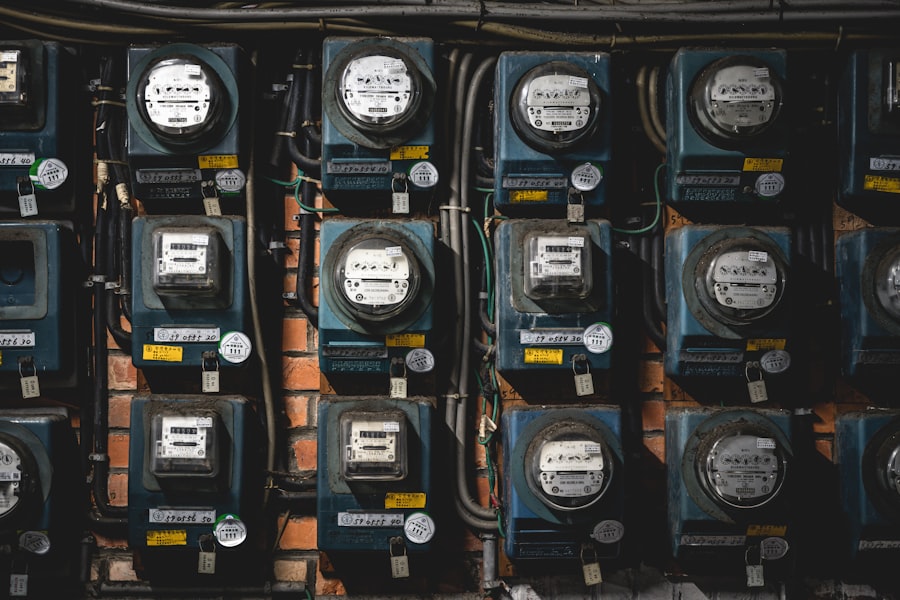
Once energy is generated, it needs to be transported to your home or business. The infrastructure that manages this flow, the power grid, is a complex network that AI is revolutionizing.
Smart Grid Optimization and Load Balancing
The power grid is like a complex circulatory system. Demand for electricity fluctuates constantly – spiking in the morning as people wake up and prepare for their day, and again in the evening as they return home. Managing these surges and dips efficiently is key to preventing blackouts and minimizing energy waste.
Real-time Demand Forecasting
AI algorithms can analyze historical energy consumption patterns, weather data, economic indicators, and even social media trends to predict energy demand with remarkable accuracy, down to the neighborhood level.
Predicting Peak Demand Periods
This allows grid operators to anticipate periods of high demand and proactively manage energy resources. They can orchestrate the flow of electricity from various sources – including distributed energy resources like rooftop solar – to meet these demands without overloading the system.
Dynamic Load Balancing and Grid Stability
When demand exceeds supply, or when certain parts of the grid are stressed, AI can dynamically rebalance the load.
Automated Rerouting of Electricity
This might involve rerouting electricity from less stressed areas, dispatching stored energy from batteries, or even signaling to smart appliances in your home to temporarily reduce their consumption. This automated, intelligent management keeps the grid stable and prevents costly outages and the need for expensive peak-generating power plants.
Predictive Grid Maintenance and Failure Prevention
Just like power plants, the infrastructure that transmits electricity – the power lines, transformers, and substations – is susceptible to failure. AI is playing a crucial role in preventing these failures.
Drone-Based Inspections with AI Analysis
Drones equipped with cameras and sensors can patrol vast stretches of power lines, capturing high-resolution images and thermal data. AI algorithms can then analyze these images to identify potential issues like damaged insulators, vegetation encroachment, or overheating components.
Identifying Corrosion, Cracks, and Other Defects
This automated analysis is far more efficient and comprehensive than manual inspections, allowing for the early detection of problems that could lead to costly outages and repairs. By addressing these issues proactively, AI helps maintain grid reliability and prevents the cascading failures that can disrupt your access to power.
Simulating Grid Behavior Under Stress
AI can be used to create sophisticated simulations of the power grid, allowing engineers to test how the system would respond to various stress scenarios, such as extreme weather events or sudden surges in demand.
Identifying Weaknesses and Vulnerabilities
These simulations help identify potential weak points in the grid before they become actual problems. By understanding these vulnerabilities, grid operators can implement targeted upgrades and improvements, enhancing the resilience of your energy supply.
AI’s Role in Empowering Consumers and Reducing Household Costs
You’re not just a passive recipient of energy; you’re also a significant consumer. AI is increasingly putting the power of managing your energy use – and your bills – directly into your hands.
Smart Home Energy Management Systems
Your home is becoming smarter, and AI is at the heart of this transformation, allowing you to optimize your energy consumption without sacrificing comfort.
Intelligent Thermostats and Climate Control
You’ve likely encountered smart thermostats, but AI takes them a step further. These systems learn your daily routines, your preferences for temperature at different times of day, and even factor in external weather conditions.
Learning Your Habits and Preferences
An AI-powered thermostat can anticipate when you’ll be home and when you’ll be away, automatically adjusting the heating and cooling to save energy when you don’t need it. It can also learn how your home heats and cools, optimizing the system for efficiency rather than just brute force. This means less energy wasted on heating an empty house or cooling it down when it’s already at a comfortable temperature.
Appliance Optimization and Smart Scheduling
AI can integrate with your smart appliances to optimize their energy usage. Think about your washing machine or dishwasher.
Scheduling High-Energy Tasks for Off-Peak Hours
These appliances can be programmed to run during off-peak hours when electricity rates are typically lower. AI can automatically schedule these tasks, ensuring they complete when it’s most cost-effective for you. This might mean running your dishwasher overnight, for example, reducing your electricity bill without you having to remember to do it.
Personalized Energy Consumption Insights and Recommendations
You can’t manage what you don’t understand. AI is providing you with unprecedented insights into your own energy consumption.
AI-Powered Energy Monitoring Apps
Many utility companies and third-party providers offer apps that use AI to track your energy usage in detail. You can see exactly where your energy is going – which appliances are the biggest consumers, and at what times of day.
Identifying Energy Hogs and Inefficient Appliances
These insights are invaluable. AI can pinpoint those “energy hogs” in your home – perhaps an older refrigerator or an inefficient lighting system – and suggest cost-effective upgrades or behavioral changes. You might be surprised to learn how much energy is being consumed by devices in standby mode, and AI can help you address that.
Customized Energy-Saving Tips and Behavioral Nudges
Beyond just data, AI can provide you with personalized advice. Based on your unique consumption patterns and your home’s characteristics, AI can offer tailored recommendations for saving energy.
Tailored Advice Based on Your Usage Patterns
This could be anything from suggesting you adjust your thermostat by a degree or two, to recommending the most energy-efficient times to charge your electric vehicle, or even suggesting when to upgrade certain appliances for long-term savings. These “nudges” help you make informed decisions that directly translate into lower energy bills.
As artificial intelligence continues to advance, its impact on various sectors, including energy consumption, becomes increasingly significant. A recent article discusses how the integration of AI technologies in energy management systems can potentially mitigate rising energy costs by optimizing usage and enhancing efficiency. For more insights on this topic, you can read the article here: AI and Energy Costs. This exploration highlights the dual challenge of harnessing AI’s potential while addressing the financial pressures associated with energy expenses.
AI in Energy Trading and Market Efficiency
| Year | AI Investment | Energy Costs |
|---|---|---|
| 2015 | 1.2 billion | 0.08 per kWh |
| 2016 | 2.5 billion | 0.09 per kWh |
| 2017 | 4.0 billion | 0.10 per kWh |
| 2018 | 6.3 billion | 0.11 per kWh |
| 2019 | 9.0 billion | 0.12 per kWh |
The energy market itself is a complex ecosystem of supply and demand, buyers and sellers. AI is bringing a new level of sophistication and efficiency to this arena, which ultimately benefits you as a consumer.
Algorithmic Trading and Price Stabilization
The global energy market is incredibly dynamic. Prices can fluctuate rapidly based on a multitude of factors. AI is helping to navigate this volatility.
High-Frequency Trading and Arbitrage Opportunities
AI-powered trading algorithms can analyze market data at speeds unimaginable for humans, identifying arbitrage opportunities and executing trades to exploit price discrepancies. While this might sound abstract, it contributes to overall market efficiency.
Reducing Price Volatility Through Market Efficiency
By quickly acting on information and balancing supply and demand, these algorithms can help to smooth out extreme price swings, leading to more stable and predictable energy costs for everyone.
Optimizing Energy Storage and Grid Flexibility
The rise of renewable energy means that the grid needs to be more flexible. AI is crucial in managing this flexibility, particularly with energy storage solutions.
AI-Controlled Battery Management Systems
Large-scale battery storage facilities are becoming increasingly important for storing excess renewable energy when it’s plentiful and discharging it when demand is high. AI plays a vital role in optimizing the charging and discharging cycles of these batteries.
Maximizing Returns and Minimizing Grid Strain
AI algorithms can predict when energy prices will be highest and lowest, deciding when to charge the batteries (during low prices) and when to discharge them (during high prices) to maximize revenue and minimize strain on the grid. This efficient management of storage assets contributes to grid stability and can reduce the need for expensive, less efficient peak power generation.
Facilitating Peer-to-Peer Energy Trading
AI is also paving the way for more decentralized energy systems, where individuals and businesses can trade energy directly with each other.
Enabling Blockchain-Based Energy Markets
Imagine being able to sell your excess solar power to your neighbor directly, using a secure and transparent platform powered by blockchain technology and managed by AI. This peer-to-peer trading can create more localized energy markets, potentially leading to lower costs and increased energy independence.
The Future is AI-Powered: A Path to Affordable and Sustainable Energy
You’ve seen how AI is already making significant inroads into tackling rising energy costs. But this is just the beginning. The ongoing advancements in AI promise even more profound impacts.
Enhanced AI Capabilities and Deeper Integration
As AI technology continues to evolve, its applications in the energy sector will become even more sophisticated. You can expect AI to become more adept at handling complex, interconnected systems and making even more nuanced decisions.
Advanced Predictive Analytics for Extreme Events
AI will likely become even better at forecasting and managing the impacts of extreme weather events, helping to prevent widespread outages and their associated costs.
Real-time Response to Grid Disruptions
The ability to respond in real-time to unexpected grid disruptions will be further enhanced, ensuring a more resilient and reliable energy supply.
The Rise of AI in Energy Policy and Planning
Beyond operational efficiencies, AI could also inform energy policy and long-term planning. By analyzing vast datasets on consumption, generation, infrastructure, and environmental factors, AI can help policymakers make more informed decisions about energy investments and regulations.
The Collaborative Ecosystem: Humans and AI Working Together
It’s important to remember that AI isn’t about replacing human expertise; it’s about augmenting it. The most effective solutions will involve a collaborative ecosystem where humans and AI work in tandem.
Empowering Energy Professionals with AI Tools
Energy engineers, grid operators, and policy analysts will be equipped with increasingly powerful AI tools, enabling them to perform their jobs more effectively and make better decisions.
Driving Innovation Through Human-AI Collaboration
This human-AI collaboration will drive innovation, leading to novel solutions for energy generation, distribution, and consumption.
Your Role in the AI-Driven Energy Future
Ultimately, your engagement is crucial. As you adopt smart technologies in your home and become more aware of your energy consumption, you become an active participant in this AI-driven transformation.
Embracing Smart Technologies for Personal Savings
By embracing smart thermostats, smart appliances, and energy monitoring apps, you’re not just adopting new gadgets; you’re actively contributing to lower energy bills for yourself and for society.
Advocating for AI-Driven Energy Solutions
As consumers, your voices matter. By understanding and advocating for the implementation of AI-powered solutions in your communities and at a larger scale, you can accelerate the transition to a more affordable and sustainable energy future.
The fight against rising energy costs is a marathon, not a sprint. But with artificial intelligence as a powerful ally, you have a more optimistic outlook. The complex challenges are being met with intelligent solutions, and the future of your energy bills – and the planet – looks a little brighter. You are on the cusp of a new era in energy management, and AI is leading the way.

Is AI About to Make Your Electric Bill Even Higher?
FAQs
What is artificial intelligence (AI)?
Artificial intelligence (AI) refers to the simulation of human intelligence in machines that are programmed to think and act like humans. AI is used in various applications such as speech recognition, problem-solving, learning, and planning.
How does artificial intelligence impact energy costs?
Artificial intelligence can impact energy costs by optimizing energy usage, predicting energy demand, and improving energy efficiency. AI technologies can analyze large amounts of data to identify patterns and make real-time adjustments to reduce energy consumption and costs.
What are the benefits of using AI to manage energy costs?
Using AI to manage energy costs can lead to improved energy efficiency, reduced operational costs, and better resource allocation. AI can also help in identifying areas for energy savings and optimizing energy usage in real-time.
What are the potential challenges of implementing AI for energy cost management?
Challenges of implementing AI for energy cost management include the initial investment in AI technologies, data privacy and security concerns, and the need for skilled professionals to manage and interpret the data generated by AI systems.
What are some examples of AI applications in energy cost management?
Examples of AI applications in energy cost management include smart grid technology, predictive maintenance for energy infrastructure, energy demand forecasting, and building energy management systems. These applications can help businesses and organizations optimize their energy usage and reduce costs.