You’re probably reading this on a device powered by electricity, a silent force that underpins so much of your modern life. But have you considered how the burgeoning world of Artificial Intelligence is starting to demand more and more of that vital resource, and what that means for your wallet? The digital revolution, supercharged by AI, is casting a long shadow over your electricity bills, and it’s a trend you’ll want to understand.
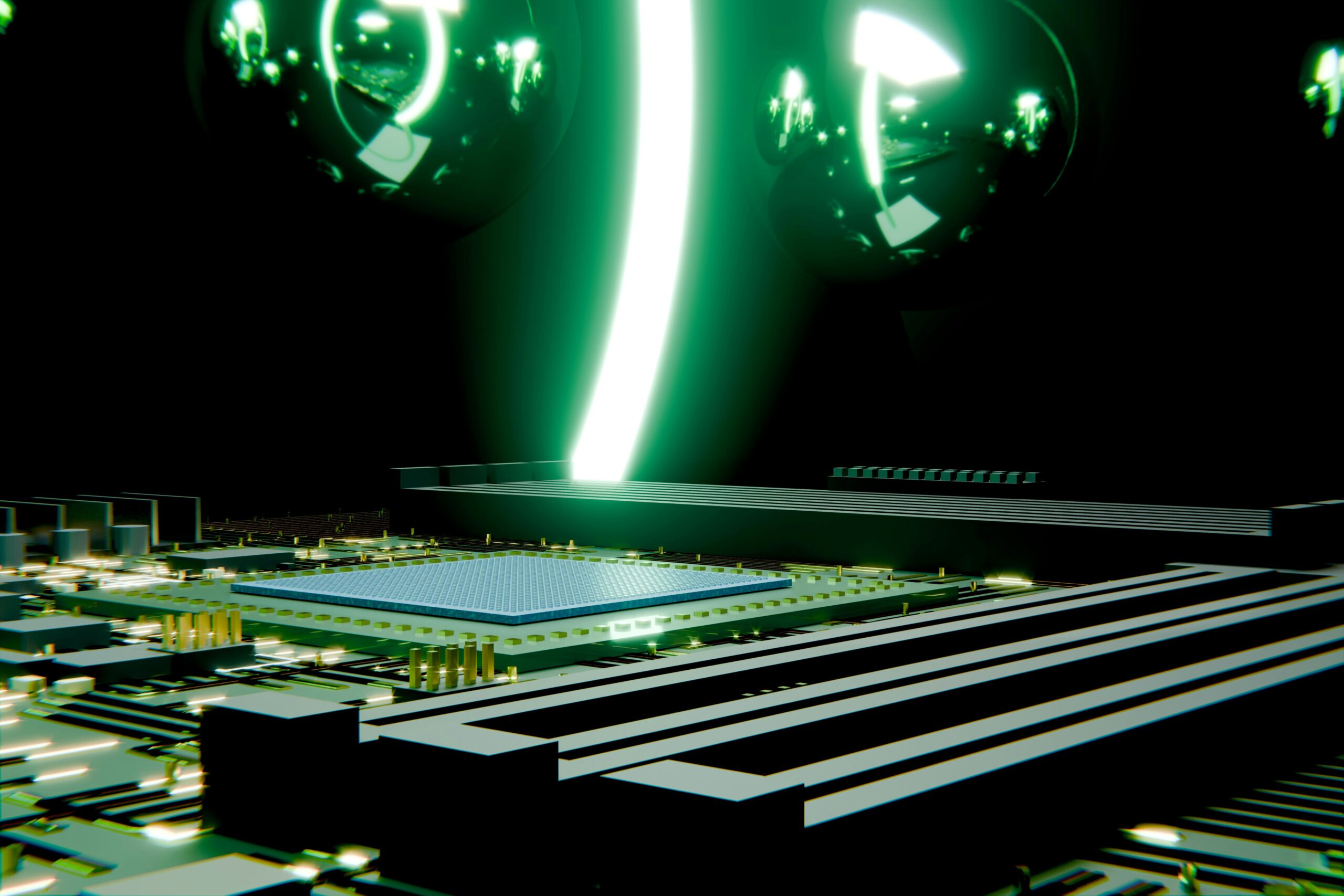
You might think of AI as a disembodied intelligence, a program running in the cloud. But that cloud has a physical manifestation: vast, humming data centers. These are not your average server rooms; they are colossal facilities housing thousands upon thousands of powerful processors, GPUs (Graphics Processing Units), and specialized AI accelerators. These components, optimized for complex computations, are incredibly power-hungry.
The Unseen Demand: More Than Just Servers
It’s easy to picture rows of servers when you think of a data center. However, the energy consumption of AI goes far beyond the computing hardware itself. Consider the ancillary systems essential for keeping these powerful machines running.
Cooling the Beast: A Herculean Task
AI processors generate an immense amount of heat. To prevent overheating and ensure optimal performance, data centers employ sophisticated cooling systems. These can range from traditional air conditioning units to advanced liquid cooling solutions that circulate fluid directly through the server racks. These cooling systems, running 24/7, are significant energy drains in their own right. You’re not just paying for the computation; you’re paying for the infrastructure that allows that computation to happen without melting.
Powering the Network: The Digital Backbone
These data centers are not isolated islands. They are interconnected by a complex network of high-speed cables and routers. This networking infrastructure, constantly transmitting and receiving vast quantities of data, also requires substantial electricity. Every byte of data processed by an AI model, from training to inference, travels through this network, adding to the overall energy footprint.
The Unforeseen Energy Costs of Training AI Models
You’ve likely heard about AI models being “trained.” This process is analogous to a student studying for years, absorbing vast amounts of information. For AI, this “information” is enormous datasets, and the “studying” involves trillions of calculations. Training a single cutting-edge AI model can consume as much electricity as a typical household uses in a year, sometimes even more. This intensive training phase is a major contributor to the rising demand for electricity in AI data centers.
As the demand for artificial intelligence continues to surge, many are becoming increasingly concerned about the impact of AI data centers on electricity consumption and rising utility bills. A related article discusses the financial implications of this trend and offers insights into how businesses can manage their energy costs more effectively. For more information, you can read the article here: How Wealth Grows.
The Economic Ripple Effect: From Data Center to Your Doorstep
The increased electricity demand from AI data centers doesn’t exist in a vacuum. It has tangible economic consequences that will eventually trickle down to you, the end consumer.
Corporate Power Consumption: A Growing Slice of the Pie
Major technology companies, the pioneers and deployers of advanced AI, are significantly increasing their data center footprints. This translates into a massive uptick in their electricity procurement. As their demand grows, they become larger players in the energy market, potentially influencing electricity prices through sheer volume.
The Corporate Rush for More Power
You’re witnessing a global race to build bigger and more powerful AI data centers. Companies are investing billions of dollars, and a significant portion of that investment is allocated to securing reliable and abundant electricity. This competition for energy resources can drive up demand and, consequently, prices.
Impact on Grid Stability and Infrastructure
The sheer scale of energy required by these AI hubs places a considerable strain on existing electricity grids. In some regions, existing infrastructure may not be equipped to handle such concentrated power demands. This can necessitate costly upgrades and expansions of power generation and transmission capabilities, the expense of which is ultimately borne by consumers.
Increased Operating Costs for AI Services
As the cost of electricity rises, so too do the operating expenses for the companies running these AI data centers. This includes not only the direct cost of power but also the increased expenditure on cooling and maintenance.
The Bottom Line: Passing the Cost On
Businesses that offer AI-powered services – from cloud computing platforms to AI-driven applications – will inevitably face higher operational costs. To maintain profitability, they will likely pass these increased expenses onto their customers, which ultimately means you. Your subscription fees for AI tools, your usage costs on cloud platforms, and even the cost of products and services that leverage AI could see an increase.
The ‘Energy Tax’ on Innovation
Some are starting to refer to this phenomenon as an implicit “energy tax” on AI innovation. While the benefits of AI are immense, you’re also seeing a direct financial cost associated with its widespread implementation. This is a new economic reality you’ll need to factor into your personal and business budgets.
The Growing Burden on Residential Electricity Bills

While the spotlight is often on corporate energy use, the impact of AI data centers will eventually be felt in your own home. The energy market is interconnected, and rising demand in one sector inevitably influences prices across the board.
Indirect Price Hikes: The Interconnected Energy Market
Even if you don’t directly use an AI service, you are part of a larger energy ecosystem. When industrial and commercial consumers of electricity increase their demand and consequently their spending, it can lead to higher wholesale electricity prices. These higher wholesale prices are then passed on to residential customers by utility companies.
The ‘Spillover’ Effect of Demand
Think of it like this: if a major factory suddenly doubles its electricity consumption, it puts a strain on the local power grid. This increased demand can lead to higher prices for everyone connected to that grid, including your household. AI data centers are essentially becoming these massive, ever-growing factories of computation.
Shifting Energy Investment Priorities
As utilities grapple with the escalating demand from AI, they may need to make difficult decisions about where to invest in new power generation. This could mean prioritizing large-scale, power-hungry facilities over investments that might directly benefit residential consumers, potentially leading to slower improvements in grid reliability or efficiency for your home.
The Potential for Increased Volatility in Energy Prices
The rapid and often unpredictable growth of AI demand can introduce new levels of volatility into energy markets. Unexpected surges in AI development or the deployment of new, highly power-intensive AI applications can create sudden spikes in demand, leading to more unpredictable price fluctuations.
The ‘AI Boom’ and Energy Price Spikes
Imagine a scenario where a major breakthrough in AI leads to a sudden widespread adoption of a new AI application. This could trigger an immediate and significant increase in demand for electricity from data centers, potentially causing short-term price spikes that affect your utility bill.
The Challenge of Forecasting Demand
Traditional energy forecasting models are designed for more predictable patterns of demand. The exponential growth and disruptive nature of AI make it challenging to accurately predict future electricity needs, leading to potential under- or over-investment in infrastructure, both of which can have cost implications for consumers.
The Environmental Footprint: Not Just About Cost

While your electricity bill is a direct concern, the energy consumption of AI data centers also carries a significant environmental cost. This is an interconnected issue, as the energy sources used to power these facilities have their own set of economic implications.
Carbon Emissions: The Price of Power Generation
A substantial portion of the world’s electricity is still generated from fossil fuels. When AI data centers draw heavily on these sources, they contribute to increased carbon emissions, exacerbating climate change. The economic consequences of climate change – from extreme weather events to resource scarcity – are already impacting global economies and will undoubtedly affect your cost of living in the long run.
The Dirty Secret of the “Green” Cloud
While many AI companies tout their commitment to sustainability, the reality is that many data centers still rely on electricity generated from non-renewable sources. This means that the “invisible” energy consumption of AI is, in fact, a tangible contributor to greenhouse gas emissions.
The Interplay of Environmental Regulations and Costs
As governments worldwide implement stricter environmental regulations to combat climate change, the cost of generating electricity from fossil fuels is likely to increase. These higher costs will, in turn, be passed on to consumers, including the operators of AI data centers, and ultimately to you.
Water Usage: A Hidden Cost of Cooling
Beyond electricity, many AI data centers, particularly those with traditional cooling systems, require vast amounts of water. This can strain local water resources, especially in arid regions. The scarcity of water can lead to increased competition for this essential resource, driving up its cost and impacting other sectors, including agriculture and urban water supplies, which can indirectly affect your cost of living.
The Thirst of the Machines
The cooling systems within large data centers can consume millions of gallons of water per day. This immense water footprint is often overlooked when discussing the energy demands of AI.
Water Scarcity and Economic Impact
In areas facing water stress, the demand from data centers can exacerbate existing problems, leading to higher water prices and even rationing. This can impact the affordability of everyday goods and services that rely on water.
As the demand for artificial intelligence continues to surge, many are beginning to notice the impact on electricity bills, particularly in regions with a high concentration of AI data centers. A recent article discusses how these facilities, which require substantial power to operate, are contributing to rising energy costs for consumers. For more insights on this topic, you can read the full article here. The implications of increased energy consumption not only affect individual households but also raise questions about the sustainability of such technologies in the long run.
Towards a Sustainable AI Future: Solutions and Your Role
| AI Data Centers | Electricity Bills |
|---|---|
| Increased Workload | Higher energy consumption |
| Advanced Cooling Systems | Additional operational costs |
| Renewable Energy Integration | Efforts to reduce environmental impact |
The challenges posed by AI’s electricity consumption are significant, but they are not insurmountable. Addressing this issue requires a multifaceted approach, involving technological innovation, policy changes, and conscious consumer choices.
Technological Advancements: Efficiency is Key
Researchers and engineers are actively developing more energy-efficient hardware and cooling technologies for data centers. Innovations in AI chip design, power management software, and advanced cooling techniques can significantly reduce the energy footprint of AI operations.
The Quest for More Efficient AI Chips
The development of specialized AI chips, designed to perform specific AI tasks with greater efficiency, is a crucial step. These chips can reduce the amount of electricity needed for each computation compared to general-purpose processors.
Smarter Cooling for a Cooler Future
Innovations in cooling technologies, such as liquid cooling and free-air cooling (utilizing ambient air temperatures), can drastically reduce the energy required for temperature regulation within data centers.
Renewable Energy Integration: Powering AI Responsibly
A critical part of the solution is transitioning AI data centers to renewable energy sources. Many major technology companies are investing in solar, wind, and other renewable energy projects to power their operations.
The Promise of Green Data Centers
The increasing adoption of renewable energy for data centers can significantly reduce their carbon footprint. As the cost of renewables continues to fall, this transition becomes more economically viable.
Your Influence on Energy Procurement
As a consumer, your choices and advocacy can influence the energy procurement strategies of the companies you support. By choosing businesses that demonstrably prioritize renewable energy, you send a clear market signal.
Policy and Regulation: Guiding the Growth
Governments and regulatory bodies have a crucial role to play in shaping the future of AI energy consumption. Implementing policies that incentivize energy efficiency, promote renewable energy adoption, and encourage transparent reporting of energy usage can help mitigate the negative impacts.
Setting Standards for Energy Efficiency
Establishing clear energy efficiency standards for data centers can drive innovation and ensure that companies are held accountable for their energy consumption.
Encouraging Renewable Energy Investments
Government incentives, such as tax credits and subsidies for renewable energy projects, can accelerate the transition to clean power for AI operations.
Your Role as a Conscious Consumer: Small Choices, Big Impact
While the scale of AI data centers might seem overwhelming, your individual choices as a consumer can contribute to a more sustainable future.
Mindful Use of AI Services
Be conscious of your AI usage. While AI offers many conveniences, consider whether every AI-driven feature is essential for your needs. Overusing AI services, even indirectly, contributes to the overall demand.
Supporting Energy-Conscious Companies
When choosing products and services, look for companies that are transparent about their energy practices and demonstrate a commitment to sustainability. Your purchasing power can influence corporate behavior.
Advocating for Change
Educate yourself and others about the energy implications of AI. Support policies and initiatives that promote energy efficiency and renewable energy. Your voice matters in shaping the future of both AI and our energy landscape. The rising cost of electricity due to AI data centers is not a problem for a distant future; it’s a present reality that will increasingly affect your daily life. By understanding the forces at play and making informed choices, you can contribute to a more sustainable and economically viable AI revolution.

Is AI About to Make Your Electric Bill Even Higher?
FAQs
What are AI data centers?
AI data centers are facilities that house the infrastructure and equipment necessary to support artificial intelligence (AI) applications and processes. These centers typically require large amounts of computing power and storage to handle the complex algorithms and data processing involved in AI.
How do AI data centers impact electricity bills?
AI data centers consume significant amounts of electricity due to the high computational demands of AI processes. The power requirements for cooling and maintaining the equipment also contribute to the overall electricity consumption, leading to higher electricity bills for the operators of these data centers.
What are the environmental implications of AI data centers’ electricity consumption?
The electricity consumption of AI data centers can have environmental implications, as it contributes to increased carbon emissions and energy consumption. This can impact local and global ecosystems, as well as contribute to climate change.
Are there any efforts to make AI data centers more energy-efficient?
Efforts are being made to improve the energy efficiency of AI data centers. This includes the development of more efficient cooling systems, the use of renewable energy sources, and the implementation of advanced hardware and software technologies to optimize energy usage.
How can businesses mitigate the impact of AI data centers on electricity bills?
Businesses can mitigate the impact of AI data centers on electricity bills by implementing energy-efficient practices, such as optimizing the use of computing resources, adopting renewable energy sources, and investing in energy-efficient infrastructure and equipment. Additionally, businesses can explore options for energy cost management and conservation strategies.