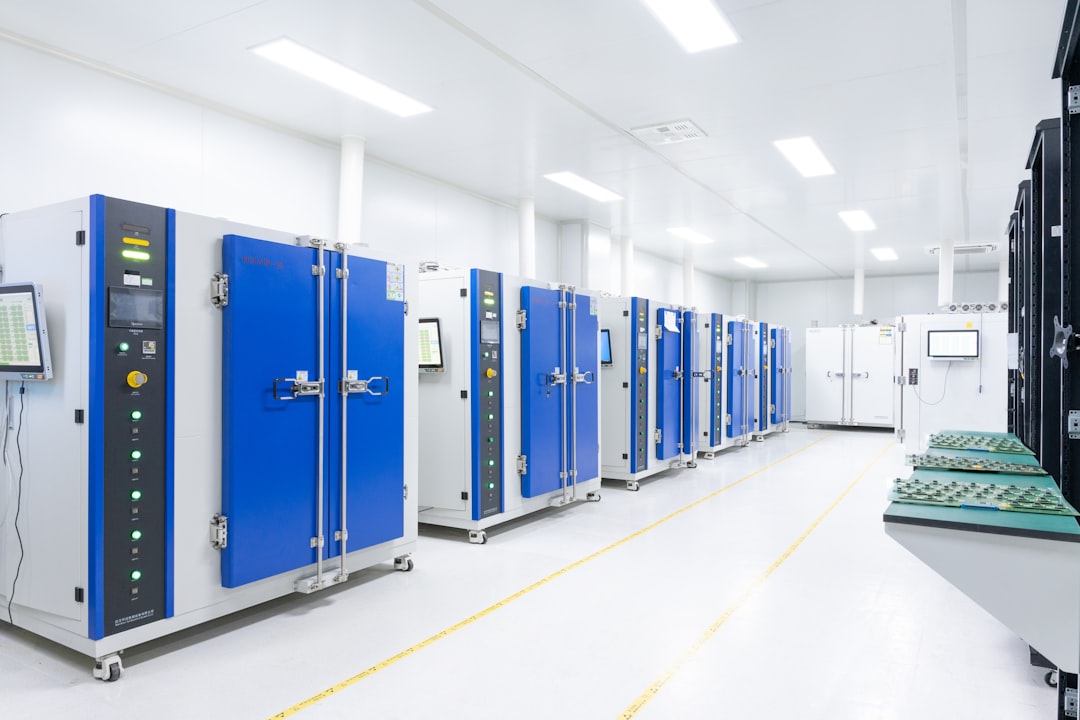
You stand at the precipice of a new technological era, one powered by the insatiable hunger of Artificial Intelligence. But as you witness the burgeoning landscape of AI data centers, a shadow looms – the relentless climb of utility rates. This isn’t just an abstract economic concern; it’s a tangible force that will shape the future of your digital ambitions, your operational costs, and the very accessibility of AI’s transformative power. You are now navigating an environment where the cost of keeping the lights on, and more importantly, keeping your powerful processors cool, is becoming a significant factor in your strategic planning.
You marvel at the computational prowess of AI. You see its potential to revolutionize industries, unlock scientific breakthroughs, and personalize your everyday experiences. But behind this dazzling façade lies an enormous, often underestimated, energy requirement. AI data centers are the physical engines driving this revolution, and their thirst for electricity is unlike anything seen before.
The Growing Pains of AI Computation
Consider the sheer scale of AI training. Large language models, the titans of natural language processing, require vast datasets and an immense amount of processing power to learn and refine their abilities. You can visualize these models as digital brains undergoing rigorous, continuous education, and this education demands constant, high-voltage energy. The process isn’t a one-off event; it’s an ongoing cycle of learning, updating, and re-training to keep pace with evolving data and user demands. This means that even after a model is deployed, its energy consumption doesn’t cease. It continues to serve queries, generate responses, and contribute to the ongoing evolution of AI, all while drawing power.
The Hardware Backbone: GPUs and Their Power Footprint
At the heart of AI data centers are Graphics Processing Units (GPUs). You might associate them with gaming, but in the AI realm, they are the workhorses. Their parallel processing architecture is perfectly suited for the matrix multiplications and complex calculations inherent in neural networks. However, this immense processing power comes at a cost – a significant power draw. A single high-end GPU can consume hundreds of watts, and a data center housing thousands of these units becomes a monumental energy consumer. You can picture rows upon rows of these specialized chips, humming with activity, each a tiny, powerful energy vortex. This concentrated demand is a primary driver of the escalating energy needs of AI infrastructure.
The Cooling Conundrum: Dissipating the Heat
The more processing you do, the more heat you generate. This is a fundamental law of physics that poses a significant challenge for data centers. AI workloads, with their intense computations, produce an extraordinary amount of heat. You are not just powering the chips; you are also expending substantial energy to keep them from overheating. This involves sophisticated cooling systems, ranging from traditional air cooling to more advanced liquid cooling solutions. You might think of these systems as the unsung heroes, working tirelessly behind the scenes to ensure the optimal operating temperature of your AI hardware. These cooling systems themselves are energy-intensive, adding another layer to the overall power consumption.
As the demand for artificial intelligence continues to surge, the operational costs associated with AI data centers are becoming a significant concern, particularly in light of rising utility rates. A related article discusses the financial implications of these increasing energy costs and how they impact the sustainability of AI operations. For more insights on this topic, you can read the article here: How Wealth Grows.
The Shifting Tides: The Escalation of Utility Rates
The increasing demand for electricity, particularly from energy-hungry AI data centers, is occurring at a time when the cost of generating and distributing that electricity is also on the rise. You are caught in a confluence of factors that are pushing utility rates higher, creating a new financial reality for the AI industry.
The Global Energy Landscape: Supply and Demand Dynamics
The simple principles of supply and demand are at play. As the demand for electricity surges, driven by AI and other expanding sectors, the pressure on existing power grids intensifies. If supply cannot keep pace with this escalating demand, prices are inevitably pushed upwards. You can imagine a marketplace where the most sought-after commodity is suddenly in short supply; the price will naturally reflect this scarcity. Geopolitical events, weather patterns impacting renewable energy generation, and the cost of raw materials for energy production all contribute to this volatile global energy landscape.
The Transition to Renewables: Initial Investment Costs
While the long-term goal is a cleaner, more sustainable energy future, the transition itself has significant upfront costs. Building new renewable energy infrastructure – solar farms, wind turbines, advanced battery storage – requires substantial investment. These investments are often factored into the overall cost of electricity, leading to temporary price increases as grids modernize. You might view this as an investment in your future, but it’s an investment that currently impacts your present-day operational expenses. The infrastructure needed to support this cleaner energy future is complex and expensive to deploy.
Infrastructure Upgrades and Grid Modernization
Existing power grids were not designed for the concentrated, high-demand loads of modern data centers, especially those powering AI. Upgrades to transmission lines, substations, and distribution networks are necessary to accommodate this increased capacity. These infrastructure improvements are costly and are often passed on to consumers, including large energy users like data centers. You can picture the existing electrical highways needing significant widening and reinforcement to handle the new traffic of AI-powered demand. This modernization is essential for reliability but adds to the financial burden.
The Direct Impact: Operational Costs and Profitability

For you, the operator of an AI data center, the rise in utility rates translates directly into a significant increase in your operational expenditures. This isn’t a minor inconvenience; it’s a fundamental challenge to your business model.
Electricity as a Primary Cost Driver
Historically, electricity has always been a major cost for data centers. However, with AI, it has ascended to an entirely new level of importance. For AI workloads, the energy cost per unit of computation can be significantly higher than for traditional IT operations. You are essentially paying a premium for the intensive processing power required by AI. This means that fluctuations in electricity prices have a more pronounced and immediate impact on your bottom line. It’s no longer just a line item; it’s a dominant force dictating your financial health.
The Profitability Squeeze: Margin Erosion
As electricity costs climb, your profit margins begin to shrink. If you cannot pass these increased costs onto your clients – and often, you cannot entirely, due to competitive pressures or contractual agreements – you absorb the difference. This can lead to a profitability squeeze, forcing you to re-evaluate your pricing strategies, seek greater efficiencies, or even reconsider the viability of certain operations. You might find yourself in a position where the very services you offer, powered by electricity, become less profitable due to the cost of that power.
Investment Decisions and ROI Re-evaluation
The rising cost of electricity also influences your capital investment decisions. When considering new data center builds or expansions, you must now factor in significantly higher ongoing energy costs. This can impact the projected return on investment (ROI) for new projects, potentially slowing down expansion plans or leading you to seek locations with more favorable energy rates. You are now compelled to perform more rigorous financial modeling, incorporating the long-term cost of power into every investment decision.
Strategic Responses: Navigating the Energy Challenge
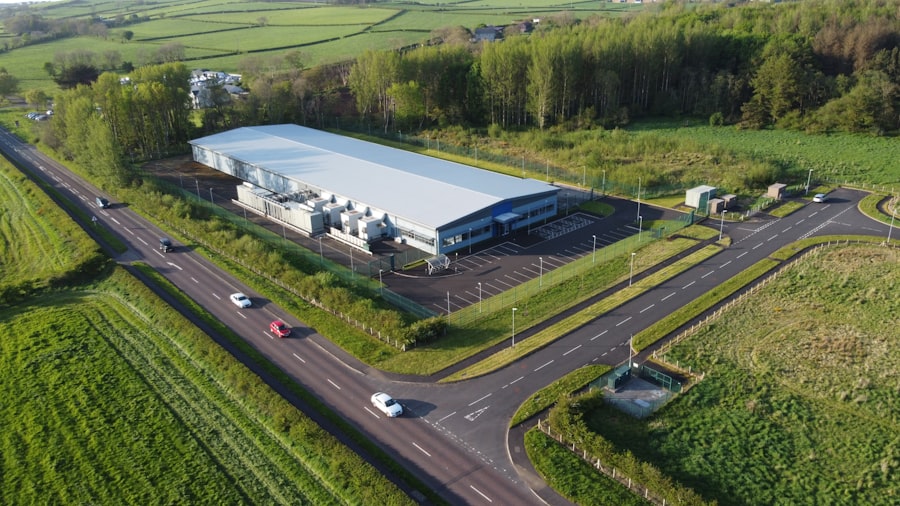
The impact of rising utility rates is undeniable, but it doesn’t signal the end of AI’s growth. Instead, it necessitates a shift in your strategic approach, pushing you to innovate and adapt.
Energy Efficiency as a Competitive Advantage
The most direct response is to double down on energy efficiency. This means investing in more power-efficient hardware, optimizing cooling systems, and implementing advanced power management software. You are looking for every opportunity to reduce the amount of energy consumed per unit of AI processing. Think of it as fine-tuning your engines for maximum fuel economy in a world where fuel prices are soaring. This isn’t just about cost savings; it’s about gaining a competitive edge. Data centers that can operate more efficiently will be more attractive to clients seeking predictable and manageable costs.
Location, Location, Location: Leveraging Favorable Energy Markets
Where you choose to build or expand your AI data centers becomes more critical than ever. You are now actively seeking regions with access to lower-cost electricity, particularly from renewable sources. This might involve looking at areas with abundant hydroelectric power, favorable solar and wind resources, or regions with established green energy initiatives. You are strategically positioning your operations to benefit from the most advantageous energy markets. This could mean relocating operations or prioritizing new builds in these specific geographical zones.
Power Purchase Agreements (PPAs) and Renewable Energy Integration
Securing long-term power purchase agreements (PPAs) with renewable energy providers can offer a degree of price stability and predictability. By locking in rates for renewable energy, you can mitigate the volatility of traditional utility rates. Furthermore, integrating on-site renewable energy generation, such as solar panels on your data center rooftops, can further reduce your reliance on grid power and lower your overall energy costs. You are actively forging partnerships and building your own energy generation capabilities to gain greater control over your energy supply and its associated costs.
As the demand for artificial intelligence continues to surge, many are concerned about the implications for energy consumption, particularly in AI data centers where rising utility rates can significantly impact operational costs. A recent article explores how these increasing rates are prompting companies to seek more energy-efficient solutions and alternative energy sources to mitigate expenses. For more insights on this topic, you can read the full discussion in the article available here.
The Future Landscape: Sustainability and Innovation
| AI Data Centers | Rising Utility Rates |
|---|---|
| Energy Consumption | Percentage Increase |
| Cooling Costs | Impact on Operating Expenses |
| Carbon Emissions | Regulatory Changes |
The challenges posed by rising utility rates are not merely short-term hurdles; they are catalysts for long-term innovation and a fundamental shift towards a more sustainable AI infrastructure.
The Drive for Greener AI
The economic pressure of high energy costs is accelerating the development and adoption of greener AI technologies. This includes research into more energy-efficient AI algorithms, hardware designed for lower power consumption, and the development of advanced cooling techniques that minimize energy usage. You are witnessing a powerful incentive for innovation in sustainability. The pursuit of cost reduction is directly fueling the development of a more environmentally responsible AI ecosystem.
Advanced Cooling Technologies and Their Role
As AI workloads become more dense, traditional cooling methods will struggle to keep up. You will see a greater adoption of advanced cooling technologies, such as immersion cooling (where servers are submerged in dielectric fluid) and liquid cooling directly to the chip. These methods are significantly more efficient at heat dissipation than air cooling, leading to substantial energy savings. These are not just incremental improvements; they represent a paradigm shift in how data centers manage heat and, consequently, their energy consumption.
The Circular Economy in Data Centers
Beyond energy, the broader concept of a circular economy is gaining traction in the data center industry. This involves designing for longevity, repairability, and eventual recycling of hardware. Reducing waste and extending the lifespan of components can contribute to a more sustainable and cost-effective operation in the long run. You are beginning to see a holistic approach to sustainability that encompasses not just energy but the entire lifecycle of your data center’s physical infrastructure. This comprehensive view is essential for navigating the complexities of the future.
In conclusion, you are undeniably entering a new phase where the economics of AI are inextricably linked to the cost of energy. The rise in utility rates presents a significant challenge, but it also serves as a powerful impetus for innovation, efficiency, and a more sustainable future for AI data centers. Your ability to adapt, to embrace new technologies, and to strategically navigate the energy landscape will determine the trajectory of your AI ambitions in the years to come. The future is being built, and its foundation will be powered by both computational might and a mindful approach to energy consumption.

Is AI About to Make Your Electric Bill Even Higher?
FAQs
What are AI data centers?
AI data centers are facilities that house computer systems and associated components, such as telecommunications and storage systems, that are used to collect, store, process, and distribute large amounts of data for AI applications and workloads.
How do AI data centers contribute to rising utility rates?
AI data centers consume significant amounts of electricity to power and cool the high-performance computing equipment required for AI workloads. This increased demand for electricity can lead to rising utility rates in the areas where these data centers are located.
What are the environmental impacts of AI data centers?
The high energy consumption of AI data centers can contribute to increased carbon emissions and environmental impact. Additionally, the cooling systems used to maintain optimal operating temperatures for the equipment can also have environmental consequences.
What measures are being taken to address the impact of AI data centers on utility rates and the environment?
Some measures being taken to address the impact of AI data centers include the use of more energy-efficient hardware, the implementation of renewable energy sources, and the development of advanced cooling technologies to reduce energy consumption and environmental impact.
How can businesses mitigate the impact of AI data centers on utility rates and the environment?
Businesses can mitigate the impact of AI data centers by implementing energy-efficient practices, investing in renewable energy sources, and optimizing the design and operation of their data centers to minimize energy consumption and environmental impact.