
You’re dreaming of owning your own home, a place to call your own, but the thought of crushing mortgages and sky-high prices is keeping you tethered to renting. The traditional housing market feels like a distant planet, impossibly out of reach. But what if we told you there’s a pathway to homeownership that’s both achievable and comfortable, a way to unlock your own slice of the dream without breaking the bank? We’re talking about manufactured homes under $100,000.
For too long, manufactured homes have been unfairly stereotyped, viewed as temporary or low-quality alternatives. This couldn’t be further from the truth in today’s market. Modern manufactured housing offers stylish, energy-efficient, and incredibly durable options that provide significant value and a genuine pathway to becoming a homeowner. This isn’t about compromising; it’s about smart choices. It’s about leveraging innovation and streamlined production to bring you the home you deserve at a price that makes sense. Imagine building equity, decorating your space, and finally having that sense of permanence and security. The $100,000 mark for a new, quality home might seem like a fantasy, but for many, it’s a very real and attainable goal with manufactured housing.
You’ve probably heard the term “manufactured home” before, and maybe your mind conjures images of outdated, flimsy structures. Let’s shatter that myth right now. The world of manufactured housing has undergone a revolution. These homes are built in controlled factory environments, adhering to stringent federal building codes – the HUD Code – which ensures quality, safety, and durability. This controlled setting allows for precision manufacturing, reduced waste, and a more efficient build process, all of which translate into significant cost savings for you, the buyer.
Think about it: building on-site is subject to weather delays, material spoilage, and on-site labor costs that can fluctuate wildly. A factory, on the other hand, operates year-round, with standardized processes and bulk purchasing power. This efficiency is the bedrock of why you can find beautiful, well-built manufactured homes well under the $100,000 threshold, something that’s becoming increasingly rare for site-built homes. You’re not buying a compromise; you’re buying a smart, modern solution to your housing needs.
The HUD Code: Your Assurance of Quality and Safety
It’s crucial to understand the regulatory framework that governs manufactured homes. Unlike site-built homes that are subject to local building codes, manufactured homes are built to a single, national standard: the U.S. Department of Housing and Urban Development (HUD) Code. This code is incredibly comprehensive, covering everything from structural integrity and fire safety to energy efficiency and plumbing.
Rigorous Standards, Superior Construction
The HUD Code is not a suggestion; it’s a mandate. Every stage of the manufacturing process is inspected by independent third-party agencies to ensure compliance. This means your home is built with a consistent level of quality, regardless of where it’s manufactured. You can rest assured that your home has undergone rigorous testing and inspection to meet the highest safety and structural standards.
What the HUD Code Covers
The HUD Code dictates everything from the minimum standards for insulation and ventilation to the requirements for electrical and plumbing systems. It ensures that manufactured homes are built to withstand various environmental conditions and provide a safe and healthy living environment. You’ll find features like reinforced framing, durable roofing materials, and advanced safety systems, all contributing to a robust and reliable home.
Factory Efficiency: Where Savings Are Born
The factory setting is the unsung hero of affordable manufactured housing. Imagine a workshop where every tool is optimized, every material is readily available, and every worker is highly skilled and focused on a specific task. That’s the essence of a modern manufactured home factory.
Streamlined Production Processes
Factory-built homes benefit from assembly-line production. This means that components are manufactured precisely, assembled efficiently, and quality checks are integrated at every step. This reduces labor time, minimizes waste, and allows manufacturers to produce homes at a significantly lower cost per square foot compared to traditional on-site construction.
Reduced Material Waste, Greener Building
The controlled environment also leads to less material waste. Because materials are ordered and used precisely for each home, there’s less cutting and discarding of lumber, drywall, and other building materials. This not only contributes to cost savings but also makes manufactured homes a more environmentally conscious choice.
If you’re interested in exploring affordable housing options, you might want to check out the article on manufactured homes under 100k. This insightful piece discusses the benefits and considerations of choosing a manufactured home as a cost-effective living solution. For more information, you can read the article here: Manufactured Homes Under 100k.
Exploring Your Options: What $100K Buys You in Manufactured Housing
The $100,000 price point for a manufactured home isn’t just about getting a roof over your head; it’s about opening the door to a surprisingly spacious and well-appointed living space. The variety of floor plans, sizes, and features available within this budget might genuinely surprise you. You’re not limited to a tiny box; you can find comfortable homes that cater to different lifestyles and family needs.
You’ll discover that the term “manufactured home” encompasses a range of styles and configurations, from single-section homes that are ideal for individuals or couples to multi-section homes that can offer ample living space for families. The key is understanding the different types and what they offer within your budget.
Single-Section Manufactured Homes: Efficient and Stylish
Single-section manufactured homes, often referred to as “single-wides,” are typically built on a single chassis and transported to your site in one piece. Don’t let the “single-section” label fool you; these homes have evolved dramatically. They offer a fantastic entry point into homeownership, providing comfortable living spaces without the higher price tag of multi-section models.
Smart Layouts for Comfortable Living
Manufacturers have become incredibly adept at designing efficient and functional layouts within single-section homes. You’ll find surprisingly spacious living areas, well-appointed kitchens, and private bedrooms. Many single-section homes offer one or two bedrooms and a single bathroom, making them perfect for individuals, couples, or small families.
Maximizing Square Footage, Minimizing Costs
The focus here is on maximizing every square foot. You’ll find open-concept living areas that make the space feel larger, smart storage solutions integrated throughout, and thoughtful placement of windows to enhance natural light. These homes are designed for comfortable, practical living, proving that affordability doesn’t mean sacrificing livability.
Multi-Section Manufactured Homes: Spacious and Feature-Rich
As you move up in size, you’ll encounter multi-section manufactured homes. These are built in two or more sections in the factory and then joined together on-site to create a larger, more expansive living space. This is where you can truly find homes that rival site-built residences in terms of size and features, all while staying within your $100,000 budget.
More Bedrooms, More Bathrooms, More Living Area
Multi-section homes offer the flexibility to have more bedrooms, more bathrooms, and significantly more overall living space. You can find three-bedroom, two-bathroom homes that are perfect for families, or even larger designs with bonus rooms and dedicated dining areas. The additional sections allow for more elaborate floor plans and a greater sense of spaciousness.
Customizable Features and Upgraded Finishes
Within the $100,000 range, you can also often find multi-section homes with upgraded finishes and features. This might include things like stainless steel appliances, granite countertops, premium flooring options, and more elaborate bathroom vanities. The ability to customize and select finishes allows you to personalize your home and make it truly yours.
Understanding the “Under $100K” Landscape: What to Expect
It’s important to set realistic expectations when looking at manufactured homes under $100,000. While the base price of the home itself might fall within this range, there are additional costs to consider. However, even with these added expenses, manufactured homes remain one of the most cost-effective ways to achieve homeownership.
Base Price vs. Total Cost
The advertised price of a manufactured home is usually the base price of the home itself, ex-factory. This doesn’t typically include land, delivery, installation, or any site preparation. It’s crucial to factor these elements into your overall budget.
Land Costs and Securing a Lot
The cost of land can vary dramatically depending on your desired location. You might own land outright, purchase a plot, or choose to place your manufactured home in a dedicated manufactured housing community or park. The latter often involves a monthly lot rent, which is an ongoing expense but can be significantly less than a mortgage payment.
Delivery and Installation: Essential Steps
Delivery and installation are critical components of the process. The cost of delivery will depend on the distance from the factory to your property. Installation involves setting up the home on its foundation, connecting utilities, and ensuring everything is properly secured. These costs are generally itemized by the dealer.
Navigating the Purchase Process: Your Step-by-Step Guide
Buying a manufactured home under $100,000 is an exciting journey, and being informed is your greatest asset. The process is similar in many ways to buying a traditional home, but there are specific nuances to understand. By approaching it systematically, you can ensure a smooth and successful purchase.
You’ll want to start with your finances, as this will dictate what you can afford and what lenders will offer. Then, you’ll begin exploring the market, visiting dealerships, and understanding the options available to you. The goal is to move from dreaming to actively planning and executing your homeownership aspirations.
Securing Financing: Your Financial Foundation
Just like with any home purchase, financing is a crucial first step. Fortunately, there are various loan options available for manufactured homes, and many lenders understand their value and long-term viability.
Traditional Mortgages and Specialized Loans
You might be surprised to learn that manufactured homes can often be financed with traditional mortgages, especially if they are permanently affixed to land you own. There are also specialized loans designed specifically for manufactured housing, such as FHA loans, VA loans, and chattel loans (which are secured by the home itself, not the land).
Understanding Interest Rates and Loan Terms
As with any loan, understanding interest rates and loan terms is paramount. Shop around with different lenders to compare rates and fees. A slightly lower interest rate can save you thousands of dollars over the life of the loan. Your dealer can often guide you toward reputable lenders who specialize in manufactured home financing.
Choosing Your Home and Dealer: Making Informed Decisions
Selecting the right manufactured home and the right dealer are equally important. This is where your research and due diligence will pay off. Don’t rush this process; take your time to find a home that fits your needs and a dealer you trust.
Visiting Show Homes and Model Centers
The best way to get a feel for what’s available is to visit the model centers and show homes of reputable manufactured home dealers. This allows you to walk through different floor plans, experience the quality of construction firsthand, and get a sense of the available finishes and features.
Questions to Ask Your Dealer
Don’t be shy! Ask plenty of questions. Inquire about the warranty, energy efficiency ratings, and any included features. Understand what’s standard and what’s an upgrade. Also, ask about the delivery and installation process and get detailed quotes for all associated costs. A good dealer will be transparent and helpful.
Understanding Land Options: Where Will Your Home Reside?
The location of your manufactured home is a significant consideration, and it impacts both the overall cost and the lifestyle you’ll enjoy. You have several options when it comes to securing land for your manufactured home.
Owning Your Land: The Ultimate Freedom
If you already own land or plan to purchase a plot, this offers the most autonomy. You have complete control over where your home is placed and can customize the surrounding landscape to your liking. However, you’ll need to ensure the land is suitable for a manufactured home, which may involve site preparation.
Manufactured Housing Communities: Convenience and Community
Many people opt to place their manufactured homes in dedicated manufactured housing communities. These communities offer a sense of camaraderie and shared amenities, such as clubhouses, swimming pools, and recreational areas. The primary advantage here is that you don’t have to worry about land ownership and maintenance; you pay a monthly lot rent.
Renting Land: A Flexible Alternative
In some cases, you might be able to rent a plot of land specifically for your manufactured home. This can be a more flexible option, especially if you’re not ready for a long-term commitment to land ownership. However, ensure you have a clear understanding of the lease terms and any restrictions.
Beyond the Purchase Price: Hidden Costs and Value Considerations
While the $100,000 price point is the gateway, being aware of potential “hidden” costs is essential for true affordability. However, it’s also important to frame these costs within the immense value proposition of manufactured homes. They are designed for efficiency, and this extends to ongoing ownership costs.
You’re not just buying a house; you’re investing in a lifestyle and a long-term financial asset. Understanding these additional factors will help you make a more informed decision and ensure you’re getting the best possible value.
Site Preparation: Laying the Groundwork
Before your home can be delivered and installed, your chosen site needs to be prepared. This is one of the most significant additional costs to factor in. The extent of site preparation will depend on the condition of your land and the type of foundation you choose.
Foundation Options: From Piers to Permanent
Manufactured homes can be set on various types of foundations. Options include concrete piers, concrete slabs, or full basement foundations. The choice of foundation will impact the cost and the permanent nature of your home. A permanent foundation can increase your home’s value and make it eligible for certain types of financing.
Utility Connections: Hooking Up to Services
Connecting your home to essential utilities such as water, sewer or septic, electricity, and natural gas (if available) is a crucial step. The cost of these connections will vary depending on the proximity of existing utility lines to your home site. This is an area where professional installation is essential.
Ongoing Ownership Costs: Long-Term Affordability
One of the biggest advantages of manufactured homes is their lower ongoing ownership costs. They are designed with energy efficiency in mind, which translates into significant savings on utility bills.
Energy Efficiency: Saving You Money Month After Month
Modern manufactured homes are built to rigorous energy efficiency standards. This includes features like high-performance insulation, energy-efficient windows and doors, and often ENERGY STAR® certified appliances. These features reduce your heating and cooling costs, a substantial portion of household expenses.
Maintenance and Repair: Simpler and More Affordable
Generally, manufactured homes require less extensive and less costly maintenance compared to traditional homes. The materials used are durable and designed for longevity. Routine maintenance tasks are often straightforward and can be handled by the homeowner, further contributing to long-term affordability.
Resale Value: An Investment in Your Future
The perception of manufactured homes as having poor resale value is largely outdated. As quality and design have improved, so too has their appeal to future buyers. When properly maintained and situated on land, manufactured homes can be excellent investments.
Factors Influencing Resale Value
Key factors influencing the resale value of a manufactured home include its condition, age, the quality of its foundation, and the desirability of its location. Homes that are well-maintained, updated with modern features, and situated in sought-after neighborhoods tend to hold their value and appreciate over time.
When to Consider Manufactured Homes as an Investment
If you’re looking for a way to build equity and wealth without the burden of an enormous initial investment, a manufactured home under $100,000 can be a strategic move. It allows you to enter the real estate market sooner and start benefiting from property appreciation.
If you’re exploring affordable housing options, you might find interest in the world of manufactured homes, especially those priced under 100k. These homes can offer a practical solution for budget-conscious buyers looking for a place to call their own. For more insights on this topic, you can check out a related article that discusses various aspects of manufactured homes and their benefits. You can read more about it here.
The Lifestyle Factor: More Than Just Four Walls and a Roof
| Metric | Value | Notes |
|---|---|---|
| Average Price | 85,000 | Typical cost for a new manufactured home under 100k |
| Square Footage | 600 – 1,200 sq ft | Common size range for affordable models |
| Bedrooms | 2 – 3 | Most models include 2 to 3 bedrooms |
| Bathrooms | 1 – 2 | Standard bathroom count |
| Construction Time | 4 – 8 weeks | Typical manufacturing and delivery period |
| Energy Efficiency | Moderate to High | Many models include energy-efficient features |
| Financing Options | Available | Loans and mortgages often accessible for these homes |
| Warranty | 10 – 15 years | Manufacturer warranties vary by company |
| Common Materials | Steel frame, vinyl siding | Durable and cost-effective materials used |
Choosing a manufactured home under $100,000 isn’t just about a financial transaction; it’s about unlocking a lifestyle. It’s about the freedom to personalize your space, the security of owning your home, and the potential to live in a community that suits your preferences. This isn’t a temporary solution; it’s a stepping stone to a fulfilling homeownership experience.
You’re not just buying a dwelling; you’re investing in a place where you can build memories, raise a family, and enjoy the comforts of having your own dedicated space. The affordability opens up possibilities that might have seemed out of reach just a short time ago.
Personalizing Your Space: Making it Uniquely Yours
One of the most rewarding aspects of homeownership is the ability to personalize your surroundings. With a manufactured home, you have ample opportunity to infuse your personality and style into your living space.
Interior Design and Customization
From paint colors and flooring to fixtures and appliances, you have the freedom to choose finishes that reflect your taste. Many manufacturers offer a range of customization options, allowing you to create a home that feels truly yours. Even after you move in, you can continue to update and renovate to keep your home current and comfortable.
Creating Outdoor Living Areas
The land surrounding your manufactured home provides the canvas for your outdoor living dreams. Whether it’s a small garden, a patio for entertaining, or a play area for children, you can design an outdoor space that complements your indoor living and enhances your quality of life.
Community Living: Finding Your Niche
Manufactured housing communities offer diverse living environments, each with its own unique charm and amenities. Whether you’re seeking an active adult community, a family-friendly neighborhood, or a quiet, secluded setting, there’s likely a community that fits your lifestyle.
Amenities and Social Opportunities
Many manufactured housing communities boast a wide array of amenities, such as swimming pools, fitness centers, clubhouses, playgrounds, and walking trails. These facilities provide opportunities for recreation, socializing, and staying active. They foster a sense of belonging and can enhance your overall living experience.
Peace of Mind and Security
Living in a well-managed manufactured housing community often provides an added layer of peace of mind. These communities are typically well-maintained, secure, and offer a supportive environment. You benefit from shared responsibilities and the knowledge that your neighbors are invested in the community’s upkeep.
Building Equity and Financial Freedom
Perhaps the most significant lifestyle benefit of owning a manufactured home under $100,000 is the ability to build equity and achieve financial freedom sooner. By investing in your own property, you’re putting your money to work for you, rather than paying rent to a landlord.
A Stepping Stone to Future Homeownership
For many, a manufactured home is the first rung on the ladder of homeownership. It allows you to start building equity and demonstrating your ability to manage a mortgage. This can be a crucial step towards purchasing a larger or more traditional home in the future.
The Power of Owning vs. Renting
The long-term financial implications of owning versus renting are undeniable. While rent payments disappear into your landlord’s pocket, mortgage payments build your ownership stake. This fundamental difference can lead to significantly greater financial security and wealth accumulation over time.
You’re not just settling for less; you’re making a smart, strategic choice to achieve your homeownership goals. The world of manufactured homes under $100,000 is brimming with possibilities. It’s a testament to innovation, efficiency, and the enduring dream of having a place to truly call your own. So, start exploring, start dreaming, and take that confident step towards your affordable, comfortable, and fulfilling homeownership future.
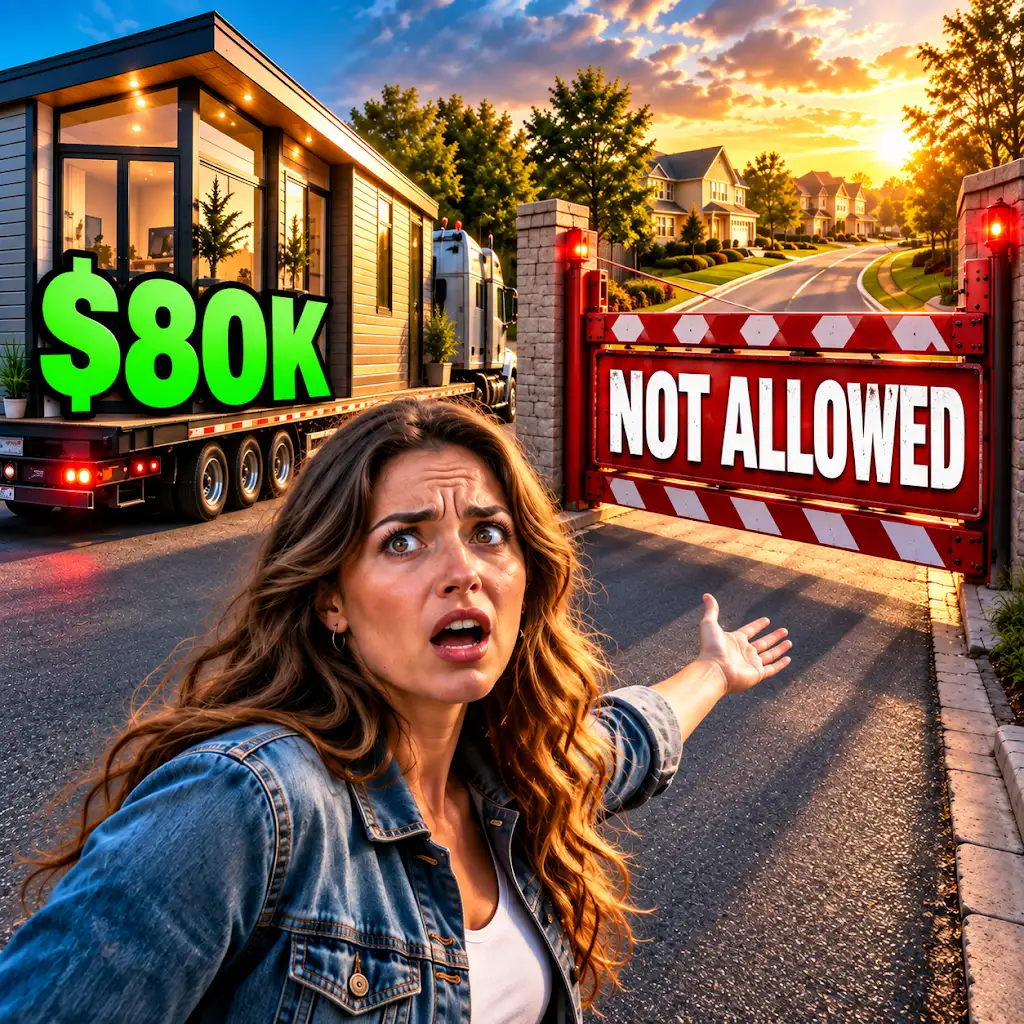
The $80,000 House You’re Not Allowed to Put Anywhere
FAQs
1. What are manufactured homes under 100k?
Manufactured homes under 100k are prefabricated homes that are built in a factory and then transported to a site for installation. These homes are typically more affordable than traditional site-built homes.
2. What are the benefits of purchasing a manufactured home under 100k?
Some benefits of purchasing a manufactured home under 100k include lower cost, quicker construction time, energy efficiency, and the ability to customize certain features. These homes can be a more affordable housing option for many individuals and families.
3. Are manufactured homes under 100k of good quality?
Manufactured homes under 100k can vary in quality depending on the manufacturer and construction standards. It is important to research different manufacturers and inspect the home thoroughly before making a purchase. Many manufactured homes are built to meet strict building codes and standards.
4. What factors can affect the cost of a manufactured home under 100k?
Factors that can affect the cost of a manufactured home under 100k include the size of the home, the materials used, the location of the site, customization options, and any additional features or upgrades. It is important to consider all of these factors when budgeting for a manufactured home.
5. Can manufactured homes under 100k be financed?
Yes, manufactured homes under 100k can be financed through various lenders, including banks, credit unions, and specialized manufactured home lenders. It is important to shop around for the best financing options and to have a good understanding of the terms and conditions of the loan.