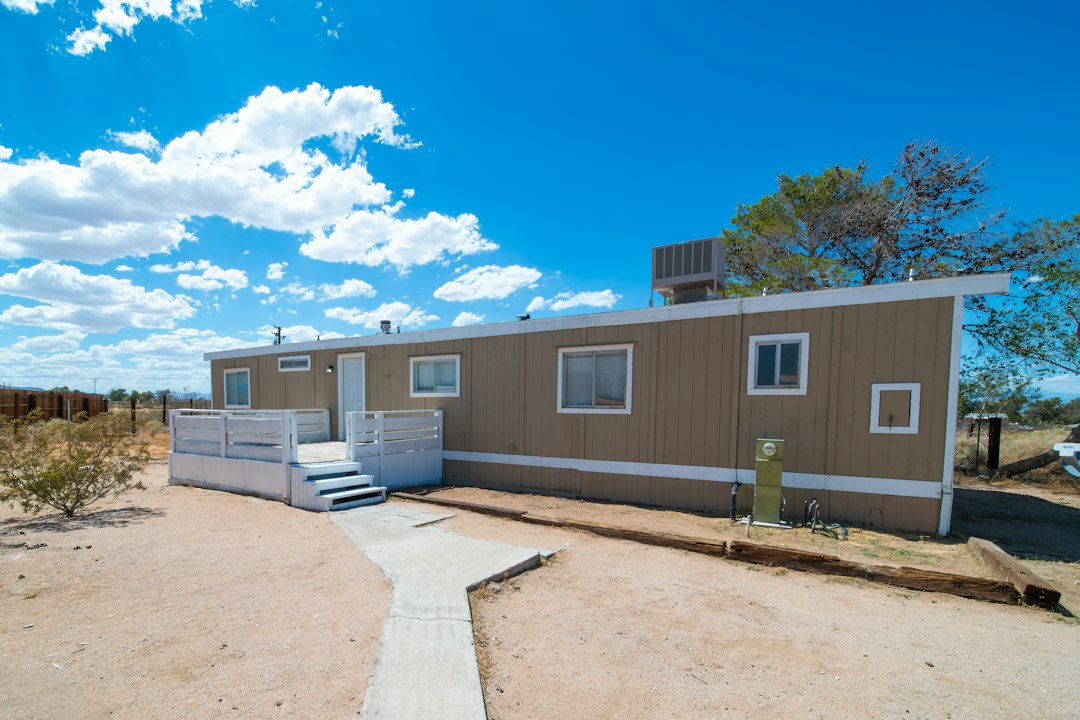
You’re standing at a crossroads, the dream of homeownership feeling increasingly out of reach. The soaring prices of traditional houses in your area have you questioning if it’s even possible to have a comfortable, spacious place to call your own without breaking the bank. You envision a home with enough room for your family, a place to entertain friends, maybe even a home office or a dedicated play area for the kids. But every open house reveals the same story: sticker shock. You’ve heard whispers, seen the occasional ad, about manufactured homes. Perhaps you’ve dismissed them as temporary solutions or something less than ideal. But what if we told you that your dream home, a substantial three-bedroom dwelling, could be yours for under $100,000? It’s not a fantasy; it’s a tangible reality waiting to be explored. This isn’t about settling for less; it’s about making a smart, strategic decision that unlocks the door to homeownership and a fulfilling lifestyle without the crushing weight of an overwhelming mortgage. Let’s dive into the world of affordable living and discover how a three-bedroom manufactured home under $100,000 can be your gateway to financial freedom and a comfortable life.
You’ve been conditioned to believe that “home” means a site-built structure, a house with a foundation dug deep into the earth. While those homes have their merits, their escalating costs have pushed many aspiring homeowners to the sidelines. This is where the manufactured home shines, offering a compelling alternative that doesn’t compromise on space, comfort, or functionality. The key to understanding the affordability of manufactured homes lies in their construction process.
The Efficiency of Factory Construction
Precision and Predictability
Imagine building your home in a controlled environment, shielded from the unpredictable whims of weather. That’s precisely what happens in a manufactured home factory. Under one roof, skilled craftspeople work with precise blueprints and standardized materials, ensuring a consistent and high-quality build. This controlled environment eliminates costly delays caused by rain, snow, or wind, translating directly into lower labor costs and a more predictable construction timeline. You’re not paying for weather delays; you’re paying for efficient, factory-line production.
Bulk Purchasing and Reduced Waste
Factory builders purchase materials in massive quantities, often negotiating significant discounts that aren’t accessible to individual home builders. This bulk purchasing power reduces the per-unit cost of everything from lumber and drywall to plumbing fixtures and insulation. Furthermore, the factory setting allows for optimized material usage and recycling, minimizing waste. This reduction in material costs and waste is a direct contributor to the overall lower price of a manufactured home.
Streamlined Labor and Reduced Overhead
Unlike site-built homes that require a large, dispersed crew working on location, manufactured homes are built by a dedicated team in a centralized facility. This streamlines labor management, reduces transportation costs for workers, and minimizes the overhead associated with managing multiple construction sites. The efficiency gained here is a significant factor in keeping costs down.
No Land Costs (Typically)
A crucial element in understanding the sub-$100,000 price point for a three-bedroom manufactured home is that, in most cases, this price excludes the cost of land. You are purchasing the home itself, not the ground it sits on. This might mean placing your manufactured home in a dedicated manufactured home community, on leased land, or on land you already own. This distinction is vital for accurate budgeting and expectation setting.
The Value Proposition: Space and Functionality Under $100K
When you look at three-bedroom homes on the traditional market, finding anything under $100,000 often means compromising on size, condition, or location. You might be looking at a fixer-upper, a tiny home, or a property in a less desirable neighborhood. A three-bedroom manufactured home, however, can offer you a surprisingly generous amount of living space and modern amenities within this budget.
Generous Square Footage for Family Life
You’re not confined to cramped quarters. Manufactured homes are designed with family living in mind. A three-bedroom model can easily offer 1,200 to 1,500 square feet or more of living space. This translates to comfortable bedrooms for everyone, a spacious living area for gatherings, and often a separate dining space or kitchen nook. Imagine having the room to breathe, to spread out, and for each family member to have their own personal sanctuary.
Modern Features and Thoughtful Design
Don’t mistake affordability for outdated design. Modern manufactured homes come equipped with a surprising array of desirable features. You’ll find energy-efficient windows and appliances, contemporary kitchen cabinetry, stylish countertops (often laminate or solid surface), modern bathrooms with appealing fixtures, and durable flooring options. Many floor plans are designed with open-concept living in mind, creating a sense of spaciousness and flow. You can find homes with walk-in closets, master suites with en-suite bathrooms, and ample storage solutions.
Customization and Personalization Options
While you might not be digging foundations or framing walls from scratch, many manufactured home retailers offer a degree of customization. You can often choose from various exterior finishes, interior color palettes, flooring types, and even appliance packages. This allows you to inject your personal style and create a home that truly reflects your taste and needs. You can make it feel uniquely yours without incurring the substantial costs of custom building.
If you’re considering purchasing a three-bedroom manufactured home for under $100,000, you might find valuable insights in this related article. It provides tips on financing options, maintenance considerations, and the benefits of manufactured homes in today’s market. For more information, check out the article here: How Wealth Grows.
Navigating the Options: Finding Your Perfect Three-Bedroom Home
The journey to finding your sub-$100,000 three-bedroom manufactured home begins with understanding the different types and where to find them. It’s an exploration, an adventure, and with a little research, you’ll uncover possibilities you may not have even considered.
Understanding Manufactured vs. Mobile Homes
It’s important to clarify the terminology. While often used interchangeably, “manufactured homes” and “mobile homes” have distinct meanings, particularly when it comes to regulations and modern construction.
Manufactured Homes: Built to Today’s Standards
Modern homes built in factories since June 15, 1976, are classified as “manufactured homes.” They are built to the strict federal HUD (Department of Housing and Urban Development) code, which ensures safety, quality, and energy efficiency standards. These homes are built on a permanent steel chassis and are designed for long-term, stationary living. They are often indistinguishable from site-built homes once properly installed.
Mobile Homes: An Older Classification
“Mobile homes” generally refer to homes built before the HUD code was established. These homes may not meet the same rigorous standards and are often less durable. When we discuss affordable three-bedroom homes under $100,000, we are almost exclusively referring to modern manufactured homes.
Exploring Different Retailers and Communities
Your search will likely lead you to two primary avenues for finding manufactured homes:
Manufactured Home Retailers: The Showroom Experience
These dealerships are dedicated to selling new manufactured homes. They typically have a wide selection of models on display, allowing you to walk through different floor plans, get a feel for the finishes, and speak with sales professionals.
New vs. Used Manufactured Homes
You’ll find both new and pre-owned manufactured homes. New homes offer the latest designs, warranties, and customization options. Used homes can be an even more budget-friendly option, but it’s crucial to have them thoroughly inspected for any potential issues.
Financing Options at Retailers
Many manufactured home retailers have established relationships with lenders specializing in manufactured home financing. They can guide you through the loan application process, which can sometimes be different from traditional mortgage lending.
Manufactured Home Communities: Homes with Land Options
These communities are designed to house manufactured homes. They offer a sense of neighborhood and can provide a more complete living solution, often including amenities and services.
Lot Leases: The Most Common Scenario
In most manufactured home communities, you purchase the home itself and then lease the lot it sits on. This monthly lot rent covers the use of the land, community maintenance, and often access to amenities like clubhouses, swimming pools, or playgrounds. This arrangement significantly lowers the upfront cost of homeownership.
Purchasing Land and Placing Your Home
Alternatively, you may own land or purchase a parcel specifically for your manufactured home. This gives you more freedom and eliminates lot rent, but it will increase your overall upfront investment. You’ll then need to ensure the land is properly zoned and prepared for manufactured home installation.
Key Features to Look For in a Three-Bedroom Model
When you’re browsing, keep an eye out for these elements that contribute to value and livability:
Floor Plan Layouts: Open vs. Traditional
Do you prefer an open-concept living area where the kitchen, dining, and living rooms flow seamlessly, or a more traditional layout with distinct rooms? Consider how your family lives and entertains.
Kitchen and Bathroom Finishes: Style and Durability
Look for durable countertops (laminate, solid surface), attractive cabinetry, and modern fixtures. For bathrooms, consider the layout, tub/shower options, and vanity styles.
Energy Efficiency: Long-Term Savings
Inquire about insulation levels, window types (double-pane, low-E), and appliance energy ratings. These features will impact your utility bills for years to come.
Storage Solutions: Maximizing Space
Look for ample closet space in bedrooms, pantry storage in the kitchen, and potential for built-in shelving or cabinets.
Beyond the Purchase Price: Understanding Additional Costs
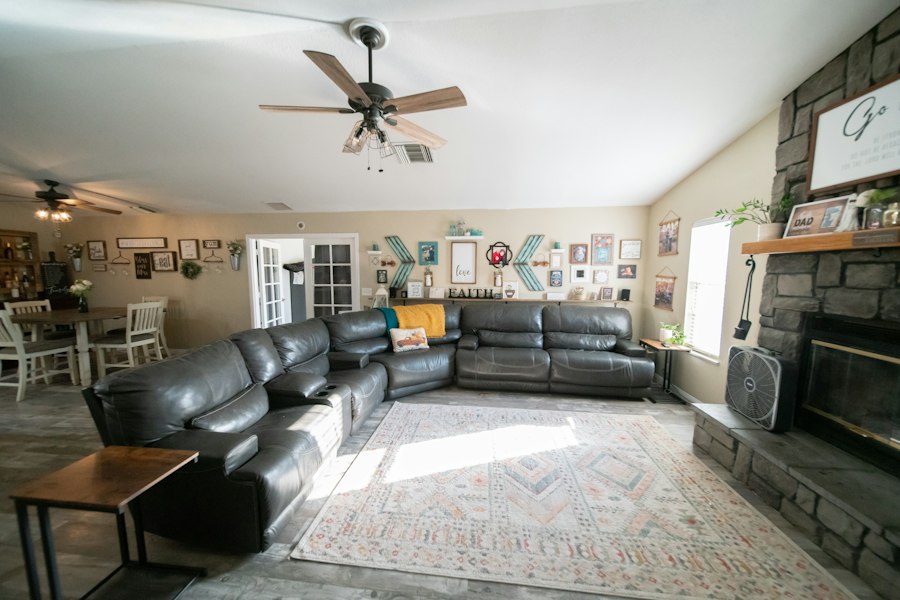
It’s crucial to have a comprehensive understanding of all the expenses involved in owning a manufactured home, not just the sticker price. While the sub-$100,000 price tag is incredibly attractive, there are other factors to consider to ensure you can comfortably afford your new home.
The Cost of Land: Your Biggest Variable
As mentioned, the sub-$100,000 price typically refers to the home itself. The cost of land is a separate and significant consideration.
Lot Rent in Manufactured Home Communities
This is a recurring monthly expense. Lot rents can vary widely depending on the community’s location, amenities, and services provided. Researching the typical lot rents in your desired areas is essential for budgeting. Some communities also have an upfront security deposit or a move-in fee.
Purchasing Land: A Larger Upfront Investment
If you choose to buy land, you’ll incur costs for the land itself, property taxes, and any site preparation required. This can range from tens of thousands to hundreds of thousands of dollars, depending on your location and the size of the parcel.
Site Preparation and Installation: Getting Your Home Ready
Once you’ve purchased your home, it needs to be transported to its location and installed. This involves several costs:
Transportation Fees: Moving Your Home
The cost of transporting your manufactured home from the factory or retailer to its final destination. This is usually based on distance and the size of the home.
Foundation and Anchoring: Ensuring Stability
Your home will need to be placed on a suitable foundation and properly anchored to the ground according to local building codes and manufacturer specifications. This might involve concrete blocks, piers, or a concrete slab. The complexity and cost will depend on the chosen method and the terrain.
Utility Connections: Hooking Up the Essentials
You’ll need to connect your home to essential utilities: water, sewer or septic, electricity, and gas (if applicable). The cost of these connections can vary significantly based on the proximity of existing utility lines and any necessary trenching or infrastructure work.
Permitting and Inspections: Compliance and Safety
Most local jurisdictions require permits for the installation of manufactured homes and subsequent inspections to ensure compliance with building codes. These fees are necessary for legal and safe occupancy.
Ongoing Expenses: Living in Your Home
Beyond the initial setup, you’ll have regular expenses to manage:
Property Taxes (If You Own Land)
If you own the land your manufactured home is on, you will be responsible for annual property taxes. The amount will depend on your local tax rates and the assessed value of your property.
Homeowner’s Insurance: Protecting Your Investment
While manufactured homes are built to stringent standards, homeowner’s insurance is crucial to protect against unforeseen events like fire, storm damage, or theft. The cost will vary based on the value of your home, your location, and the coverage you choose.
Maintenance and Repairs: Keeping Your Home in Top Shape
Like any home, manufactured homes require ongoing maintenance to keep them in good condition. This can include routine tasks like cleaning gutters, sealing exterior finishes, and maintaining appliances, as well as occasional repairs. Budgeting for these can help prevent larger, more expensive issues down the line.
Utility Costs: The Ongoing Investment
Your monthly utility bills for electricity, gas, water, and sewer will be a significant ongoing expense. Investing in energy-efficient features during your purchase can help mitigate these costs over time.
Financing Your Dream: Making it Accessible
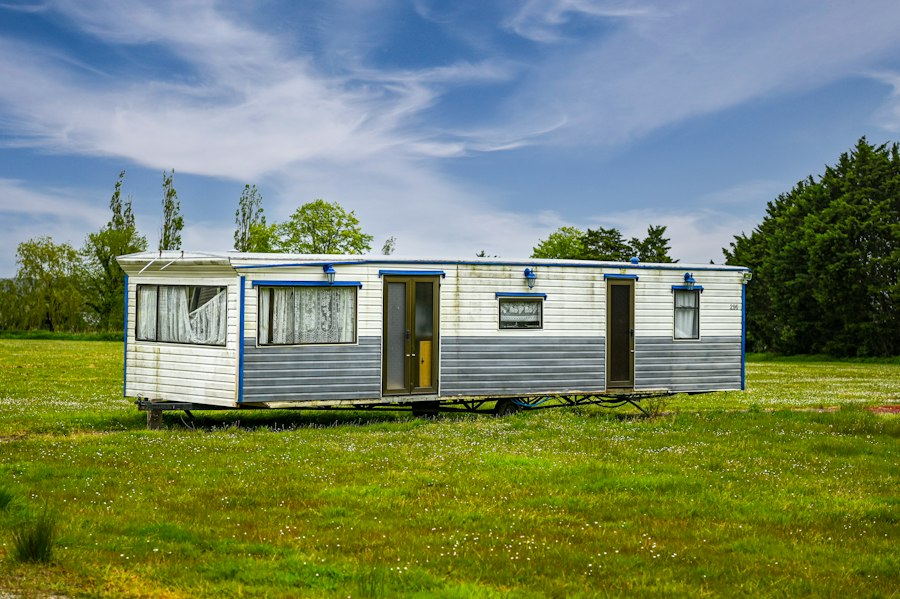
The prospect of a sub-$100,000 three-bedroom home is exciting, but how do you actually make it happen financially? Fortunately, there are various financing options tailored to manufactured homes.
Traditional Mortgages: Sometimes an Option
For manufactured homes that are permanently affixed to land you own and meet certain criteria (e.g., built on a permanent foundation), you may qualify for traditional mortgages, similar to those for site-built homes.
Requirements for Traditional Mortgages
Lenders will assess your creditworthiness, income, and debt-to-income ratio. They will also require appraisals of both the home and the land, as well as proof of permanent installation. The eligibility for traditional mortgages can vary significantly by lender and location.
Chattel Loans: The Most Common Financing for Manufactured Homes
When you purchase a manufactured home that will be placed in a community with a leased lot, or on land you don’t own, you’ll typically use a chattel loan.
Understanding Chattel Loans
Chattel loans are secured by the manufactured home itself, not by real estate. They are similar to car loans, where the vehicle serves as collateral. These loans often have slightly higher interest rates than traditional mortgages but are specifically designed for this type of housing.
Working with Specialized Lenders
Many credit unions and financial institutions specialize in chattel loans for manufactured homes. It’s worth shopping around to compare interest rates, terms, and fees.
Land-Home Packages: A Streamlined Approach
Some retailers and communities offer “land-home packages.” This means they can help you finance both the purchase of the land and the manufactured home together in a single loan.
Benefits of Land-Home Packages
These packages can simplify the financing process by dealing with one lender. They can also be more advantageous in terms of interest rates and loan terms compared to securing separate loans.
Government-Backed Loans: Potential Avenues
While less common for manufactured homes than for site-built homes, some government-backed loan programs may be applicable, depending on your circumstances and the type of home.
FHA Loans and VA Loans
FHA (Federal Housing Administration) and VA (Department of Veterans Affairs) loans can sometimes be used for manufactured homes, particularly if they meet specific HUD guidelines and are permanently affixed to land. It’s essential to consult with a lender familiar with these programs.
The Importance of a Good Credit Score
Regardless of the financing option you choose, your credit score will play a significant role in your interest rate and loan approval. Take steps to improve your credit if necessary:
Review Your Credit Report
Obtain free copies of your credit reports from the major credit bureaus (Equifax, Experian, TransUnion) and review them for any errors.
Pay Bills On Time
Consistent, on-time payments are the most crucial factor in building a good credit score.
Reduce Debt
Lowering your credit utilization ratio (the amount of credit you’re using compared to your total available credit) can positively impact your score.
If you’re in the market for an affordable living option, you might find interest in a recent article discussing three-bedroom manufactured homes priced under 100k. This insightful piece explores various options available, highlighting the benefits of choosing a manufactured home for budget-conscious buyers. For more information on this topic, you can read the full article here: affordable housing solutions.
Embracing the Lifestyle: More Than Just a House
| Metric | Value | Notes |
|---|---|---|
| Price Range | 80,000 – 100,000 | Depends on location and features |
| Square Footage | 1,000 – 1,400 sq ft | Typical size for 3-bedroom models |
| Bedrooms | 3 | Standard for this category |
| Bathrooms | 2 | Usually includes a master bath and a guest bath |
| Year Built | 2015 – 2024 | Newer models available under 100k |
| Energy Efficiency | High | Many models include energy-efficient appliances and insulation |
| Foundation Type | Permanent or Pier & Beam | Varies by installation site |
| Warranty | 10 – 15 years | Manufacturer warranty typical |
| Average Delivery Time | 4 – 8 weeks | From order to installation |
| Customization Options | Moderate | Floor plans and finishes can be customized |
Owning a three-bedroom manufactured home for under $100,000 isn’t just about acquiring a physical structure; it’s about embracing a lifestyle that prioritizes financial well-being, community, and comfort. This choice opens doors to opportunities and freedoms that might otherwise be out of reach.
Financial Freedom and Reduced Debt Burden
The most significant advantage of this affordable housing option is the liberation from crushing mortgage payments. By investing in a manufactured home, you can significantly reduce your housing costs compared to traditional homeownership. This financial breathing room allows you to:
Save for the Future
With lower housing expenses, you have more disposable income to allocate towards savings, investments, or paying down other debts. This can accelerate your journey towards financial independence.
Pursue Your Passions
Imagine being able to afford that vacation you’ve always dreamed of, invest in a new hobby, or take a career risk knowing your housing costs are manageable. This freedom can lead to a more fulfilling and less stressful life.
Build Equity Without the Overwhelming Pressure
While you are building equity, the pressure to constantly upgrade or maintain an increasingly expensive property is lessened. You can enjoy your home and build wealth at a pace that suits you.
The Sense of Community: Belonging and Connection
Many manufactured home communities foster a strong sense of belonging and camaraderie. This isn’t just about being neighbors; it’s about shared experiences and mutual support.
Organized Activities and Social Events
Communities often host potlucks, holiday parties, game nights, and other social gatherings, providing ample opportunities to meet and connect with your neighbors.
Shared Amenities and Resources
Access to community clubhouses, swimming pools, playgrounds, and common areas encourages interaction and shared enjoyment. You have access to facilities that might be prohibitively expensive to have in a single-family home.
Mutual Support and Security
In a close-knit community, neighbors often look out for each other, creating a safer and more supportive environment. This can be particularly valuable for seniors or families.
Practicality and Convenience: A Smart Choice for Modern Living
Beyond the financial and social aspects, manufactured homes offer practical advantages that align with a modern, streamlined lifestyle.
Energy Efficiency and Lower Utility Bills
Modern manufactured homes are built with energy-efficient materials and designs, leading to lower utility bills. This translates to long-term savings and a smaller environmental footprint.
Low Maintenance and Hassle-Free Living
With professionally managed communities or well-built homes, the burden of extensive property maintenance can be significantly reduced. This frees up your time and energy for activities you enjoy.
Ideal for Various Life Stages
Whether you’re a young family starting out, a retiree looking to downsize, or anyone seeking affordable and comfortable living, a three-bedroom manufactured home can be an excellent fit. It provides the space needed for growing families while offering a manageable and budget-friendly option for those seeking to simplify.
Redefining Homeownership: A Smart Investment
The narrative around manufactured homes is evolving. They are no longer just a starter home or a temporary solution. They represent a smart, strategic investment in your future. By choosing a three-bedroom manufactured home under $100,000, you are making a conscious decision to prioritize your financial well-being, gain access to quality living space, and embrace a lifestyle of comfort and community. It’s about making your homeownership dream a reality, without the unnecessary financial burden. You have the power to make an informed choice that aligns with your values and aspirations. It’s time to explore the possibilities and discover how this affordable option can be the perfect foundation for your future.
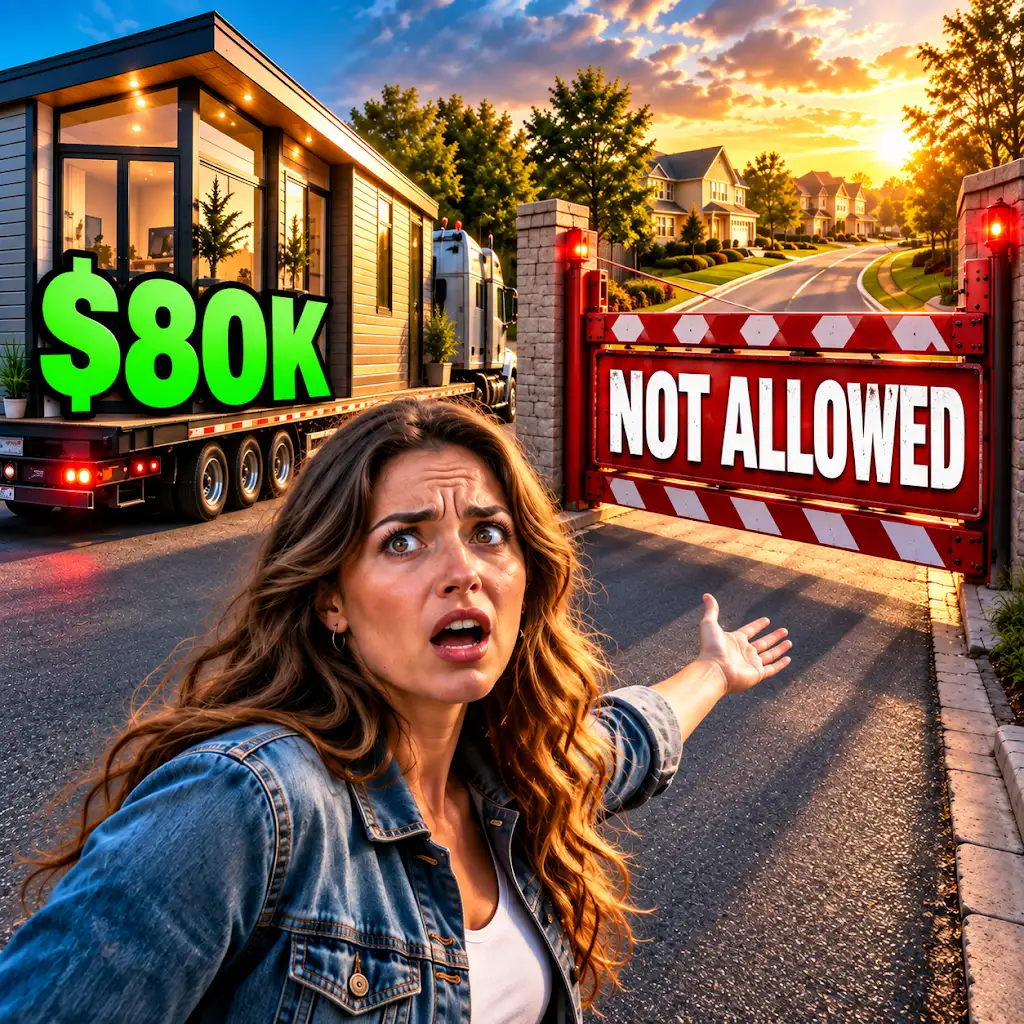
The $80,000 House You’re Not Allowed to Put Anywhere
FAQs
1. What is a three bedroom manufactured home?
A three bedroom manufactured home is a prefabricated home that is built off-site in a factory and then transported to a designated location for installation. It typically includes three bedrooms, a living room, kitchen, and bathroom.
2. How much does a three bedroom manufactured home under 100k cost?
A three bedroom manufactured home under 100k typically costs between $70,000 to $100,000, depending on the size, features, and location. These homes offer an affordable housing option for those looking to purchase a new home.
3. What are the benefits of buying a three bedroom manufactured home under 100k?
Some benefits of buying a three bedroom manufactured home under 100k include affordability, quick construction time, energy efficiency, customization options, and the ability to choose a location for installation. These homes are also built to meet strict building codes and standards.
4. Are there any drawbacks to purchasing a three bedroom manufactured home under 100k?
Some drawbacks of purchasing a three bedroom manufactured home under 100k may include limited customization options, potential for depreciation in value over time, and restrictions on where the home can be placed. Additionally, financing options for manufactured homes may differ from traditional home loans.
5. How can I find a three bedroom manufactured home under 100k?
You can find three bedroom manufactured homes under 100k by researching online listings, contacting local manufactured home dealers, visiting model homes, attending home shows, and exploring financing options. It’s important to thoroughly research and compare different options before making a purchase.