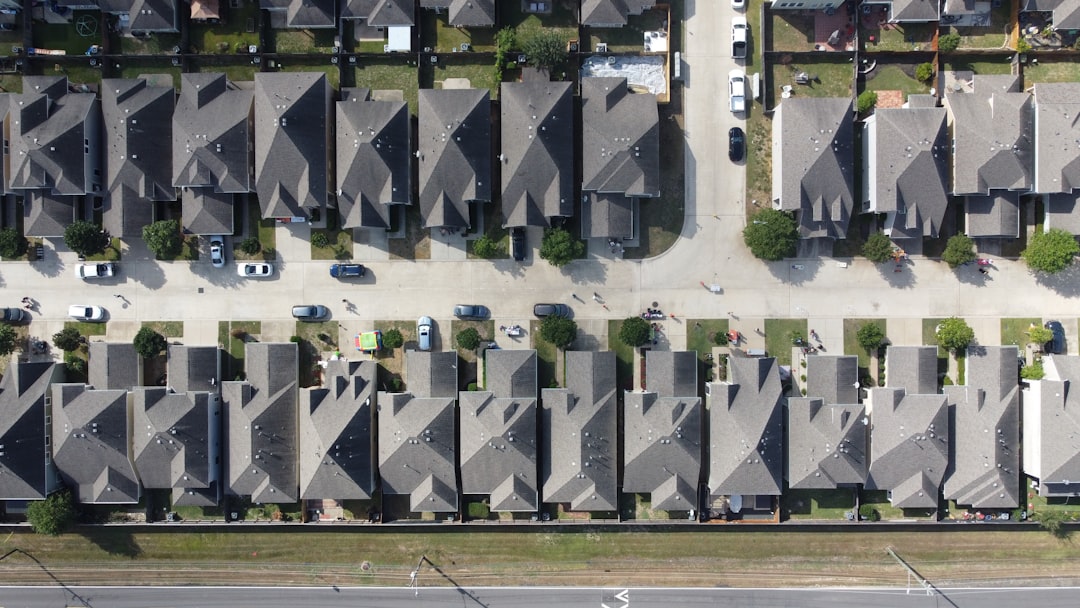
You’re a Texan, and you’re feeling the squeeze. The dream of owning a home, or even renting a decent place without breaking the bank, feels increasingly out of reach. You’re not alone. The cost of housing in the Lone Star State has skyrocketed, leaving many of your neighbors wondering how they’ll keep a roof over their heads. But there’s good news: Texas is a state known for its ingenuity and resilience, and that spirit is being applied to finding solutions for affordable housing. You’ll discover that while the challenges are significant, a range of innovative approaches are emerging, from government initiatives to community-driven projects, all working to make Texas a place where everyone can afford to live.
You’ve seen the headlines, you’ve felt the impact on your own budget. The affordability crisis in Texas isn’t a myth; it’s a harsh reality for many. Understanding the root causes is the first step toward finding effective solutions. It’s not a single issue, but a complex web of factors that have converged to create the current landscape.
The Rapid Pace of Population Growth
Texas is booming. People are flocking to the state for jobs, opportunities, and its unique way of life. This influx of new residents creates immense demand for housing.
- Demand Outstripping Supply: As more people move in, the number of available homes and apartments simply can’t keep up. This imbalance naturally drives up prices. You see it in the bidding wars for houses and the ever-increasing rental rates.
- Infrastructure Strain: This growth also puts a strain on existing infrastructure, including utilities, transportation, and schools. The cost of expanding these services often gets passed on to residents, further impacting affordability.
- Economic Magnetism: Texas’s strong economy, with its thriving energy, tech, and aerospace sectors, attracts highly skilled workers who can command higher salaries. This contributes to a higher cost of living and makes it harder for those in lower-paying jobs to compete for housing.
Rising Construction Costs
Building new homes is essential to meeting demand, but the cost of putting up those homes has also been on the rise, making it more expensive to create the supply you desperately need.
- Material Price Increases: The cost of lumber, steel, concrete, and other building materials has been volatile and generally trending upwards. Supply chain disruptions and global demand play a significant role in these increases. You’re seeing the price of a new home reflect these soaring material expenses.
- Labor Shortages: The construction industry faces a persistent shortage of skilled labor. This means that developers have to pay more for qualified workers, and projects can be delayed, further increasing overall costs. You might notice construction sites that seem to move slowly or are understaffed.
- Land Acquisition Costs: In desirable urban and suburban areas, the price of land itself has become a major barrier. Developers often have to pay a premium for suitable parcels, which is then factored into the final cost of the homes they build.
Stagnant Wage Growth for Many Texans
While some sectors of the Texas economy are booming, wages for a significant portion of the population haven’t kept pace with the rising cost of living, especially housing.
- Disparity Between Income and Housing Costs: The gap between average incomes and median housing prices has widened considerably. For many working families, the cost of a modest home or even a decent apartment now consumes an unmanageable portion of their income. You might be stretching your budget thin just to cover rent, leaving little for savings or other necessities.
- Low-Wage Industries: Texas has a strong presence of low-wage industries, such as retail, hospitality, and some service sectors. Workers in these fields are particularly vulnerable to the housing affordability crisis.
- Impact on Essential Workers: Nurses, teachers, first responders, and other essential workers are finding it increasingly difficult to afford to live in the communities they serve. This can lead to staffing shortages and impact the quality of life for everyone.
Zoning and Land Use Regulations
The way cities and towns are planned and zoned can significantly impact housing availability and cost. Restrictive regulations can inadvertently limit the creation of affordable housing options.
- Single-Family Zoning: Many areas are predominantly zoned for single-family homes, which generally discourages the development of denser, more affordable housing types like duplexes, townhouses, or apartment buildings. You might notice vast neighborhoods with only detached houses, limiting the variety of housing options.
- Minimum Lot Sizes and Setback Requirements: These regulations can dictate how much housing can be built on a piece of land, often leading to lower density and higher per-unit costs.
- Parking Requirements: Excessive parking requirements can add significant costs to development and reduce the amount of space available for actual housing units.
In recent discussions surrounding affordable housing in Texas, a comprehensive analysis highlights the ongoing challenges and potential solutions to this pressing issue. For those interested in exploring this topic further, you can read a related article that delves into various strategies being implemented to improve housing accessibility across the state. Check it out here: Affordable Housing in Texas.
Government Initiatives and Policy Solutions
You’re not just left to fend for yourself; there are people and organizations actively working on systemic solutions. Government at various levels in Texas is stepping up to address the affordable housing crisis through a combination of funding, incentives, and policy changes. These efforts are crucial for creating a more stable and accessible housing market for everyone.
State-Level Funding and Programs
The Texas Department of Housing and Community Affairs (TDHCA) plays a vital role in administering programs and allocating funds to support affordable housing development and preservation across the state.
- Low-Income Housing Tax Credits (LIHTC): You might have heard about these. LIHTCs are a federal program administered by states that provide tax incentives to developers who build and rehabilitate affordable rental housing. This is a major driver of affordable apartment construction in Texas.
- Housing Trust Funds: TDHCA manages various housing trust funds that provide grants and low-interest loans to developers for affordable housing projects. These funds can be used for a range of purposes, from land acquisition to construction and rehabilitation.
- Homelessness Prevention and Assistance Programs: The state also funds programs aimed at preventing homelessness and providing assistance to individuals and families at risk of losing their housing. This includes rental assistance, case management, and emergency shelter services.
Local Government Strategies and Partnerships
Cities and counties across Texas are implementing their own creative strategies to tackle the housing affordability challenge within their jurisdictions. This often involves collaboration with non-profit organizations and private developers.
- Inclusionary Zoning Ordinances: Some cities are adopting policies that require developers to include a certain percentage of affordable units in new market-rate developments. This can help create mixed-income communities and ensure that new housing benefits a wider range of residents.
- Affordable Housing Trust Funds at the Local Level: Many larger Texas cities have established their own local affordable housing trust funds, leveraging local resources to supplement state and federal funding.
- Streamlining Permitting Processes: To encourage the development of more housing, some municipalities are working to simplify and expedite their permitting and approval processes, reducing delays and costs for developers.
- Public-Private Partnerships: Cities are increasingly forming partnerships with private developers and non-profit organizations to build and manage affordable housing projects. This collaborative approach can leverage the strengths of each sector to achieve common goals.
Federal Housing Programs and Their Impact
While Texas has its own programs, federal initiatives also play a significant role in the state’s affordable housing landscape. You benefit from these even if you don’t always see the direct connection.
- Community Development Block Grants (CDBG): These federal grants provide funding to states and local governments for a wide range of community development activities, including housing rehabilitation, infrastructure improvements, and economic development projects that can support affordable housing.
- HOME Investment Partnerships Program: This program provides federal funding to states and local governments to create affordable housing for low-income households. It can be used for a variety of activities, including rental housing, homeownership assistance, and housing rehabilitation.
- Housing Choice Vouchers (Section 8): While not directly creating new housing, these vouchers are a critical tool for making existing housing affordable for low-income families, seniors, and individuals with disabilities by subsidizing their rent.
Innovative Housing Models and Technologies
Beyond traditional construction and government programs, you’re starting to see exciting new approaches and technologies emerge that promise to make housing more affordable and efficient. These are the cutting-edge solutions that could reshape how Texans live.
Prefabricated and Modular Construction
The days of every home being built stick-by-stick on-site are evolving. Prefabricated and modular construction offer faster, more predictable, and often more cost-effective building methods.
- Factory-Built Components: In this model, significant portions of a home are constructed in a controlled factory environment. This allows for greater precision, reduced waste, and protection from weather delays. You might see modular homes that look just as good as traditional ones, but were built much more efficiently.
- Faster Construction Times: Because many components are built simultaneously in the factory and then assembled on-site, the overall construction timeline is significantly reduced. This means you could potentially move into a new home faster.
- Cost Savings: The efficiencies of factory production, reduced labor needs on-site, and less material waste can translate into lower overall construction costs, making the final price of the home more affordable.
Tiny Homes and Accessory Dwelling Units (ADUs)
Smaller living spaces are gaining traction as a way to increase housing density and affordability, especially in urban areas.
- Efficient Use of Space: Tiny homes, by definition, are small, often under 400 square feet. They require fewer materials and less land, making them inherently more affordable to build and purchase.
- ADUs for Existing Properties: Accessory Dwelling Units (also known as granny flats or in-law suites) are secondary housing units built on the same lot as a primary residence. They provide an opportunity for homeowners to generate rental income or house family members while adding much-needed housing stock to a neighborhood. Many cities are relaxing zoning laws to encourage ADU development.
- Flexibility and Affordability: For individuals or couples, a tiny home or ADU can offer a pathway to homeownership or affordable rental options that might otherwise be unattainable.
Sustainable and Energy-Efficient Design
Making homes more energy-efficient isn’t just good for the planet; it can also significantly reduce long-term living costs.
- Reduced Utility Bills: Homes designed with superior insulation, energy-efficient windows, and smart HVAC systems require less energy for heating and cooling. This translates into lower monthly utility bills for you, freeing up more of your income.
- Lower Maintenance Costs: Sustainable building materials and practices can often lead to more durable homes, reducing the need for frequent repairs and maintenance over time.
- Incentives for Green Building: Some local governments and utility companies offer incentives or rebates for building or retrofitting homes with energy-efficient features, further reducing the upfront cost of these sustainable options.
Innovative Financing and Ownership Models
The traditional model of outright homeownership isn’t the only way to secure stable housing. New financing and ownership structures are emerging to broaden access.
- Community Land Trusts (CLTs): In a CLT model, a non-profit organization owns the land and sells or leases homes on the land to homeowners at a reduced cost. The CLT retains ownership of the land in perpetuity, ensuring long-term affordability. This is a powerful way to keep housing affordable for generations.
- Shared Equity Programs: These programs allow buyers to purchase a portion of a home’s equity, with a non-profit or government entity retaining the rest. This reduces the upfront cost of purchasing a home, and the shared equity is repaid when the home is sold.
- Rent-to-Own Programs: While not always ideal, some rent-to-own arrangements can provide a pathway to homeownership for those who may not currently qualify for a traditional mortgage, allowing them to build equity and credit over time.
Community-Driven Solutions and Non-Profit Involvement
You’ll find that many of the most impactful affordable housing solutions are born from the ground up, driven by passionate individuals and organizations working directly within communities. These grassroots efforts are vital to addressing local needs.
The Role of Non-Profit Housing Developers
Non-profit organizations are at the forefront of creating and managing affordable housing across Texas. They are mission-driven and often work in underserved communities.
- Developing Affordable Rental Properties: Many non-profits focus on building and managing apartment complexes and single-family homes that are rented at below-market rates to low- and moderate-income families. You might see these developments referred to as affordable housing complexes.
- Homeownership Assistance Programs: These organizations often provide down payment assistance, homebuyer education, and access to special mortgage programs to help individuals and families achieve homeownership.
- Rehabilitation and Preservation of Existing Housing: Non-profits also play a crucial role in rehabilitating dilapidated properties and preserving existing affordable housing stock, preventing it from being lost to decay or market speculation.
Tenant Organizing and Advocacy
When you and your neighbors come together, your collective voice becomes incredibly powerful in advocating for better housing policies and protections.
- Fighting for Rent Control and Stabilization: In some areas, tenant groups are advocating for policies to limit rent increases and provide more stability for renters.
- Advocating for Tenant Rights: Tenant organizations work to educate renters about their rights and work with landlords and local governments to address issues like unfair evictions, poor living conditions, and discriminatory practices.
- Influencing Local Policy: By organizing and lobbying local elected officials, tenant groups can push for policies that prioritize affordable housing development, tenant protections, and community benefits.
Community Land Trusts (CLTs) and Their Impact
As mentioned before, CLTs are a powerful community-driven model that ensures long-term affordability by separating land ownership from homeownership.
- Ensuring Permanent Affordability: The CLT owns the land and sells or leases the homes to residents under long-term ground leases. This removes the speculative pressure of land speculation and keeps the homes affordable in perpetuity.
- Community Control and Stewardship: CLTs are typically governed by a diverse board of community members, ensuring that decisions about land use and housing development align with the needs of the community.
- Building Stable Neighborhoods: By providing secure and affordable housing options, CLTs contribute to the stability and vibrancy of neighborhoods, fostering a sense of belonging and community.
Volunteerism and Community Engagement
You can be part of the solution too! Volunteering your time and skills can make a tangible difference in creating affordable housing.
- Building Homes with Organizations like Habitat for Humanity: Many Texans contribute to building new homes through volunteer workdays with organizations that partner with families in need. You can swing a hammer, paint a wall, or help with landscaping.
- Supporting Local Housing Initiatives: You can volunteer your time to assist non-profit housing developers with administrative tasks, community outreach, or fundraising efforts.
- Participating in Community Planning Meetings: Your voice matters in how your community develops. Attending public hearings and expressing your support for affordable housing initiatives can help shape policy and encourage development.
In recent discussions about the pressing issue of affordable housing in Texas, many experts have pointed to innovative solutions that could help alleviate the crisis. One such approach involves community land trusts, which aim to provide long-term affordable housing options while preserving neighborhood stability. For those interested in exploring this topic further, a related article can be found at How Wealth Grows, where various strategies for improving housing accessibility are examined in detail. This resource offers valuable insights into how communities can work together to create sustainable living environments for all residents.
The Future of Affordable Housing in Texas
| City | Median Home Price | Average Rent (1-Bedroom) | Percentage of Income Spent on Housing | Affordable Housing Units Available | Population |
|---|---|---|---|---|---|
| Houston | 280,000 | 1,100 | 32% | 15,000 | 2,300,000 |
| Dallas | 310,000 | 1,200 | 34% | 12,500 | 1,350,000 |
| San Antonio | 250,000 | 950 | 30% | 10,000 | 1,500,000 |
| Austin | 450,000 | 1,400 | 40% | 8,000 | 1,000,000 |
| Fort Worth | 270,000 | 1,050 | 31% | 9,000 | 900,000 |
Looking ahead, the journey to ensure affordable housing for all Texans is ongoing. It will require continued innovation, collaboration, and a steadfast commitment from individuals, communities, and government. You’re part of a dynamic state, and the solutions to its housing challenges will undoubtedly evolve.
Embracing a Multifaceted Approach
There’s no single magic bullet. The most effective solutions will involve a combination of strategies working in tandem.
- Combining Policy and Innovation: You’ll likely see a continued reliance on smart government policies alongside the adoption of new building technologies and innovative financing models. This balanced approach is key.
- Addressing Supply and Demand: Efforts will need to focus on both increasing the supply of housing and ensuring that incomes can keep pace with housing costs. This requires a holistic view.
- Prioritizing Diversity in Housing Options: Texas needs a wider range of housing types, from starter homes and apartments to accessible senior living and multi-generational housing. This variety caters to different needs and budgets.
The Importance of Public-Private-Non-Profit Collaboration
The most significant progress will be made when all sectors work together seamlessly.
- Shared Vision and Goals: When developers, government agencies, and non-profit organizations align their efforts around a common vision of affordable housing, the impact is magnified.
- Leveraging Strengths: Each sector brings unique strengths to the table. Public entities provide funding and policy frameworks, private developers offer construction expertise, and non-profits bring community-based knowledge and mission-driven execution.
- Sustained Investment: Long-term success requires sustained investment from all partners, ensuring that affordable housing remains a priority and receives the resources it needs.
Empowering Communities and Individuals
Ultimately, the strength of Texas’s affordable housing solutions will lie in the empowered voices and active participation of its residents.
- Community Engagement and Feedback: Continuing to involve communities in the planning and development process ensures that solutions are tailored to local needs and are supported by those who will live in them.
- Education and Awareness: Raising awareness about the challenges and solutions for affordable housing is crucial for garnering public support and encouraging participation.
- Advocacy for Equitable Policies: You have the power to advocate for policies that promote fairness and accessibility in the housing market, ensuring that everyone has a chance to find a safe and affordable place to call home in Texas.
You are a vital part of this story. By understanding the challenges, exploring the solutions, and engaging in your communities, you contribute to building a Texas where affordable housing isn’t just a dream, but a tangible reality for all.

The $80,000 House You’re Not Allowed to Put Anywhere
FAQs
What is affordable housing?
Affordable housing refers to housing that is considered affordable for those with a median household income or below, typically costing no more than 30% of a household’s income.
How is affordable housing defined in Texas?
In Texas, affordable housing is defined as housing that is affordable to households earning up to 80% of the area median income (AMI).
What are some affordable housing programs available in Texas?
Some affordable housing programs available in Texas include the Low Income Housing Tax Credit (LIHTC) program, the Housing Choice Voucher Program (Section 8), and the HOME Investment Partnerships Program.
What are the challenges of affordable housing in Texas?
Challenges of affordable housing in Texas include rising housing costs, limited availability of affordable housing units, and disparities in access to affordable housing based on location and income levels.
How is affordable housing funded in Texas?
Affordable housing in Texas is funded through a combination of federal, state, and local sources, including tax credits, grants, loans, and public-private partnerships.