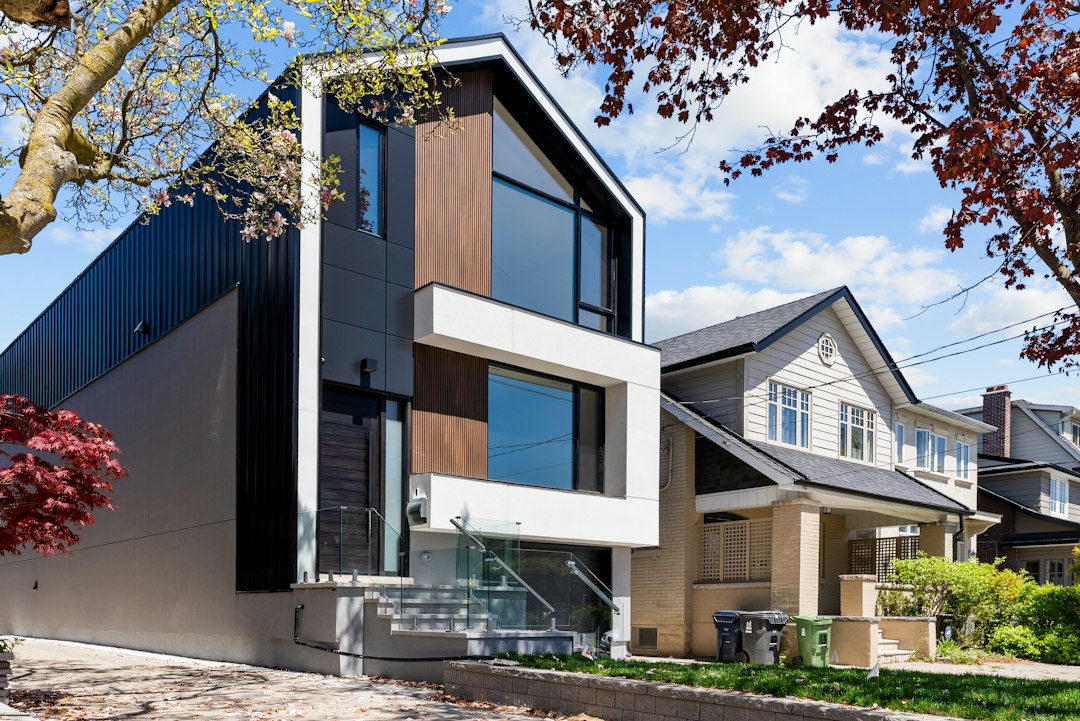
You’ve likely scrolled through countless listings, seen those dream homes with price tags that make your eyes water, and wondered if owning a piece of the American dream is still within reach. For many, the idea of affordable housing feels like a myth, a whispered legend in a land of rising costs. But what if you were told that affordable homes in America aren’t just a viable option, but a tangible reality waiting for you to discover? This isn’t about settling for less; it’s about smart choices, strategic planning, and embracing a different path to homeownership that can bring immense satisfaction and financial freedom. You are capable of finding your own affordable haven, and this guide will illuminate the ways you can achieve it.
The term “affordable home” can mean different things to different people, but at its core, it signifies a dwelling that you can purchase and maintain without being burdened by excessive housing costs. In the United States, this often translates to a home that costs no more than 30% of your gross monthly income for housing expenses, including mortgage payments, property taxes, insurance, and any homeowner association fees. You might be picturing a cramped apartment or a fixer-upper in a remote location, but the reality is far more diverse. Affordable housing encompasses a spectrum of options, from newly constructed smaller homes to well-maintained older properties in a variety of communities. It’s about finding a property that fits your budget and your lifestyle, not about compromising on essential needs.
Defining “Affordable” in Today’s Market
You’re likely hearing about soaring home prices in major metropolitan areas and feeling a pang of despair. It’s true, some markets are incredibly competitive. However, affordability is relative. What might be unaffordable in San Francisco could be a comfortable purchase in a growing suburban town or a revitalized rural community. For you, affordability means a home that allows you to live comfortably, save for the future, and avoid the crushing weight of debt. It’s about finding that sweet spot where your housing costs don’t dictate every other financial decision you make.
The 30% Rule: A Guideline, Not a Gospel
You’ve probably encountered the “30% rule,” which suggests spending no more than 30% of your gross monthly income on housing. While this is a valuable benchmark, you should consider it a flexible guideline. If your income is high, you might comfortably spend a bit more and still be well within your means. Conversely, if you have significant debt or other financial obligations, aiming for 25% or even less might be a more prudent approach. Your individual financial circumstances are paramount in determining what “affordable” truly means for you.
Identifying Your Budget: The First Crucial Step
Before you even begin browsing listings, you need a clear, honest assessment of your finances. This is perhaps the most critical step you’ll take on your journey to affordable homeownership. You wouldn’t embark on a road trip without knowing your destination or the fuel you have, would you? Your budget is your roadmap.
Calculating Your Disposable Income
Take a deep dive into your monthly income after taxes. What’s left over after essential living expenses like groceries, utilities, transportation, and debt payments? This disposable income is what you can realistically allocate towards a mortgage, property taxes, and other homeownership costs. Be thorough; don’t underestimate your expenses.
Assessing Your Down Payment Potential
The size of your down payment significantly impacts your monthly mortgage payments and the total interest you’ll pay over the life of the loan. You need to figure out how much you can comfortably put down. This might involve years of diligent saving, tapping into other financial resources, or exploring down payment assistance programs.
In the ongoing discussion about affordable housing in America, a related article that provides valuable insights is available at How Wealth Grows. This article explores various strategies and policies aimed at addressing the housing crisis, highlighting innovative solutions and community efforts that are making a difference in the quest for affordable homes. By examining the challenges and opportunities within the housing market, it offers a comprehensive look at how individuals and organizations are working together to create sustainable living options for all.
Exploring Different Types of Affordable Housing Options
The market isn’t a monolith, and neither are affordable homes. You have a variety of avenues to explore, each with its own unique advantages. Think of it as a buffet of possibilities, and your job is to find the dishes that best suit your palate and your budget.
New Construction in Emerging Markets
You might be surprised to find that new homes are increasingly being built in areas that are experiencing growth but haven’t yet reached peak market prices. These are often in suburban fringes, developing towns, or even rural communities with a burgeoning economy. These homes can offer modern amenities, energy efficiency, and the advantage of being the first owner.
The Appeal of Smaller Footprints
As the cost of land rises, developers are increasingly focusing on building smaller, more efficient homes. You might find charming starter homes, townhouses, or even tiny homes that offer significant savings without sacrificing quality or essential living space. This is a shift towards prioritizing function and affordability over sheer square footage.
Incentives for Developing Areas
Governments and local authorities often offer incentives to developers who build in underserved or developing areas. These can include tax breaks or streamlined permitting processes, which can translate into lower prices for you as a buyer. You’re not just buying a home; you’re potentially investing in a community on the rise.
Pre-Owned Homes: Value and Character
The existing housing market is a vast treasure trove of potential affordable homes. These properties often come with lower price tags than their brand-new counterparts and can offer unique character and established neighborhoods. You’re not just buying a structure; you’re buying a piece of history and a community that’s already formed.
The Power of a Foreclosure or Short Sale
While they require more due diligence, foreclosed properties and short sales can present significant opportunities for savings. These homes are often sold below market value due to the previous owner’s financial distress. You’ll need to be prepared for potential renovations, but the initial investment can be considerably lower.
Inherited Properties and Estate Sales
Sometimes, homes become available through inheritance or estate sales. These situations can lead to motivated sellers who are looking to offload the property quickly, often at a negotiable price. You might find well-maintained homes with established features that you can put your own stamp on.
Manufactured and Mobile Homes: A Smart Investment
You might have outdated perceptions of manufactured homes, but today’s options are far removed from those of the past. Modern manufactured homes are built to strict safety standards, can be incredibly energy-efficient, and offer a significantly lower cost per square foot than traditional site-built homes.
Beyond the Traditional Lot
While many manufactured homes are placed in dedicated communities, you also have the option to purchase land and place your manufactured home on it. This can offer greater control over your environment and potentially lower ongoing lot rent fees. You have the flexibility to create your own space.
The Affordability Advantage
The primary draw of manufactured homes is their affordability. You can often purchase a brand-new manufactured home for a fraction of the cost of a traditional new build, freeing up capital for other investments or life experiences. This is a direct path to homeownership for many.
Navigating the Financial Landscape: Mortgages and Assistance
Securing the right financing is as crucial as finding the right home. You’ll need to understand the mortgage landscape and explore any assistance programs that might be available to you. This is where your financial planning really comes into play.
Understanding Mortgage Options for First-Time Buyers
Lenders offer a variety of mortgage products tailored to different needs. You should educate yourself on these options to find the one that best suits your financial situation. Don’t be afraid to ask questions and seek clarification.
FHA Loans: Opening Doors with Lower Down Payments
The Federal Housing Administration (FHA) insures loans for borrowers with lower credit scores and smaller down payments. This can be a fantastic entry point into homeownership for many who might otherwise be excluded from traditional lending. You’ll find that FHA loans can be more accessible.
VA Loans: A Benefit for Our Heroes
If you’re a veteran or active-duty service member, you may be eligible for a VA loan. These loans often require no down payment and have competitive interest rates, making them an incredibly attractive option. You’ve earned this benefit; don’t overlook it.
USDA Loans: Rural Opportunities
For those looking to purchase a home in eligible rural areas, USDA loans offer 100% financing options with no down payment required. This program is designed to promote homeownership in less populated regions. You might find that your dream rural home is more attainable than you think.
Exploring Down Payment Assistance Programs
You’re likely aware that a substantial down payment can be a hurdle. Fortunately, many programs exist to help you overcome this. These programs can significantly reduce the amount of cash you need upfront.
State and Local Grants and Loans
Numerous state and local governments, as well as non-profit organizations, offer down payment assistance in the form of grants or low-interest loans. These funds can cover a significant portion of your down payment and closing costs. You’ll need to research what’s available in your specific area.
Employer-Assisted Housing Programs
Some employers, particularly those in high-cost-of-living areas, offer housing assistance programs as an employee benefit. This can include down payment assistance, closing cost credits, or even subsidized mortgages. It’s worth inquiring about this possibility.
The Importance of Location: Finding Your Affordable Niche
Location, location, location – you’ve heard it a thousand times. But when it comes to affordable housing, the definition of a desirable location might shift. It’s about finding a place that offers a good quality of life, job opportunities, and a reasonable cost of living, not necessarily the trendiest zip code.
Beyond the Major Metropolises
You don’t have to live in the heart of a bustling city to have a fulfilling life. Consider suburban towns that offer a good balance of amenities and affordability, or explore growing smaller cities that are attracting new businesses and residents. These areas often provide a lower cost of living without sacrificing essential services.
The Rise of “Second-Tier” Cities
Many cities that were once overlooked are now experiencing revitalization and economic growth. These “second-tier” cities often offer a much more affordable housing market compared to their larger counterparts, along with a vibrant culture and increasing job prospects. You might find a hidden gem.
Rural Communities with Strong Local Economies
Don’t dismiss rural living entirely. Many rural communities have strong local economies driven by agriculture, small businesses, or even remote work opportunities. These areas can offer tranquility, a lower cost of living, and a strong sense of community, all while keeping your housing expenses in check.
Commuting and Transportation Considerations
When considering an affordable location, you must factor in your commute. A longer commute can add to your daily expenses and reduce your quality of life. However, sometimes a slightly longer commute can unlock significant savings on housing.
Public Transportation Networks
If you’re looking at areas outside of major urban centers, investigate the availability and reliability of public transportation. A good bus or train system can make living a bit further out more feasible and can reduce your reliance on a personal vehicle.
The Rise of Remote Work
The increasing prevalence of remote work has opened up new possibilities for affordable housing. You might be able to live in a more affordable area and still maintain your career without a lengthy daily commute. Your home office could become your new commuting hub.
As the demand for affordable homes in America continues to rise, many are seeking innovative solutions to address this pressing issue. A recent article discusses various strategies that communities are implementing to create more accessible housing options for families in need. For those interested in exploring these initiatives further, you can read the full article on affordable housing solutions here. This resource provides valuable insights into how local governments and organizations are working together to make homeownership a reality for more Americans.
The Process of Buying an Affordable Home
| Metric | Value | Year |
|---|---|---|
| Median Home Price | 375,000 | 2023 |
| Percentage of Income Spent on Housing | 30% | 2023 |
| Number of Affordable Homes Built | 150,000 | 2023 |
| Average Rent for Affordable Units | 1,200 | 2023 |
| Homeownership Rate | 65% | 2023 |
| Percentage of Population in Affordable Housing | 18% | 2023 |
The journey to buying any home can feel daunting, but with affordable housing, there are specific strategies and considerations you should keep in mind. Approaching the process with a clear plan and realistic expectations will set you up for success.
Working with Specialized Real Estate Agents
You’ll want to partner with a real estate agent who has experience working with affordable housing options and understands the nuances of the market. They can guide you towards the right properties and navigate potential challenges.
Agents Familiar with Foreclosures and Short Sales
If you’re considering distressed properties, finding an agent who specializes in foreclosures and short sales is essential. They understand the paperwork, negotiation tactics, and potential pitfalls associated with these types of transactions.
Agents Focused on First-Time Homebuyers
Some agents dedicate their practice to helping first-time homebuyers. They can offer invaluable guidance on the entire process, from pre-approval to closing, and can connect you with relevant resources and programs.
Due Diligence and Home Inspections
Regardless of the price point, a thorough home inspection is non-negotiable. You need to understand the condition of the property and any potential repair costs. This is especially important with older or distressed homes.
Beyond the Cosmetic: Structural and Systemic Checks
You’re not just looking for a fresh coat of paint. Your inspector should be examining the foundation, roof, plumbing, electrical systems, and HVAC. These are the critical components that can lead to significant expenses if overlooked.
Negotiating Repairs and Credits
Based on the inspection report, you may be able to negotiate with the seller for repairs or a credit towards closing costs. This can be a vital step in ensuring your affordable home remains affordable after you move in.
The Long-Term Value of Affordable Homeownership
You might be tempted to view affordable housing as a temporary solution, but it can be a sound long-term investment. By acquiring a home at a lower price point, you can build equity, benefit from property appreciation, and gain financial stability.
Building Equity and Financial Security
Every mortgage payment you make builds equity in your home. Over time, this equity can become a significant asset, providing you with financial security and the potential to use it for future investments or life events. You’re not just paying rent; you’re investing in yourself.
The Freedom from Rising Rents
Owning an affordable home offers a predictable housing cost, shielding you from the unpredictable and often dramatic increases in rental prices. This stability allows you to budget more effectively and plan for your financial future with greater confidence. You gain control over a significant portion of your expenses.
You’ve now seen that affordable homes in America are not a pipe dream but a tangible and achievable goal. By understanding your options, meticulously planning your finances, and strategically navigating the market, you can unlock the door to homeownership and the financial freedom it brings. This is your journey, and with the right approach, you can absolutely find your affordable haven.
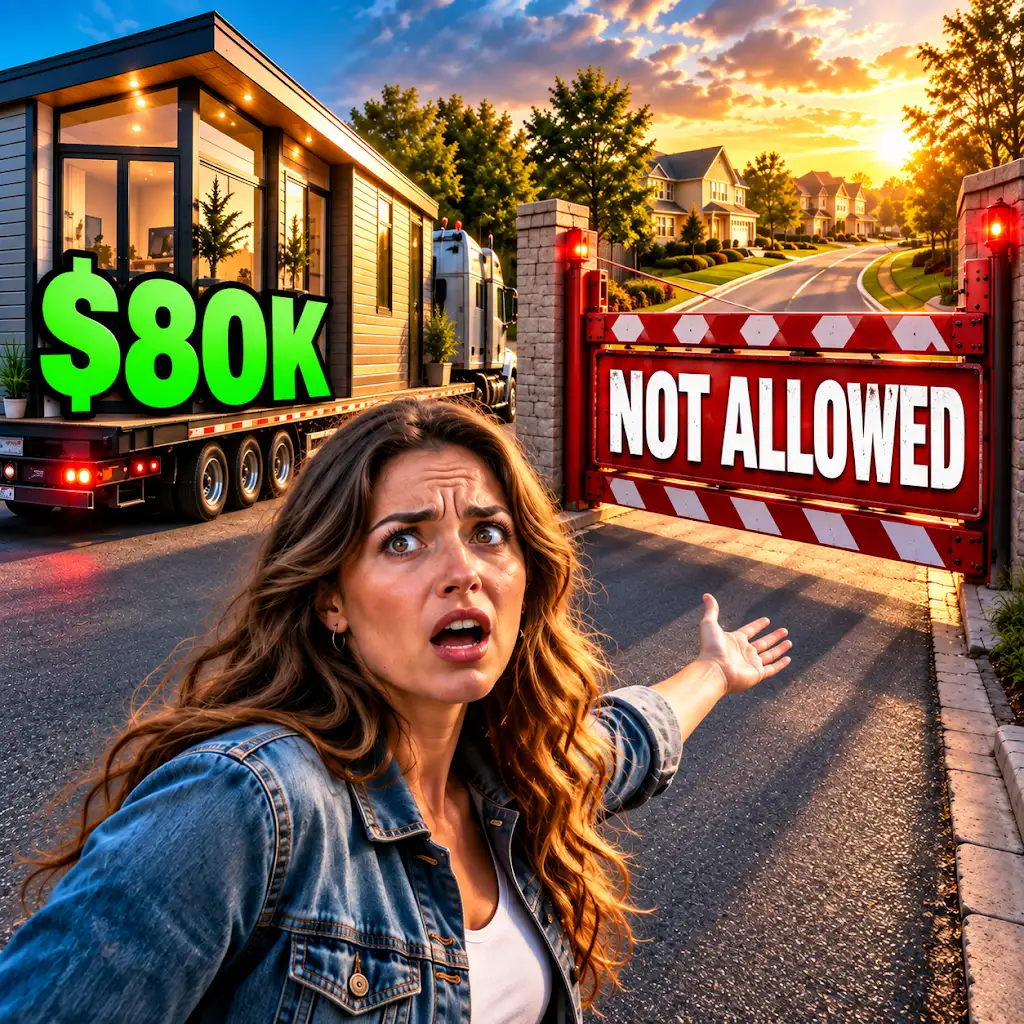
The $80,000 House You’re Not Allowed to Put Anywhere
FAQs
What is the definition of affordable homes in America?
Affordable homes in America are typically defined as housing that costs no more than 30% of a household’s income.
How is affordable housing determined in the United States?
Affordable housing in the United States is determined based on the area median income (AMI) and the percentage of income that households can afford to spend on housing.
What are some government programs in place to promote affordable housing in America?
Some government programs in place to promote affordable housing in America include the Low-Income Housing Tax Credit (LIHTC), Section 8 Housing Choice Voucher Program, and the HOME Investment Partnerships Program.
Why is affordable housing important in America?
Affordable housing is important in America because it helps ensure that individuals and families have access to safe and stable housing, which is essential for overall well-being and economic stability.
What are some challenges facing affordable housing in America?
Some challenges facing affordable housing in America include rising housing costs, limited availability of affordable housing units, and disparities in access to affordable housing based on income and location.