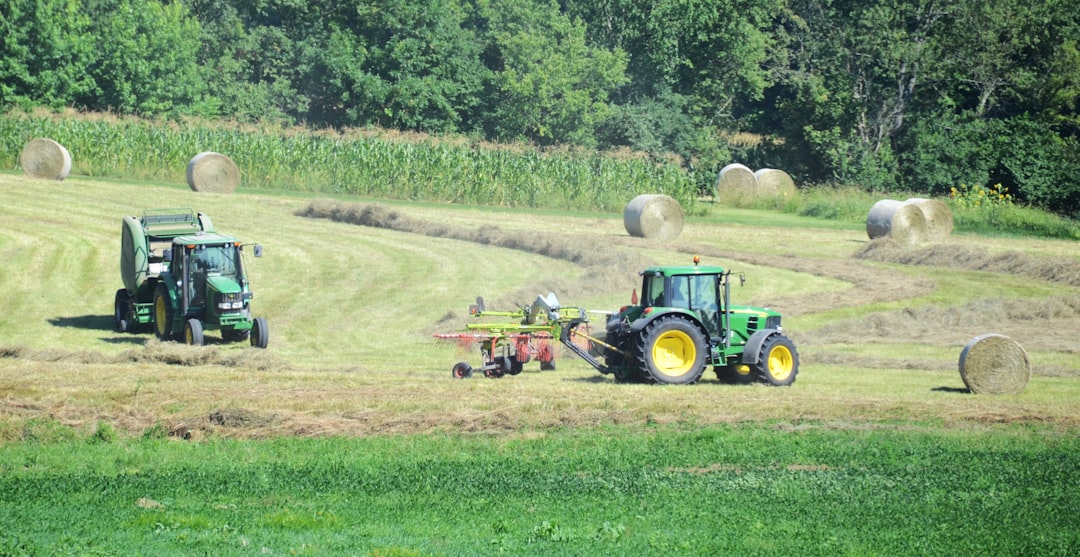
You stand at a crossroads in your investment journey, seeking to diversify your portfolio, perhaps, or to safeguard your capital against inflationary pressures. Your gaze might typically fall upon stocks, bonds, or real estate in urban centers. However, a significant yet often overlooked asset class offers compelling opportunities: farmland. Farmland investment isn’t merely about buying a patch of dirt; it’s about acquiring a tangible, productive asset that underpins human survival. It’s an investment in the foundational economy, a stake in the global food supply chain. This article will guide you through the intricacies of farmland investments, presenting a detailed analysis of its potential, risks, and various access points.
Learn more about the financialization of American agriculture and its impact on the economy.
You might wonder why farmland, a seemingly traditional asset, holds such contemporary relevance. Its appeal stems from several fundamental characteristics that distinguish it within the investment landscape.
Intrinsic Value and Tangibility
Unlike many financial instruments that represent claims on future earnings or abstract concepts, farmland is a physical asset. You can walk its acres, feel its soil, and witness its productivity. This tangibility offers a sense of security, acting as a bedrock asset during periods of market volatility. Its value is not solely derived from speculative sentiment but from its capacity to produce crops, livestock, or timbers—goods essential for life.
Inflation Hedge Capabilities
When inflation erodes the purchasing power of currency, hard assets often perform well. Farmland, particularly that which generates income from crop production, has historically demonstrated robust inflation-hedging properties. As the cost of agricultural commodities rises with inflation, so too does the revenue generated by the land, thereby preserving or enhancing your real capital. You are, in essence, investing in the very inputs that become more expensive during inflationary spirals.
Diversification Benefits
Adding farmland to your portfolio can significantly enhance its diversification. Farmland returns often exhibit a low correlation with traditional asset classes like stocks and bonds. This means that when equities or fixed-income markets experience downturns, farmland may remain stable or even appreciate, thereby reducing your overall portfolio risk. Think of it as adding a sturdy pier to your investment portfolio, less susceptible to the choppy waters of other markets.
Population Growth and Food Demand
The global population continues to expand, projected to reach nearly 10 billion by 2050. Feeding this growing populace requires a corresponding increase in agricultural output. Farmland, as the primary means of food production, becomes an increasingly valuable and strategic asset. Your investment in farmland is, in part, an investment in fulfilling a fundamental human need that will only intensify.
To gain a deeper understanding of the farmland asset class, you may find it beneficial to explore the article available at How Wealth Grows. This resource provides valuable insights into the dynamics of investing in farmland, including its historical performance, potential returns, and the factors that influence its value. By examining such articles, investors can better appreciate the unique characteristics of farmland as an asset class and make more informed decisions regarding their investment strategies.
Exploring Avenues for Farmland Investment
Having grasped the foundational appeal, your next consideration is how to access this asset class. Several pathways exist, each with its own level of direct involvement, capital requirements, and risk profile.
Direct Farmland Ownership
This is the most straightforward approach: you directly purchase agricultural land. This can involve anything from a small plot to manage yourself to vast tracts of land operated by tenants.
Advantages of Direct Ownership
You gain full control over management decisions, tenant selection, and land improvements. You also reap all direct income and capital appreciation. This direct connection can appeal to those who value a hands-on approach or have an existing agricultural background.
Disadvantages of Direct Ownership
This avenue typically requires substantial capital outlay and involves significant operational responsibilities. You become accountable for land management, property taxes, maintenance, and navigating agricultural regulations. It is also a relatively illiquid asset; selling large parcels of land can take time.
Agricultural Real Estate Investment Trusts (REITs)
For investors seeking exposure to farmland without the burdens of direct ownership, agricultural REITs offer an attractive alternative. These publicly traded companies own and manage portfolios of income-producing farmland.
Benefits of Agricultural REITs
REITs provide liquidity, allowing you to buy and sell shares on major stock exchanges. They also offer diversification across multiple farm properties and geographic locations, and professional management handles all operational aspects. Furthermore, REITs are legally required to distribute a significant portion of their taxable income to shareholders as dividends, providing a regular income stream.
Considerations for Agricultural REITs
While offering convenience, REITs expose you to market fluctuations similar to other publicly traded stocks. Your returns are also subject to the performance of the REIT’s management and its specific portfolio of properties.
Farmland Funds and Private Equity
These vehicles pool capital from multiple investors to acquire and manage portfolios of agricultural land. They are typically managed by specialized firms with expertise in agricultural investments.
Structure and Accessibility
Farmland funds often have higher minimum investment requirements than REITs but lower than direct ownership. They offer an institutional-grade approach to farmland investment, leveraging professional management and economies of scale.
Role of Professional Management
The fund manager is responsible for identifying, acquiring, managing, and eventually divesting farmland properties. They conduct due diligence, optimize operations, and handle tenant relationships. This hands-on management can be beneficial if you lack agricultural expertise.
Crowdfunding Platforms
A newer development, crowdfunding platforms allow you to invest smaller amounts of capital into specific farmland properties or portfolios. You essentially co-own a piece of farmland with other investors.
Accessibility and Fractional Ownership
Crowdfunding democratizes access to farmland investment, lowering the barrier to entry significantly. You can acquire fractional shares of properties without the full capital commitment of direct ownership.
Platform-Specific Diligence
It is crucial to thoroughly vet the crowdfunding platform and the specific farmland opportunities it presents. Understand the fees, ownership structure, and exit strategies associated with each investment.
Navigating the Due Diligence Process
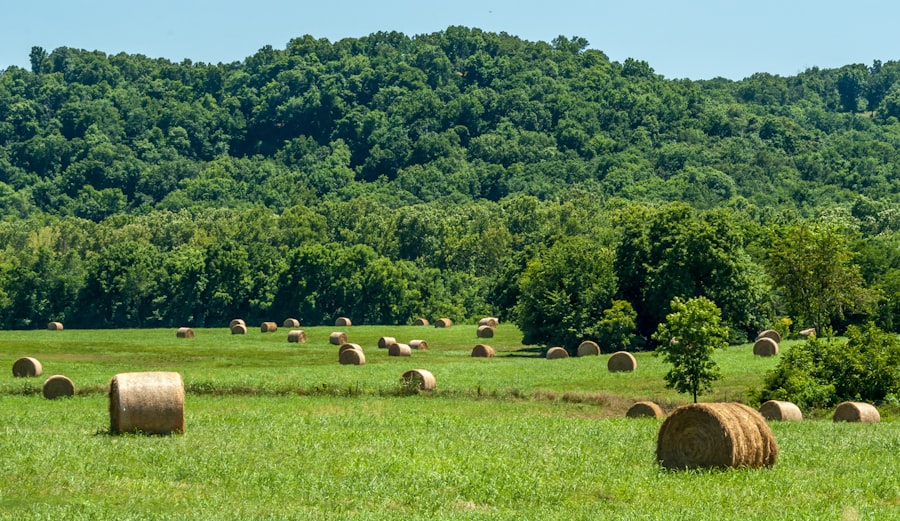
Regardless of your chosen investment path, thorough due diligence is paramount. You are not just buying land; you are buying productivity, potential, and a future income stream.
Soil Quality and Productivity
The foundation of any successful farmland investment lies in the quality of the soil. You need to investigate soil composition, nutrient levels, and historical yields. Factors like pH balance, organic matter content, and drainage are critical. A soil map and professional assessment are indispensable tools here. Remember, fertile soil is the engine of the farm.
Water Rights and Availability
Water is the lifeblood of agriculture. You must understand the legal framework surrounding water rights in the region, including surface water, groundwater, and irrigation district allocations. Assess the reliability and sustainability of water sources, especially in areas prone to drought. Without adequate and reliable water, even the most fertile land is unproductive.
Climate and Geographic Considerations
Evaluate the local climate, including average rainfall, temperature ranges, and historical weather patterns. Consider the susceptibility of the area to extreme weather events like floods, droughts, or severe storms. Proximity to markets, processing facilities, and transportation infrastructure also impacts profitability.
Access to Markets and Infrastructure
The best farmland with optimal yields is less valuable if its produce cannot efficiently reach consumers. Investigate the local infrastructure, including roads, railway lines, and access to major highways. Proximity to elevators, processing plants, and food distribution hubs can significantly impact your logistical costs and overall profitability.
Lease Agreements and Tenant Relations
If considering land with existing tenants, meticulously review lease agreements. Understand the terms, duration, rental rates, and any clauses related to crop sharing or land improvements. A strong, mutually beneficial relationship with a reliable tenant is a valuable asset in itself. You are not just buying the land, but potentially inheriting or establishing a business relationship.
Understanding Risks and Mitigation Strategies
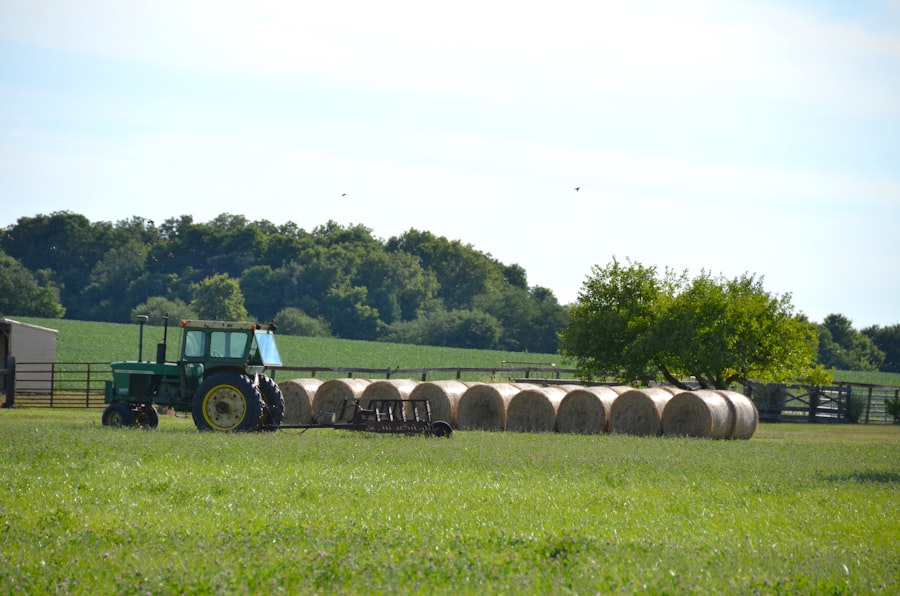
No investment is without risk, and farmland is no exception. You must approach this asset class with a clear understanding of potential pitfalls and develop strategies to mitigate them.
Climate and Weather Variability
Agricultural production is inherently exposed to the vagaries of weather. Droughts, floods, hailstorms, and unseasonable temperatures can severely impact crop yields and, consequently, your returns.
Mitigation through Diversification and Insurance
Diversifying your farmland investments across different geoclimatic zones can help smooth out yield volatility. Crop insurance is also a critical tool to protect against significant losses due due to adverse weather.
Commodity Price Fluctuations
The prices of agricultural commodities are subject to global supply and demand dynamics, government policies, and geopolitical events. Volatile prices can impact farm revenues.
Risk Management through Futures and Contracts
Farmers often utilize futures contracts or enter into forward sales agreements to lock in prices for a portion of their anticipated harvest, thereby reducing exposure to price swings. Investors can seek funds that employ similar strategies.
Environmental Regulations and Policy Changes
Agricultural practices are increasingly subject to environmental regulations concerning water usage, pesticide application, and land conservation. Changes in government policy can impact farming operations and profitability.
Ongoing Monitoring and Adaptability
Staying informed about local and national agricultural policies is crucial. Investment vehicles with professional management are better equipped to navigate these changes and adapt practices as needed.
Liquidity Constraints
Direct farmland ownership is generally illiquid. Selling a large farm can take time, especially if market conditions are unfavorable.
Strategic Asset Allocation
If you opt for direct ownership, ensure that this portion of your portfolio aligns with your long-term investment horizon and liquidity needs. For shorter-term liquidity, consider agricultural REITs or funds.
Pest and Disease Outbreaks
Crop and livestock diseases, as well as pest infestations, can lead to significant losses. These biological threats require constant vigilance and management.
Proactive Management and Research
Reputable farm managers employ integrated pest management strategies and stay abreast of agricultural research to combat disease and pest issues effectively.
To gain a deeper understanding of the farmland asset class, you may find it helpful to explore a related article that discusses the various factors influencing agricultural investments. This resource provides insights into market trends, risk management, and the potential for long-term growth in this unique sector. For more information, you can read the article here: Understanding Farmland Investments.
The Long-Term Perspective
| Metric | Description | Typical Range | Importance |
|---|---|---|---|
| Land Value per Acre | Market price of farmland per acre | 1,000 – 15,000 | High |
| Annual Crop Yield | Quantity of crops produced per acre annually | 100 – 300 bushels/acre (corn) | High |
| Soil Quality Index | Rating of soil fertility and suitability for crops | 1 – 10 (10 is best) | High |
| Operating Expenses | Annual costs for farming operations per acre | 200 – 600 | Medium |
| Net Operating Income (NOI) | Income after operating expenses per acre | 300 – 1,200 | High |
| Capitalization Rate | Rate of return on farmland investment | 3% – 8% | High |
| Lease Rate | Annual rent paid by tenant farmers per acre | 100 – 400 | Medium |
| Water Availability | Access to irrigation and water resources | Low / Medium / High | High |
| Climate Risk | Exposure to droughts, floods, and weather variability | Low / Medium / High | High |
| Land Use Restrictions | Regulatory or zoning limitations on farmland use | None / Moderate / Strict | Medium |
As you contemplate farmland investments, remember that this is largely a long-term play. The value appreciation of land, the generation of consistent income from agricultural production, and the inflation-hedging properties tend to unfold over extended periods. You are not looking for quick gains, but rather for sustainable wealth creation grounded in a fundamental and indispensable industry.
Farmland investment offers a compelling opportunity to diversify your portfolio, hedge against inflation, and tap into the foundational global demand for food. By understanding the various access points, conducting diligent research, and appreciating the inherent risks and their mitigation strategies, you can unlock the significant potential of this enduring asset class. Your journey into farmland is not just an investment in acres; it is an investment in the future of our planet’s sustenance.
WATCH THIS! ⚠️💰🌾 Why Wall Street Is Buying Up America’s Farmland (And Why It Should Terrify You)
FAQs
What is the farmland asset class?
The farmland asset class refers to investments in agricultural land used for farming activities such as crop production, livestock grazing, and other agricultural purposes. It is considered a tangible asset and can provide income through leasing or farming operations.
Why invest in farmland?
Investing in farmland offers diversification benefits, potential for steady income through lease payments or crop sales, inflation protection, and long-term capital appreciation. Farmland is also less correlated with traditional financial markets, making it a valuable addition to an investment portfolio.
How is farmland valued?
Farmland valuation is typically based on factors such as soil quality, location, water availability, crop yields, local commodity prices, and potential for development. Market demand and government policies can also influence farmland values.
What are the risks associated with investing in farmland?
Risks include weather variability, commodity price fluctuations, changes in agricultural policies, environmental regulations, and potential operational challenges. Additionally, farmland investments can be illiquid compared to other asset classes.
How can investors gain exposure to farmland?
Investors can gain exposure through direct ownership of farmland, investing in farmland-focused real estate investment trusts (REITs), agricultural funds, or partnerships that specialize in farmland management.
Is farmland a liquid investment?
Farmland is generally considered an illiquid investment because buying and selling agricultural land can take time due to limited market activity and the complexity of transactions.
What factors influence farmland returns?
Returns are influenced by rental income from leasing, crop yields, commodity prices, land appreciation, operational costs, and external factors such as weather and government policies.
How does farmland perform during inflationary periods?
Farmland often acts as an inflation hedge because agricultural commodity prices and land values tend to rise with inflation, helping preserve the purchasing power of the investment.
Are there environmental considerations when investing in farmland?
Yes, sustainable farming practices, soil health, water management, and environmental regulations can impact farmland productivity and value. Investors increasingly consider environmental, social, and governance (ESG) factors in farmland investments.
What is the typical investment horizon for farmland?
Farmland investments are generally long-term, often held for several years or decades, to realize income and capital appreciation benefits.