
You’ve got the green thumb, a natural instinct for growing things. But can that same instinct translate to growing your bank account? Absolutely. As the Listicle Content Architect, I’m here to tell you that your humble kitchen garden isn’t just about fresh produce; it’s a surprisingly potent tool for cultivating financial prosperity. Forget complex investment strategies for a moment. We’re diving into how nurturing a few tomato plants or a patch of herbs can actually help you build wealth.
Let’s dig in.
This is the most immediate and tangible way your kitchen garden contributes to your financial portfolio. Think about the cost of fresh produce at your local supermarket. Organic tomatoes, bell peppers, leafy greens – they don’t come cheap, especially during the off-season.
The True Cost of Convenience
Every time you bypass the produce aisle for something you could grow yourself, you’re essentially making a direct deposit into your savings. Consider the average cost per pound for common vegetables and fruits. If a pound of organic kale is $4, and you grow your own, that’s $4 you’ve saved. Multiply that by the amount you consume weekly, monthly, and annually, and the savings quickly become substantial. You’re not just saving money; you’re reinvesting that money back into your own pocket.
Seasonal Abundance & Strategic Stockpiling
Your garden will have peak seasons of abundance. This is where smart planning comes in. Instead of paying premium prices for out-of-season items, you can focus on consuming what’s readily available from your garden. But the real wealth-building happens when you learn to preserve this bounty.
Canning and Preserving Your Harvest
Learning to can, freeze, or dehydrate your surplus produce is a game-changer. Imagine a winter filled with homemade tomato sauce, preserved berries for your morning yogurt, or dehydrated herbs that would cost a fortune to buy. Each jar or bag of preserved goods represents a future purchase you won’t have to make. This isn’t just about saving money; it’s about creating your own stable supply chain, insulated from market fluctuations and price hikes. You’re building a buffer against future expenses.
Reducing Food Waste, Maximizing Value
A significant portion of grocery budgets is lost to food waste. Produce spoils before you can eat it, leading to wasted money. A kitchen garden, when managed effectively, encourages you to use what you grow. You’ll be more mindful of your consumption, planning meals around what’s ripe, and this reduced waste directly translates to more money in your pocket. Every wilted lettuce leaf that you compost instead of throwing away is a small victory for your financial health.
A kitchen garden can be an excellent wealth strategy, as it not only provides fresh produce but also reduces grocery expenses and promotes sustainable living. For more insights on how cultivating your own food can contribute to financial well-being, you can read a related article that explores various aspects of wealth growth through home gardening. Check it out here: How Wealth Grows.
2. Cultivate a Side Hustle: Monetize Your Green Thumb
Your garden isn’t just a private pantry; it can be a source of income. For those with a genuine passion for growing, the opportunity to turn that passion into a profitable side hustle is very real.
Selling Your Surplus Produce
This is the most straightforward income stream. If you find yourself with more tomatoes than you can possibly eat or preserve, consider selling them. Local farmers’ markets, community supported agriculture (CSA) programs, or even direct sales to neighbors and friends can generate revenue.
Identifying Your Niche Market
What grows exceptionally well in your garden? What are people in your community looking for? Perhaps you have a knack for growing unique heirloom varieties of tomatoes, or you can produce an abundance of sought-after herbs like basil or mint. Identifying a niche can help you stand out and command better prices. Don’t just sell “vegetables”; sell “organic heirloom slicing tomatoes” or “fragrant culinary herb bundles.”
Pricing Your Products for Profit
It’s crucial to price your produce not just based on what others are selling it for, but also considering your costs (seeds, soil, water, labor). Research local market prices, but don’t undervalue your hard work and the quality of your homegrown produce. A well-grown, fresh-from-the-garden item often commands a premium.
Crafting Value-Added Products
Beyond selling raw produce, you can elevate your offerings by creating value-added products. This is where your creativity and culinary skills can significantly increase your profit margins.
Herb-Infused Oils and Vinegars
Take your abundant basil or rosemary and create delicious infused oils and vinegars. These make excellent gifts and can be sold at a higher price point than the fresh herbs themselves. A beautifully bottled basil-infused olive oil is a much more lucrative product than a bunch of basil leaves.
Jams, Jellies, and Preserves
If you’re growing berries or fruits, making jams and jellies is a classic path to monetization. The process of transforming raw ingredients into shelf-stable, delicious products allows you to charge a premium for your time and expertise.
Dried Herbs and Herbal Blends
Drying herbs from your garden is another fantastic way to create a sellable product. You can sell them individually or create custom blends for specific cuisines or uses. Think of a “pizza blend” with oregano, basil, and thyme, or a “tea blend” with mint and chamomile.
Offering Garden Services
If your skills extend beyond growing to garden design or maintenance, you can offer those as services to others, turning your expertise into income.
Garden Consultation and Setup
Many people want to grow their own food but lack the knowledge or time to start. You could offer consultations on what to plant, how to set up a garden, or even do the initial planting for them. This leverages your knowledge and can be charged by the hour or project.
3. Boost Your Investment Portfolio: The Long-Term Financial Gardener
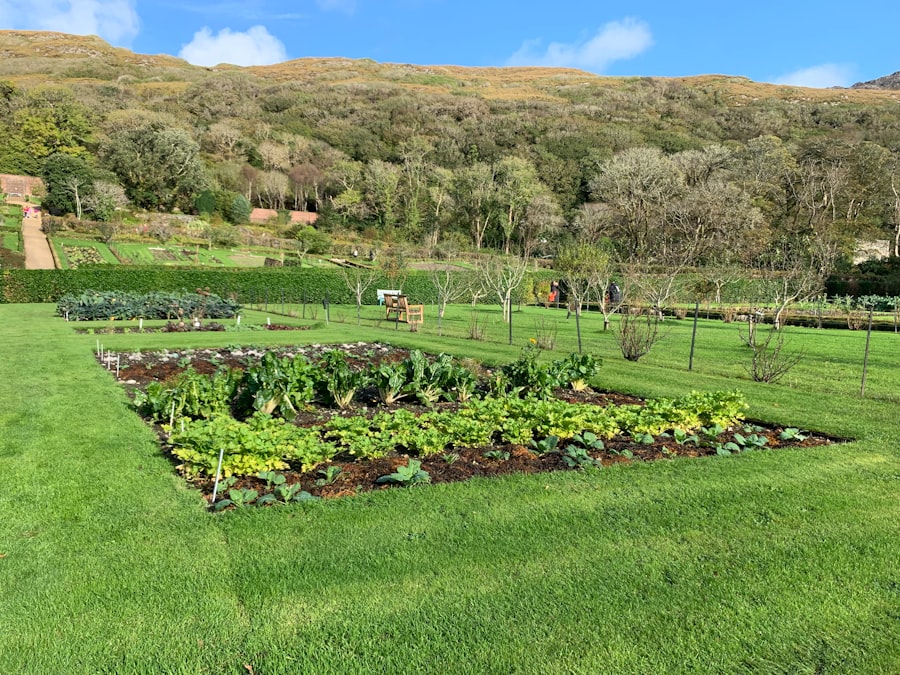
This is where the metaphor truly takes flight. Just as you nurture your plants through seasons, you can apply similar principles of patience, strategic investment, and long-term vision to your financial portfolio. Your kitchen garden experience can subtly, yet effectively, influence your approach to traditional investing.
The Principle of Delayed Gratification
Growing a garden requires patience. You plant seeds, water them, and wait for them to mature. You don’t expect a harvest the next day. This experience instills a deep understanding of delayed gratification. This same mindset is crucial for successful investing. Instead of chasing quick wins, you learn to be patient, allowing your investments to grow and compound over time.
Understanding Risk and Reward
Every gardener faces risks – pests, disease, unpredictable weather. You learn to mitigate these risks through soil health, pest control, and strategic planting. Similarly, in investing, you learn to assess and manage risk. You diversify your portfolio, research companies, and understand that some investments are inherently riskier but offer the potential for higher rewards. Your garden teaches you to embrace calculated risks.
The Power of Compounding and Reinvestment
As your plants produce fruit year after year, you can replant seeds from those fruits, leading to a self-sustaining and growing garden. This is akin to the power of compounding in finance, where your earnings generate further earnings. If you reinvest your profits from selling produce or use your savings from reduced grocery bills to invest, you’re essentially planting new financial seeds that will grow over time. The more you reinvest, the faster your financial garden grows.
Diversification: Planting Different Crops for Different Needs
A wise gardener doesn’t plant just one type of crop. They diversify their planting to account for different soil needs, sunlight requirements, and harvest times. This diversification ensures a steady supply of food and resilience to specific crop failures. In finance, diversification means not putting all your eggs in one basket. Spreading your investments across different asset classes (stocks, bonds, real estate) and industries mirrors the horticultural principle of hedging your bets.
4. Enhance Your Health and Well-being: The Unquantifiable but Priceless Asset

While not directly measurable in dollars and cents, the improvement in your physical and mental health derived from your kitchen garden is a significant form of wealth. A healthy individual is a more productive, happier, and ultimately, a more financially capable individual.
Improved Nutrition Leading to Reduced Healthcare Costs
Eating fresh, nutrient-dense food from your garden directly impacts your health. Better nutrition can lead to a stronger immune system, reduced risk of chronic diseases, and greater overall vitality. This translates to fewer doctor visits, less medication, and lower healthcare expenses – all of which contribute to your financial well-being. Think of the money you’re not spending on health issues because of the preventative power of your diet.
Stress Reduction and Mental Clarity
Gardening is a proven stress reliever. The act of working with the soil, connecting with nature, and seeing tangible results provides a sense of accomplishment and peace. Reduced stress levels can lead to better decision-making, increased focus, and improved productivity in all areas of your life, including your financial endeavors. A mind clear of stress is a mind that can strategize, plan, and execute effectively towards your financial goals.
Increased Physical Activity
The physical labor involved in gardening – digging, planting, weeding, harvesting – provides a natural and enjoyable form of exercise. Staying active contributes to long-term health, preventing costly health issues down the line. This ongoing commitment to physical well-being is a long-term investment in your personal capital, reducing future financial burdens related to health.
Creating a kitchen garden can be a valuable wealth strategy for individuals looking to enhance their financial well-being while promoting a sustainable lifestyle. By growing your own fruits and vegetables, you not only reduce grocery bills but also gain access to fresh produce that can improve your health. For more insights on how to maximize your financial growth through various strategies, you can explore this informative article on wealth management. Check it out here to learn more about effective ways to cultivate both your garden and your finances.
5. Develop Essential Life Skills: Tools for Financial Resilience
| Aspect | Metric |
|---|---|
| Investment | Initial cost of seeds, soil, and tools |
| Return | Quantity of vegetables and fruits harvested |
| Timeframe | Time taken for plants to mature and produce yield |
| Cost Savings | Comparison of grocery store prices vs. homegrown produce |
| Health Benefits | Nutritional value of homegrown produce |
The skills you hone in your kitchen garden are transferable and invaluable for building financial resilience. These aren’t just gardening skills; they are skills for life and for growing your wealth.
Resourcefulness and Problem-Solving
Gardening is a constant exercise in resourcefulness. You learn to make do with what you have, find creative solutions to problems (like pest infestations or nutrient deficiencies), and adapt to changing conditions. This mindset of resourcefulness is critical for navigating financial challenges and finding creative ways to save and earn.
Planning and Organization
A successful garden requires meticulous planning and organization. You need to plan your planting schedule, manage your tools, and organize your harvest. This ability to plan and organize extends directly to managing your finances, budgeting, and setting achievable financial goals. A well-organized financial plan is the bedrock of wealth building.
Patience and Persistence
As mentioned before, patience is key in gardening. But persistence is equally important. You might face setbacks, but you keep going. This persistence is vital for overcoming financial hurdles. Market downturns, unexpected expenses, or slow progress towards financial goals can be discouraging, but the gardener’s persistent spirit will see you through. You learn that with consistent effort, the harvest will eventually come.
Understanding Cycles and Seasons
Gardening teaches you to understand natural cycles. You know that after winter comes spring, and after a period of growth comes a period of harvest. This understanding of cycles can be applied to financial markets and personal financial planning. You learn that there are good times and bad times, periods of rapid growth and periods of consolidation. This knowledge helps you make informed decisions and avoid panicking during inevitable downturns.
By embracing your kitchen garden not just as a source of food but as a living classroom, you’re actively cultivating a mindset and a skillset that are foundational to building enduring financial wealth. So, go ahead, get your hands dirty. Your future financial self will thank you.

25 “Illegal” Wealth Tricks Our Grandparents Used That Still Work Today
FAQs
What is a kitchen garden?
A kitchen garden is a small garden near a house where vegetables, herbs, and fruits are grown for household use.
What is the wealth strategy of a kitchen garden?
The wealth strategy of a kitchen garden involves saving money on grocery bills by growing your own produce, having access to fresh and organic fruits and vegetables, and potentially generating income by selling surplus produce.
What are the benefits of having a kitchen garden?
Having a kitchen garden allows for easy access to fresh and organic produce, reduces grocery expenses, promotes a healthy and sustainable lifestyle, and can serve as a source of additional income.
What are some common plants grown in a kitchen garden?
Common plants grown in a kitchen garden include tomatoes, peppers, lettuce, spinach, herbs (such as basil, mint, and cilantro), strawberries, and various types of fruits and vegetables that are suitable for the local climate.
What are some tips for starting a kitchen garden?
Some tips for starting a kitchen garden include choosing a sunny location, preparing the soil properly, selecting the right plants for the climate, providing adequate water and nutrients, and regularly maintaining and tending to the garden.