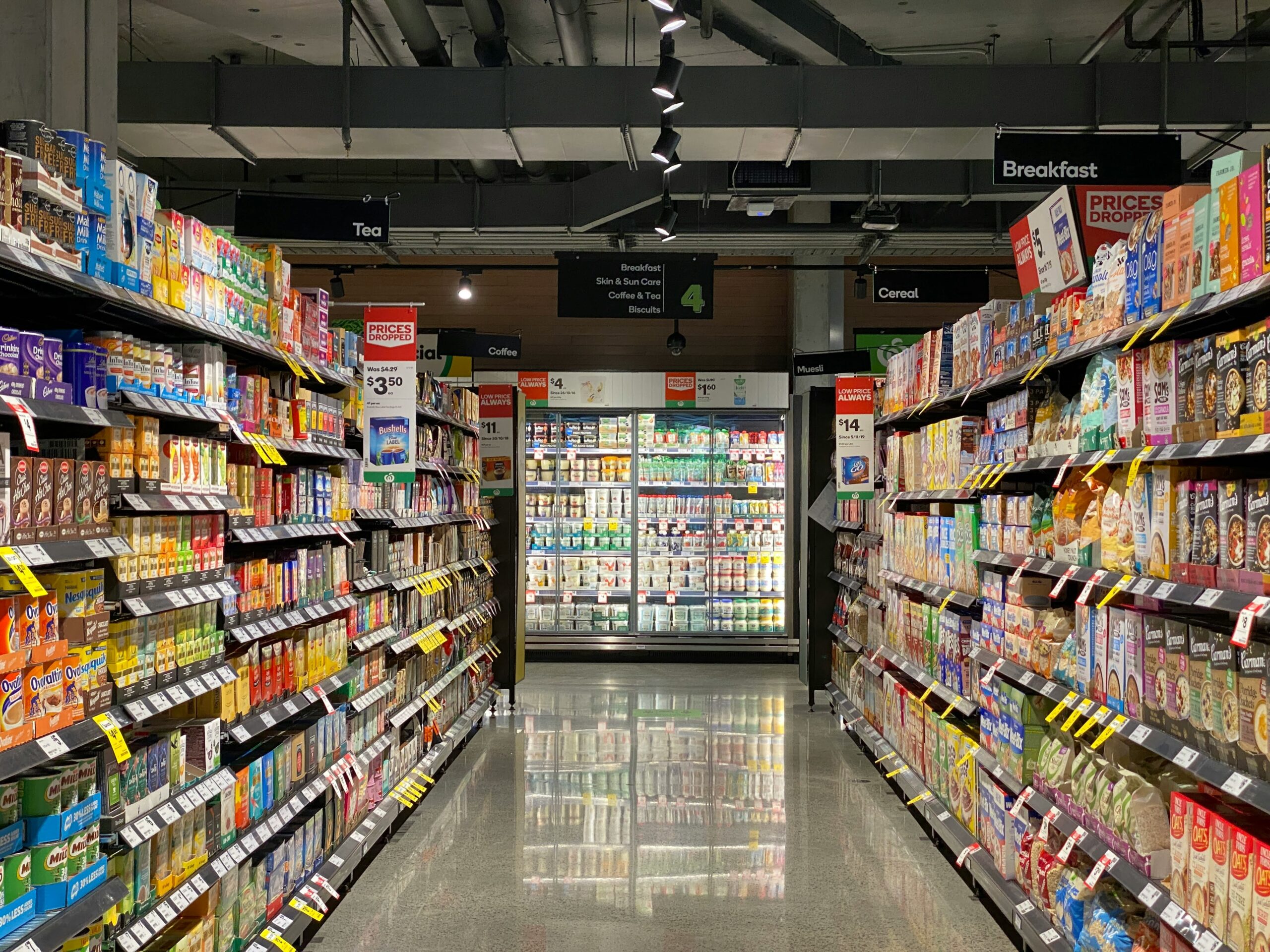
You’ve dreamt of it, haven’t you? That pang of guilt as you witness your hard-earned cash vanish at the checkout counter, knowing a significant chunk of it went to someone who didn’t even grow, harvest, or cook your food. You’re a smart shopper, you think, you compare prices, you use coupons. But are you truly tackling the core of your grocery bill? As the Listicle Content Architect, I’m here to tell you that the grocery middleman, that unseen force inflating prices and adding layers of cost, is your real nemesis. It’s time to reclaim your budget and your food.
This isn’t about deprivation; it’s about empowerment. It’s about understanding the system and finding clever, actionable ways to bypass the unnecessary expenses that pad the pockets of distributors, wholesalers, and even some larger retailers. You’re about to embark on a culinary and financial adventure, one that will not only leave your wallet feeling heavier but also enrich your connection to the food you consume. Prepare to become a grocery-savvy warrior, armed with knowledge and ready to strike a blow against inflated prices.
1. Cultivate Your Own Edible Oasis: From Seed to Supper
You might be picturing sprawling acres and a John Deere, but the reality of growing your own food is far more accessible and rewarding than you imagine. Even the most constrained urban dweller can carve out space for a surprisingly bountiful harvest. This isn’t just about saving money; it’s about experiencing the unparalleled flavor of just-picked produce, knowing exactly where it came from, and the sheer satisfaction of self-sufficiency.
The Power of a Pot: Maximizing Small Spaces
When you think about “gardening,” your mind might immediately go to a large backyard. However, this is precisely where many people get discouraged, believing they don’t have the “right” space. That couldn’t be further from the truth. A few well-placed pots, containers, or even vertical planters can transform a balcony, a windowsill, a patio, or even a sunny corner of your apartment into a productive food source.
- Herb Havens: Your first foray into edible gardening should almost certainly be herbs. Basil, mint, parsley, cilantro, chives – these are perennial favorites that are remarkably easy to grow indoors or out. Not only will you save a significant amount compared to buying pre-packaged bunches that often go to waste, but the flavor burst of fresh herbs is incomparable. Imagine snipping fresh basil for your pasta sauce or mint for your iced tea without even leaving your kitchen.
- Container Champions: Beyond herbs, a wealth of vegetables thrives in containers. Think cherry tomatoes, bush beans, peppers (both sweet and chili), salad greens (lettuce, spinach, arugula), radishes, and even compact varieties of cucumbers and zucchini. Ensure good drainage for your pots, use a quality potting mix, and provide adequate sunlight. You’d be astonished at how much you can harvest from a few well-chosen pots.
- Vertical Victory: For those with minimal horizontal space, vertical gardening is a game-changer. Wall-mounted planters, tiered systems, and hanging baskets can skyrocket your growing capacity without taking up valuable floor real estate. This is ideal for strawberries, leafy greens, and trailing vines.
Beyond the Basics: Expanding Your Edible Horizons
Once you’ve mastered the art of container gardening, your ambition will likely grow, and so can your savings. Don’t be afraid to experiment with more substantial crops if you have even a small patch of earth or a larger, shared community garden plot.
- The Root Revolution: Root vegetables like carrots, potatoes, and beets can be surprisingly easy to grow in deeper containers or raised beds. Seed potatoes can be purchased in spring, and you can even regrow onions and garlic from scraps if you’re feeling truly resourceful. The cost of a bag of potatoes or a bunch of carrots in the store can quickly add up, making a homegrown harvest a financially savvy move.
- The Fruiting Fun: While some fruits require more space and time, certain varieties are manageable. Strawberries, as mentioned, are excellent in containers. Growing raspberries or blueberries might require a larger pot or a dedicated space, but the long-term yield can be substantial, far exceeding the cost of store-bought berries, which are often expensive and out of season.
- The Composting Connection: To truly cut costs and become sustainable, embrace composting. Kitchen scraps (vegetable peels, coffee grounds, eggshells) and yard waste can be transformed into nutrient-rich soil, eliminating the need to buy expensive fertilizers and potting mixes. This creates a closed-loop system that benefits your garden and your wallet.
The Long Game: Planning and Preservation
Growing your own food isn’t just about immediate consumption; it’s about planning for the future. This is where you truly drive down those grocery bills by reducing waste and extending your harvest.
- Succession Planting: Don’t plant all your lettuce seeds at once. Sow small batches every few weeks to ensure a continuous harvest throughout the growing season. This strategy minimizes gluts and ensures you always have fresh greens available.
- Preservation Powerhouse: When your garden truly flourishes, you’ll have more than you can eat fresh. This is where preservation techniques come into play. Canning, freezing, dehydrating, and pickling are your allies. Preserve your tomatoes, beans, berries, and herbs so you can enjoy them months later, bypassing the need to buy them at inflated off-season prices. Learning to can your own jams or freeze your own strawberries can save you a significant amount of money over the winter.
If you’re interested in learning more about strategies to cut out the grocery middleman and save money on your food expenses, you might find this related article helpful. It provides insights into direct sourcing from farmers and local markets, which can significantly reduce costs while ensuring fresher produce. For more information, check out the article here: How to Cut Out the Grocery Middleman.
2. Embrace the Farmer’s Market: Direct from the Source, Not the Shelf
The farmer’s market is your gateway to a world where the farmer is your grocer, and the season dictates the bounty. This is one of the most direct routes to cutting out the grocery middleman, as you are essentially purchasing directly from the producer. The benefits extend beyond just price; you’re supporting local agriculture, enjoying fresher, often more flavorful produce, and building a connection with the people who grow your food.
Navigating the Market for Maximum Savings
The farmer’s market isn’t just about buying; it’s about smart shopping. A little strategy can go a long way in stretching your budget.
- Timing is Everything: Early birds get the best selection, but latecomers can sometimes snag deals. Markets often have a “dusk” or “end-of-day” sale where vendors might lower prices on remaining produce to avoid taking it home. This can be a fantastic opportunity for bargain hunting, especially for items you plan to preserve or cook soon.
- Buy in Bulk (Wisely): If a particular item is in abundance and at a great price (think early summer berries or late fall squash), consider buying more than you need for immediate consumption. This is especially true for items that are easy to preserve. A large box of perfectly ripe peaches can be turned into jam or frozen slices that will last for months, saving you far more than the initial market purchase.
- Become a Regular: Vendors appreciate repeat customers. As you become a familiar face, you might find yourself receiving small discounts, insider tips on what’s coming in next week, or even the occasional free sample. Building relationships at the market can lead to tangible financial benefits.
Beyond Produce: Exploring Market Treasures
Farmer’s markets are often more than just a hub for fruits and vegetables. They can be a treasure trove for other food items, further reducing your reliance on traditional grocery stores.
- Artisan Delights: Many markets feature local bakers selling fresh bread, artisans crafting cheese, producers of honey, and small farms offering eggs and even meats. Buying these items directly from the maker often means a lower price point and a superior quality product. You’re bypassing the distribution and packaging costs of larger brands.
- Seasonal Specialties: Look for unique or specialty items that are grown or made locally. This could include heirloom varieties of vegetables, small-batch jams, homemade pickles, or even locally raised meats. These items can be incredibly cost-effective when purchased directly and can add a unique flair to your meals.
- The “Ugly” Produce Advantage: Some vendors may have produce that isn’t perfectly shaped or may have minor blemishes. Often, these are just as delicious and nutritious as their “perfect” counterparts but are sold at a discount. Don’t shy away from these “ugly” but perfectly good items; they are a fantastic way to save money.
Direct Relationships: The Intangible Value
While the monetary savings are the primary focus, the intangible benefits of shopping at farmer’s markets are significant and indirectly contribute to your well-being and understanding of food.
- Transparency and Trust: You can ask the farmer directly about how their produce was grown – whether it’s organic, how it was fertilized, and when it was harvested. This transparency builds trust and confidence in the food you are buying, a value that’s hard to quantify but deeply satisfying.
- Seasonal Sensibility: You naturally become more attuned to the seasons. Instead of expecting strawberries in December, you’ll learn to appreciate and anticipate the bounty of summer and fall, which often translates to lower prices for in-season items.
- Community Connection: The farmer’s market is a vibrant community hub. You’re not just buying food; you’re interacting with your neighbors, supporting local businesses, and contributing to the local economy. This sense of connection can enrich your life in ways that a sterile supermarket aisle cannot.
3. Master the Art of Bulk Buying: Smart Storage, Smart Savings
Buying in bulk is a time-honored tradition for a reason: it significantly reduces the per-unit cost of many staple items. However, the key to truly cutting out the middleman and saving money lies not just in purchasing large quantities but in smartly purchasing and storing them, ensuring nothing goes to waste.
Identifying Your Bulk Buys: Focus on Staples
Not everything is a good candidate for bulk buying. Focus on items that you regularly consume, have a long shelf life, and are significantly cheaper when purchased in larger quantities.
- Grains and Legumes Galore: Rice, oats, beans, lentils, pasta – these are the cornerstones of a budget-friendly diet and are remarkably inexpensive when bought in 5-pound, 10-pound, or even larger bags. You’ll be amazed at the cost savings compared to small supermarket boxes.
- Pantry Powerhouses: Flour, sugar, salt, spices, coffee, tea, nuts, seeds – these are all excellent candidates for bulk purchases. Buying a large container of a spice you use frequently can save you a fortune over time compared to buying small jars that often lose their potency before you finish them.
- Freezer-Friendly Foods: Meats, poultry, fish, and even some fruits and vegetables can be purchased in bulk and frozen. Look for sales at wholesale clubs or butcher shops. Buying a whole chicken and breaking it down yourself, or buying a large cut of meat to portion out, is significantly cheaper than buying pre-portioned cuts.
Smart Strategies for Storage and Preservation
The biggest pitfall of bulk buying is spoilage. If you don’t store your bulk purchases correctly, you’ll end up throwing them away, negating any savings and creating waste.
- Airtight is Awestrike: Invest in good quality airtight containers, vacuum sealers, or sturdy resealable bags. This is crucial for preventing moisture, pests, and oxidation, which lead to spoilage and loss of quality. For grains and flours, consider food-grade buckets with airtight lids.
- The Freezer is Your Friend: For meats, poultry, fish, and fruits, the freezer is your best friend. Portion items appropriately before freezing so you only have to thaw what you need for a single meal. Label everything clearly with the contents and the date of purchase.
- Pantry Perfection: For dry goods, store them in cool, dark, and dry places. Avoid storing them near heat sources or in direct sunlight. Rotate your stock, using older items first to ensure freshness. Consider using FIFO (First-In, First-Out) principles in your pantry.
Collaborative Consumption: The Power of Group Buying
If the idea of a giant bag of rice for your household alone feels daunting, consider pooling your resources with friends, family, or neighbors.
- The Neighborhood Co-op: Organize a small buying club with like-minded individuals. You can place larger orders from wholesale suppliers or even directly from farms, splitting the cost and the goods. This allows you to access even deeper discounts without the individual commitment of a massive supply.
- Shared Resources: If you don’t have a formal co-op, simply offer to split a bulk purchase with a friend. “Hey, I’m buying a 25lb bag of rice, want to go halves?” This is an easy way to gain the benefits of bulk buying without the storage burden.
- Wholesale Club Wisdom: If you have access to a wholesale club, go with a friend or family member and split many of the larger packages. Items like large boxes of chicken breasts or industrial-sized containers of olive oil can be divided, making them more manageable and cost-effective for everyone.
4. Become a Home Chef: From Scratch Cooking is Your Superpower
Think of this as your culinary rebellion. Every meal you prepare from basic ingredients is a direct strike against the pre-packaged, pre-made, and processed foods that carry hefty markups. You are becoming the master of your kitchen, dictating the ingredients, the cost, and the flavor, all while sidestepping the expensive layers of manufacturing, marketing, and distribution.
Decoding the “Convenience” Tax
The allure of convenience food is powerful. A frozen pizza, a ready-made salad kit, a jar of pasta sauce – they promise to save you time. But that time comes at a significant price.
- The Shelf-Stable Shell Game: Most “convenience” items are heavily processed and contain additives, preservatives, and fillers to extend shelf life. These ingredients add to the manufacturing cost, and the convenience premium you pay is for the labor that has already been done for you. Making your own pasta sauce from fresh tomatoes or your own salad dressing from oil and vinegar is significantly cheaper and healthier.
- The “Pre-Cut” Premium: Those pre-cut vegetables or pre-shredded cheeses might seem like a time-saver, but you’re paying a premium for the labor of slicing and dicing. It takes mere minutes to chop an onion or shred a block of cheese yourself, and the savings are substantial.
- The “Meal Kit” Conundrum: While marketed as a way to simplify cooking, meal kits often come with a significant markup. You’re paying for pre-portioned ingredients, recipe cards, and the convenience of being curated. Learning to plan your own meals and buy your own ingredients, even for a “meal kit” style dinner, will be far more economical.
Building Your Recipe Repertoire: Simple is Smart
You don’t need to be a Michelin-star chef to cook from scratch. Start with simple, foundational recipes that leverage basic ingredients.
- The Versatile Veggie Base: Learn to roast a large batch of mixed vegetables (broccoli, cauliflower, carrots, bell peppers) at the beginning of the week. These can be added to salads, stir-fries, pasta dishes, or eaten as a side. The cost of a bag of assorted fresh vegetables and a little oil and seasoning is far less than buying pre-made vegetable mixes.
- The Grain Game: Master cooking a batch of rice, quinoa, or other whole grains weekly. These are the perfect base for countless meals, from grain bowls to pilafs. Buying dry grains in bulk and cooking them yourself is incredibly cost-effective.
- The Protein Powerhouse: Learn to cook versatile proteins like chicken breasts, ground turkey, or even a large pot of beans. These can be seasoned in different ways to create a variety of meals throughout the week. Buying a whole chicken and roasting it, then using the leftovers for sandwiches or salads, is much cheaper than buying pre-cooked chicken strips.
Beyond the Meal: DIY Staples
Many common pantry items are surprisingly easy and cost-effective to make yourself, further eliminating the need for pre-packaged alternatives.
- The Bread Basics: Baking your own bread, even a simple no-knead loaf, is incredibly rewarding and far cheaper than buying artisanal loaves. You control the ingredients, and the aroma filling your home is an added bonus.
- Sauce Sensations: Beyond pasta sauce, consider making your own salad dressings, marinades, and even barbecue sauce. A basic vinaigrette of olive oil, vinegar, Dijon mustard, and salt and pepper is superior in taste and significantly cheaper than bottled versions.
- Broth Builders: Don’t discard vegetable scraps and chicken bones! Simmer them with water, herbs, and spices to create your own flavorful homemade broths and stocks. This is a fantastic way to add depth to soups, stews, and sauces without buying expensive store-bought versions.
If you’re looking to save money on your grocery bills, understanding how to cut out the grocery middleman can be a game changer. By sourcing your food directly from farmers or local markets, you can enjoy fresher produce while also supporting your community. For more insights on this topic, you might find this article on how to maximize your savings through direct purchasing quite helpful. Check it out here to learn more about effective strategies for reducing grocery costs.
5. Embrace Secondhand Sourcing and Bartering: Unconventional Avenues to Abundance
When we talk about cutting out the grocery middleman, we often focus on traditional food channels. However, the truly savvy shopper understands that sometimes, the best deals and the most resource-efficient solutions lie in unconventional avenues. This approach is about looking beyond the supermarket and actively seeking out alternative ways to acquire food and food-related items.
Foraging for Freebies: Nature’s Pantry
This is perhaps the most direct way to bypass any form of commercial middleman. It requires knowledge and respect for your environment, but the rewards can be incredibly freeing.
- The Wild Edibles: Depending on your location and local regulations, there are often edible plants, fruits, and fungi that grow wild. Think berries in the summer, dandelion greens in the spring, or even certain types of mushrooms in the fall. Crucially, never consume anything unless you are 100% certain of its identification. Invest in field guides, take courses, or go foraging with experienced individuals to ensure your safety. The cost of these foraged items is, quite literally, zero.
- Community Garden Gleaning: If you don’t have your own garden, volunteer at a local community garden. Often, there are excess harvests that are shared among volunteers or can be “gleaned” (harvested respectfully after the main harvest). This allows you to contribute to the community while also receiving fresh produce.
The Power of the Swap: Bartering for Bites
Bartering is an ancient practice that is making a resurgence. It’s about exchanging goods or services without the direct exchange of money, a perfect way to acquire food without the intermediate steps of commercial retail.
- Skill Swaps: Do you have a skill that others need? Perhaps you’re a gifted baker, a handy person, or have a talent for graphic design. Offer your services in exchange for produce from a local farmer, a share of a neighbor’s garden harvest, or even a homemade jam from a friend.
- Product Exchange: If you’ve overproduced in your garden or made too much of something (like homemade bread or pickles), offer to swap with others. “I have an abundance of zucchini, anyone want to trade for some of your excess tomatoes?” This creates a mutually beneficial exchange that benefits everyone involved.
- Preservation Parties: Host a canning or pickling party where everyone brings ingredients and helps with the process. You can then divide the finished goods based on contributions or a pre-arranged agreement. This is a social gathering that also results in a significant amount of preserved food without individual purchasing.
Secondhand Treasures: Beyond the Fridge
The idea of “secondhand” might seem odd for food, but it extends to the infrastructure that supports your culinary endeavors, indirectly saving you money.
- Kitchen Equipment Exchanges: Need a sturdy canning pot, a dehydrator, or a special baking pan? Look for these items at thrift stores, garage sales, or online marketplaces. High-quality kitchenware can be found at a fraction of the retail price. This saves you money on the tools that enable your from-scratch cooking.
- The “Borrow” Economy: Instead of buying expensive tools you’ll only use occasionally (like a large roasting pan or a specialty cake mold), see if you can borrow them from friends, family, or neighbors. This fosters community and saves you resources.
- Food Swapping Apps and Groups: Increasingly, there are online platforms dedicated to food swapping or sharing. These can connect you with individuals in your area who are looking to trade excess garden produce, homemade goods, or even bulk purchases. It’s a modern take on the age-old practice of sharing resources.
By embracing these five powerful strategies, you are not just changing the way you grocery shop; you are transforming your relationship with food and your finances. You are reclaiming agency, reducing waste, and discovering a more sustainable, rewarding, and economical way to nourish yourself and your loved ones. The grocery middleman still exists, but in your world, their power has significantly diminished.

25 “Illegal” Wealth Tricks Our Grandparents Used That Still Work Today
FAQs

What is the grocery middleman?
The grocery middleman refers to the intermediary between the food producers and the retailers. They purchase products from farmers or manufacturers and then sell them to grocery stores, adding a markup in the process.
Why should I consider cutting out the grocery middleman?
Cutting out the grocery middleman can potentially lead to lower prices for consumers, as it eliminates the additional markup that the middleman adds to the products. It can also provide more direct support to farmers and food producers.
How can I cut out the grocery middleman?
One way to cut out the grocery middleman is to purchase directly from farmers or food producers at farmers’ markets, through community-supported agriculture (CSA) programs, or by joining a food co-op. Another option is to buy directly from food producers online.
What are the benefits of cutting out the grocery middleman?
By cutting out the grocery middleman, consumers can potentially access fresher and higher-quality products, support local farmers and food producers, and reduce the environmental impact of food transportation and distribution.
Are there any challenges to cutting out the grocery middleman?
Challenges to cutting out the grocery middleman may include limited product availability, the need for more time and effort to source products directly, and potential limitations in terms of variety and convenience compared to traditional grocery stores.