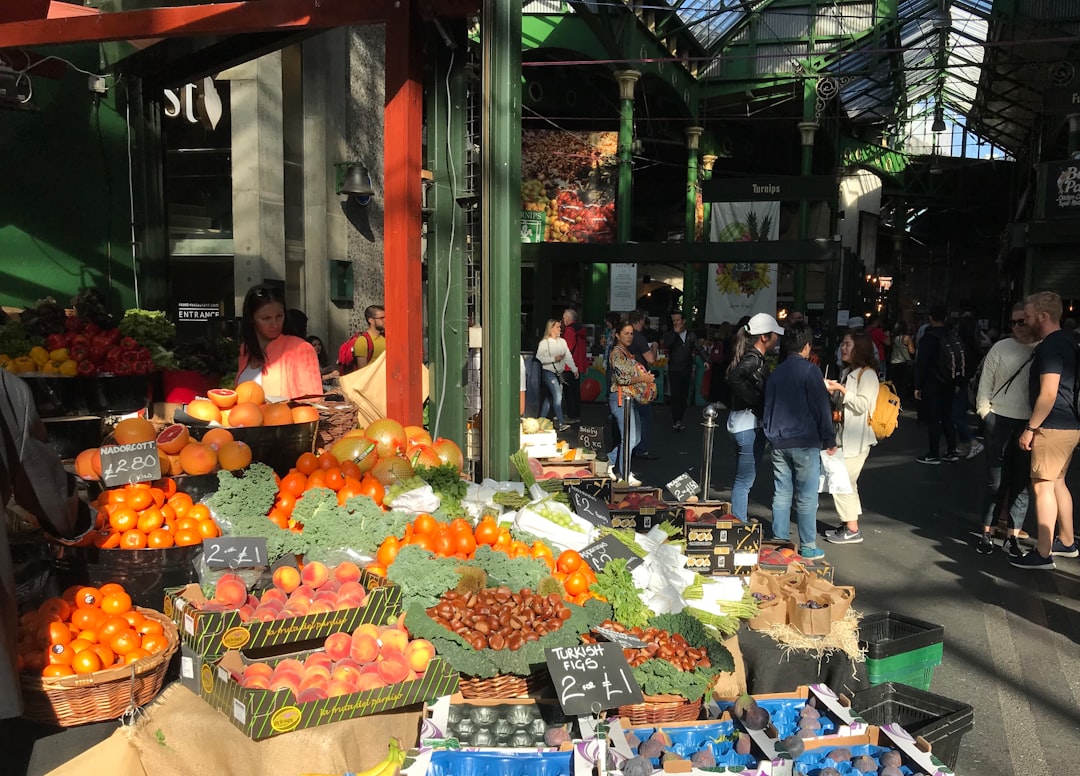
Food prices have increased substantially over recent years, with staple items like bread, milk, and eggs becoming noticeably more expensive. This price growth has exceeded the general inflation rate, creating financial strain for many households worldwide. Families are finding it increasingly challenging to maintain their budgets as food costs continue to rise.
Multiple factors contribute to current food price levels, including economic conditions, supply chain operations, and consumer demand patterns.
Understanding the drivers behind food price changes is important for making informed purchasing decisions and managing household food budgets effectively.
Investing in farmland investment can provide sustainable returns and long-term growth opportunities.
Key Takeaways
- Food prices are currently high due to a combination of global events, supply-demand imbalances, and climate change impacts.
- Government policies and consumer behavior significantly influence food price fluctuations.
- Technological advancements offer potential solutions to reduce food costs and improve supply chain efficiency.
- Inflation and climate change are key factors driving long-term increases in food prices.
- Future food prices will depend on how effectively global challenges and innovations are managed.
Factors Contributing to High Food Prices
Several factors contribute to the rising cost of food, and as a consumer, it’s essential to be aware of these influences.
Farmers face higher expenses for seeds, fertilizers, and labor, which ultimately trickle down to you at the checkout counter.
When agricultural inputs become more expensive, farmers often have no choice but to raise their prices to maintain profitability. This cycle can create a ripple effect throughout the food supply chain, impacting everything from fresh produce to processed goods. Another contributing factor is the ongoing disruptions in global supply chains.
You may have experienced shortages or delays in receiving certain products, which can lead to increased prices due to scarcity. The COVID-19 pandemic highlighted vulnerabilities in these supply chains, causing delays in transportation and distribution. As a result, when products are in short supply, retailers often raise prices to manage demand and cover their increased costs.
Understanding these dynamics can help you make more strategic choices when shopping for groceries.
Impact of Global Events on Food Prices
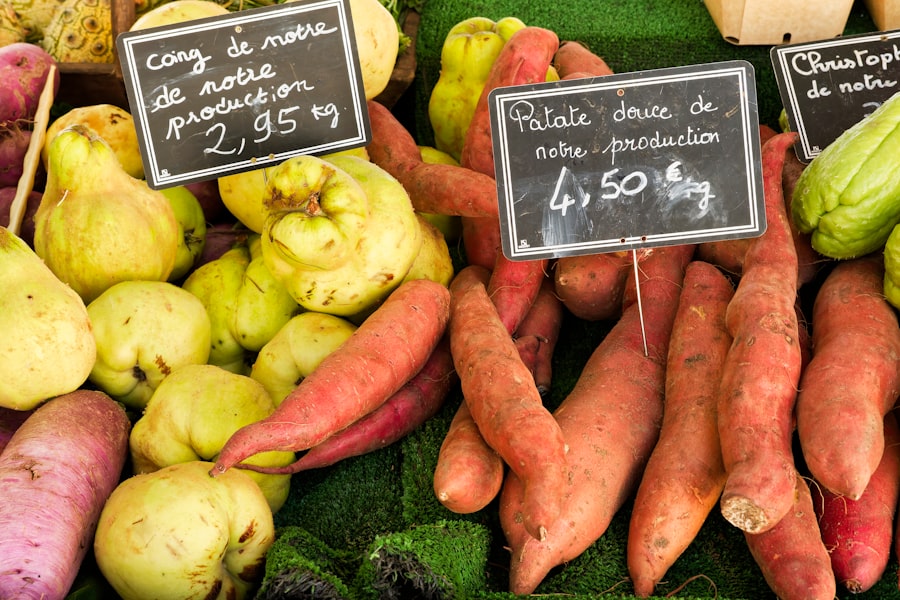
Global events play a pivotal role in shaping food prices, and as a consumer, you are directly affected by these occurrences. For instance, geopolitical tensions can disrupt trade routes and lead to sanctions that impact food exports and imports. When countries impose tariffs or restrictions on agricultural products, it can create shortages in certain regions, driving up prices for consumers like you.
The interconnectedness of the global economy means that events occurring thousands of miles away can have immediate repercussions on your grocery bill. Natural disasters also significantly impact food prices. Hurricanes, droughts, and floods can devastate crops and livestock, leading to reduced supply and increased prices.
If you’ve noticed higher prices for certain fruits or vegetables after a severe weather event, it’s likely due to the impact on agricultural production. As climate change continues to exacerbate weather patterns, the frequency and severity of these events may increase, further complicating the landscape of food pricing.
Government Policies and Food Prices
Government policies play a crucial role in shaping the landscape of food prices, and as a consumer, you should be aware of how these regulations affect your shopping experience. Subsidies for certain crops can lead to lower prices for those products while potentially raising prices for others that do not receive similar support. For example, if the government provides financial assistance to corn farmers, you may find that corn-based products are more affordable than alternatives like quinoa or rice.
Trade agreements also influence food prices by determining tariffs and import/export regulations. When countries negotiate trade deals that lower tariffs on agricultural goods, it can lead to lower prices for consumers. Conversely, if trade tensions escalate and tariffs are imposed, you may notice an increase in prices for imported foods.
Understanding these policies can empower you to make informed choices about where to shop and what products to buy.
The Role of Supply and Demand in Food Prices
| Year | Global Food Price Index | Inflation Rate (%) | Major Factors Affecting Food Prices | Forecast Trend |
|---|---|---|---|---|
| 2020 | 95 | 1.8 | COVID-19 disruptions, supply chain issues | Stable to slight increase |
| 2021 | 115 | 3.2 | Increased demand, weather extremes | Rising prices |
| 2022 | 130 | 5.0 | Energy costs, geopolitical tensions | High volatility |
| 2023 | 125 | 4.1 | Improved supply chains, inflation easing | Potential stabilization |
| 2024 (Forecast) | 120 | 3.5 | Technological advances, climate adaptation | Gradual decrease possible |
The fundamental economic principle of supply and demand is at the heart of food pricing dynamics. When demand for a particular food item exceeds its supply, prices tend to rise. You may have experienced this firsthand during seasonal peaks or holidays when certain foods become more popular.
For instance, during Thanksgiving, the demand for turkey skyrockets, often leading to higher prices as retailers respond to consumer interest. Conversely, when there is an oversupply of a product, prices may drop as retailers seek to clear inventory. This fluctuation can be seen with seasonal fruits and vegetables; when they are in abundance during harvest time, you might find them at lower prices.
Understanding how supply and demand interact can help you make savvy purchasing decisions and take advantage of sales or seasonal offerings.
Potential Solutions to Decrease Food Prices

As a consumer concerned about rising food prices, you may be interested in potential solutions that could alleviate this burden. One approach is promoting local agriculture and farmers’ markets. By supporting local farmers, you can help reduce transportation costs associated with bringing food from distant locations.
Additionally, buying directly from producers often means fresher products at competitive prices. Another solution lies in reducing food waste. You might be surprised to learn that a significant portion of food produced globally goes uneaten due to spoilage or over-purchasing.
By being mindful of your shopping habits and meal planning, you can minimize waste and contribute to a more efficient food system. This not only helps keep prices down but also supports sustainability efforts within your community.
The Effects of Technology on Food Prices
Technology has transformed the agricultural landscape in ways that directly impact food prices. Innovations such as precision farming and genetically modified organisms (GMOs) have enabled farmers to increase yields while reducing costs. As a consumer, you may benefit from lower prices as a result of these advancements in agricultural practices.
For instance, crops engineered for pest resistance can lead to reduced pesticide use and lower production costs. Moreover, advancements in supply chain technology have improved efficiency in distribution and logistics. With better tracking systems and data analytics, retailers can optimize their inventory management, reducing waste and ensuring that products reach consumers like you more quickly and efficiently.
As technology continues to evolve, it holds the potential to further influence food pricing dynamics positively.
The Influence of Climate Change on Food Prices
Climate change poses significant challenges for global agriculture, which in turn affects food prices that you encounter daily. As weather patterns become increasingly unpredictable, farmers face greater risks related to crop yields and livestock health. Droughts can lead to reduced harvests while excessive rainfall can cause flooding and crop damage.
These environmental changes can create volatility in food supply chains, leading to price fluctuations that impact your grocery bills. Additionally, climate change can exacerbate existing inequalities within the food system. Regions that are already vulnerable may experience more severe impacts from changing weather patterns, leading to increased food insecurity and higher prices for consumers in those areas.
As awareness of climate change grows, it becomes essential for consumers like you to consider how your purchasing decisions can support sustainable practices that mitigate these effects.
The Relationship Between Food Prices and Inflation
The relationship between food prices and inflation is a critical aspect of economic understanding that affects your daily life as a consumer. Inflation refers to the general increase in prices across an economy over time, which can erode purchasing power. When inflation rises, you may notice that not only are food prices increasing but also costs associated with housing, transportation, and other essentials.
Food prices often serve as a barometer for overall inflation trends. When food costs rise significantly, it can signal broader economic challenges that may lead to increased scrutiny from policymakers and economists alike. Understanding this relationship can help you anticipate changes in your budget and make informed decisions about spending priorities.
Consumer Behavior and Food Prices
Your behavior as a consumer plays a significant role in shaping food prices through demand patterns and purchasing habits. For instance, if you gravitate toward organic or specialty products, this demand can drive up prices due to limited supply or higher production costs associated with those items. Conversely, if more consumers opt for budget-friendly options or generic brands during times of economic uncertainty, retailers may respond by adjusting their pricing strategies accordingly.
Additionally, trends such as plant-based diets or health-conscious eating can influence market dynamics as producers adapt to changing consumer preferences. As you make choices about what to buy based on your values and lifestyle preferences, you contribute to the overall demand landscape that shapes food pricing.
Predictions for the Future of Food Prices
Looking ahead, predictions for the future of food prices are influenced by various factors ranging from technological advancements to climate change impacts. As agricultural practices continue to evolve with innovations such as vertical farming and lab-grown meat, there is potential for increased efficiency that could stabilize or even lower certain food prices over time. However, challenges remain on the horizon.
Climate change will likely continue to pose risks for agricultural production, potentially leading to volatility in pricing as supply chains adapt to new realities. Additionally, geopolitical tensions and trade policies will play a crucial role in determining how accessible certain foods remain for consumers like you. In conclusion, understanding the multifaceted nature of food pricing is essential for navigating today’s economic landscape as a consumer.
By staying informed about the factors influencing these costs—from global events to government policies—you can make more strategic choices that align with your budgetary needs while advocating for sustainable practices within the food system.
As discussions around the future of food prices continue, many are left wondering if they will ever see a decrease. A related article that delves into the economic factors influencing food prices can be found at How Wealth Grows. This resource provides insights into market trends and potential solutions for consumers facing rising costs.
WATCH THIS! The Gold Rush is Over. Now, the Dirt Rush is ON. 🚜💰
FAQs
Why have food prices increased recently?
Food prices have increased due to a combination of factors including supply chain disruptions, higher costs of raw materials, increased transportation expenses, adverse weather conditions affecting crop yields, and inflationary pressures globally.
Are food prices expected to decrease in the near future?
While food prices may stabilize or slightly decrease in some regions, significant reductions are unlikely in the short term due to ongoing supply chain challenges, climate impacts, and geopolitical tensions affecting production and distribution.
What factors influence the fluctuation of food prices?
Food prices are influenced by factors such as weather conditions, fuel and transportation costs, agricultural policies, global demand and supply dynamics, currency exchange rates, and market speculation.
How do global events impact food prices?
Global events like conflicts, pandemics, trade restrictions, and natural disasters can disrupt production and supply chains, leading to shortages or surpluses that directly affect food prices worldwide.
Can technological advancements help reduce food prices?
Yes, advancements in agricultural technology, improved supply chain management, and innovations in food production can increase efficiency and yields, potentially helping to stabilize or reduce food prices over time.
What role do government policies play in food pricing?
Government policies such as subsidies, tariffs, import/export restrictions, and price controls can significantly influence food prices by affecting production costs and market availability.
Is it possible for consumers to protect themselves from rising food prices?
Consumers can mitigate the impact of rising food prices by budgeting carefully, buying in bulk, choosing seasonal and locally produced foods, reducing food waste, and seeking out discounts or alternative brands.
How does climate change affect food prices?
Climate change leads to unpredictable weather patterns, droughts, floods, and other extreme events that can reduce crop yields and livestock productivity, thereby increasing food production costs and prices.
Will food prices ever return to pre-inflation levels?
It is uncertain if food prices will return to pre-inflation levels due to ongoing economic changes, but prices may stabilize as markets adjust and supply chains improve over time.
Are food prices rising globally or only in certain regions?
Food price increases are a global phenomenon but can vary significantly by region depending on local production capacity, import reliance, economic conditions, and government interventions.