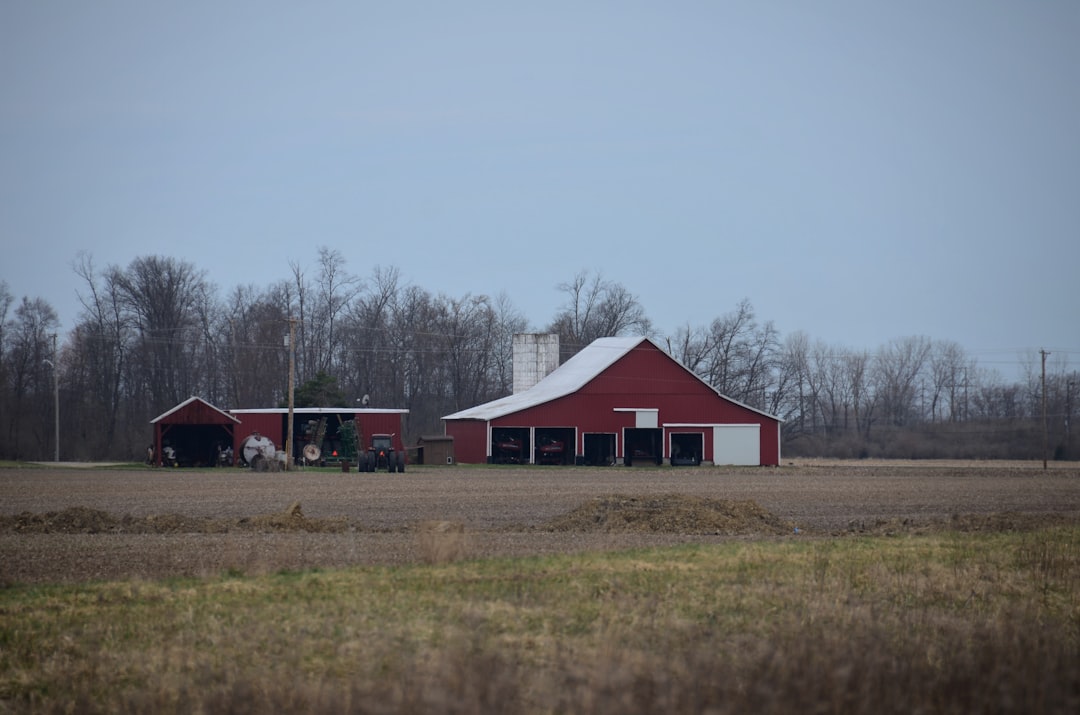
Farmland prices represent the monetary value of cultivated land used for food production and agricultural sustainability. These prices are influenced by multiple factors including economic conditions, government policies, and market dynamics. Understanding farmland pricing is essential for farmers, investors, and land managers who need to make informed decisions about agricultural land purchases and management.
Farmland prices fluctuate based on various economic and regulatory factors. The agricultural land market reflects broader economic trends and the overall health of the agricultural sector. For investors and farmers considering farmland purchases or seeking to understand market conditions, knowledge of pricing factors and market trends is necessary for effective decision-making in this sector.
Investing in farmland investment can provide sustainable returns and long-term growth opportunities.
Key Takeaways
- Farmland prices are influenced by multiple factors including economic conditions, government policies, and investor demand.
- Current trends show fluctuations in farmland prices, reflecting both historical patterns and recent market dynamics.
- Agricultural commodity prices have a direct relationship with farmland values, impacting profitability and land demand.
- Economic uncertainties and policy changes pose potential risks and vulnerabilities to farmland price stability.
- Expert forecasts vary, but there is ongoing debate about the likelihood of a near-term farmland price crash.
Factors Affecting Farmland Prices
When you think about what drives farmland prices, several key factors come to mind. One of the most significant influences is the demand for agricultural products. As the global population continues to grow, so does the need for food, which in turn increases the demand for farmland.
This demand can lead to higher prices, especially in regions where agricultural production is vital. Additionally, advancements in technology and farming practices can enhance productivity, making certain parcels of land more valuable due to their potential output.
When interest rates are low, borrowing becomes more affordable, allowing farmers and investors to purchase land more easily. Conversely, high-interest rates can deter investment in farmland, leading to a decrease in prices. You should also consider local economic conditions, such as employment rates and income levels, which can affect farmers’ ability to invest in land and improve its value.
The interplay of these factors creates a dynamic environment where farmland prices can shift rapidly.
Current Trends in Farmland Prices
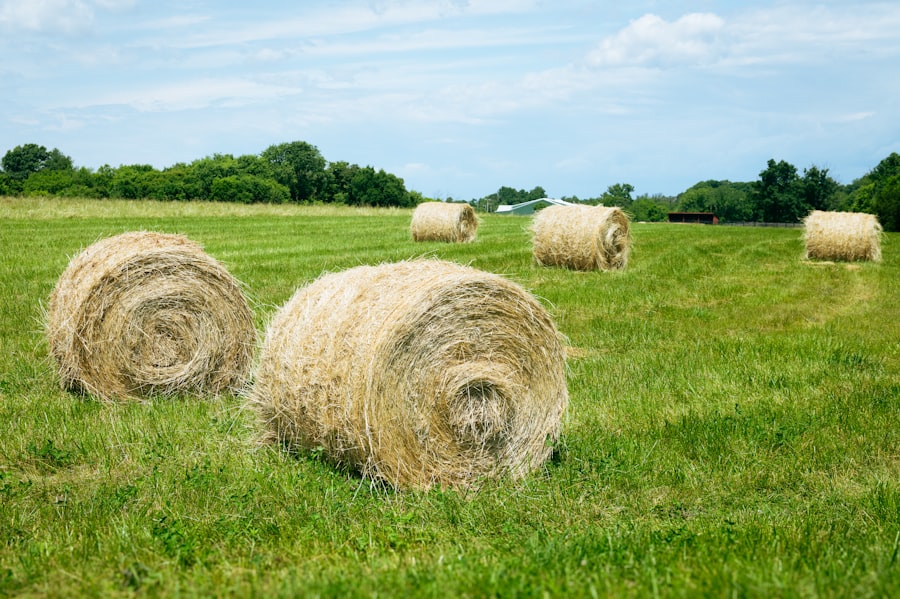
As you examine the current landscape of farmland prices, you will notice some intriguing trends. In recent years, many regions have experienced a surge in farmland values, driven by strong commodity prices and increased investor interest. This trend has been particularly pronounced in areas with fertile soil and favorable climates, where agricultural production is thriving.
You may find that certain states or regions are seeing more significant price increases than others, reflecting local market conditions and agricultural viability. Moreover, sustainability has become a buzzword in agriculture, influencing how land is valued. As consumers become more conscious of environmental issues, farmland that employs sustainable practices may command higher prices.
This shift towards sustainability not only affects current valuations but also shapes future expectations for farmland prices. As you navigate these trends, it’s essential to keep an eye on how consumer preferences and environmental considerations are reshaping the agricultural landscape.
Historical Patterns of Farmland Prices
To truly understand the current state of farmland prices, you must look back at historical patterns. Over the decades, farmland values have experienced cycles of boom and bust, often mirroring broader economic trends. For instance, during periods of economic prosperity, farmland prices tend to rise as demand for agricultural products increases.
Conversely, during economic downturns or periods of low commodity prices, you may observe a decline in land values. One notable historical event was the 1980s farm crisis in the United States, which saw a dramatic drop in farmland prices due to high interest rates and falling commodity prices. This period serves as a cautionary tale about the volatility of farmland investments and the importance of understanding market cycles.
By studying these historical patterns, you can gain valuable insights into how current conditions may evolve and what potential challenges lie ahead.
Potential Impact of Economic Conditions on Farmland Prices
| Metric | Current Value | Trend | Impact on Farmland Prices | Notes |
|---|---|---|---|---|
| Farmland Price Index | Up 3% year-over-year | Moderate Increase | Supports stable or rising prices | Prices have slowed but remain positive |
| Interest Rates | 5.5% average mortgage rate | Rising | Potential downward pressure | Higher borrowing costs may reduce demand |
| Commodity Prices (Corn, Wheat) | Stable to slightly declining | Flat to Slight Decline | Neutral to negative | Lower farm income could reduce land value |
| Farm Income | Down 5% from last year | Declining | Negative | Less income may reduce ability to pay high prices |
| Inflation Rate | 4.2% annual | Moderate | Supports farmland as inflation hedge | Farmland often seen as a store of value |
| Government Subsidies | Stable | Unchanged | Supports price stability | Subsidies help maintain farm profitability |
| Land Sales Volume | Down 10% year-over-year | Declining | Potential sign of cooling market | Lower transaction volume may precede price adjustments |
Economic conditions play a pivotal role in shaping farmland prices. As you consider various economic indicators—such as GDP growth, inflation rates, and employment levels—you will see how they directly influence agricultural markets. For instance, a robust economy typically leads to increased consumer spending on food products, which can drive up demand for farmland and subsequently its price.
Conversely, during economic downturns, reduced consumer spending can lead to lower demand for agricultural products and a decline in land values. Additionally, global economic conditions cannot be overlooked. Trade agreements, tariffs, and international market dynamics all impact agricultural exports and imports.
If you are involved in farming or investing in farmland, understanding these global economic factors is crucial for anticipating changes in land values. The interconnectedness of economies means that shifts in one part of the world can have ripple effects on farmland prices elsewhere.
Effects of Government Policies on Farmland Prices
Government policies significantly influence farmland prices through various mechanisms such as subsidies, tax incentives, and land use regulations. As you explore this aspect, consider how agricultural policies can create favorable conditions for farmers and investors alike. For example, subsidies for certain crops can increase profitability for farmers, leading to higher demand for land dedicated to those crops.
This increased demand can subsequently drive up farmland prices. On the other hand, restrictive land use policies or zoning regulations can limit development opportunities and affect land values negatively. You may also want to examine how conservation programs aimed at preserving farmland can impact market dynamics.
While these programs may stabilize certain areas’ land values by preventing urban sprawl, they can also limit potential profits from development projects. Understanding these policies will help you navigate the complexities of farmland pricing more effectively.
Relationship Between Farmland Prices and Agricultural Commodity Prices
The relationship between farmland prices and agricultural commodity prices is intricate and often cyclical. As you analyze this connection, you’ll find that rising commodity prices typically lead to increased farmland values. When farmers can sell their crops at higher prices, they are more likely to invest in their land—whether through improvements or expansion—thereby driving up its value.
Conversely, when commodity prices fall, you may see a corresponding decline in farmland values as farmers struggle to maintain profitability. This relationship underscores the importance of monitoring commodity markets if you’re interested in farmland investment or agriculture as a business. By staying informed about trends in crop prices and understanding how they correlate with land values, you can make more strategic decisions regarding your investments or farming operations.
Role of Investor Demand in Farmland Prices
Investor demand has become an increasingly influential factor in determining farmland prices in recent years. As traditional investment avenues like stocks and bonds exhibit volatility, many investors are turning their attention to agriculture as a stable asset class. This shift has led to heightened competition for available farmland, driving up prices significantly in some regions.
You should also consider the motivations behind this investor interest. Many view farmland as a hedge against inflation or a way to diversify their portfolios with tangible assets that produce consistent returns over time. This influx of capital into the agricultural sector can create upward pressure on land values, making it essential for potential buyers to act quickly when opportunities arise.
Understanding this investor dynamic will help you navigate the competitive landscape of farmland purchasing.
Potential Risks and Vulnerabilities in Farmland Prices
While investing in farmland can be lucrative, it is not without its risks and vulnerabilities. As you explore this aspect further, consider factors such as climate change and natural disasters that can significantly impact agricultural productivity and land values. Extreme weather events like droughts or floods can devastate crops and lead to financial losses for farmers, which may subsequently affect farmland prices.
Additionally, market volatility poses another risk factor. Fluctuations in commodity prices can create uncertainty for farmers and investors alike. If you’re considering investing in farmland or working within the agricultural sector, it’s crucial to develop strategies for mitigating these risks—whether through diversification or by staying informed about market trends and environmental conditions.
Expert Opinions and Forecasts on Farmland Prices
As you seek insights into future farmland price trends, expert opinions can provide valuable guidance. Analysts often consider various factors—such as economic indicators, government policies, and global market dynamics—when making forecasts about farmland values. Many experts believe that while current trends indicate rising prices due to strong demand and investor interest, potential economic downturns or shifts in commodity markets could lead to corrections in the future.
You may also want to pay attention to regional variations in expert forecasts. Some areas may be poised for continued growth due to favorable conditions or strong agricultural sectors, while others may face challenges that could hinder price appreciation. By gathering diverse perspectives from industry experts and analysts, you can better position yourself to make informed decisions regarding your involvement with farmland.
Will Farmland Prices Crash Soon?
As you reflect on the complexities surrounding farmland prices, one question looms large: will there be a crash soon? While predicting market movements is inherently uncertain, understanding the various factors at play can help you form an educated opinion on this matter. Current trends suggest that while there may be short-term fluctuations due to economic conditions or commodity price changes, long-term demand for agricultural land remains strong.
However, it’s essential to remain vigilant about potential risks—such as climate change impacts or shifts in government policy—that could disrupt this stability. By staying informed and adaptable within this ever-evolving landscape, you can navigate the challenges and opportunities presented by farmland investments with greater confidence. Ultimately, whether you’re a farmer or an investor, being proactive about understanding these dynamics will serve you well as you engage with the world of farmland pricing.
As concerns about the future of farmland prices continue to grow, many investors are left wondering if a crash is imminent. A related article that delves into the factors influencing these prices can be found at com/’>How Wealth Grows.
This resource provides valuable insights into market trends and economic indicators that could impact farmland investments in the near future.
WATCH THIS! The Gold Rush is Over. Now, the Dirt Rush is ON. 🚜💰
FAQs
What factors influence farmland prices?
Farmland prices are influenced by various factors including crop prices, interest rates, government policies, supply and demand dynamics, weather conditions, and overall economic health.
Has farmland prices historically experienced crashes?
While farmland prices have experienced periods of decline, outright crashes are relatively rare compared to other asset classes. Prices tend to be more stable due to the essential nature of agricultural land.
How do interest rates affect farmland prices?
Rising interest rates can increase borrowing costs for farmers and investors, potentially leading to lower demand for farmland and downward pressure on prices. Conversely, low interest rates often support higher farmland values.
Can government policies impact farmland prices?
Yes, government subsidies, tax incentives, and agricultural support programs can significantly affect farmland values by influencing farm income and investment attractiveness.
Is farmland a good investment during economic downturns?
Farmland is often considered a relatively stable investment during economic downturns due to its tangible nature and consistent demand for food production, though it is not immune to market fluctuations.
What role does commodity price volatility play in farmland values?
Commodity price fluctuations directly impact farm profitability, which in turn affects farmland demand and prices. High commodity prices generally support higher land values, while prolonged low prices can depress them.
Are there regional differences in farmland price trends?
Yes, farmland prices can vary significantly by region due to differences in soil quality, climate, crop types, infrastructure, and local economic conditions.
How can weather and climate change affect farmland prices?
Adverse weather events and long-term climate changes can impact crop yields and farm income, potentially reducing farmland values in affected areas while possibly increasing values in regions with more favorable conditions.
What indicators should be monitored to assess the risk of a farmland price crash?
Key indicators include rising interest rates, declining commodity prices, reduced farm income, increased farmland supply, changes in government policy, and broader economic instability.
Is it possible to predict when farmland prices will crash?
Predicting exact timing of farmland price crashes is challenging due to the complex interplay of factors involved. Analysts rely on economic data, market trends, and policy developments to assess risks but cannot guarantee precise forecasts.