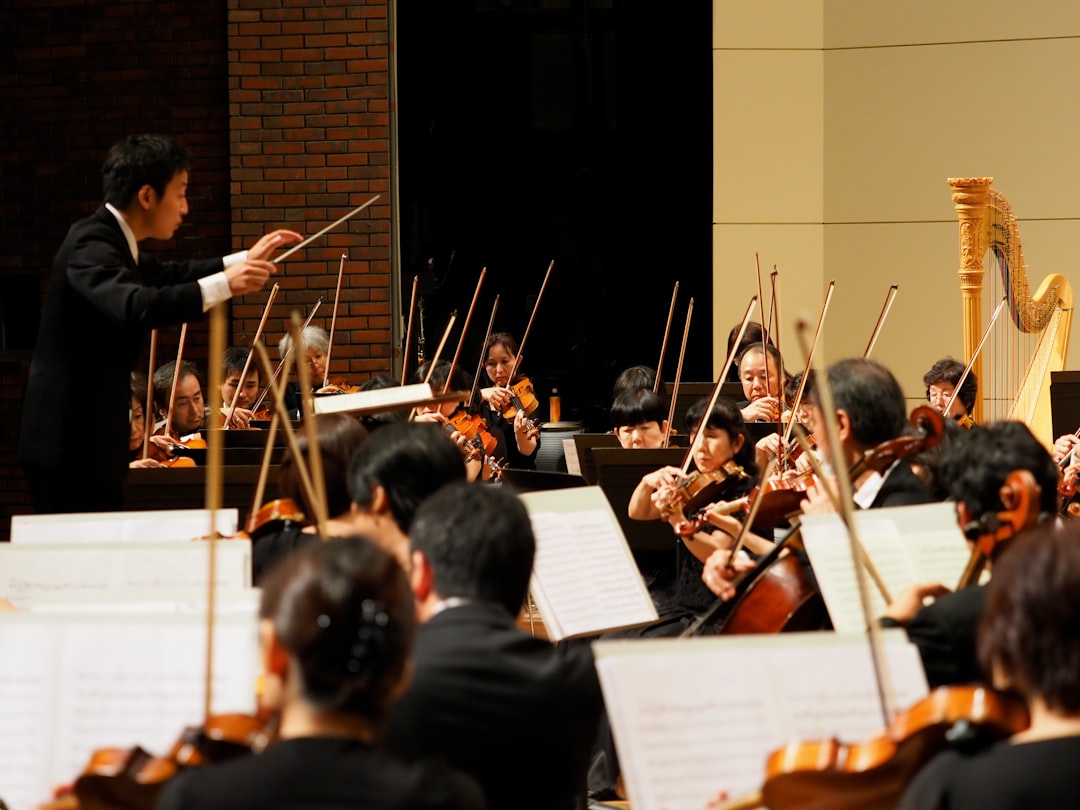
Orchestras are established musical institutions that perform symphonic repertoire using large ensembles of string, woodwind, brass, and percussion instruments. These organizations typically consist of 60 to 100 musicians who perform works spanning from the Baroque period to contemporary compositions. Professional orchestras operate in major cities worldwide and serve multiple functions within their communities.
Orchestras contribute to cultural preservation by maintaining and performing classical music traditions that date back several centuries. They present works by composers such as Bach, Mozart, Beethoven, and Brahms, ensuring these compositions remain accessible to modern audiences. Many orchestras also commission new works from contemporary composers, supporting ongoing musical development and innovation.
Educational outreach represents a significant component of orchestral operations. Most professional orchestras conduct school visits, youth concerts, and educational workshops designed to introduce music to younger audiences. These programs often include instrument demonstrations, simplified concert formats, and interactive presentations that explain musical concepts and orchestral structure.
They employ professional musicians, administrative staff, and support personnel while generating revenue through ticket sales, donations, and government funding. Many orchestras collaborate with local schools, universities, and cultural organizations to expand their community impact.
The orchestral experience differs from recorded music through its live acoustic presentation and visual elements. Concert halls are specifically designed to optimize sound projection and audience experience, creating an environment where musical nuances and ensemble coordination can be fully appreciated.
Key Takeaways
- Orchestras play a vital cultural role but face challenges from funding cuts and declining attendance.
- Government funding, corporate sponsorship, and individual donations are crucial for orchestral sustainability.
- Economic downturns negatively impact orchestral funding, making diverse support sources essential.
- Education, outreach, and community engagement are key strategies to boost attendance and support.
- A collective call to action is needed to ensure the future vitality of orchestras.
The Impact of Funding Cuts on Orchestras
In recent years, many orchestras have faced significant funding cuts that threaten their very existence. These financial challenges often stem from reduced government support, dwindling corporate sponsorships, and a general decline in philanthropic contributions. As you consider the implications of these cuts, it becomes clear that they can lead to a vicious cycle: diminished funding results in fewer performances, which in turn leads to decreased audience engagement and further financial strain.
This precarious situation not only jeopardizes the livelihoods of musicians and staff but also limits the artistic vision that orchestras strive to achieve. The impact of funding cuts is felt most acutely in the programming choices available to orchestras. With tighter budgets, many organizations are forced to scale back on ambitious projects or innovative collaborations that could attract new audiences.
Instead of exploring new repertoire or commissioning contemporary works, they may resort to performing familiar classics that, while beloved, do little to expand their reach or relevance in today’s rapidly changing cultural landscape. As you reflect on this reality, it becomes evident that without adequate funding, orchestras risk becoming stagnant institutions rather than vibrant centers of artistic exploration.
Decreasing Attendance and its Effects on Orchestras
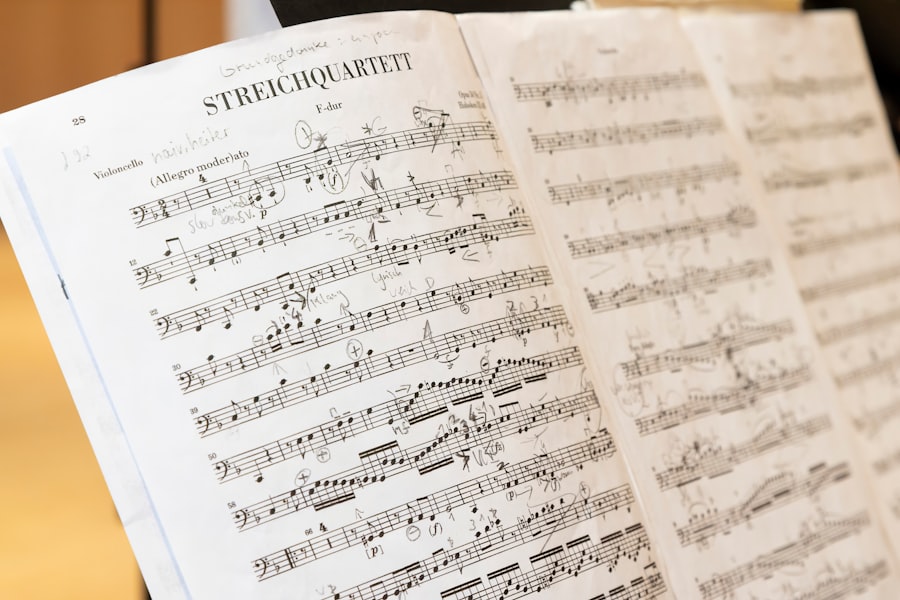
As attendance at orchestral performances continues to decline, the repercussions are felt throughout the entire organization. You may have noticed that fewer people are attending concerts, which can be attributed to various factors such as changing demographics, competing entertainment options, and a general perception that orchestral music is inaccessible or elitist. This trend poses a significant challenge for orchestras striving to maintain their relevance in an increasingly crowded cultural marketplace.
When ticket sales drop, it not only affects immediate revenue but also impacts long-term sustainability. The effects of decreasing attendance extend beyond financial implications; they also influence the overall vibrancy of the orchestra community. A half-filled concert hall can create an atmosphere that feels less engaging for both performers and audience members alike.
The energy generated by a full house is palpable and can enhance the experience for everyone involved. When you attend a concert with a lively audience, you become part of a shared experience that amplifies the emotional impact of the music being performed. Conversely, when attendance wanes, it can lead to a sense of isolation for both musicians and patrons, further exacerbating the challenges faced by orchestras.
The Role of Government Funding in Supporting Orchestras
Government funding has historically played a pivotal role in supporting orchestras and ensuring their continued operation. As you consider the importance of public investment in the arts, it becomes clear that government grants can provide essential resources for orchestras to thrive. These funds often help cover operational costs, support educational initiatives, and enable orchestras to engage in community outreach programs.
Without this financial backing, many orchestras would struggle to maintain their programming and outreach efforts. However, government funding is not guaranteed and can fluctuate based on political priorities and economic conditions. As you observe the shifting landscape of public funding for the arts, it is crucial to advocate for policies that prioritize support for cultural institutions like orchestras.
By engaging with local representatives and participating in advocacy efforts, you can help ensure that government funding remains a vital lifeline for these organizations. Your voice matters in shaping the future of orchestras and preserving their role as essential contributors to the cultural fabric of society.
Corporate Sponsorship and its Influence on Orchestras
| Reason for Cancellation | Percentage of Occurrences | Common Examples | Impact on Audience |
|---|---|---|---|
| Musician Illness or Injury | 35% | Flu outbreaks, injuries during rehearsals | Disappointment, rescheduling required |
| Venue Issues | 20% | Power outages, structural problems | Event postponed or moved |
| Weather Conditions | 15% | Severe storms, snow, flooding | Safety concerns, cancellations |
| Financial Constraints | 10% | Budget cuts, low ticket sales | Reduced programming, cancellations |
| Technical Difficulties | 8% | Sound system failure, lighting issues | Performance delays or cancellations |
| Artist or Conductor Availability | 7% | Scheduling conflicts, emergencies | Program changes or cancellations |
| Other Unforeseen Circumstances | 5% | Security threats, transportation problems | Event cancellation or rescheduling |
Corporate sponsorship has emerged as another significant source of funding for orchestras in recent years. Many organizations have turned to businesses for financial support in exchange for promotional opportunities and brand visibility. As you consider the implications of corporate sponsorship, it is essential to recognize both its benefits and potential drawbacks.
On one hand, partnerships with corporations can provide much-needed resources that enable orchestras to expand their programming and reach new audiences. On the other hand, there is a risk that corporate interests may influence artistic decisions or lead to a focus on commercial viability over artistic integrity. The relationship between orchestras and corporate sponsors can be complex.
While sponsorships can provide financial stability, they may also create expectations regarding programming or marketing strategies that align with corporate branding goals. As you engage with your local orchestra, it is worth considering how these partnerships shape the overall mission and vision of the organization. Are they enhancing the artistic experience or detracting from it?
By fostering open dialogue about corporate sponsorships within your community, you can help ensure that these partnerships serve the best interests of both the orchestra and its audience.
The Importance of Individual Donations for Orchestras
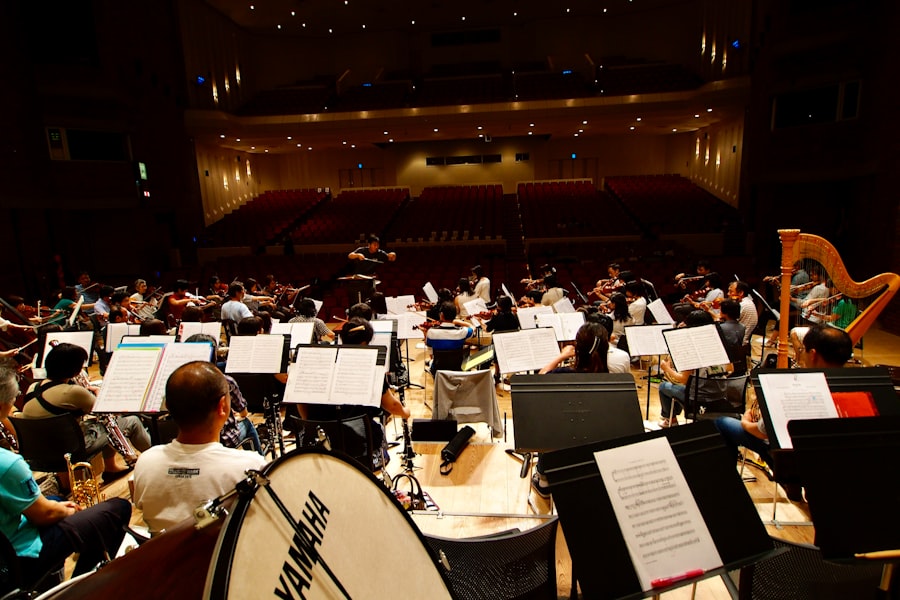
Individual donations play an indispensable role in sustaining orchestras and supporting their mission. As you reflect on your own capacity to contribute, consider how even small donations can make a significant impact on an orchestra’s ability to thrive. Many orchestras rely on contributions from patrons who believe in their work and want to see them succeed.
These donations can help fund everything from educational programs to concert productions, allowing orchestras to continue enriching the cultural landscape. Moreover, individual donations foster a sense of community ownership over the orchestra’s success. When you contribute financially, you become part of a larger movement dedicated to preserving and promoting the arts in your area.
This sense of belonging can deepen your connection to the orchestra and enhance your overall experience as an audience member.
Strategies for Increasing Attendance at Orchestral Events
To combat declining attendance at orchestral performances, it is essential for organizations to adopt innovative strategies aimed at attracting new audiences. As you consider ways to engage with your local orchestra, think about how they might diversify their programming or create more accessible experiences for potential attendees. For instance, offering themed concerts or collaborating with popular artists from different genres can draw in individuals who may not typically attend classical performances.
Additionally, enhancing marketing efforts through social media and community outreach can help raise awareness about upcoming events and foster excitement around orchestral performances. By leveraging digital platforms to share behind-the-scenes content or highlight unique aspects of upcoming concerts, orchestras can create a buzz that encourages attendance. As an audience member, your enthusiasm can also play a role in promoting these events; sharing your experiences with friends and family can help cultivate interest within your community.
The Role of Education and Outreach in Sustaining Orchestras
Education and outreach initiatives are vital components of an orchestra’s mission to engage with its community and cultivate future audiences. As you explore how orchestras connect with local schools and organizations, consider the impact these programs have on young people’s understanding and appreciation of music. By providing workshops, masterclasses, and interactive performances, orchestras can inspire students to pursue their musical interests while fostering a lifelong love for the arts.
Moreover, outreach efforts can help bridge gaps between diverse communities and orchestral music. By collaborating with local organizations or hosting events that celebrate various cultural traditions, orchestras can create inclusive spaces where everyone feels welcome. As you participate in or support these initiatives, you contribute to building a more vibrant cultural ecosystem that values diversity and encourages artistic exploration.
The Impact of Economic Downturns on Orchestral Funding
Economic downturns can have devastating effects on funding for orchestras as individuals and organizations tighten their budgets during challenging times. As you consider how economic fluctuations impact cultural institutions, it becomes evident that many orchestras face increased competition for limited resources during periods of financial uncertainty. This competition can lead to reduced ticket sales, fewer donations, and diminished government support—all factors that threaten an orchestra’s ability to operate effectively.
In times of economic hardship, it is crucial for orchestras to adapt their strategies and seek alternative funding sources. This may involve exploring new partnerships or diversifying revenue streams through innovative programming or merchandise sales. As an audience member or supporter, your engagement during these challenging times is vital; attending performances or contributing financially can help bolster an orchestra’s resilience in the face of adversity.
The Need for Community Support in Sustaining Orchestras
Community support is essential for sustaining orchestras and ensuring their continued relevance within society. As you reflect on your own role within your community, consider how your involvement can contribute to the success of local cultural institutions like orchestras. Whether through attending performances, volunteering time or resources, or advocating for arts funding at local government meetings, every action counts toward building a stronger foundation for these organizations.
Moreover, fostering a sense of ownership among community members can enhance engagement with orchestral programming. When individuals feel invested in an orchestra’s success—whether through financial contributions or active participation—they are more likely to attend performances regularly and encourage others to do so as well. By cultivating this sense of community around your local orchestra, you help create an environment where artistic expression thrives.
Conclusion and Call to Action for Supporting Orchestras
In conclusion, the challenges facing orchestras today are multifaceted but not insurmountable. As you reflect on the importance of these cultural institutions within your community, consider how your support—whether through attendance at performances, financial contributions, or advocacy—can make a meaningful difference in sustaining their future. Orchestras enrich our lives by providing access to transformative musical experiences while fostering connections among individuals from diverse backgrounds.
Now is the time for action; by rallying together as advocates for the arts, we can ensure that orchestras continue to thrive for generations to come. Whether you choose to attend a concert this weekend or make a donation online today, every effort counts toward preserving this vital aspect of our cultural heritage. Let us stand together in support of our local orchestras—because when we invest in the arts, we invest in our communities and ourselves.
Orchestras often face cancellations due to a variety of factors, including financial constraints, scheduling conflicts, and unforeseen circumstances such as health crises. For a deeper understanding of the challenges orchestras encounter, you can read more in this related article: Why Orchestras Get Canceled. This article explores the complexities behind the scenes that can lead to the unfortunate decision to cancel performances.
📌WATCH THIS! They Sold Your School Building—Then Made You Rent It Back
FAQs
Why do orchestras get canceled?
Orchestras can be canceled due to a variety of reasons including financial difficulties, low ticket sales, unexpected illness of key performers, logistical issues, or unforeseen events such as natural disasters or public health emergencies.
How often do orchestras get canceled?
The frequency of cancellations varies depending on the orchestra and circumstances. While cancellations are relatively rare for well-established orchestras, smaller or community orchestras may experience cancellations more frequently due to limited resources.
Can weather cause an orchestra performance to be canceled?
Yes, severe weather conditions such as storms, heavy snow, or flooding can lead to the cancellation of orchestra performances, especially if travel becomes unsafe for musicians or audience members.
Are orchestra cancellations usually announced in advance?
Orchestra cancellations are typically announced as soon as possible to inform ticket holders and the public. However, last-minute cancellations can occur due to sudden illness or emergencies.
What happens to tickets if an orchestra performance is canceled?
Ticket policies vary by orchestra, but generally, tickets for canceled performances can be refunded or exchanged for another concert date. It is best to check with the specific orchestra’s box office or website for their refund policy.
Do orchestras reschedule canceled performances?
Many orchestras attempt to reschedule canceled performances when possible, but this depends on venue availability, musician schedules, and other logistical factors.
Can financial issues cause an orchestra to cancel a season or multiple concerts?
Yes, financial challenges such as budget shortfalls or loss of funding can lead orchestras to cancel individual concerts or entire seasons to manage costs.
How do public health concerns affect orchestra performances?
Public health concerns, such as pandemics or outbreaks, can result in cancellations or postponements to protect the health and safety of musicians, staff, and audiences.
Are cancellations more common in certain types of orchestras?
Smaller, community, or youth orchestras may experience more frequent cancellations due to limited funding, volunteer staffing, or availability of musicians compared to professional, well-funded orchestras.
What can audiences do if an orchestra performance is canceled?
Audiences should check the orchestra’s official communication channels for updates, inquire about refunds or exchanges, and consider supporting the orchestra through donations or attending future performances.