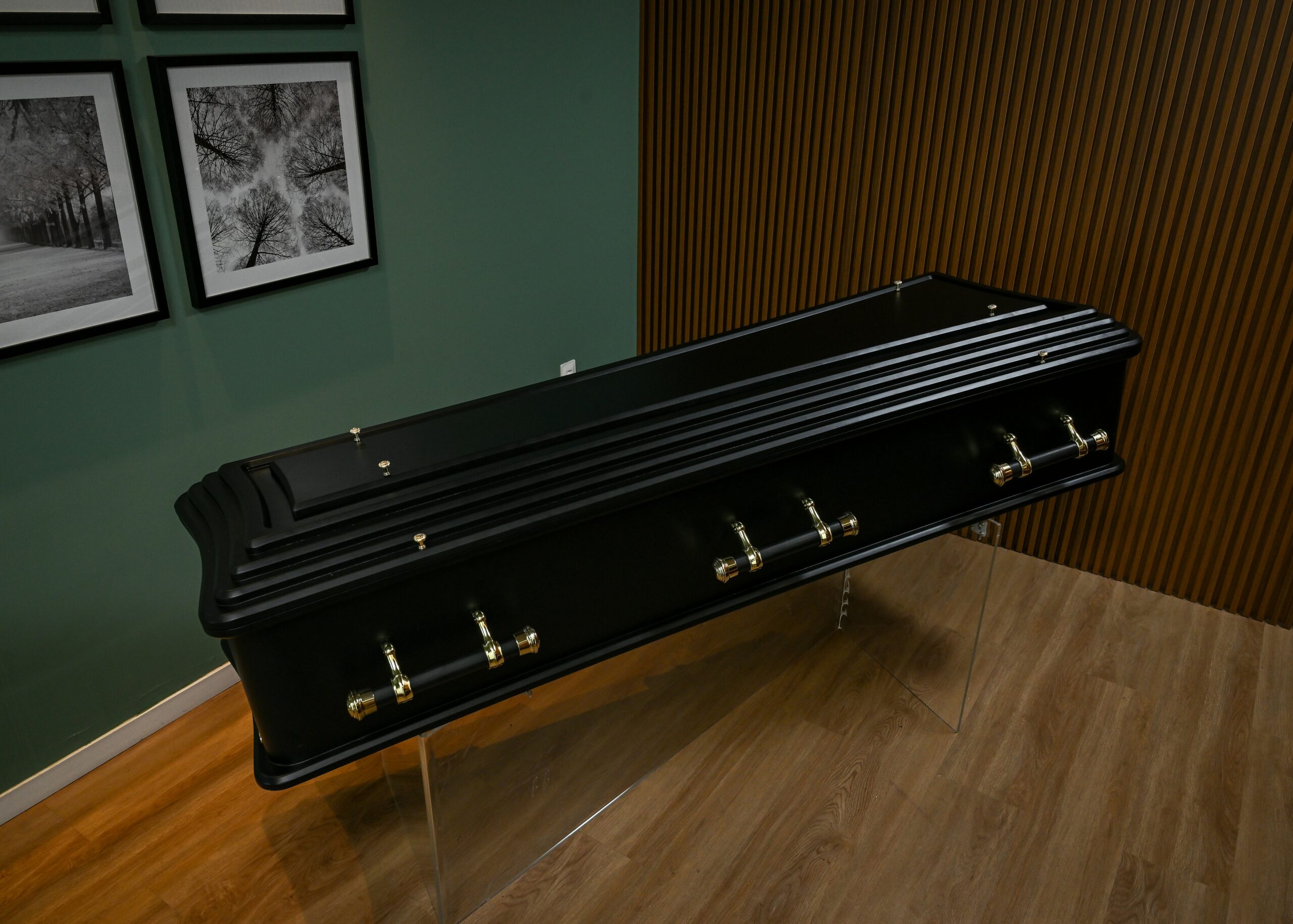
You’ve always understood that life has a finite expiration date. It’s a universal truth, as dependable as the sun rising and setting. Yet, the way certain businesses choose to interact with you during your moments of grief, when your thoughts are likely as tangled as a ball of yarn after a kitten attack, can be a stark revelation. Imagine walking into the solemn quiet of a funeral home, seeking solace and guidance, only to find yourself navigating a landscape where the primary concern is not your peace of mind, but the attainment of sales targets. This is the reality brought to light by a recent whistleblower’s courageous act, exposing a system that prioritizes profit over genuine care within the funeral industry.
You might have always assumed that funeral directors, by the very nature of their profession, operate with a deep sense of empathy and a commitment to serving grieving families. This whistleblower’s testimony, however, paints a different picture, one where the veneer of compassion often conceals a relentless pursuit of sales. This isn’t about providing dignified farewells; it’s about selling pre-need plans, elaborate caskets, and expensive memorial services as if you were browsing a car dealership.
The Whistleblower’s Motivation: A Seed of Discontent
The individual who has stepped forward, choosing to remain anonymous for their own protection, likely harbored a growing unease for some time. Perhaps they witnessed firsthand the subtle, and at times not-so-subtle, techniques employed to upsell services. It’s a difficult position to be in, being privy to practices that feel ethically questionable, especially when they directly impact individuals at their most vulnerable. Their decision to speak out is akin to a single flickering candle illuminating a dark room, revealing what was previously obscured.
The Nature of the Exposé: A Deep Dive into Practices
The core of the whistleblower’s allegations centers on the existence of stringent sales targets imposed upon funeral home employees. This means that the conversations you have with funeral directors are not necessarily solely focused on meeting your specific needs and budget, but may also be influenced by pressure to meet quotas. This creates a discordant note in an orchestra of grief, a dissonant chord that disrupts the harmony of what should be a supportive experience.
Marketing Strategies Deemed Manipulative
The whistleblower’s account details specific marketing strategies that are being employed. These can range from high-pressure sales tactics to the creation of an atmosphere that subtly discourages families from considering more affordable options. You are being presented with choices, yes, but are those choices truly presented with your best interests at heart, or are they curated to lead you towards the most profitable outcome for the business?
The Role of Pre-Need Services
Pre-need funeral planning, often marketed as a way to alleviate future burdens on loved ones, has become a significant area of focus for these sales targets. While the intention behind pre-need can be laudable, the whistleblower suggests that the push to sell these plans is often relentless and may not always prioritize the individual’s genuine wishes or financial capacity. It’s like being offered a life raft that comes with an exorbitant price tag and all the bells and whistles, even if a simple inflatable would suffice.
In recent discussions surrounding ethical practices within the funeral industry, a whistleblower has brought to light concerning sales targets that prioritize profit over compassion. This revelation has sparked a broader conversation about transparency and accountability in funeral services. For further insights into the financial dynamics at play in this industry, you can read a related article on wealth management and ethical considerations at How Wealth Grows.
The Impact on Grieving Families: Navigating a Minefield
When you are in mourning, you are often operating with diminished capacity for critical thinking. Your emotional landscape is a fragile terrain, and the funeral industry, in many instances, has been exploiting this vulnerability. The exposé suggests that the pressure to meet sales targets transforms what should be a sanctuary of support into a transactional environment, where your grief becomes a commodity.
Emotional Vulnerability Exploited
The hallmark of a good caregiver, whether medical or emotional, is their ability to recognize and respect vulnerability. However, the practices highlighted by the whistleblower suggest that within parts of the funeral industry, this vulnerability is being treated as an opportunity. Imagine being lost in a fog, and instead of a guiding hand, you are met with someone trying to sell you a map with an inflated price.
The Illusion of Choice: A Carefully Curated Menu
You are presented with options during a time of immense stress. These options, however, might not be presented with full transparency. The whistleblower’s report indicates that certain services are pushed more aggressively, potentially obscuring more basic and cost-effective alternatives. The funeral director’s role, in this context, shifts from that of a compassionate advisor to that of a salesperson, strategically guiding you through a pre-determined menu.
The Price of “Dignity”: Inflated Costs
The concept of a “dignified farewell” is a powerful one, emotionally charged and deeply personal. The whistleblower’s allegations suggest that this notion is being leveraged to justify inflated prices for caskets, embalming, and other services. You are led to believe that a higher price equates to greater respect, a correlation that may be more a marketing construct than a genuine reflection of service quality.
The Pressure to Upgrade: A Constant Temptation
You might find yourself being subtly, or not so subtly, encouraged to opt for more expensive packages. This could involve suggestions for premium caskets, elaborate floral arrangements, or extended viewing times, all presented as essential components of a proper send-off. It’s like being offered a standard meal and then being pressured to add premium sides and desserts that significantly increase the bill.
The Funeral Industry’s Response: Defense and Denial

As is often the case when such revelations surface, the immediate reaction from the implicated industry is a mixture of denial and attempts to downplay the severity of the allegations. It is a predictable pattern, a defense mechanism designed to protect a reputation and, more importantly, revenue streams.
Corporate Statements: A Carefully Crafted Reassurance
You will likely hear carefully worded statements from industry associations and larger corporations. These statements often emphasize their commitment to ethical practices and compassionate service. However, when juxtaposed with the whistleblower’s detailed accounts, these pronouncements can begin to sound like hollow assurances. It’s akin to a leaky boat captain assuring passengers of its seaworthiness while pointing to a freshly painted deck.
Blame Shifting: The Individual Employee as the Scapegoat
There’s a tendency within industries facing such scrutiny to shift blame onto individual employees, framing any unethical behavior as isolated incidents rather than systemic issues. The whistleblower, however, suggests that these practices are more ingrained than isolated. It’s like blaming a single faulty pipe for a widespread flooding problem.
The “Few Bad Apples” Defense
The argument that these are merely the actions of a “few bad apples” is a common tactic. It allows the larger organization to distance itself from the alleged misconduct. Yet, if these “bad apples” are widespread and effectively encouraged by the organizational structure, the metaphor itself becomes misleading, suggesting a problem that is easily contained when it might be a rot that has spread.
The Focus on Professional Development
You might also hear assurances that the industry is investing in improved training and professional development for its staff. While important, this can be a distraction from the core issue of sales targets. Training on empathy is one thing; training on how to sell more caskets is another.
The Path Forward: Regulation and Consumer Empowerment

The courage of the whistleblower has opened a door, but it is now up to others to ensure that door does not close again. The exposé serves as a catalyst for change, a call to action for greater transparency and accountability within the funeral industry. Your role as a consumer is paramount in this process.
The Need for Increased Transparency
The fundamental issue highlighted is a lack of transparency. You have a right to know if your funeral director is working to serve your best interests or to meet sales quotas. This means clear disclosure of pricing, service options, and the underlying pressures faced by employees. Imagine buying a product where the salesperson conveniently omits information about hidden fees or superior alternatives.
Consumer Advocacy and Education
As consumers, you hold significant power. Being informed about industry practices, understanding your rights, and advocating for greater transparency are crucial steps. Educating yourself before you need these services can arm you with the knowledge to navigate a potentially challenging situation. This is about being prepared, just as you would research a major purchase, but with even higher emotional stakes involved.
Independent Research and Comparison
Do not rely solely on the information provided by a single funeral home. Engage in independent research, compare prices and services from multiple providers, and understand what is standard and what might be considered an upsell. This due diligence is your shield against potentially exploitative practices.
Questioning the Standard Package
Don’t be afraid to question the standard packages offered. Understand what is included and why. If a funeral director seems hesitant to explain alternatives or is overly insistent on a particular service, it’s a red flag.
The Role of Legislation and Oversight
Beyond individual consumer action, there is a clear need for legislative action and robust oversight. Regulations that mandate clear pricing, prohibit aggressive sales tactics, and ensure ethical conduct are essential to protect grieving families. This isn’t about stifling business; it’s about ensuring a fundamental level of decency and preventing the exploitation of a public service.
Standardized Pricing Structures
Implementing standardized pricing structures across the industry would make it easier for families to compare services and understand true market value. This would remove some of the ambiguity and potential for price gouging.
Ethical Guidelines and Enforcement
Clear ethical guidelines for funeral directors, coupled with a strong enforcement mechanism, are vital. This means having an avenue for complaints and ensuring that violations have meaningful consequences.
In recent discussions surrounding ethical practices in various industries, a whistleblower from the funeral industry has brought to light troubling sales targets that prioritize profit over compassion. This revelation has sparked a broader conversation about transparency and accountability in sectors that deal with sensitive matters. For those interested in exploring similar themes, an insightful article can be found here, which delves into the implications of profit-driven motives in industries that serve vulnerable populations.
The Future of Farewell: Reclaiming Compassion
| Metric | Description | Value | Unit | Notes |
|---|---|---|---|---|
| Annual Sales Target | Planned revenue goal for the funeral industry | 150 | Million | Based on company projections |
| Whistleblower Reports | Number of reports related to unethical sales practices | 12 | Cases | Reported in the last fiscal year |
| Sales Growth Rate | Year-over-year increase in sales | 8 | Percent | Despite whistleblower activity |
| Compliance Violations | Number of confirmed violations from whistleblower claims | 5 | Incidents | Resulting in fines or sanctions |
| Customer Complaints | Complaints linked to aggressive sales tactics | 30 | Complaints | Filed in the last 12 months |
The revelations about sales targets within the funeral industry are not just a business concern; they are a human concern. They speak to the erosion of trust and the commodification of grief. The hope is that this exposé will serve as a turning point, prompting a re-evaluation of practices and a renewed commitment to genuine compassion.
Shifting the Focus Back to Service
The ultimate goal should be to shift the focus away from sales targets and back to the core principles of service, empathy, and support. The funeral industry has the potential to be a vital source of comfort during times of loss, but this can only happen when the pursuit of profit does not overshadow the fundamental human need for dignity and respect.
The Power of a True Partnership
Imagine a future where you can walk into a funeral home and feel secure in the knowledge that you are entering into a partnership, not a sales negotiation. A partnership where your wishes are heard, your budget is respected, and your journey through grief is met with genuine care and understanding. This is the future that the whistleblower’s brave act has opened the possibility for, a future where farewells are truly about honoring a life, not about meeting a quota.
The Long Shadow of Profit Motive: A Lingering Concern
While this exposé shines a light on the issue, you must remain vigilant. The allure of profit is a powerful force, and it will likely continue to cast a long shadow over parts of the industry. Your awareness, your willingness to question, and your advocacy for change are the most potent tools in ensuring that the funeral industry prioritizes people over percentages. The ability to grieve without the added burden of feeling exploited is a fundamental right, and it is a right that this whistleblower has helped to champion.
FAQs
What is the role of a whistleblower in the funeral industry?
A whistleblower in the funeral industry is an individual who exposes unethical, illegal, or unsafe practices within funeral service companies. They often report issues such as misleading sales tactics, pressure to meet sales targets, or violations of consumer rights.
Why are sales targets controversial in the funeral industry?
Sales targets in the funeral industry can be controversial because they may encourage employees to prioritize sales over the needs and wishes of grieving families. This pressure can lead to aggressive or unethical sales practices, which whistleblowers may seek to expose.
What types of unethical practices might whistleblowers report in this industry?
Whistleblowers might report practices such as upselling unnecessary services, misrepresenting costs, pressuring families to purchase expensive packages, or failing to disclose all available options and prices transparently.
How can consumers protect themselves when arranging funeral services?
Consumers can protect themselves by researching funeral providers, requesting detailed price lists, asking for written contracts, comparing multiple providers, and being aware of their rights under consumer protection laws.
What legal protections exist for whistleblowers in the funeral industry?
Whistleblowers are often protected by laws that prevent retaliation from employers, such as wrongful termination or harassment. These protections encourage individuals to report wrongdoing without fear of losing their jobs or facing other negative consequences.