
You are about to embark on an exploration of one of the most vital, yet often opaque, sectors influencing your daily life: American food security. Specifically, you will delve into how Wall Street, a titan of global finance, is inextricably linked to the strategies and mechanisms that ensure, or threaten, the stability of your nation’s food supply. This isn’t a narrative about simple transactions; it’s an examination of complex financial instruments, market forces, and the sometimes-unseen hand of capital shaping the very ground your food grows on, the logistical arteries it travels through, and the prices you ultimately pay. Prepare to dissect the intricate interplay between agricultural production, financial markets, and the national interest.
You might perceive food as a fundamental human right, a natural resource, or the outcome of diligent agricultural labor. However, in the modern era, you must also recognize food as a commodity, an asset class, and a speculative instrument. This ‘financialization’ of food, a process where financial markets and institutions exert increasing influence over agricultural production, distribution, and consumption, represents a significant shift. It’s a double-edged scythe, capable of both cultivating prosperity and reaping instability. Learn more about the financialization of American agriculture and its impact on the economy.
Understanding Commodity Futures and Options
Your initial encounter with Wall Street’s influence on food security often begins with commodity markets. Here, contracts for agricultural products like corn, wheat, soybeans, and cattle are traded.
- Futures Contracts: You are essentially agreeing to buy or sell a specific quantity of a commodity at a predetermined price on a future date. Farmers utilize these to lock in prices for their harvests, mitigating price volatility. Conversely, large food processors use them to secure future supply at a known cost.
- Options Contracts: These provide you with the right, but not the obligation, to buy or sell a commodity at a specific price by a certain date. They offer flexibility and can be used for hedging or speculative purposes.
The rationale behind these instruments was originally to provide price transparency and risk management for producers and consumers. However, their accessibility to financial institutions has transformed them into vehicles for investment and speculation, sometimes detached from the underlying physical market.
Exchange-Traded Funds (ETFs) and Derivatives
Your engagement extends further into financial engineering with instruments designed to track agricultural indices.
- Agricultural ETFs: These allow you, the external investor, to gain exposure to a basket of agricultural commodities without directly buying futures contracts. You are essentially betting on the overall performance of the agricultural sector.
- Complex Derivatives: Beyond basic futures and options, a range of more sophisticated derivatives exists, allowing for intricate hedging strategies, arbitrage, and various forms of speculation on price movements. Their complexity often makes their impact on real-world food prices difficult for the lay observer to discern.
The presence of non-commercial traders – those not directly involved in the physical production or consumption of commodities – can amplify price swings. You observe a market where speculative capital, often seeking returns detached from the fundamental supply and demand of food, can exert significant gravitational pull on prices.
Wall Street’s plan for American food security has sparked significant discussion among investors and policymakers alike, as it aims to address the challenges of food supply and sustainability in the face of growing demand. For a deeper understanding of the financial implications and strategies involved, you can read a related article that explores how wealth is generated in the agricultural sector and its impact on food security at How Wealth Grows. This article provides valuable insights into the intersection of finance and food systems, highlighting potential pathways for investment and innovation.
Land Acquisition and Agricultural Investment: Sowing Seeds of Change
You must also consider how Wall Street’s capital dictates access to and control over the very foundation of food production: agricultural land. Large institutional investors, pension funds, and private equity firms are increasingly viewing farmland as an attractive asset class.
Farmland as an Alternative Asset
You are witnessing a paradigm shift where agricultural land is no longer solely the domain of family farmers or traditional agricultural firms.
- Inflation Hedge: Farmland is often seen as a hedge against inflation. Its inherent value tends to appreciate with inflation, and it generates income through crop production or rentals.
- Diversification Strategy: For large institutional portfolios, farmland offers diversification away from traditional stocks and bonds, providing a stable, tangible asset.
- Long-Term Growth Potential: With a growing global population and finite arable land, the long-term appreciation prospects for agricultural land are often viewed favorably.
This influx of capital fundamentally changes the landscape of land ownership. You are no longer just competing with neighboring farmers for land; you are competing with global financial entities with significantly deeper pockets.
Impact on Rural Economies and Local Food Systems
The consequences of this trend reverberate through rural communities, affecting more than just crop yields.
- Increased Land Prices: As institutional investors drive up demand, the price of agricultural land can become prohibitive for new or expanding local farmers, consolidating ownership into fewer, larger hands.
- Shifting Agricultural Practices: Investor-owned land may prioritize maximizing returns over sustainable practices or local food needs. You might see a focus on monoculture cash crops for global markets rather than diversified farming for regional consumption.
- Corporate Farming vs. Family Farms: The increasing prevalence of large, financially backed agricultural enterprises can strain the viability of smaller, family-owned farms, altering the socio-economic fabric of agricultural regions.
You are witnessing a subtle but profound change in who controls your food’s origins, with implications for everything from environmental stewardship to the resilience of local food networks.
Supply Chain Infrastructure: Connective Tissue or Achilles’ Heel?
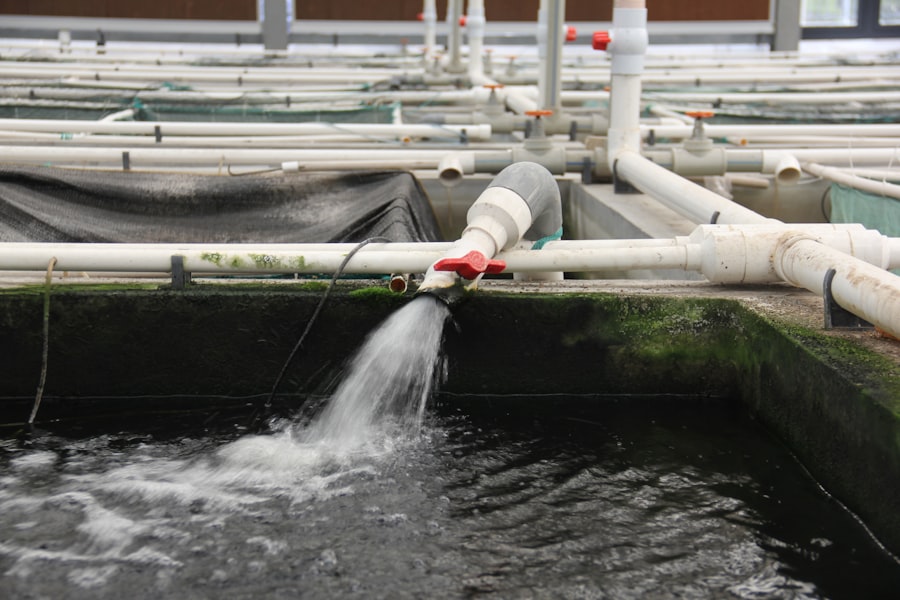
Your food doesn’t teleport from farm to table. It traverses a complex web of infrastructure: storage facilities, transportation networks, and processing plants. Wall Street’s capital is deeply embedded in these arteries, playing a crucial role in their development, consolidation, and sometimes, vulnerability.
Investment in Logistics and Processing
You will find that financial institutions are not merely passive investors; they actively shape the physical landscape of the food supply chain.
- Warehousing and Cold Storage: Private equity firms and infrastructure funds invest heavily in critical storage facilities, essential for preserving perishable goods and managing supply fluctuations. These investments aim to modernize and expand capacity, but also to extract rent and profit from these essential services.
- Transportation Networks: Investments in rail, trucking, and port infrastructure facilitate the movement of agricultural commodities across vast distances, connecting producers to consumers and global markets. Efficiencies gained here can reduce spoilage and improve delivery times, but also centralize control.
- Food Processing Plants: Mergers and acquisitions, often facilitated by private equity, consolidate ownership within the food processing sector. This can lead to economies of scale and innovation but also reduces competition and increases the risk of single points of failure.
This investment, while often improving efficiency, also consolidates power. You are observing a system where fewer entities control more of the crucial steps in bringing food to your plate.
Consolidation and Fragility
The pursuit of efficiency and profit, often championed by financial interests, can inadvertently introduce fragility into the system.
- “Just-in-Time” Inventories: Financial pressures often advocate for lean, “just-in-time” inventory systems, minimizing storage costs. While efficient under normal conditions, you saw during recent supply chain disruptions that this approach lacks redundancy, readily breaking down under unforeseen stress.
- Monopolistic Tendencies: Consolidation in industries like meatpacking or seed production, often driven by Wall Street’s capital, can lead to a few dominant players. This reduces competition, potentially increases consumer prices, and creates a less resilient system where the failure of one large entity has outsized consequences.
- Geographic Concentration: Investment patterns can lead to geographic concentration of critical infrastructure, making the entire supply chain vulnerable to localized disruptions, whether from extreme weather events, labor strikes, or localized crises.
You are witnessing a system optimized for financial metrics that may not always align with robust, distributed resilience – a fundamental requirement for true food security.
Global Markets and Geopolitical Risk: A Sea of Interconnectedness

You are not isolated in your food consumption; the US food supply is inextricably linked to global markets, profoundly influenced by international finance and geopolitical currents. Wall Street acts as a significant conduit for this interconnectedness.
Export Dependence and International Trade
The US agricultural sector is a major global exporter. Wall Street facilitates this exchange in numerous ways.
- Trade Finance: Banks and financial institutions provide the credit and financial instruments necessary to facilitate the billions of dollars in international agricultural trade, ensuring payments and reducing risk for both buyers and sellers.
- Currency Fluctuations: The strength or weakness of the US dollar, influenced by global financial markets, directly impacts the competitiveness of US agricultural exports and the cost of imported foodstuffs. You, as a consumer, feel these ripples at the grocery store.
- Market Access and Agreements: While primarily governmental, financial lobbying and economic analyses from Wall Street firms often inform and influence trade policy and agreements, shaping the flow of agricultural goods.
You are operating within a globalized food system where events far beyond your borders can directly impact the price and availability of food in your local supermarket.
Speculation and Price Volatility on a Global Scale
The financialization of food, when extended to global markets, amplifies certain risks.
- Global Commodity Trading: Major financial players participate in global commodity exchanges, trading agricultural futures and options across continents. This creates a highly interconnected market where a poor harvest in one region or a policy change in another can trigger rapid price movements worldwide.
- Investor Sentiment: Beyond fundamental supply and demand, investor sentiment, often driven by macroeconomic factors or even algorithmic trading strategies, can fuel speculative bubbles or crashes in agricultural commodity prices, creating instability for producers and consumers alike.
- Impact on Developing Nations: For countries heavily reliant on food imports, volatile global food prices, sometimes exacerbated by financial speculation, can lead to food insecurity, social unrest, and economic instability. You must acknowledge the downstream effects on vulnerable populations.
You perceive a financial ecosystem where the pursuit of profit, while ostensibly contributing to market efficiency, can also act as an accelerant to price volatility, turning a local harvest shortfall into a global crisis.
Wall Street’s plan for American food security has sparked significant discussion among economists and policymakers, particularly in light of recent trends in agricultural investments. A related article explores the implications of these financial strategies on local farming communities and their ability to sustain food production. For more insights on this topic, you can read the full article here. This growing intersection of finance and food production raises important questions about the future of agriculture in the United States.
Policy, Regulation, and the Future of Food Security: Charting a Course
| Metric | Value | Description |
|---|---|---|
| Investment in Agri-Tech | 15 Billion | Annual funding allocated by Wall Street firms to agricultural technology startups |
| Food Supply Chain Efficiency | 25% Improvement | Projected increase in supply chain efficiency through technology and infrastructure upgrades |
| Domestic Food Production Increase | 10% | Targeted growth in domestic food production to reduce reliance on imports |
| Number of Agri-Tech Startups Funded | 120 | Startups receiving investment focused on food security and sustainable agriculture |
| Reduction in Food Waste | 30% | Expected decrease in food waste through improved logistics and storage solutions |
| Job Creation in Food Sector | 50,000 | New jobs projected in agriculture and food technology sectors |
You are not merely an observer in this complex system; your collective understanding and actions, alongside policy-makers and regulators, are crucial in shaping the future trajectory of Wall Street’s role in US food security. The immense financial power must be balanced with the fundamental human need for sustenance.
Government Intervention and Oversight
Recognizing the critical nature of food, governments have a role in tempering purely market-driven forces.
- Commodity Futures Trading Commission (CFTC): This agency is tasked with regulating the US futures and options markets, including agricultural commodities, to prevent fraud, manipulation, and abusive trading practices. Their effectiveness is critical in ensuring market integrity.
- Antitrust Laws: To combat monopolistic tendencies and foster competition, you rely on antitrust legislation to prevent excessive consolidation in the agricultural and food processing sectors, which can be fueled by financial capital.
- Strategic Reserves: Government-maintained strategic food reserves or buffer stocks can act as a crucial safety net during times of crisis, providing a direct mechanism to stabilize supplies and prices, counteracting market volatility.
You are depending on these institutional bulwarks to provide a measure of stability in a system prone to financial tremors.
Sustainable Investment and ESG Considerations
A new paradigm is emerging within financial circles, one that recognizes the long-term imperative of sustainability.
- Environmental, Social, and Governance (ESG) Criteria: Investors are increasingly incorporating ESG factors into their decision-making. For agricultural investments, this means evaluating practices related to water usage, soil health, labor conditions, and community impact.
- Impact Investing: A growing segment of the financial world focuses on ‘impact investing,’ where financial returns are sought alongside positive social and environmental outcomes. This could direct capital towards sustainable farming practices, local food infrastructure, and resilient supply chains.
- Green Bonds and Sustainable Ag Funds: Specialized financial instruments are emerging to channel capital specifically towards environmentally sound agricultural projects and technologies, offering a financial incentive for sustainable food systems.
You are witnessing a nascent but vital shift, where financial institutions are beginning to acknowledge that long-term returns are intertwined with the health of the planet and the well-being of its populations. This offers a potential avenue for Wall Street to become a more constructive force in food security.
Navigating the Future: A Collective Responsibility
You stand at a critical juncture. The intricate relationship between Wall Street and US food security is a dynamic one, constantly evolving with technological advancements, geopolitical shifts, and changing consumer demands.
- Data and Transparency: Enhanced data collection and transparency across the agricultural supply chain are crucial for both financial institutions and regulators to make informed decisions and prevent market distortions. You need to see the pulse of the system clearly.
- Technological Innovation: Investments in agricultural technology – from precision farming to vertical farms and new food processing techniques – can enhance resilience and productivity. Wall Street’s capital can either accelerate or hinder the adoption of these innovations.
- Public-Private Partnerships: Collaborative efforts between government bodies, agricultural producers, and private financial institutions are necessary to address infrastructure gaps, mitigate risks, and build a more robust food system. No single entity holds all the answers; you require a symphony of cooperation.
Ultimately, you are faced with a complex adaptive system. Wall Street, with its immense capital and global reach, acts as a powerful amplifier within this system. It can amplify efficiency, innovation, and prosperity, but it can equally amplify risk, inequality, and fragility. Your understanding of these dynamics, and your collective engagement through policy advocacy, informed consumption choices, and the demand for responsible investment, are the compass points for charting a course towards a truly secure and sustainable food future. The stakes are, quite literally, your next meal.
WATCH THIS! ⚠️💰🌾 Why Wall Street Is Buying Up America’s Farmland (And Why It Should Terrify You)
FAQs
What is the main focus of Wall Street’s plan for American food security?
Wall Street’s plan for American food security primarily focuses on investing in agricultural technology, supply chain improvements, and sustainable farming practices to ensure a stable and resilient food supply in the United States.
Why is food security important for the United States?
Food security is crucial for the United States to ensure that all citizens have reliable access to sufficient, safe, and nutritious food. It supports public health, economic stability, and national security.
How does Wall Street influence food security in America?
Wall Street influences food security by providing capital and investment to agribusinesses, food technology startups, infrastructure projects, and supply chain innovations that enhance food production, distribution, and sustainability.
What role do technology and innovation play in Wall Street’s food security plan?
Technology and innovation are central to the plan, with investments in precision agriculture, biotechnology, data analytics, and automation aimed at increasing crop yields, reducing waste, and improving supply chain efficiency.
Are there any concerns related to Wall Street’s involvement in food security?
Some concerns include the potential for increased corporate control over food systems, prioritization of profit over small farmers’ interests, and the need to balance technological advances with environmental and social sustainability.
How does Wall Street’s plan address sustainability in food production?
The plan incorporates investments in sustainable farming practices, renewable energy use in agriculture, water conservation technologies, and initiatives to reduce greenhouse gas emissions associated with food production.
What impact could Wall Street’s plan have on American farmers?
The plan could provide farmers with access to new technologies and capital, potentially increasing productivity and profitability. However, it may also lead to greater consolidation in the agricultural sector and changes in market dynamics.
Is government involvement part of Wall Street’s food security strategy?
While Wall Street’s plan is primarily driven by private investment, it often works in conjunction with government policies, subsidies, and regulatory frameworks to support food security goals.
How does improving supply chains contribute to food security?
Enhancing supply chains reduces food loss and waste, ensures timely delivery of products, and improves resilience against disruptions caused by natural disasters, pandemics, or geopolitical issues.
What are the long-term goals of Wall Street’s plan for American food security?
The long-term goals include creating a more resilient, efficient, and sustainable food system that can meet the growing demands of the population while minimizing environmental impact and ensuring equitable access to nutritious food.