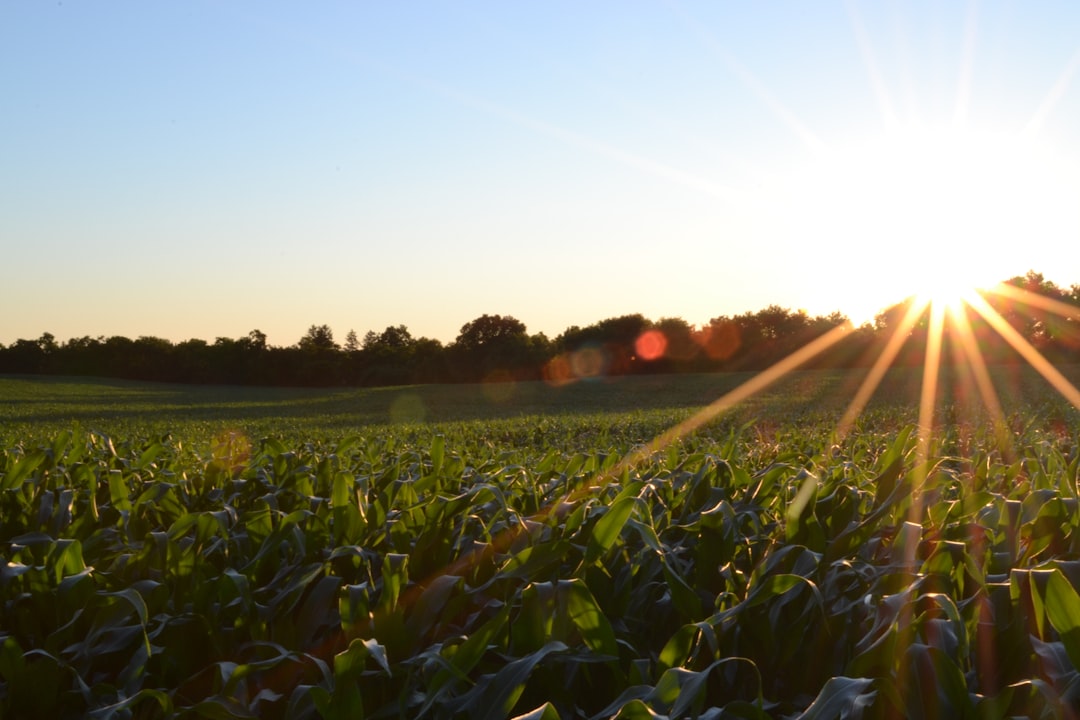
You stand at the edge of fields, the same fields your grandparents, maybe even great-grandparents, worked with their hands. The scent of turned earth, the hum of insects, the vast expanse of sky overhead – these are sensations you’ve always known. But lately, a new shadow has begun to stretch across this familiar landscape, one cast not by clouds, but by distant skyscrapers and the hum of stock markets. Wall Street, that nexus of finance and capital, is tightening its grip on American farmland, and you’re beginning to see the subtle, and sometimes not-so-subtle, shifts.
You might wonder why the titans of finance, accustomed to the glitz and speed of urban commerce, would turn their attention to the slow and steady rhythm of agriculture. The answer, as you’ll discover, is multifaceted, driven by a confluence of economic forces and a fundamental re-evaluation of what constitutes a “safe” and “profitable” investment.
A Search for Tangible Assets
In a world increasingly dominated by digital transactions and abstract financial instruments, there’s a growing appeal to assets you can see, touch, and that hold intrinsic value. Farmland, for all its cyclical nature, represents a fundamental resource. It produces food, a necessity of life, and its productivity, while influenced by weather, is ultimately tied to the earth itself. You realize that for investors seeking to diversify away from volatile stocks and bonds, the solidity of land offers a certain comfort.
Inflation Hedge and Real Returns
Inflation is a persistent concern for any investor. As the cost of goods and services rises, the purchasing power of money erodes. Farmland, historically, has demonstrated a capacity to outpace inflation. When commodity prices rise, so too does the value of the land that produces those commodities. This potential for real returns – returns that exceed the rate of inflation – is a significant draw for large institutional investors looking to preserve and grow their capital over the long term. You observe this defensive quality, a bulwark against the erosion of your savings.
Diversification Beyond Traditional Markets
The traditional investment portfolio often consists of stocks, bonds, and real estate in urban centers. However, the interconnectedness of global markets means that dips in one sector can often ripple through others. Farmland, with its unique drivers of supply and demand, often behaves differently than conventional investments. A severe drought in one region might spur demand for crops from another, creating price fluctuations that aren’t necessarily correlated with the stock market’s ups and downs. You begin to understand the strategic advantage of adding an asset class that doesn’t move in lockstep with your other holdings.
The Long Game and Stable Income Streams
While individual crop prices can be volatile, the long-term demand for food is remarkably stable. As the global population continues to grow, the need for agricultural output will only increase. This fundamental demand creates the potential for relatively stable, long-term income streams through rent or crop sales. For pension funds, sovereign wealth funds, and endowments that need to meet obligations for decades, this predictability is highly attractive. You see how this perspective differs from a quick trade on Wall Street, focusing instead on generational wealth.
In recent years, there has been growing concern over Wall Street’s increasing investment in American farmland, raising questions about the implications for local farmers and food security. A related article that delves deeper into this trend and its potential consequences can be found at How Wealth Grows. This piece explores the motivations behind these investments and the impact they may have on rural communities and agricultural practices across the nation.
The Mechanics of Acquisition: How Wall Street Gets Its Hands on Land
The process by which Wall Street entities acquire farmland isn’t as simple as writing a personal check. It involves sophisticated financial structures, large pools of capital, and a keen understanding of agricultural markets. You might not see the names of individual investors on the deeds, but you’re witnessing the results of their strategies.
Institutional Investors and Farm Land Funds
You’re likely encountering these acquisitions not through individual wealthy people, but through large institutional investors like pension funds, university endowments, and sovereign wealth funds. These entities pool vast sums of money from many individuals and manage them for long-term growth. They often invest in farmland through specialized farm land funds, managed by asset management firms. These firms act as intermediaries, identifying suitable properties, conducting due diligence, and managing the land on behalf of the investors. You might have heard about a local farm being sold, but the buyer was an investment firm representing a consortium of larger entities.
Private Equity and Venture Capital Involvement
Private equity firms, known for buying companies to restructure and sell for a profit, are also increasingly involved in agriculture. They see farmland as an asset to be optimized and monetized. Venture capital, typically associated with tech startups, is also making inroads, investing in agricultural technology (AgTech) companies that aim to increase efficiency and productivity on farms. You start to realize that the changes you observe in farming practices might be driven by these external capital injections seeking a return on investment.
Real Estate Investment Trusts (REITs) in Agriculture
Real Estate Investment Trusts (REITs) are companies that own, operate, or finance income-generating real estate. While many are familiar with commercial or residential REITs, there are now REITs specifically focused on agricultural land. These REITs allow smaller individual investors to indirectly invest in farmland by buying shares in the REIT. This democratizes access to farmland as an investment class but also broadens the reach of financial institutions into agricultural ownership. You might see a familiar name on a lease agreement that you’ve never associated with farming before.
The Role of Farm Management Companies
Once farmland is acquired, it often needs to be managed. This is where professional farm management companies come in. These companies handle everything from crop planning and planting to harvesting and marketing. They are often contracted by the institutional investors, creating a layer of separation between the ultimate owner and the day-to-day operations of the farm. You might work for one of these companies, or you might see their trucks and equipment on land that was once managed by a local farmer.
The Impact on Farmers: A Shifting Landscape
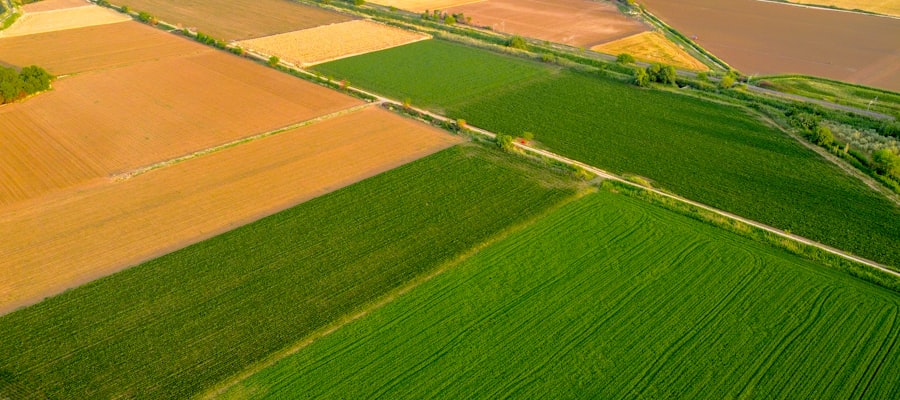
The most direct and palpable impact of Wall Street’s growing presence is on you, the farmer, and your neighbors. The economic pressures and operational changes can significantly alter the way you farm, your access to land, and your overall livelihood.
Increased Land Values and Rental Rates
As demand for farmland from institutional investors rises, so too do land values and rental rates. This can be a double-edged sword. If you own your land, the asset on your balance sheet has increased in value. However, if you are a tenant farmer or are looking to expand your operation by purchasing land, the rising costs can be prohibitive. You might find yourself struggling to compete with cash-rich investors when bidding on land, forcing you to pay higher rents, which in turn squeezes your profit margins.
Pressure for Scale and Efficiency
Institutional investors are often driven by metrics of scale and efficiency. They may push for larger contiguous fields, monoculture farming practices to maximize yield, and the adoption of specific technologies that can be standardized across their portfolio. This can put pressure on smaller, diversified farms that may not fit this mold. You might feel compelled to adopt practices that don’t align with your own farming philosophy or risk losing your lease.
Shifting Power Dynamics and Decision-Making
The traditional relationship between a farmer and the land was often one of stewardship and independent decision-making. With institutional ownership, you may find yourself answering to a management company or an investment committee whose primary concern is financial return, not necessarily the long-term health of the soil or the local community. You might have to justify your choices in ways you never did before, and decisions about what to plant or what equipment to use could be influenced by external directives.
Access to Capital and Forcing Farmers Out
While some institutional investors may offer attractive lease arrangements, others may use their financial power to acquire land outright, potentially displacing existing farmers. The influx of capital can drive up prices to a point where it becomes impossible for generations of farming families to afford to buy or even rent land. You start to see your neighbors, who have farmed the same land for years, being forced to sell or move on.
The Broader Economic and Social Implications
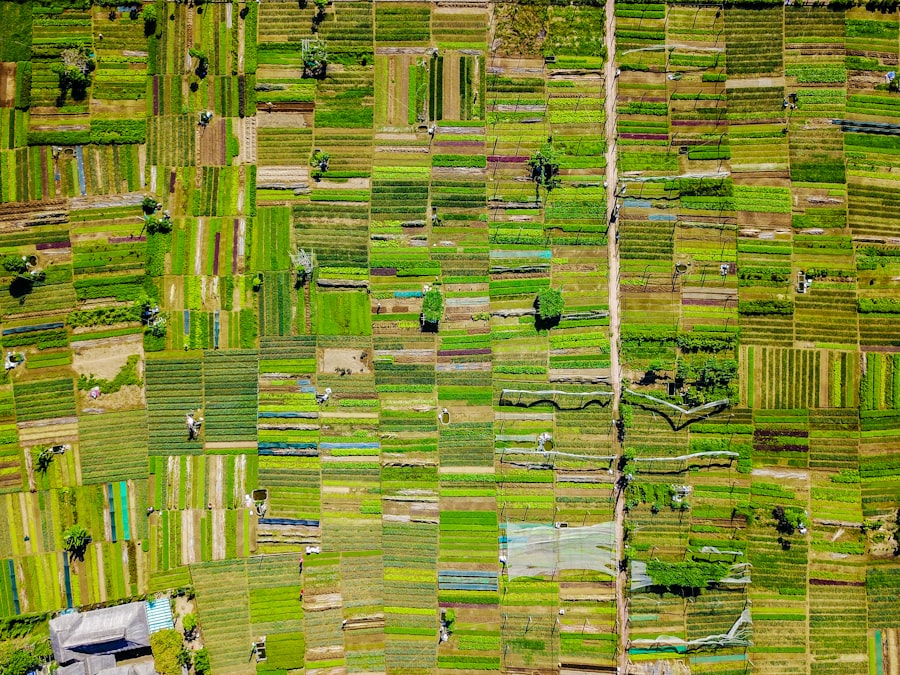
Beyond the immediate impact on farmers, Wall Street’s growing ownership of farmland has wider implications for the American economy and society as a whole. These ripple effects can alter entire communities and the very nature of food production.
Consolidation of Agricultural Power
As large investment firms accumulate vast tracts of land, there’s a concern about the increasing consolidation of power within the agricultural sector. This could lead to reduced competition, less diversity in crop production, and a greater reliance on a few large players for the nation’s food supply. You might notice fewer independent buyers at the local market, and more of the output being channeled through large corporate supply chains.
Food Security and Geopolitical Risks
While farmland is a tangible asset, its concentration in the hands of a few entities, potentially with international ties, raises questions about long-term food security. If a significant portion of American farmland is owned by foreign-based investment funds, decisions about its use and production could be influenced by geopolitical considerations rather than purely domestic needs. You start to consider who truly controls the food on your table.
Environmental Concerns and Sustainability Practices
Institutional investors, while often expressing a commitment to sustainability, may prioritize short-term financial gains over long-term environmental stewardship. While some may invest in sustainable practices, others might push for maximizing yields through intensive farming methods that can deplete soil health, increase water usage, and rely heavily on chemical inputs. You might see practices implemented that you believe are detrimental to the land you’ve always cared for.
The Future of Rural Communities
Rural communities are often intrinsically linked to agriculture. When farmland is consolidated and managed remotely, the economic benefits – such as local spending on supplies and services – can diminish. This can lead to a decline in the vitality of small towns, impacting local businesses, schools, and social services. You can already see the boarded-up storefronts and the shrinking population in your own community.
The increasing trend of Wall Street firms purchasing American farmland has raised concerns about the implications for local farmers and food security. As institutional investors seek stable returns in the face of economic uncertainty, they are turning to agricultural land as a lucrative asset. This shift not only affects land prices but also alters the landscape of American agriculture. For a deeper understanding of how these financial movements are reshaping the agricultural sector, you can read more in this insightful article on wealth growth strategies at How Wealth Grows.
Navigating the Future: What Does This Mean for You?
| Metrics | Data |
|---|---|
| Total Farmland Purchased | 2.2 million acres |
| Top Buyers | Investment firms and pension funds |
| States Most Affected | California, Florida, and Texas |
| Impact on Small Farmers | Increased competition and rising land prices |
| Government Response | Proposed legislation to limit foreign and corporate ownership |
Understanding the trend of Wall Street’s growing grip on American farmland is the first step. The next is to consider how you, as an individual farm operator, a community member, or even a concerned citizen, can navigate this evolving landscape.
Advocating for Policy Changes
You have a voice, and you can use it to advocate for policies that support family farms and promote diverse land ownership structures. This could involve supporting legislation that provides tax incentives for family farm transfers, limits the amount of agricultural land that can be owned by single entities, or invests in programs that help young and beginning farmers access land. You can attend town hall meetings, contact your representatives, and join organizations that champion the cause of independent agriculture.
Exploring Cooperative Models and Farmer-Owned Businesses
Consider exploring cooperative models and farmer-owned businesses. By pooling resources and expertise with other farmers, you can increase your collective bargaining power, access better markets, and potentially secure land through shared ownership arrangements. You might find strength in numbers and create alternatives to the dominant investment-driven model.
Embracing Innovation and Diversification
While you may be pressured to adopt certain technologies or practices, don’t shy away from innovation that aligns with your values and enhances your farm’s sustainability. Diversifying your crops, exploring niche markets, or developing value-added products can create new revenue streams and increase your resilience in the face of changing market dynamics. You can remain competitive by being adaptable and strategic.
Educating Yourself and Your Community
The more informed you and your community are about these issues, the better equipped you will be to respond. Share information, discuss the implications with your neighbors, and collectively explore solutions and strategies. Understanding the financial mechanisms behind these acquisitions can empower you to make better decisions. You can be a source of knowledge and a catalyst for change within your community.
The fields you work are more than just soil; they are your heritage, your livelihood, and a vital part of the American landscape. As Wall Street’s influence grows, your ability to adapt, advocate, and organize will be crucial in ensuring that the future of American agriculture remains rooted in the hands of those who tend the land. You are not just a spectator in this evolving scenario; you are an integral part of its narrative.
FAQs
What is the trend of Wall Street buying up American farmland?
The trend of Wall Street buying up American farmland has been increasing in recent years. Large investment firms and institutional investors are purchasing farmland across the country as a way to diversify their portfolios and capitalize on the growing demand for food and agricultural products.
How much farmland has been bought by Wall Street investors?
According to recent reports, Wall Street investors have acquired millions of acres of American farmland. This trend has raised concerns about the impact on small farmers, rural communities, and the overall agricultural industry.
What are the potential implications of Wall Street’s investment in American farmland?
The potential implications of Wall Street’s investment in American farmland include increased consolidation of agricultural land, higher land prices, and reduced opportunities for small and independent farmers to access and own farmland. There are also concerns about the long-term impact on food production and rural economies.
How does Wall Street’s investment in farmland affect the agricultural industry?
Wall Street’s investment in farmland can affect the agricultural industry in various ways. It can lead to changes in land use, farming practices, and market dynamics. Additionally, it may influence the availability and affordability of farmland for traditional farmers and new entrants into the industry.
What are the regulatory and policy implications of Wall Street’s involvement in American farmland?
The increasing involvement of Wall Street in American farmland has prompted discussions about the need for regulatory oversight and policy measures to address the potential impacts on the agricultural sector, rural communities, and food security. Policymakers are considering ways to balance the interests of investors with the needs of farmers and the broader agricultural industry.