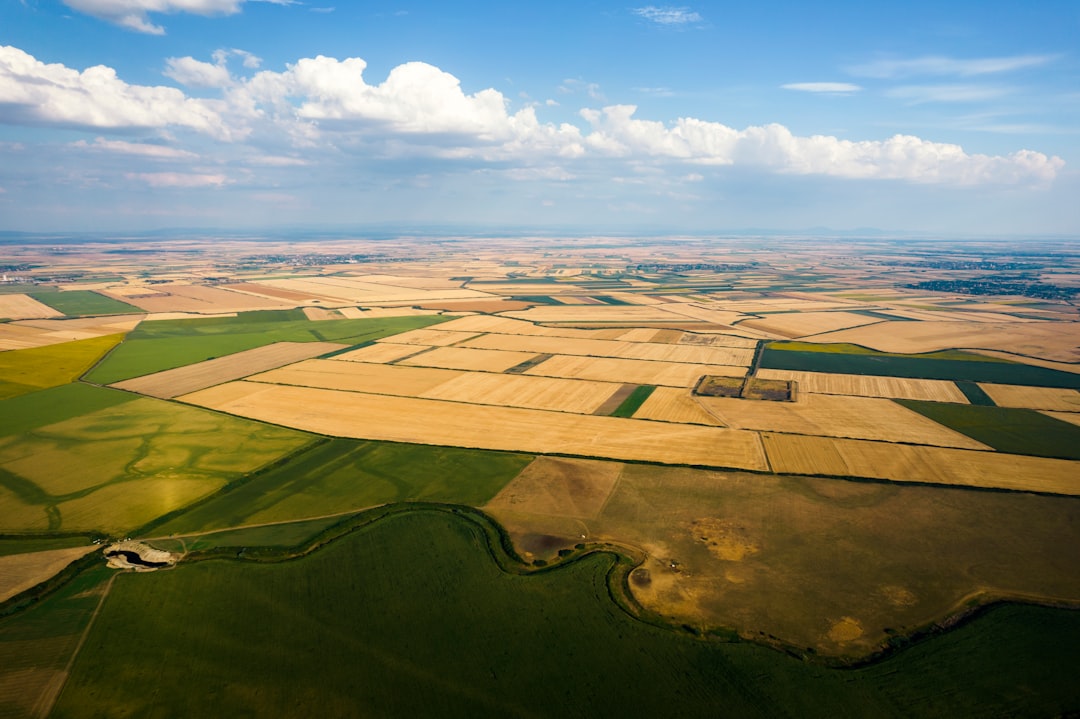
In recent years, financial institutions and investment firms have significantly increased their acquisition of farmland as an investment asset. This development has generated substantial debate regarding the consequences of Wall Street’s involvement in agriculture. Farmland has become attractive to investors due to its potential for capital appreciation and its relative stability compared to equity markets.
The expansion of institutional investment in agricultural land carries implications that extend beyond financial returns, affecting farming practices, rural communities, and food production systems. The growth of Wall Street investment in farmland represents a fundamental shift in agricultural land ownership and management. Large-scale financial acquisitions of farmland have altered traditional relationships between farmers and their land.
This trend raises important questions about its effects on small-scale farming operations, rural economies, and environmental stewardship. This article examines the historical development of institutional investment in farmland, its effects on small-scale agriculture, and the broader consequences for food security and environmental sustainability.
Key Takeaways
- Wall Street’s growing investment in farmland has a significant history and increasingly impacts small farmers negatively.
- These investments contribute to environmental degradation and raise concerns about sustainable land use.
- Government policies often enable Wall Street’s control over farmland, affecting food security and local communities.
- Ethical issues arise from the exploitation of farmland, prompting calls for greater transparency and accountability.
- Alternative ownership models and community resistance offer potential solutions to counter Wall Street’s dominance in farmland management.
The history of Wall Street’s investment in farmland
The roots of Wall Street’s interest in farmland can be traced back several decades, but it has gained momentum in the 21st century. Initially, institutional investors were hesitant to enter the agricultural sector due to perceived risks and volatility. However, as global food demand surged and agricultural technology advanced, these investors began to recognize the potential for substantial returns.
You may find it interesting that the 2008 financial crisis acted as a catalyst for this shift, prompting investors to seek safer assets. Farmland emerged as an attractive option, offering both stability and the promise of long-term growth. As you explore this history, you will notice that various factors have contributed to Wall Street’s growing presence in agriculture.
The rise of agribusiness and the consolidation of farms into larger operations have made it easier for institutional investors to acquire significant land holdings. Additionally, the increasing popularity of sustainable and organic farming practices has attracted attention from socially conscious investors. This evolution has led to a new era where farmland is not just a resource for food production but also a financial asset that can be traded and leveraged. Investing in farmland investment can provide sustainable returns and long-term growth opportunities.
The impact of Wall Street’s investment on small farmers
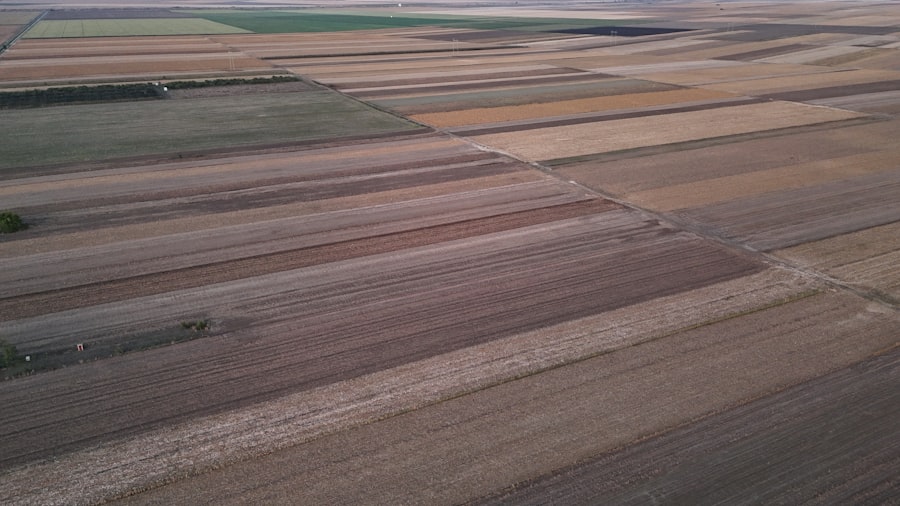
The influx of Wall Street capital into farmland has had profound implications for small farmers across the country.
The rising cost of land and inputs can make it nearly impossible for local farmers to sustain their operations, leading to a decline in family-owned farms.
This trend raises questions about the future of agriculture and the viability of small farming as a way of life. Moreover, you might observe that the focus on maximizing profits often comes at the expense of traditional farming practices. Small farmers typically prioritize sustainable methods that benefit their communities and ecosystems, but when large investors take control, these values can be overshadowed by a profit-driven mentality.
The result is a shift away from local food systems toward industrial agriculture, which can have detrimental effects on both the environment and local economies. As you consider these impacts, it becomes clear that Wall Street’s involvement in farmland is reshaping the agricultural landscape in ways that may not align with the interests of small farmers.
The environmental consequences of Wall Street’s exploitation of farmland
The environmental ramifications of Wall Street’s investment in farmland are significant and warrant careful consideration. As large investment firms prioritize short-term profits, you may find that they often overlook sustainable practices in favor of maximizing yields. This can lead to overuse of chemical fertilizers and pesticides, soil degradation, and loss of biodiversity.
The drive for efficiency can result in monoculture farming practices that deplete the land’s natural resources and disrupt local ecosystems. Additionally, you might be concerned about the long-term consequences of such exploitation on climate change. Large-scale agricultural operations are major contributors to greenhouse gas emissions, and as Wall Street continues to invest in these practices, the environmental toll could be substantial.
The focus on profit over sustainability raises critical questions about our collective responsibility to protect the planet for future generations. As you reflect on these issues, it becomes evident that addressing the environmental consequences of Wall Street’s involvement in farmland is essential for ensuring a sustainable agricultural future.
The role of government policies in facilitating Wall Street’s control of farmland
| Metric | Description | Impact |
|---|---|---|
| Percentage of Farmland Owned by Investment Firms | Proportion of agricultural land acquired by Wall Street investment funds and private equity firms. | Consolidation of farmland ownership, reducing access for small farmers. |
| Increase in Farmland Prices | Rate at which farmland prices have risen due to speculative investments. | Higher entry barriers for new farmers and increased debt levels. |
| Rental Rates for Farmland | Average cost per acre for leasing farmland from investment-owned properties. | Increased operational costs for tenant farmers, squeezing profit margins. |
| Investment in Agricultural Technology | Capital allocated by Wall Street firms towards agri-tech startups and innovations. | Potential for increased productivity but also increased control over farming practices. |
| Debt Levels of Farmer Borrowers | Average debt incurred by farmers leasing or buying land from investment entities. | Higher financial risk and vulnerability to market fluctuations. |
| Profit Margins of Investment Firms | Return on investment from farmland assets and related agricultural ventures. | Significant profits often prioritized over sustainable farming and community welfare. |
Government policies play a crucial role in shaping the landscape of farmland ownership and management. You may find it interesting that various subsidies and tax incentives have historically favored large agribusinesses and institutional investors over small farmers. These policies can create an uneven playing field, allowing Wall Street firms to acquire land at lower costs while small farmers struggle to compete.
As you examine this dynamic, it becomes clear that government intervention can either exacerbate or mitigate the challenges faced by local agricultural communities. Moreover, zoning laws and land-use regulations can further facilitate Wall Street’s control over farmland. In many cases, these regulations are designed with economic growth in mind but fail to consider the long-term implications for food security and community resilience.
You might wonder how policymakers can strike a balance between attracting investment and protecting local farmers’ interests. As you explore this topic further, it becomes evident that thoughtful policy changes are necessary to ensure that farmland remains accessible to those who prioritize sustainable practices and community well-being.
The effects of Wall Street’s investment on food security
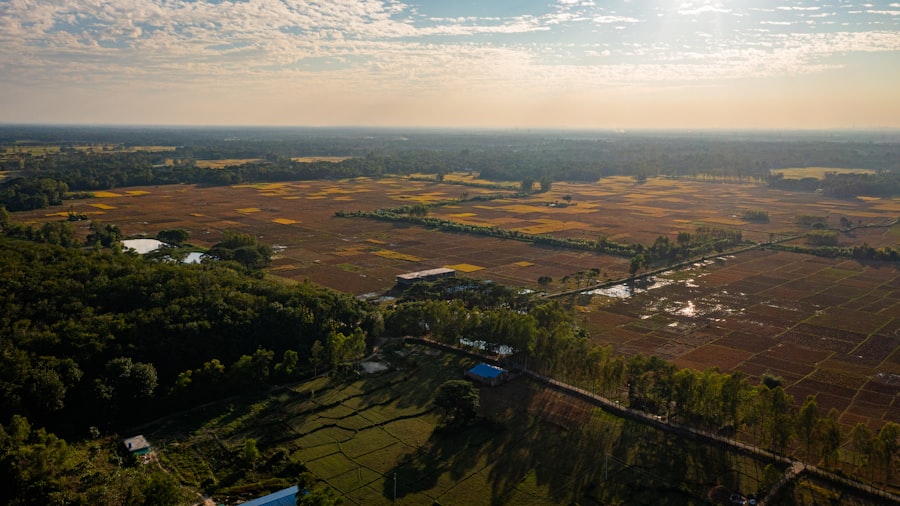
The implications of Wall Street’s investment in farmland extend beyond individual farmers; they also raise critical concerns about food security on a broader scale. As large investment firms consolidate land ownership, you may notice a shift away from diverse local food systems toward monoculture farming practices that prioritize cash crops over staple foods. This trend can lead to increased vulnerability in food supply chains, making communities more susceptible to fluctuations in global markets.
Furthermore, you might consider how Wall Street’s focus on profitability can impact food prices and accessibility for consumers. When large corporations control significant portions of farmland, they may prioritize export-oriented crops that generate higher profits rather than producing food for local consumption.
As you reflect on these issues, it becomes clear that addressing the effects of Wall Street’s investment on food security is essential for fostering resilient communities and ensuring equitable access to nutritious food.
The ethical implications of Wall Street’s exploitation of farmland
The ethical considerations surrounding Wall Street’s exploitation of farmland are complex and multifaceted. You may find yourself grappling with questions about corporate responsibility and the moral implications of prioritizing profit over people and the planet. As financial institutions increasingly treat farmland as a commodity, you might wonder about the impact on rural communities and their cultural heritage tied to agriculture.
Moreover, there is an ethical dilemma regarding the treatment of farmworkers who often face precarious working conditions under large agribusinesses owned by Wall Street investors. You may feel compelled to consider how these practices contribute to systemic inequalities within the agricultural sector. As you engage with these ethical questions, it becomes evident that addressing Wall Street’s exploitation of farmland requires a commitment to social justice and accountability.
The potential for community resistance to Wall Street’s control of farmland
Despite the challenges posed by Wall Street’s control over farmland, there is potential for community resistance and grassroots movements to emerge. You may find inspiration in local initiatives aimed at reclaiming agricultural land for community use or promoting sustainable farming practices. These movements often emphasize the importance of preserving local food systems and empowering small farmers to thrive despite external pressures.
As you explore this potential for resistance, you might discover examples of successful community-led efforts to challenge corporate control over farmland. From land trusts to cooperative farming models, these initiatives demonstrate that communities can come together to advocate for their interests and protect their agricultural heritage. By fostering collaboration among local stakeholders, you may see how communities can resist Wall Street’s encroachment on their land while promoting sustainable practices that benefit both people and the environment.
The need for transparency and accountability in Wall Street’s farmland investments
As Wall Street continues to invest heavily in farmland, there is an urgent need for transparency and accountability in these transactions. You may find it concerning that many investment firms operate with little oversight or public scrutiny regarding their land acquisitions and management practices. This lack of transparency can obscure the true impact of these investments on local communities and ecosystems.
You might consider how increased transparency could empower consumers and communities to make informed choices about their food sources. By demanding accountability from financial institutions regarding their agricultural investments, you can help foster a more equitable system that prioritizes sustainability and social responsibility. As you reflect on this need for transparency, it becomes clear that holding Wall Street accountable is essential for ensuring that farmland remains a resource for future generations rather than merely a financial asset.
Alternative models for farmland ownership and management
In light of the challenges posed by Wall Street’s control over farmland, exploring alternative models for ownership and management becomes increasingly important. You may find inspiration in community-supported agriculture (CSA) programs or cooperative farming initiatives that prioritize local needs over profit motives. These models often emphasize collaboration among farmers and consumers, fostering stronger connections between food producers and those who consume their products.
Additionally, you might consider how land trusts can serve as effective tools for preserving agricultural land while promoting sustainable practices. By removing land from the speculative market, these trusts can help ensure that it remains accessible to small farmers who prioritize community well-being over corporate profits. As you explore these alternative models, it becomes evident that reimagining farmland ownership is essential for creating a more equitable agricultural system.
the urgency of addressing Wall Street’s exploitation of farmland
In conclusion, addressing Wall Street’s exploitation of farmland is an urgent matter that requires collective action from individuals, communities, and policymakers alike. As you reflect on the various dimensions of this issue—from its historical roots to its ethical implications—you may feel compelled to advocate for change within your own community. The consequences of unchecked corporate control over agricultural resources extend far beyond financial markets; they impact food security, environmental sustainability, and social justice.
By raising awareness about these issues and supporting alternative models for farmland ownership and management, you can contribute to a movement that prioritizes people over profits. It is essential to recognize that our relationship with food production is deeply intertwined with broader societal values—values that should prioritize sustainability, equity, and community resilience. As you engage with this topic further, remember that your voice matters in shaping a future where farmland serves as a resource for all rather than merely a commodity for profit-driven investors.
Wall Street’s increasing interest in farmland has raised concerns about the implications for local farmers and food security. A related article that delves into this topic is available at How Wall Street Exploits Farmland, which explores the financial strategies employed by large investment firms and their impact on agricultural practices. This analysis highlights the tension between profit-driven motives and the need for sustainable farming, making it a crucial read for anyone interested in the intersection of finance and agriculture.
WATCH THIS! The Gold Rush is Over. Now, the Dirt Rush is ON. 🚜💰
FAQs
What does it mean that Wall Street exploits farmland?
Wall Street exploiting farmland refers to large financial institutions and investors purchasing and controlling agricultural land primarily for profit, often prioritizing financial returns over the interests of local farmers and communities.
How do financial firms invest in farmland?
Financial firms invest in farmland through direct land purchases, agricultural real estate investment trusts (REITs), farmland funds, and other financial instruments that allow them to gain exposure to agricultural assets.
Why is farmland attractive to Wall Street investors?
Farmland is attractive because it is a tangible asset that can provide steady income through crop production, potential appreciation in land value, and serves as a hedge against inflation and market volatility.
What are the potential impacts of Wall Street ownership on local farmers?
Wall Street ownership can lead to increased land prices, making it harder for local farmers to buy or lease land. It may also result in decisions driven by profit rather than sustainable farming practices or community needs.
Does Wall Street ownership affect food prices?
While farmland investment alone does not directly set food prices, increased financialization of agriculture can contribute to market volatility and influence production decisions, which may indirectly impact food prices.
Are there regulations governing Wall Street investments in farmland?
Regulations vary by country and region, but generally, farmland purchases by institutional investors are subject to property laws, agricultural policies, and sometimes foreign investment restrictions.
What are some concerns raised about Wall Street’s role in farmland ownership?
Concerns include loss of farmland access for small farmers, prioritization of short-term profits over long-term sustainability, potential environmental degradation, and reduced local control over agricultural resources.
Can Wall Street investment in farmland have positive effects?
Yes, it can bring capital for improving agricultural infrastructure, introduce advanced technologies, and increase efficiency. However, the benefits depend on how investments are managed and aligned with local needs.
How widespread is Wall Street’s ownership of farmland?
Wall Street and institutional investors have increasingly acquired farmland in various regions, especially in the United States, but the extent varies by location and market conditions.
What can be done to address concerns about Wall Street’s farmland investments?
Possible measures include implementing policies to protect small farmers, promoting transparency in land ownership, encouraging sustainable farming practices, and regulating speculative investments in agricultural land.