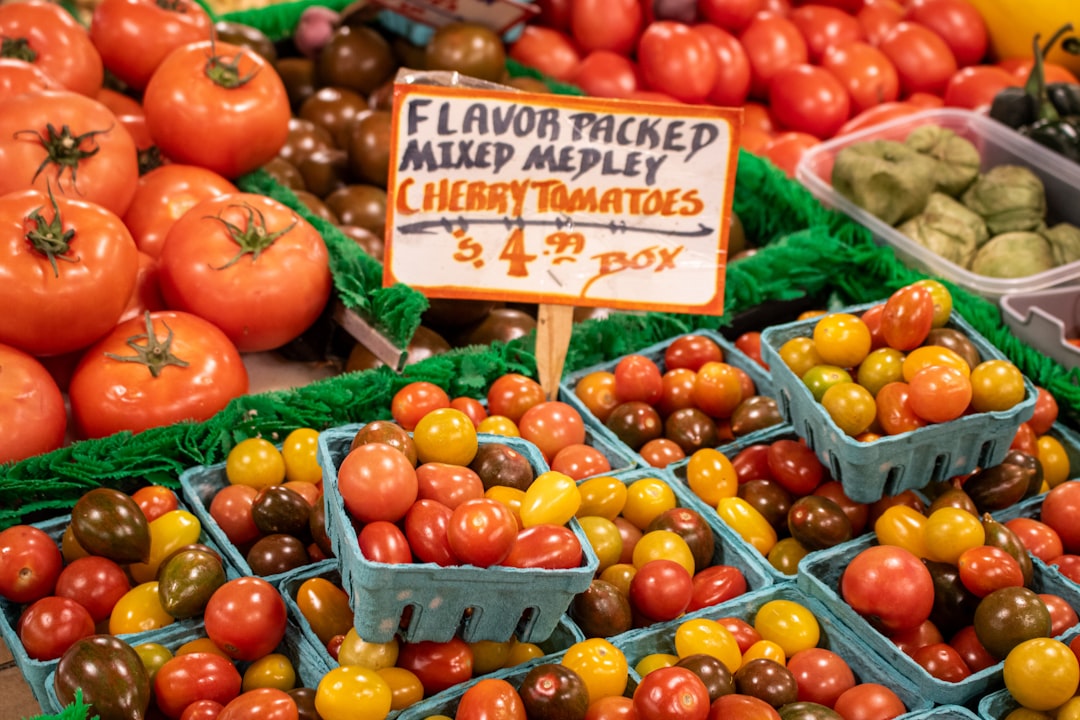
You stand in the grocery aisle, a familiar routine, yet something feels off. The price of your staple bread has climbed again, inexplicably. Your favorite coffee, once an affordable luxury, now demands a premium that bites into your budget. You’re witnessing, firsthand, the subtle, and sometimes not so subtle, dance of food price manipulation. This isn’t just about supply and demand; it’s a complex web woven by various actors, designed to maximize profit at your expense.
Learn more about corporate control by watching this insightful video corporate control.
When you consider food prices, your initial thought might be the immutable laws of supply and demand. A poor harvest, an unexpected surge in consumption, and prices naturally adjust. However, this simplistic view overlooks a significant truth: the invisible hand often wears gloves, and those gloves are sometimes stained with manipulative tactics. You’re not just a consumer; you’re a participant in an intricate economic system where different players, from farmers to financial institutions, exert influence.
The Illusion of Competition: How Oligopolies Control Your Choices
You might believe you have a wide array of choices when you select your groceries. However, delve deeper, and you’ll discover that many seemingly distinct brands are, in fact, owned by a handful of colossal corporations. This market concentration, known as an oligopoly, significantly reduces genuine competition.
- Shrinking the Shelf: When fewer companies control the market, they can jointly influence pricing without overtly colluding. You might compare prices between two brands, unaware that both are subsidiaries of the same parent company, effectively offering you a choice between two sides of the same coin.
- Barriers to Entry: For new, smaller players, breaking into a market dominated by giants is akin to climbing a vertical, greased wall. The financial muscle, established distribution networks, and marketing budgets of these large corporations create formidable barriers, preventing true disruptive competition that could drive prices down.
- Acquisition as a Strategy: Watch closely, and you’ll see larger companies frequently acquiring smaller, innovative competitors. This isn’t solely about expanding product lines; it’s also about neutralizing potential pricing threats and consolidating market share, further tightening their grip on your wallet.
Exploiting Information Asymmetry: You’re Often in the Dark
You make purchasing decisions based on the information available to you. However, the entities selling you food often possess significantly more data and insights than you do. This information asymmetry is a powerful tool for price manipulation.
- Proprietary Data and Algorithms: Large retailers and food manufacturers invest heavily in data analytics. They know your shopping habits, your price sensitivity, and even the “sweet spot” where they can raise prices without triggering a significant drop in demand. You, on the other hand, are largely guessing.
- Supply Chain Opacity: The journey of your food from farm to fork is incredibly complex. You rarely have a clear understanding of the various costs incurred along this chain. This opacity allows different actors to inflate their margins, and you, the end consumer, bear the brunt.
- “Shrinkflation” and Deception: You might notice your favorite cereal box getting taller but simultaneously narrower, or your carton of juice containing marginally less liquid at the same price. This is shrinkflation – a stealthy tactic to increase the effective price per unit without you immediately realizing it. Your focus is often on the headline price, not the net weight.
Recent investigations have shed light on various food price manipulation tactics that have been employed by certain market players, raising concerns about the integrity of food pricing. For a deeper understanding of these issues and their implications on consumers and the economy, you can read the related article on this topic at How Wealth Grows. This article delves into the mechanisms behind price manipulation and offers insights into how these practices affect food accessibility and affordability.
Financialization of Food: When Commodities Become Speculative Assets
You probably don’t think of your breakfast oats or dinner rice as financial instruments, but a significant portion of agricultural commodities are traded on global exchanges, attracting investors far removed from the actual production or consumption of food. This “financialization” introduces a new layer of complexity and potential for manipulation.
The Role of Futures Markets and Speculators
Imagine a scenario where the future price of a bushel of wheat is being bet on by hedge funds and investment banks, not just farmers and millers. This is the reality of commodity futures markets.
- Artificial Demand and Price Bubbles: When financial speculators pour money into commodity futures, they can create artificial demand. This demand, driven by profit motives rather than actual consumption needs, can inflate prices beyond what fundamental supply and demand would dictate, creating speculative bubbles.
- Herd Mentality and Volatility: Speculative markets are often driven by sentiment and a “herd mentality.” If influential analysts predict a price increase, many investors might follow suit, further driving the price up. This can lead to exaggerated price swings and increased volatility, making it harder for you to budget and for producers to plan.
- The “Casino Effect”: While some argue that futures markets provide price discovery and risk management, critics contend that excessive speculation transforms these essential markets into a casino, where the stakes are the basic sustenance of populations. You become an unwitting participant in a high-stakes game.
Monetary Policy and Its Unintended Consequences
You might be surprised to learn that decisions made by central banks, seemingly focused on interest rates and inflation, can ripple through to the price of your bread.
- Quantitative Easing and Asset Bubbles: When central banks inject vast sums of money into the economy (quantitative easing), some of this liquidity inevitably finds its way into commodity markets, fueling speculative activity and potentially contributing to price bubbles in food.
- Interest Rate Fluctuations: Lower interest rates make it cheaper to borrow money, encouraging investment, including speculative ventures in commodities. Conversely, higher rates can cool down speculation but might also increase the cost of doing business for farmers and processors, leading to different price pressures.
- Currency Devaluation: If your national currency depreciates, imported food becomes more expensive, directly impacting shelf prices. While not a direct manipulation by food companies, it’s an economic lever that can significantly increase your food bill.
Supply Chain Bottlenecks and Geopolitical Leverage

You probably appreciate the marvel of a globalized supply chain, delivering fresh produce from distant lands to your local store. However, this interconnectedness also presents vulnerabilities that can be exploited, intentionally or unintentionally, leading to price spikes.
Chokepoints and Infrastructure Limitations
Imagine a multi-lane highway, suddenly reduced to a single lane. That’s what a supply chain chokepoint feels like.
- Port Congestion and Shipping Delays: Major global events, or even localized disruptions like labor strikes at key ports, can create a backlog of ships, leading to massive delays and increased shipping costs. These increased costs are then passed on to you.
- Limited Processing Capacity: Certain stages of the food supply chain, such as meat packing plants or grain milling facilities, can be highly concentrated. If one or two major facilities experience an outage or reduce their output, it can create an immediate bottleneck, driving up prices due to scarcity.
- Transportation Costs: The price of fuel is a significant factor in food transportation. Fluctuations in oil prices directly impact the cost of bringing food to market, and you ultimately bear this cost.
Exploiting Geopolitical Instability and Trade Policies
You live in a world where food is not just sustenance; it’s a strategic asset. Geopolitical events and deliberate trade policies can be wielded like powerful levers to influence food prices.
- Export Restrictions and Bans: When a major food-producing nation restricts or bans exports of a particular commodity (e.g., wheat, palm oil), it immediately impacts global supply, driving up prices for importing nations. This can be a retaliatory measure or an attempt to protect domestic supplies, but the effect on your grocery bill is undeniable.
- Tariffs and Trade Wars: Imposing tariffs on imported food products effectively raises their price for consumers. While sometimes framed as protecting domestic industries, these measures often result in higher costs for you.
- Weaponizing Food: In extreme cases, food can be actively used as a political weapon. Disrupting supply routes, hoarding resources, or denying access to essential foodstuffs can create artificial scarcity and drive up prices as a means of political leverage. You are an unwitting casualty in these larger power struggles.
Collusion and Price Fixing: The Illicit Underbelly

You might consider it unthinkable in a supposedly fair market, but history is replete with examples of companies secretly agreeing to manipulate prices, robbing you of genuine value. This illegal practice, known as price fixing or cartel behavior, is a direct assault on fair competition.
Identifying the Red Flags of Collusion
How do you, a consumer, spot the tell-tale signs that companies might be working together against your interests?
- Identical Price Increases: While simultaneous price increases can occur due to market forces, if multiple competitors announce nearly identical price hikes at roughly the same time, without a clear, public explanation, it warrants suspicion.
- Lack of Price Wars: In a truly competitive market, especially when demand is soft, you would expect to see companies engaging in price wars to attract customers. A sustained period where competitors maintain similar, high prices, even during economic downturns, can indicate tacit or overt collusion.
- Uniform Product Changes: If several competing brands simultaneously introduce minor product changes, like slightly reducing package size while maintaining the price (shrinkflation), it could be a coordinated effort to increase effective margins without appearing to directly raise prices.
- Information Sharing: Any indications that competitors are sharing sensitive pricing information or strategic plans (beyond publicly available data) is a major red flag, pointing towards potential anti-competitive behavior.
The Mechanisms of Price Fixing
Collusion can take many forms, from overt agreements in smoke-filled rooms to more subtle, unspoken understandings.
- Explicit Agreements: This is the most direct form, where companies’ executives or representatives meet and agree on specific pricing levels, production quotas, or market divisions. These are highly illegal and, if discovered, lead to severe penalties.
- Tacit Collusion: More difficult to prove, this involves companies observing each other’s pricing behavior and adjusting their own prices accordingly, without any explicit agreement. It’s like a silent dance, where each firm anticipates and reacts to the others’ moves, ultimately maintaining high prices.
- Hub-and-Spoke Conspiracies: A key player, often a dominant retailer or distributor, acts as a “hub,” facilitating communication and coordination between various “spoke” suppliers or manufacturers, effectively orchestrating a price-fixing scheme across a broader segment of the market. You are the target of this coordinated maneuver.
Recent investigations have shed light on various food price manipulation tactics that have been employed by some companies to inflate costs unfairly. These practices not only harm consumers but also disrupt the entire market, leading to a ripple effect on food accessibility. For a deeper understanding of these issues, you can read a related article that discusses the implications of such tactics and offers insights into how they can be addressed. To explore this further, visit this article for a comprehensive overview.
Empowering Yourself: Navigating a Manipulated Landscape
| Tactic | Description | Impact on Prices | Examples | Detection Methods |
|---|---|---|---|---|
| Price Fixing | Collusion among producers or retailers to set prices at a certain level. | Artificially high prices, reduced competition. | Cartels in dairy and meat industries. | Market surveillance, whistleblower reports. |
| Supply Restriction | Deliberate limitation of food supply to increase prices. | Price spikes during shortages. | Grain stockpiling by major exporters. | Inventory audits, trade flow analysis. |
| False Advertising | Misleading claims to justify higher prices. | Consumers pay premium for perceived quality. | Organic labeling misuse. | Label verification, consumer complaints. |
| Market Manipulation | Use of futures contracts to influence spot prices. | Volatile price swings, inflated costs. | Speculation in commodity markets. | Regulatory audits, transaction monitoring. |
| Monopoly Control | Dominance by a single supplier controlling prices. | Limited alternatives, higher prices. | Single supplier in regional markets. | Antitrust investigations, market share analysis. |
You are not entirely powerless in the face of these complex forces. While systemic changes demand regulatory intervention, you can adopt strategies as a consumer to protect your wallet and advocate for fairer practices.
Becoming an Informed Consumer and Advocate
Your awareness is your first line of defense. The more you understand, the better equipped you are to make discerning choices.
- Monitor Prices and Analyze Trends: Pay attention to the prices of your staple foods over time. If you notice unexplained surges or consistent increases across multiple brands, question them. Utilize price comparison apps and services to scrutinize pricing across different retailers.
- Read the Labels (Beyond the Front): Shift your focus beyond the attractive packaging. Examine unit prices, net weights, and ingredient lists. Be vigilant for shrinkflation – a decrease in quantity for the same or higher price.
- Diversify Your Shopping Habits: Don’t solely rely on one supermarket. Explore independent grocers, farmers’ markets, co-ops, and discount retailers. This diversification can offer you better pricing and expose you to varied competition, making you less susceptible to localized price manipulation.
- Support Local and Transparent Producers: When possible, buying directly from local farmers or businesses with transparent supply chains can reduce the layers of intermediaries and potentially offer fairer prices, while also allowing you to ask direct questions about their practices.
- Use Your Voice: Advocate for Policy Change: Understand that systemic issues require systemic solutions. Support organizations and policies that promote robust anti-trust enforcement, greater supply chain transparency, and responsible regulation of commodity markets. Write to your elected representatives, and engage in public discourse about these issues. Your collective consumer power, when organized, can be a potent force.
Strategic Purchasing and Budgeting
You can make conscious decisions to mitigate the impact of inflated prices on your household budget.
- Meal Planning and Bulk Buying: Plan your meals in advance to reduce impulse purchases and waste. When appropriate, buy non-perishable items in bulk when they are on sale, but be mindful of storage and actual consumption needs.
- Embrace Home Cooking and Basic Ingredients: Relying less on processed, pre-packaged foods and more on cooking from scratch with basic ingredients often proves more economical and healthier. You gain control over the quality and cost of your food.
- Flexibility and Substitutions: Be open to substituting ingredients based on seasonal availability and price. If beef is expensive, consider chicken or legumes. If one vegetable is costly, explore equally nutritious alternatives. Adopt a flexible mindset rather than rigidly adhering to specific, expensive items.
- Reduce Food Waste: Food wasted is money wasted. Practice mindful consumption, proper storage, and creative use of leftovers to stretch your budget further.
Your journey through the grocery store is more than a simple transaction; it’s an encounter with intricate economic forces, some benign, others deliberately engineered to extract maximum value. By understanding the tactics of food price manipulation – from market concentration and financial speculation to supply chain vulnerabilities and illicit collusion – you equip yourself to navigate this landscape with greater awareness and make choices that serve your interests, not just the bottom line of others. You are not merely a consumer; you are an economic agent with the power to observe, question, and advocate for a fairer, more transparent food system.
FAQs
What is food price manipulation?
Food price manipulation refers to deliberate actions taken by individuals, companies, or groups to artificially influence the prices of food products. This can involve tactics such as hoarding, false advertising, or collusion to create scarcity or inflate prices.
How are food prices typically manipulated?
Common tactics include stockpiling supplies to create artificial shortages, spreading misinformation about food availability, price fixing agreements among suppliers or retailers, and exploiting market vulnerabilities during crises or seasonal changes.
Who is usually responsible for food price manipulation?
Food price manipulation can be carried out by various actors including producers, distributors, retailers, or even speculators in commodity markets. Sometimes, organized groups or cartels may coordinate efforts to control prices.
What are the consequences of food price manipulation?
Manipulating food prices can lead to inflated costs for consumers, reduced access to essential food items, increased food insecurity, and economic instability. It can also undermine trust in markets and regulatory systems.
How can consumers protect themselves from food price manipulation?
Consumers can stay informed about market trends, support transparent and ethical suppliers, report suspicious pricing practices to authorities, and advocate for stronger regulations and enforcement against manipulation.
What measures are in place to prevent food price manipulation?
Governments and regulatory bodies implement laws and monitoring systems to detect and penalize unfair pricing practices. These include antitrust regulations, market surveillance, and consumer protection agencies that investigate complaints.
How can food price manipulation be detected?
Detection involves analyzing market data for unusual price fluctuations, investigating supply chain irregularities, monitoring trading activities, and receiving reports from consumers or whistleblowers about suspicious behavior.
Why is exposing food price manipulation important?
Exposing manipulation helps ensure fair market practices, protects consumers from exploitation, promotes food security, and supports the integrity of the food supply chain. Transparency also encourages accountability among market participants.