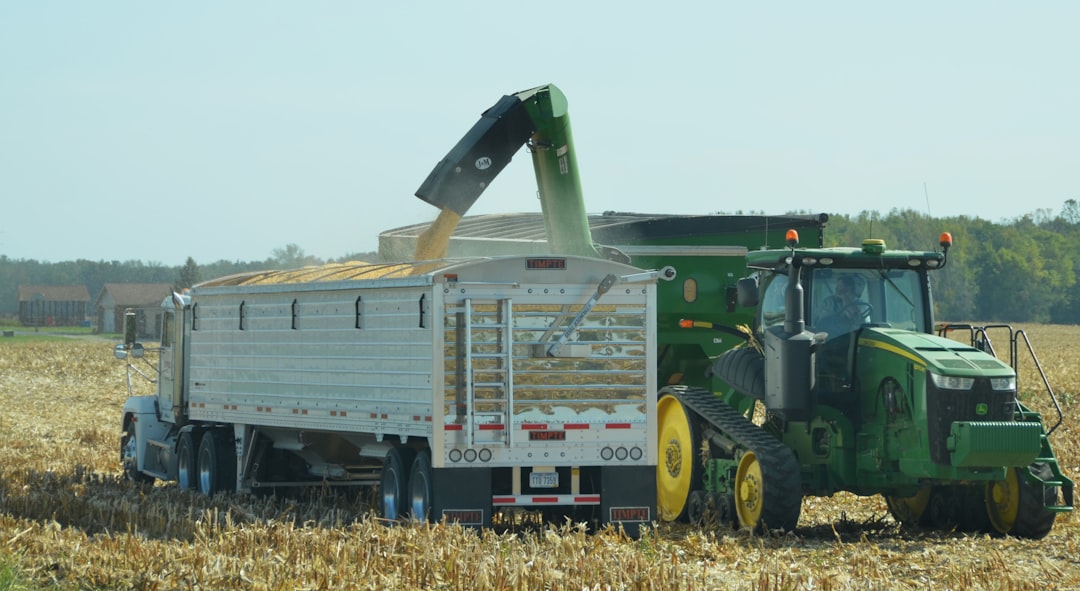
You stand at the supermarket aisle, a dizzying array of products before you. Each item, from the humble potato to the exotic dragon fruit, has a story, a journey from farm to fork. This journey, however, is not a simple linear path but a complex web of interconnected economic activities, a intricate dance of supply and demand, cost and value. Unpacking this labyrinthine system, the food supply chain, reveals the underlying forces that shape not only what you eat but also the prices you pay and the global economy itself.
Your journey into the food supply chain begins at its very roots: the farm. Here, the raw materials are cultivated or reared, a process heavily influenced by a confluence of economic factors. Learn more about corporate control by watching this insightful video corporate control.
Agricultural Inputs: The Seeds of Cost
Before a single crop sprouts, a significant investment in agricultural inputs is required. These are the fundamental building blocks, and their costs directly impact the eventual price of food.
- Land and Labor: The availability and cost of arable land are paramount. Urbanization, climate change, and competition from other industries all exert pressure on land prices. Similarly, a steady and skilled labor force is essential, and wages, living conditions, and migration patterns directly influence this cost. You might not see the farmer’s backbreaking work reflected on the label, but it is undeniably embedded in the product’s price.
- Fertilizers, Pesticides, and Seeds: These chemical and biological aids are crucial for maximizing yields and protecting crops. Their prices, often dictated by global commodity markets and geopolitical stability, can fluctuate wildly. A spike in global oil prices, for instance, can lead to increased fertilizer costs, a ripple effect that ultimately reaches your shopping cart.
- Machinery and Technology: Modern agriculture relies heavily on machinery, from tractors to automated irrigation systems. The initial capital investment in these technologies, along with their maintenance and fuel costs, are substantial. While these investments can boost efficiency and productivity, they also contribute to the overall cost of production.
Production Economics: Yielding Returns
Once inputs are secured, the actual production process takes center stage. Here, efficiency and scale play a crucial role in determining profitability and price.
- Economies of Scale: Larger farms often benefit from economies of scale, allowing them to purchase inputs in bulk at lower prices and utilize machinery more efficiently. This can translate to lower per-unit production costs. However, you also see a growing trend of niche, smaller-scale operations catering to premium markets, offering unique products at a higher price point.
- Crop Rotation and Diversification: Strategic crop rotation can improve soil health and reduce pest pressure, minimizing the need for expensive chemical interventions. Diversifying crops can also insulate farmers from price volatility in a single commodity, acting as a financial safety net.
- Weather and Climate Change: You are acutely aware of the unpredictable nature of weather. Droughts, floods, and unseasonable temperatures can devastate harvests, leading to supply shortages and price increases. Climate change, with its increased frequency and intensity of extreme weather events, further intensifies this economic risk, demanding adaptation and resilience from the agricultural sector.
Understanding the intricacies of the food supply chain economics is crucial for addressing the challenges faced by the agricultural sector today. A related article that delves into this topic can be found at this link. It provides a comprehensive breakdown of how various factors, including production costs, transportation, and market demand, influence the overall economics of food supply. By examining these elements, stakeholders can better navigate the complexities of the food industry and work towards more sustainable practices.
The Journey: Processing, Storage, and Transportation
Once harvested, your food embarks on its middle segment of the supply chain, a phase characterized by transformation, preservation, and movement. This is where raw ingredients begin their metamorphosis into the palatable products you consume.
Primary Processing: Adding Value, Adding Cost
The immediate fate of raw agricultural produce often involves primary processing, a stage that extends shelf life and prepares it for further refinement or direct consumption.
- Cleaning, Sorting, and Grading: Before any further action, produce is cleaned, sorted according to quality criteria, and graded. This ensures consistency and meets market standards. For instance, fruit destined for fresh consumption undergoes meticulous sorting for blemishes, while that headed for juice production might have different criteria. These labor-intensive processes contribute significantly to overall costs.
- Packaging: Initial packaging, whether it’s crates for fresh vegetables or bulk sacks for grains, is essential for protection during transport and storage. The choice of packaging material and its design are economic decisions, balancing cost with effectiveness and sustainability concerns.
- Basic Transformation (e.g., milling, crushing): Grains are milled into flour, oilseeds are crushed for oil, and milk is pasteurized. These initial transformations require specialized equipment, energy, and labor, each adding to the product’s value and consequently, its price. You often don’t consider the energy bill of a flour mill, but it’s a tangible economic factor.
Storage and Inventory Management: The Silent Costs
Between harvesting and reaching the consumer, food often spends significant periods in storage. This seemingly passive phase carries its own set of economic implications.
- Warehousing Facilities: Maintaining temperature-controlled environments for perishable goods, such as refrigerated warehouses for meat and dairy, or climate-controlled silos for grains, is an energy-intensive and costly undertaking. The capital investment in such infrastructure is substantial.
- Spoilage and Waste: Despite best efforts, a certain percentage of food is lost to spoilage during storage. This economic loss is ultimately absorbed into the pricing model for the remaining edible produce. Effective inventory management, including “first-in, first-out” (FIFO) systems, aims to minimize such losses.
- Holding Costs: Holding inventory ties up capital. There’s a financial cost associated with not having those funds available for other investments. Furthermore, insurance costs for stored goods and security measures against theft also contribute to the economic burden. Think of it as a loan you’re taking out on your future produce.
Transportation: Bridging Distances
The movement of food from farm to processor, processor to distributor, and distributor to retailer is a critical and often expensive logistical challenge.
- Fuel Costs: The price of diesel and other fuels is a primary driver of transportation costs. Global oil price fluctuations directly impact your grocery bill. You may not think about the truck driver filling up, but that transaction directly affects you.
- Infrastructure (Roads, Ports, Airports): The quality and availability of infrastructure are paramount. Efficient transportation relies on well-maintained roads, railway networks, and accessible ports and airports. Delays due to poor infrastructure translate into increased costs and potential spoilage.
- Logistics and Route Optimization: Companies invest heavily in sophisticated logistics software and planning to optimize delivery routes, minimize mileage, and consolidate shipments. This efficiency directly impacts costs and forms a crucial competitive advantage. The difference between a well-planned route and a haphazard one can be significant.
- Cold Chain Logistics: For perishable goods, maintaining a continuous “cold chain” from farm to store is essential. This involves refrigerated trucks, containers, and warehouses, incurring higher costs than ambient temperature transport. Breakdowns in the cold chain lead to costly spoilage and public health risks.
The Marketplace: Distribution and Retail

Once processed and transported, your food enters the complex distribution network, culminating in its arrival at your local supermarket or farmers’ market. This stage is characterized by multiple intermediaries and intensely competitive environments.
Wholesalers and Distributors: The Middlemen
Between processors and retailers, wholesalers and distributors play a pivotal role, bridging the gap and facilitating the flow of goods.
- Bulk Breaking and Aggregation: Wholesalers purchase large quantities of products from various processors and then “break bulk,” repackaging them into smaller units suitable for retailers. Conversely, they aggregate products from many small producers, offering retailers a wider selection from a single source. This service comes at a cost, reflecting their operational expenses and profit margins.
- Inventory Management for Retailers: Wholesalers often manage inventory for retailers, ensuring a steady supply of products and reducing the retailer’s need for extensive storage facilities. This just-in-time delivery model is a key element of modern supply chain efficiency.
- Marketing and Sales Support: Many distributors offer marketing and sales support to both producers and retailers, helping to promote products and secure shelf space. This can involve anything from trade show participation to in-store promotions, all of which contribute to the final price.
Retailers: Your Point of Purchase
The final link in the chain before you, the consumer, is the retailer. Supermarkets, convenience stores, and online grocers operate in a competitive landscape, vying for your dollar.
- Store Operations and Overhead: Retailers incur significant costs related to real estate (rent or mortgage), utilities (electricity for lighting and refrigeration), wages for staff (cashiers, stockers, managers), and security. These operational expenses are factored into the price you pay for every item.
- Procurement and Merchandising: Retailers employ teams dedicated to sourcing products, negotiating prices with distributors, and managing inventory. Merchandising, the art of displaying products attractively and strategically, is also a key economic activity aimed at maximizing sales.
- Marketing and Promotions: Supermarket flyers, loyalty programs, and in-store advertisements are all part of retailers’ marketing efforts. While these can sometimes lead to lower prices for you through sales, the overall cost of these activities is still built into the broader pricing structure.
- Profit Margins: Like any business, retailers operate to generate a profit. Their profit margins are carefully calculated to cover costs and provide a return to shareholders. These margins vary depending on the product, store, and competitive landscape.
The Consumer Connection: Demand and Value Perception

You, the consumer, are not merely a passive recipient in this intricate system. Your choices, preferences, and willingness to pay exert a powerful influence, acting as the ultimate determinant of success for every entity in the food supply chain.
Consumer Demand: The Guiding Hand
Your aggregate buying power shapes the market, signaling what producers should grow and what retailers should stock.
- Price Sensitivity: You exhibit varying degrees of price sensitivity for different products. Staple items like bread and milk often have lower elasticity of demand, meaning price increases may not significantly deter purchases. Conversely, luxury food items tend to be more price-elastic.
- Health and Wellness Trends: Growing awareness of health and dietary needs drives demand for organic, gluten-free, or plant-based products. This consumer preference often commands a premium, illustrating how shifts in your values directly translate into economic opportunities and higher prices for specialized items.
- Convenience and Lifestyle: You increasingly value convenience. Ready-to-eat meals, pre-cut vegetables, and online grocery delivery services cater to this demand, offering time-saving solutions at a higher price point. This convenience premium is a direct reflection of your willingness to pay for saved effort.
- Ethical and Environmental Concerns: A growing segment of consumers considers the ethical sourcing of food (e.g., fair trade, animal welfare) and its environmental impact (e.g., sustainable farming, reduced carbon footprint). This demand fuels niche markets and can drive price increases for products that align with these values.
Value Perception: More Than Just Price
Your perception of value goes beyond the monetary cost. It encompasses a broader assessment of a product’s benefits relative to its price.
- Brand Loyalty: You often develop loyalty to specific brands, perceiving them as offering consistent quality, taste, or a specific set of values. This brand equity allows companies to maintain pricing even in competitive markets.
- Marketing and Packaging: Effective marketing and attractive packaging can significantly influence your perception of a product’s quality and value. A well-designed label or a compelling advertising campaign can justify a higher price point in your mind.
- Origin and Story: You are increasingly interested in the origin of your food and the story behind its production. Products with a clear provenance, artisanal craftsmanship, or a strong narrative can command premium prices, even if the tangible product itself is not fundamentally different.
- Sensory Experience: Ultimately, taste, texture, and aroma are powerful drivers of perceived value. A consistently delicious product will justify its price more readily than a bland or inconsistent one.
Understanding the complexities of the food supply chain economics is essential for grasping how food prices fluctuate and how resources are allocated. A related article that delves into this topic can be found at How Wealth Grows, where it breaks down the various factors influencing the supply chain, from production to distribution. This insight can help consumers and businesses alike make informed decisions in an ever-changing market.
External Influences and Disruptors: Shifting Tides
| Stage | Key Activities | Cost Components | Typical Cost % of Final Price | Challenges |
|---|---|---|---|---|
| Production | Farming, harvesting, initial processing | Seeds, labor, equipment, fertilizers, water, energy | 30-40% | Weather dependency, input price volatility, yield variability |
| Processing | Cleaning, packaging, value addition | Labor, machinery, packaging materials, energy | 15-25% | Quality control, technology investment, regulatory compliance |
| Transportation | Distribution from farms to processors, retailers | Fuel, vehicle maintenance, labor, logistics management | 10-15% | Fuel price fluctuations, infrastructure limitations, perishability |
| Wholesale & Retail | Storage, marketing, sales to consumers | Rent, labor, marketing, spoilage, utilities | 20-30% | Inventory management, consumer demand shifts, competition |
| Waste & Losses | Food spoilage, unsold inventory | Disposal costs, lost revenue | 5-10% | Supply chain inefficiencies, demand forecasting errors |
The food supply chain is not a static entity; it is constantly buffeted by external forces that can reshape its economics dramatically. These influences, often beyond the direct control of individual actors, introduce both risks and opportunities.
Government Policies and Regulations: The Invisible Hand
Governments wield significant power in shaping the economic landscape of the food supply chain through a myriad of policies.
- Subsidies and Tariffs: Agricultural subsidies can protect domestic producers, influencing food prices and global trade patterns. Tariffs on imported goods or quotas can increase the cost of foreign products, favoring domestic alternatives but potentially limiting consumer choice and raising prices.
- Food Safety and Quality Standards: Regulations concerning food safety, labeling requirements, and ingredient standards are critical for public health and consumer trust. Compliance with these regulations often adds to production and processing costs, but they are non-negotiable for market access.
- Environmental Laws: Legislation regarding water usage, pesticide application, and greenhouse gas emissions directly impacts agricultural practices and can necessitate investments in more sustainable, albeit often more expensive, production methods.
- Trade Agreements: International trade agreements can open new markets, reduce tariffs, and harmonize standards, leading to increased competition and potentially lower prices for consumers. Conversely, trade disputes can disrupt supply chains and inflate costs.
Geopolitics and Global Events: Earthquakes in the Network
Beyond governmental policy, broader geopolitical shifts and unforeseen global events can act as seismic disruptions to the delicate balance of the food supply chain.
- Conflict and Instability: Regional conflicts can disrupt production, destroy infrastructure, and impede transportation, leading to localized food shortages and price spikes that ripple globally. You witnessed this with the war in Ukraine and its impact on wheat prices.
- Pandemics: Global health crises, like the COVID-19 pandemic, demonstrated the fragility of intricately linked supply chains. Labor shortages, border closures, and increased demand in specific sectors led to bottlenecks, price volatility, and even empty shelves.
- Natural Disasters: Earthquakes, tsunamis, volcanic eruptions, and severe storms can devastate agricultural regions, processing facilities, and transportation networks, causing immediate and severe supply disruptions.
- Currency Fluctuations: For globally traded commodities, currency exchange rates play a significant role. A stronger dollar, for example, can make imported food cheaper for consumers in the US, while making US exports more expensive for other countries.
The Future Landscape: Innovation and Resilience
The food supply chain is in a perpetual state of evolution, driven by technological advancements, demographic shifts, and the imperative for greater resilience. Looking ahead, you can anticipate significant transformations.
Technological Advancements: The Smart Fork
Innovation is rapidly reshaping every segment of the supply chain, from the farm to your plate.
- Precision Agriculture: Technologies like drones, IoT sensors, and AI are enabling farmers to monitor crops with unprecedented accuracy, optimizing irrigation, fertilization, and pest control. This leads to reduced waste, increased yields, and potentially lower costs.
- Automation and Robotics: Robotics are increasingly being deployed in harvesting, processing, and warehousing, addressing labor shortages and improving efficiency. While initial investments are high, they offer long-term cost reductions and improved consistency.
- Blockchain and Traceability: Blockchain technology offers the promise of unparalleled transparency and traceability within the supply chain. You could one day scan a QR code on your food item and know every step of its journey, from farm to fork, enhancing food safety and building consumer trust.
- Alternative Proteins and Cultivated Meat: The development of plant-based proteins and cellular agriculture is creating entirely new food categories. These innovations promise to reduce the environmental footprint of food production and offer alternative options to meet growing global demand, potentially disrupting traditional protein markets.
Sustainability and Circular Economy: Eating Smarter
The imperative for environmental stewardship is driving significant shifts towards more sustainable and circular models within the food supply chain.
- Waste Reduction Strategies: From farm to retail, efforts are focused on minimizing food waste. This includes improved harvesting techniques, better storage, optimized inventory management, and innovative ways to repurpose food that would otherwise be discarded.
- Sustainable Packaging: A move away from single-use plastics towards biodegradable, compostable, or recycled packaging materials is a key trend, driven by consumer demand and environmental regulations.
- Local and Shortened Supply Chains: An emphasis on local food systems and shorter supply chains reduces transportation costs and carbon emissions, while also fostering stronger community ties and offering fresher produce.
- Renewable Energy in Food Production: The adoption of solar, wind, and other renewable energy sources in farms, processing plants, and cold storage facilities is reducing the carbon footprint and operational costs associated with conventional energy.
The food supply chain is a testament to human ingenuity and economic complexity. It is a dynamic ecosystem, constantly adapting to new challenges and opportunities. As you fill your grocery cart, remember that each item is a culmination of countless economic decisions, risks, and innovations, all working in concert to bring nourishment to your table. Understanding these intricate layers empowers you not just as a consumer, but as an informed participant in a global economy shaped by the food we consume.
FAQs
What is the food supply chain?
The food supply chain refers to the entire process involved in producing, processing, distributing, and selling food products from farms to consumers. It includes stages such as farming, harvesting, processing, packaging, transportation, retail, and consumption.
Why is understanding food supply chain economics important?
Understanding food supply chain economics helps identify the costs, efficiencies, and value added at each stage of the supply chain. This knowledge is crucial for improving food affordability, reducing waste, ensuring food security, and supporting sustainable agricultural practices.
What are the main economic factors affecting the food supply chain?
Key economic factors include production costs (labor, inputs, equipment), transportation and logistics expenses, market demand and pricing, government policies and subsidies, trade regulations, and technological advancements.
How do transportation costs impact the food supply chain?
Transportation costs significantly affect the final price of food products. Efficient logistics reduce costs and spoilage, while delays or high fuel prices can increase expenses and limit access to fresh food, especially in remote areas.
What role do intermediaries play in the food supply chain?
Intermediaries such as wholesalers, distributors, and retailers facilitate the movement of food products from producers to consumers. They add value through aggregation, storage, marketing, and providing access to markets but also contribute to the overall cost structure.
How does food supply chain economics influence food prices?
Food prices are influenced by production costs, supply and demand dynamics, transportation and storage expenses, and profit margins at each stage of the supply chain. Economic disruptions or inefficiencies can lead to price volatility.
What challenges affect the economics of the food supply chain?
Challenges include supply chain disruptions, climate change impacts, fluctuating input costs, trade barriers, food safety regulations, and changing consumer preferences, all of which can affect costs and supply stability.
How can technology improve food supply chain economics?
Technologies like blockchain, IoT sensors, data analytics, and automation can enhance traceability, reduce waste, optimize logistics, and improve decision-making, leading to cost savings and increased efficiency.
What is the impact of globalization on food supply chain economics?
Globalization expands market access and diversifies food sources but also introduces complexities such as longer supply chains, increased transportation costs, and exposure to international market fluctuations and trade policies.
How do government policies affect the food supply chain?
Policies related to agriculture subsidies, trade tariffs, food safety standards, and environmental regulations can influence production costs, market access, and overall supply chain efficiency.