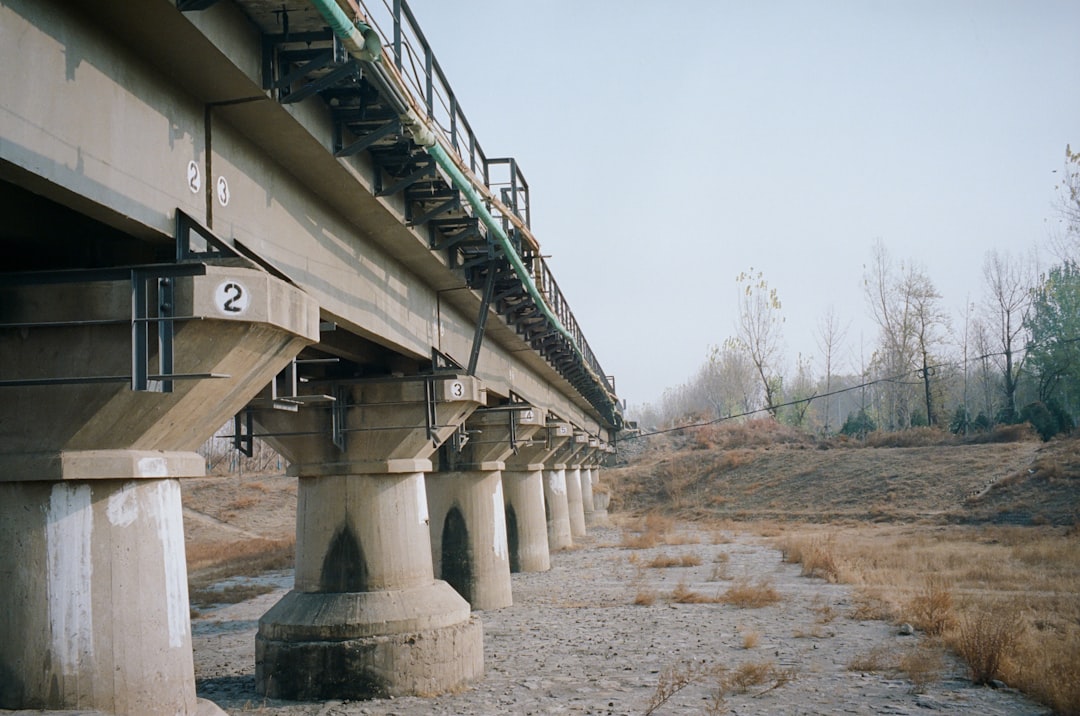
You own a piece of the world, a bridge, a power grid, a toll road. These aren’t just concrete and steel; they are arteries of your society, vital organs that facilitate commerce, connect communities, and fuel progress. But what if these tangible assets, often perceived as static structures, hold a hidden reservoir of financial potential? This is the domain of infrastructure asset-backed cash flows – a mechanism to unlock the latent economic power residing within your foundational investments.
Infrastructure, in its essence, represents long-lived, often monopolistic or semi-monopolistic assets that provide essential public services. Think of them as the circulatory system of your economy. Without them, goods don’t move, power doesn’t flow, and communication falters. Their inherent characteristics lend themselves to predictable and stable revenue streams, a quality that is highly attractive to investors seeking reliable returns.
Defining Infrastructure Assets
- Tangibility and Longevity: Unlike financial instruments that can evaporate, infrastructure assets are physically present and designed for decades, even centuries, of service. This offers a grounded stability in an often volatile financial landscape.
- Essential Service Provision: They are not discretionary purchases; they are necessities. People and businesses rely on transportation networks, energy supplies, and water systems. This creates a baseline demand that is relatively inelastic, meaning changes in price have a limited impact on usage.
- High Upfront Capital Costs and Barriers to Entry: Constructing a new highway, a power plant, or a telecommunications network requires immense capital. This significant initial investment, coupled with regulatory hurdles and the sheer scale of operations, creates formidable barriers for new competitors. This often translates into a limited number of providers, giving existing operators pricing power.
- Governmental or Regulatory Influence: Many infrastructure assets operate within a regulated environment. This can provide a degree of protection, ensuring fair returns or mediating pricing. However, it also introduces a layer of complexity and potential for policy shifts that must be carefully considered.
Categorizing Infrastructure Assets
You will encounter a broad spectrum of infrastructure assets, each with its own revenue generation model:
- Transportation Infrastructure: This includes toll roads, airports, ports, and railways. Their cash flows are typically generated through user fees – tolls paid by drivers, landing fees by airlines, or freight charges by shipping companies. The predictability of these flows is often linked to economic activity and population growth.
- Energy Infrastructure: Power generation facilities (fossil fuel, renewable, nuclear), transmission and distribution grids, and pipelines fall under this category. Revenue can stem from the sale of electricity or gas to utilities, regulated tariffs set by authorities, or long-term power purchase agreements.
- Water and Wastewater Infrastructure: Treatment plants, distribution networks, and sewage systems generate revenue through water usage charges levied on households and businesses. These are generally considered highly stable due to the essential and constant demand for water.
- Telecommunications Infrastructure: Fiber optic networks, cell towers, and data centers are crucial for modern communication. Their cash flows are derived from service subscriptions, leasing agreements with mobile operators, and data storage fees.
- Social Infrastructure: While less directly tied to commercial cash flows, this category includes schools, hospitals, and public housing, which can be financed through government budgets or private sector entities with long-term contracts.
Infrastructure asset-backed cash flows are increasingly becoming a focal point for investors seeking stable returns in a volatile market. A related article that delves deeper into this topic can be found at How Wealth Grows, where the author explores various strategies for leveraging infrastructure investments to generate consistent cash flow. This resource provides valuable insights into the mechanisms behind these investments and their potential benefits for portfolio diversification.
The Mechanics of Asset-Backed Cash Flows
The concept of an asset-backed cash flow is straightforward, yet powerful. It involves isolating the future revenue streams generated by a specific infrastructure asset or
FAQs

What are infrastructure asset backed cash flows?
Infrastructure asset backed cash flows refer to the revenue streams generated from infrastructure assets, such as toll roads, airports, or utilities, which are used as collateral to secure financing or investment. These cash flows are typically stable and predictable, derived from user fees, tariffs, or long-term contracts.
How are infrastructure asset backed cash flows used in financing?
These cash flows are used to back debt or equity financing by providing lenders or investors with assurance of repayment through the steady income generated by the infrastructure asset. This structure helps reduce risk and can lead to lower borrowing costs.
What types of infrastructure assets commonly generate asset backed cash flows?
Common infrastructure assets include transportation facilities (roads, bridges, airports), energy infrastructure (power plants, pipelines), water and wastewater systems, and telecommunications networks. These assets usually have long operational lives and generate consistent revenue.
What are the risks associated with infrastructure asset backed cash flows?
Risks include operational risks, regulatory changes, demand fluctuations, and maintenance costs that can affect the stability and amount of cash flows. Additionally, economic downturns or changes in government policy may impact revenue generation.
Why are infrastructure asset backed cash flows attractive to investors?
They offer relatively stable and predictable income streams, often linked to essential services with long-term contracts or regulated tariffs. This stability makes them appealing for investors seeking steady returns and diversification in their portfolios.