Alternative Data in Modern Credit Assessment
In the contemporary financial environment, alternative data has become a significant factor in credit decision-making processes. Understanding alternative data is essential for individuals seeking credit. Traditional credit scoring systems primarily analyze historical credit behavior, which often provides an incomplete assessment of a person’s financial stability.
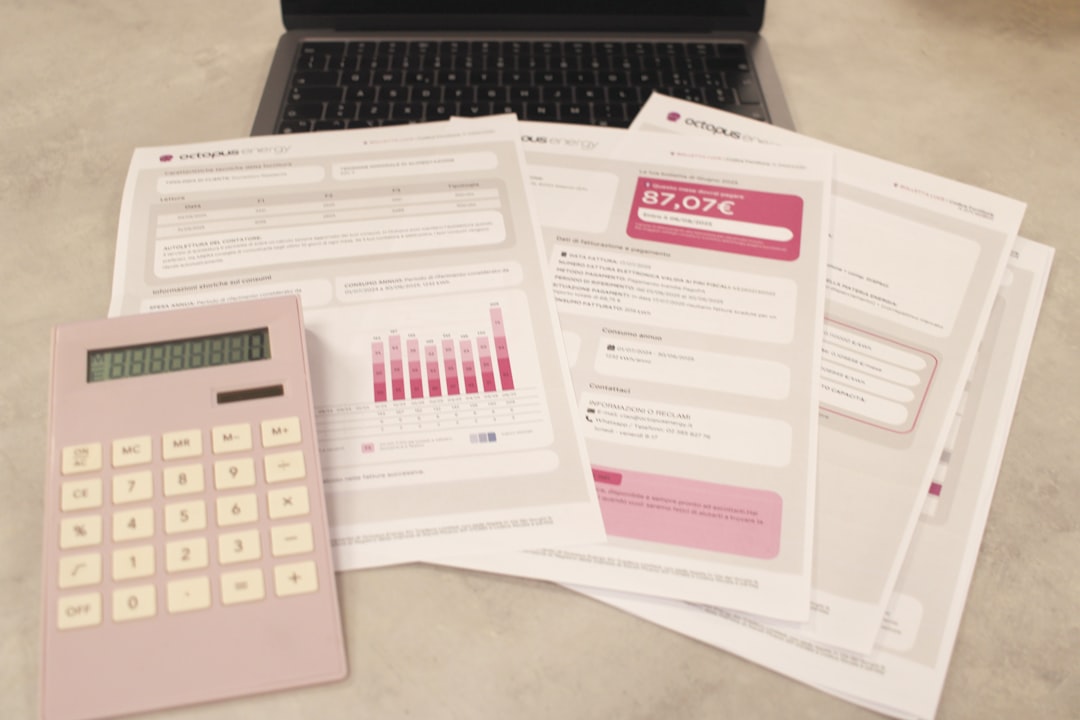
Alternative data supplements these traditional methods by incorporating additional relevant information. Alternative data includes various non-traditional information sources beyond standard credit reports. This encompasses utility payment records, rental payment history, and digital footprints including social media activity.
By incorporating these diverse data points, financial institutions can develop more comprehensive assessments of creditworthiness. This expanded approach to credit evaluation benefits both lending institutions and consumers, particularly those with limited traditional credit histories, contributing to a more inclusive financial system.
Key Takeaways
- Alternative data offers new insights beyond traditional credit scoring methods, enhancing credit decision accuracy.
- Traditional credit scoring has limitations, often excluding individuals with limited credit history.
- Incorporating alternative data can improve financial inclusion and provide a more comprehensive risk assessment.
- Challenges include data privacy, accuracy, and regulatory compliance when using alternative data.
- Future trends indicate growing adoption of alternative data, driven by technological advances and evolving regulations.
Understanding the Limitations of Traditional Credit Scoring
Traditional credit scoring models have long been the cornerstone of lending decisions. However, as you delve deeper into these models, you may find that they come with significant limitations. One of the primary drawbacks is their reliance on a narrow set of data points, which often excludes individuals with limited credit histories or those who are new to credit.
This can create barriers for many potential borrowers, particularly younger individuals or those from underserved communities who may not have established credit profiles. Moreover, traditional credit scores can be heavily influenced by factors that do not necessarily reflect an individual’s current financial situation. For instance, a single missed payment can drastically lower a score, while consistent on-time payments may not be adequately rewarded if the individual has a thin credit file.
As you consider these limitations, it becomes clear that relying solely on traditional credit scoring can lead to missed opportunities for both lenders and borrowers alike.
The Role of Alternative Data in Credit Decision Making
As you explore the role of alternative data in credit decision-making, you’ll find that it serves as a powerful tool for enhancing the accuracy and fairness of lending assessments. By incorporating alternative data sources, lenders can create a more comprehensive view of a borrower’s financial behavior. This holistic approach allows for better risk assessment and can lead to more informed lending decisions.
For you as a borrower, this means that even if you have a limited or imperfect credit history, there may still be opportunities available to you. Lenders who utilize alternative data can identify responsible financial behaviors that traditional models might overlook. This shift not only benefits borrowers but also helps lenders expand their customer base and reduce default rates by making more informed decisions based on a wider array of information.
Types of Alternative Data Sources
When it comes to alternative data sources, the possibilities are vast and varied. You might be surprised to learn that many everyday activities can provide valuable insights into your creditworthiness. For instance, payment histories for utilities, rent, and even mobile phone bills can serve as indicators of your financial reliability.
Additionally, social media activity and online behavior are increasingly being considered as alternative data sources. While this may raise privacy concerns for some, it offers lenders a glimpse into your lifestyle and spending habits.
For example, engagement with financial literacy content or participation in community discussions about budgeting can signal responsible financial behavior. As you consider these diverse sources of alternative data, it’s essential to recognize their potential to paint a more accurate picture of your financial health.
Benefits of Incorporating Alternative Data into Credit Scoring
| Alternative Data Type | Description | Impact on Credit Score | Example Metrics | Use Case |
|---|---|---|---|---|
| Utility Payments | Records of timely payments for electricity, water, gas, and phone bills | Positive impact by demonstrating payment reliability | On-time payment rate, payment frequency | Assess creditworthiness for individuals with limited credit history |
| Rental Payment History | Data on monthly rent payments made to landlords or property managers | Improves credit profile by showing consistent payment behavior | Payment timeliness, number of months paid | Used by lenders to evaluate renters without traditional credit |
| Telecommunications Data | Payment and usage data from mobile phone and internet providers | Helps identify payment patterns and financial responsibility | Payment consistency, account age | Supports credit decisions for thin-file consumers |
| Bank Account Transactions | Analysis of deposits, withdrawals, and spending behavior | Provides insight into cash flow and financial management | Average balance, overdraft frequency, income stability | Used for alternative credit scoring models |
| Employment and Income Data | Verification of employment status and income levels | Enhances credit risk assessment accuracy | Income consistency, job tenure | Supports lending decisions and affordability checks |
| Social Media and Online Behavior | Analysis of social network activity and online interactions | Experimental; may indicate stability and trustworthiness | Engagement metrics, network size | Used in some fintech credit models |
The incorporation of alternative data into credit scoring models presents numerous benefits for both lenders and borrowers. For you as a borrower, one of the most significant advantages is increased access to credit. By considering a broader range of data points, lenders can extend credit to individuals who may have been previously deemed unqualified under traditional scoring systems.
This inclusivity can empower you to secure loans or credit cards that align with your financial needs. From a lender’s perspective, utilizing alternative data can lead to improved risk assessment and reduced default rates. By gaining a more nuanced understanding of borrowers’ financial behaviors, lenders can make more informed decisions that ultimately benefit their bottom line.
Additionally, incorporating alternative data can enhance customer relationships by fostering trust and transparency in the lending process. As you engage with lenders who embrace alternative data, you’ll likely find that they are more willing to work with you to find solutions that fit your unique financial situation.
Challenges and Risks Associated with Alternative Data

While the benefits of alternative data are compelling, it’s essential to acknowledge the challenges and risks associated with its use in credit decision-making. One significant concern is the potential for bias in the algorithms that analyze this data. If not carefully managed, these algorithms could inadvertently reinforce existing inequalities or discriminate against certain groups based on their data profiles.
As you consider your own financial journey, it’s crucial to advocate for fairness and transparency in how alternative data is utilized. Another challenge lies in the quality and accuracy of alternative data sources. Not all data is created equal; some may be outdated or inaccurate, leading to misguided lending decisions.
As you navigate your own credit opportunities, it’s important to be aware of how your data is being used and to ensure that it accurately reflects your financial behavior. Engaging with lenders who prioritize ethical practices in data collection and analysis can help mitigate these risks.
Regulatory Considerations for Using Alternative Data
As alternative data becomes more prevalent in credit decision-making, regulatory considerations are increasingly coming into play. You may wonder how these regulations impact your access to credit and the overall lending landscape. Regulatory bodies are beginning to scrutinize the use of alternative data to ensure that it does not lead to discriminatory practices or violate consumer rights.
This scrutiny is essential for maintaining trust in the financial system and protecting consumers like yourself. It’s important for lenders to stay informed about evolving regulations surrounding alternative data usage. Compliance with these regulations not only safeguards consumers but also enhances the credibility of lenders in the eyes of potential borrowers.
As you engage with lenders who utilize alternative data, consider asking about their compliance practices and how they ensure that their use of data aligns with regulatory standards.
Best Practices for Utilizing Alternative Data in Credit Decision Making
To maximize the benefits of alternative data while minimizing risks, it’s crucial for lenders to adopt best practices in its utilization. For you as a borrower, understanding these practices can empower you to make informed decisions when seeking credit. One key best practice is ensuring transparency in how alternative data is collected and used.
Lenders should clearly communicate what types of data they consider and how it impacts lending decisions. Additionally, implementing robust algorithms that are regularly tested for bias is essential for fair lending practices. Lenders should continuously evaluate their models to ensure they do not inadvertently disadvantage certain groups based on their alternative data profiles.
As you navigate your own credit journey, look for lenders who prioritize ethical practices and demonstrate a commitment to fairness in their decision-making processes.
Case Studies of Successful Implementation of Alternative Data
Examining case studies of successful implementation of alternative data can provide valuable insights into its potential impact on credit decision-making. For instance, some fintech companies have pioneered innovative approaches by integrating alternative data into their lending models. These companies have reported significant increases in approval rates for borrowers who would typically be denied under traditional scoring systems.
In one notable case, a lender utilized utility payment histories as part of their assessment process, resulting in a marked increase in loan approvals for individuals with limited credit histories. This approach not only expanded access to credit but also led to lower default rates among these borrowers, demonstrating the effectiveness of incorporating alternative data into lending practices. As you consider your own financial options, these success stories highlight the transformative potential of alternative data in creating more inclusive lending environments.
Future Trends in Alternative Data and Credit Scoring
As you look ahead to the future of alternative data and credit scoring, several trends are emerging that could reshape the lending landscape even further. One significant trend is the increasing use of machine learning algorithms to analyze vast amounts of alternative data quickly and accurately. This technology allows lenders to identify patterns and correlations that may not be immediately apparent through traditional analysis methods.
Additionally, there is a growing emphasis on consumer consent and control over personal data. As awareness around privacy issues continues to rise, borrowers like yourself will likely demand greater transparency regarding how your information is used in credit assessments. Lenders who prioritize consumer empowerment and ethical data practices will be better positioned to thrive in this evolving landscape.
The Importance of Embracing Alternative Data in Credit Opportunities
In conclusion, embracing alternative data in credit opportunities represents a significant shift toward a more inclusive and equitable financial system. As you navigate your own path toward securing credit, understanding the role of alternative data can empower you to take control of your financial future. By recognizing the limitations of traditional credit scoring and advocating for fair practices in alternative data utilization, you can help shape a lending environment that works for everyone.
The integration of alternative data not only benefits borrowers by expanding access to credit but also enhances risk assessment for lenders, ultimately leading to healthier financial ecosystems. As you engage with lenders who prioritize ethical practices and transparency in their use of alternative data, you’ll find that new opportunities await you—opportunities that were once out of reach under traditional lending models. Embracing this evolution is essential for unlocking your full potential in today’s dynamic financial landscape.
Alternative data is becoming increasingly important in the realm of credit scoring, as it provides lenders with a more comprehensive view of a borrower’s financial behavior. For those interested in exploring this topic further, a related article can be found at How Wealth Grows, which discusses the implications of using alternative data in credit assessments and how it can benefit both lenders and consumers.
WATCH THIS! 💰 STOP Apps Are Stealing $1,000 From You Every Year—Here’s Proof & The 30-Day Fix
FAQs
What is alternative data in credit scoring?
Alternative data refers to non-traditional information used to assess a person’s creditworthiness. This can include rental payments, utility bills, phone bills, bank account transactions, and even social media activity, which are not typically included in standard credit reports.
Why is alternative data important for credit scores?
Alternative data helps provide a more comprehensive view of an individual’s financial behavior, especially for those with limited or no traditional credit history. It can improve access to credit for underserved populations by supplementing or replacing traditional credit data.
How is alternative data collected?
Alternative data is collected from various sources such as utility companies, landlords, telecom providers, and financial institutions. This data is then aggregated and analyzed by credit scoring models or alternative credit bureaus.
Can alternative data improve my credit score?
Yes, including positive alternative data like consistent rent or utility payments can help build or improve your credit profile, especially if you have little or no traditional credit history.
Are alternative credit scores accepted by lenders?
Some lenders and financial institutions accept alternative credit scores or use alternative data as part of their decision-making process. However, acceptance varies by lender and type of credit product.
Is alternative data safe and private?
Reputable companies that use alternative data follow strict privacy and security regulations to protect consumer information. Consumers should ensure they work with trusted providers and understand how their data is used.
Does using alternative data affect my traditional credit score?
Alternative data itself does not directly impact traditional credit scores like FICO or VantageScore. However, some lenders may use alternative data alongside traditional scores to make lending decisions.
Who benefits most from alternative data credit scoring?
Individuals with limited or no traditional credit history, such as young adults, recent immigrants, or those who primarily use cash, benefit most from alternative data as it provides additional ways to demonstrate creditworthiness.
Are there any drawbacks to using alternative data?
Potential drawbacks include privacy concerns, inconsistent data quality, and the fact that not all lenders accept alternative data. Additionally, negative alternative data can also harm credit assessments.
How can I include alternative data in my credit report?
You can work with services that report alternative payment data, such as rent or utility payments, to credit bureaus. Some platforms allow consumers to self-report these payments to help build their credit profile.