You’re looking for your next home in 2026, and the word “affordable” feels like a distant dream. The housing market seems perennially out of reach for many, and the prospect of homeownership can be daunting. However, with strategic planning, a realistic outlook, and a willingness to explore various avenues, unlocking affordable housing in the near future is achievable. This guide will equip you with the knowledge and actionable tips to navigate the market and find a home that aligns with your financial realities.
Before diving into specific strategies, you need to ground yourself in the current and projected realities of the 2026 housing market. Relying on anecdotal evidence or outdated information will only set you back. A solid understanding of economic indicators, regional trends, and evolving housing policies is crucial.
Economic Factors Shaping Affordability
The broader economic climate plays a significant role in housing prices and availability. While predicting the future with absolute certainty is impossible, understanding prevailing trends can help you anticipate shifts.
Inflation and Interest Rates
The rate of inflation directly impacts the cost of goods and services, including construction materials and labor, which in turn influence home prices. Similarly, mortgage interest rates are a primary determinant of your monthly payments. Historically, periods of sustained low interest rates have fueled housing booms, while rising rates can cool the market but also increase borrowing costs. For 2026, analyze the projected trajectory of inflation and central bank monetary policies. Are interest rates expected to stabilize, increase, or decrease? This will significantly alter your borrowing capacity and the overall affordability of a mortgage.
Employment and Income Growth
The health of the job market and the rate of income growth in your target area are fundamental to housing affordability. If employment opportunities are robust and wages are rising consistently, demand for housing will likely increase, potentially pushing prices upwards. Conversely, areas with stagnant job markets or declining incomes may offer more affordable options. Research the employment forecasts for regions you’re considering. Are there emerging industries creating new jobs? Is the existing workforce experiencing significant wage growth?
Local Market Conditions
Beyond national economic trends, local market dynamics are paramount. What’s happening in the specific cities or towns you’re targeting? Are there more homes being built, or is supply constrained? Is there a high demand from a growing population or from investors?
Supply and Demand Analysis
Understanding the fundamental principles of supply and demand in your chosen locales is key. If there are more buyers than sellers, prices will generally rise. If the opposite is true, you might find more negotiating power. Look for data on housing starts, existing home sales volume, and the average time homes spend on the market.
Gentrification and Development Patterns
Be aware of areas undergoing significant development or gentrification. While these areas might offer future appreciation potential, they can also see rapid price increases, making them less affordable in the short term. Conversely, areas on the cusp of revitalization might present more accessible entry points.
Housing Policy and Government Initiatives
Government policies can have a substantial impact on the housing market, both at the federal and local levels. These can range from incentives for first-time homebuyers to regulations on zoning and development.
Federal Housing Programs
Familiarize yourself with any federal programs designed to promote affordable housing. This could include tax credits, mortgage insurance programs, or grants. Research the eligibility requirements and application processes for these initiatives.
State and Local Subsidies
Many states and municipalities offer their own programs to assist homebuyers. These might include down payment assistance grants, low-interest loan programs, or property tax abatements for certain income brackets or types of housing. Your due diligence in this area could unlock significant savings.
Finding affordable housing in 2026 can be a daunting task, but there are resources available to help navigate this challenge. For those looking for practical tips and strategies, a related article can be found at How Wealth Grows, which offers insights into the current housing market trends and ways to secure budget-friendly options. This resource is particularly useful for first-time homebuyers and renters alike, providing valuable information on financial planning and housing opportunities.
Strategies for Enhancing Your Purchasing Power
Even in a challenging market, you can take proactive steps to improve your financial standing and make purchasing a home more attainable. These strategies focus on maximizing your income, minimizing your expenses, and understanding your borrowing potential.
Maximizing Your Down Payment
A larger down payment reduces the amount you need to borrow, which in turn lowers your monthly mortgage payments and can help you avoid private mortgage insurance (PMI).
Forced Savings Plans
Implement a disciplined savings plan specifically for your down payment. Treat this as a non-negotiable expense. Setting up automatic transfers from your checking account to a dedicated savings or investment account can be an effective method. Explore high-yield savings accounts or low-risk investment vehicles if you have a longer time horizon for your savings.
Exploring Down Payment Assistance Programs
As mentioned previously, various government and private organizations offer down payment assistance. These can take the form of grants that you don’t have to repay, or forgivable loans that are erased over time as long as you occupy the home. Don’t overlook the power of these programs; they are specifically designed to bridge the affordability gap.
Utilizing Gift Funds Responsibly
If family members are willing to contribute to your down payment, understand the rules surrounding gift funds. Lenders will require documentation to ensure these funds are genuine gifts and not undisclosed loans.
Improving Your Creditworthiness
Your credit score is a critical factor in determining your mortgage interest rate. A higher score can translate into significant savings over the life of your loan.
Credit Score Analysis and Improvement
Obtain your credit reports from the major credit bureaus and meticulously review them for any errors. Dispute inaccuracies promptly. Identify areas for improvement, such as reducing credit utilization, paying bills on time, and avoiding opening too many new credit accounts simultaneously.
Building a Positive Credit History
If your credit history is limited, focus on building a positive track record. This might involve opening a secured credit card, setting up small, regular payments, and demonstrating responsible debt management.
Understanding Lender Requirements
Different lenders have varying credit score requirements. Research the benchmarks for the types of mortgages you’re considering and aim to meet or exceed them. Getting pre-approved by a few lenders can give you a clear picture of where you stand.
Optimizing Your Debt-to-Income Ratio (DTI)
Your DTI is a key metric lenders use to assess your ability to manage monthly payments. Lowering your DTI makes you a more attractive borrower.
Reducing Existing Debt
Prioritize paying down high-interest debt, such as credit card balances. Consider a debt consolidation loan or a balance transfer if it makes financial sense for your situation. The less debt you carry, the more disposable income you’ll have for a mortgage.
Avoiding New Debt Before Application
Refrain from taking on any new loans or significant credit card balances in the months leading up to your mortgage application. This can negatively impact your DTI and credit score.
Exploring Different Housing Options

Affordable housing isn’t limited to traditional single-family homes. By broadening your perspective, you can uncover options that may not have initially crossed your mind.
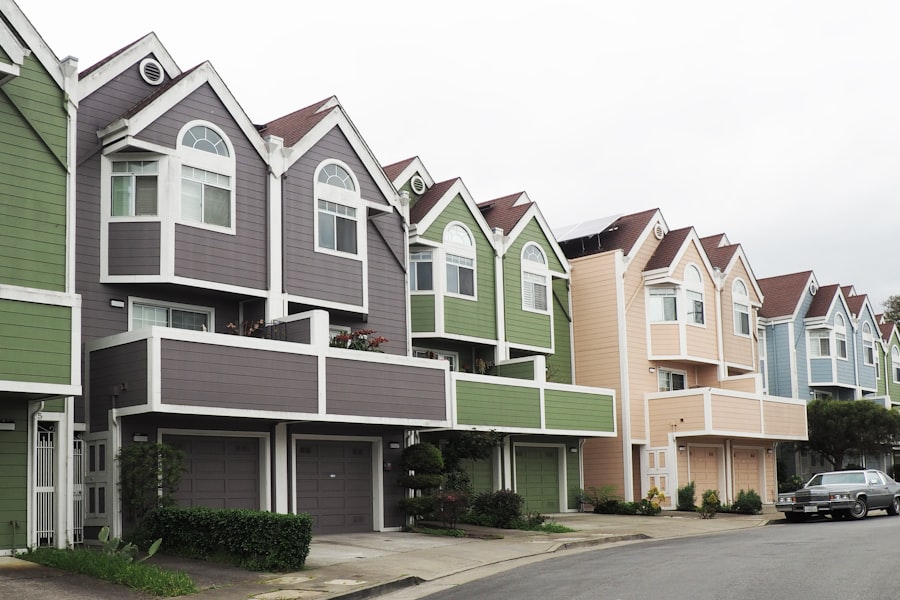
The Appeal of Condominiums and Townhouses
These housing types often come with a lower price tag than detached single-family homes, especially in desirable urban or suburban areas.
Understanding HOA Fees and Regulations
While offering potential cost savings, condominiums and townhouses come with Homeowners Association (HOA) fees. Understand what these fees cover and review the HOA’s financial health and regulations. This will be a recurring monthly expense to factor into your budget.
Shared Amenities and Maintenance Responsibilities
HOAs often provide shared amenities like pools, gyms, and landscaping. This can be a benefit, but also understand your responsibilities regarding maintenance and shared spaces.
The Practicality of Manufactured and Modular Homes
These homes offer significant cost advantages and can provide attractive, modern living spaces.
Advances in Construction and Design
Manufactured and modular homes have evolved considerably in quality and design. Many now offer high-end finishes and energy-efficient features, rivaling traditional stick-built homes. Seek out reputable builders and inspect finished models.
Lot Acquisition and Site Preparation
The affordability of these homes often hinges on the cost of the land and site preparation. You’ll need to factor in the expense of purchasing or leasing land and ensuring it’s suitable for the home’s foundation and utility hookups.
Co-housing and Co-ownership Models
These emerging models emphasize community and shared resources, which can lead to reduced individual housing costs.
Community Living and Shared Expenses
Co-housing involves a group of people who choose to live together in a shared community, with private dwellings complemented by extensive common facilities. Co-ownership involves sharing the purchase and ownership of a property with one or more individuals. Both can significantly reduce individual financial burdens.
Legal and Management Considerations
These models require careful legal structuring and ongoing management to ensure smooth operation and equitable distribution of responsibilities and costs. Thoroughly understand the legal agreements and decision-making processes involved.
Navigating the Home Search Process Strategically
Finding an affordable home requires more than just browsing listings. It demands a proactive, informed, and often flexible approach to the search itself.
Leveraging Technology and Online Resources
The digital age offers unparalleled access to information, but it’s essential to use these tools effectively.
Utilizing Real Estate Listing Platforms
Familiarize yourself with popular real estate websites and apps. Set up customized alerts for your desired areas and price ranges. Pay attention to new listings and be prepared to act quickly.
Exploring Off-Market Opportunities
Not all properties are listed publicly. Connect with real estate agents who specialize in off-market deals or explore other avenues like local classifieds and community forums for potential unlisted gems.
The Role of a Buyer’s Agent
A skilled buyer’s agent can be an invaluable asset, especially in competitive or complex markets.
Finding the Right Agent for Your Needs
Look for an agent who understands the affordable housing market in your target areas, has a strong track record, and communicates effectively. Interview multiple agents before committing.
Negotiation and Market Expertise
A good agent will not only help you find suitable properties but also provide crucial market insights and assist with negotiations to secure the best possible price.
Being Flexible with Location and Features
Sometimes, the perfect affordable home exists just outside your initial ideal scope.
Expanding Your Geographic Search
Consider expanding your search to neighboring towns or less-developed areas that might offer better affordability. Commute times and access to amenities in these areas should be factored into your decision.
Prioritizing Needs Over Wants
Differentiate between essential features and desirable but non-essential ones. Be willing to compromise on certain aspects to achieve affordability. For example, a slightly smaller yard or a less modern kitchen might be acceptable if it significantly reduces the purchase price.
Finding affordable housing in 2026 can be a challenging task, but there are resources available to help navigate the market. One useful article that provides insights and tips on this topic is how to find affordable housing. This guide offers practical advice on budgeting, exploring different neighborhoods, and understanding the housing market trends that can lead to better options for potential renters and buyers alike. By utilizing such resources, individuals can enhance their chances of securing a home that fits their financial situation.
Securing Financing and Making an Offer
| Strategy | Description |
|---|---|
| Research Online | Use housing websites and online platforms to search for affordable housing options. |
| Community Outreach | Connect with local community organizations and non-profits for housing assistance and resources. |
| Government Programs | Explore government housing programs and subsidies for low-income individuals and families. |
| Roommates | Consider living with roommates to share housing costs and expenses. |
| Financial Planning | Create a budget and savings plan to afford housing expenses and prioritize affordable options. |
The final steps of securing your affordable home involve navigating the financing process and presenting a compelling offer.
Understanding Mortgage Options in 2026
The mortgage landscape can evolve. Staying informed about current offerings is crucial.
Fixed-Rate vs. Adjustable-Rate Mortgages (ARMs)
Understand the pros and cons of each. Fixed-rate mortgages offer predictable monthly payments, while ARMs may have lower initial rates but can increase over time. Your financial situation and risk tolerance will dictate the best choice.
Government-Insured Loans (FHA, VA, USDA)
Explore government-backed loan programs. FHA loans often have lower down payment requirements and more flexible credit score criteria. VA loans are available to eligible veterans, and USDA loans can be beneficial for rural homebuyers.
The Pre-Approval Process: A Crucial Step
Getting pre-approved for a mortgage solidifies your financial standing and strengthens your offer.
Demonstrating Financial Readiness
Pre-approval involves a lender reviewing your credit, income, and assets to determine how much you can borrow. This shows sellers you’re a serious and qualified buyer.
Understanding Loan Estimates and Closing Costs
Once pre-approved, you’ll receive a Loan Estimate. Carefully review this document to understand all associated fees, interest rates, and estimated closing costs. Don’t hesitate to ask your lender for clarification.
Crafting a Competitive Offer
In a competitive market, your offer needs to stand out.
Determining the Right Offer Price
Your agent’s expertise in market analysis will be vital here. Avoid overpaying, but also understand what it takes to secure a property.
Contingencies and Their Impact
Contingencies, such as financing or inspection contingencies, protect you as a buyer. However, in very competitive scenarios, some buyers may opt to waive certain contingencies. Understand the risks involved before considering this.
Writing a Personal Letter to the Seller (When Appropriate)
In some cases, a well-written personal letter can humanize your offer and connect with the seller, especially if they have an emotional attachment to the property.
Unlocking affordable housing in 2026 is a journey that requires diligence, adaptability, and a willingness to explore all viable paths. By understanding the market, enhancing your financial preparedness, considering diverse housing options, and approaching the search strategically, you can move closer to achieving your homeownership goals.