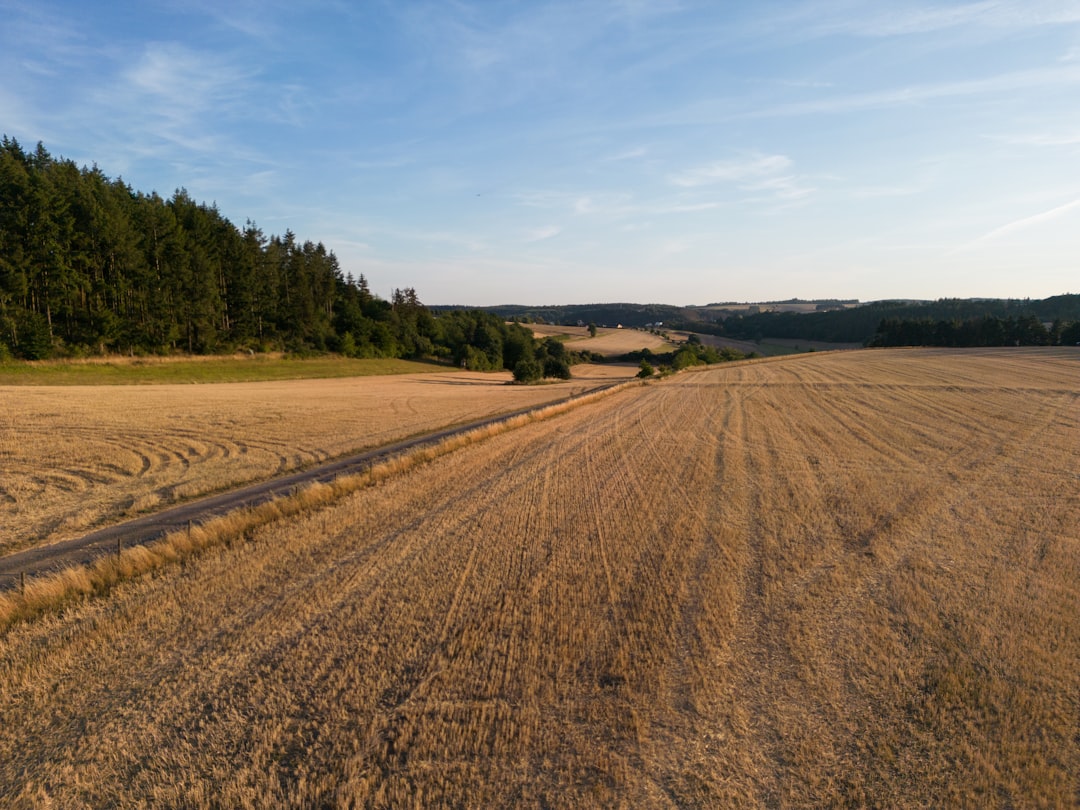
Farmland investment has become an increasingly popular diversification strategy for investors in recent years. The agricultural sector is now recognized as a viable asset class alongside its traditional role in food production. Several factors have contributed to this shift, including growing global food demand, declining availability of arable land, and the potential for consistent returns.
As urbanization expands into agricultural areas, the scarcity of farmland is expected to drive up land values, creating investment opportunities. Additionally, the rise of sustainable and organic farming practices has attracted investor interest. Many investors now seek opportunities that combine financial returns with environmental responsibility.
This combination has drawn capital from diverse sources, including private equity firms, pension funds, and individual investors. The convergence of financial performance and sustainability objectives reflects a broader market trend toward integrating environmental considerations into investment decisions.
Key Takeaways
- Farmland investment has surged, attracting significant interest from Wall Street and institutional investors.
- The acquisition of farmland by large investors often disrupts local communities and raises ethical concerns.
- Environmental impacts of farmland grab include soil degradation and loss of biodiversity.
- Government policies play a crucial role in regulating farmland investments and protecting local interests.
- Sustainable investment strategies are essential to balance profitability with social responsibility and food security.
Wall Street’s Involvement in Farmland Grab
Wall Street’s entry into farmland investment has transformed the landscape of agricultural ownership. You may have observed that large financial institutions are increasingly acquiring vast tracts of farmland, often with the intent of generating high returns for their investors. This trend has raised concerns about the implications of such investments on local communities and food systems.
As these financial giants buy up farmland, they often prioritize profit over the needs of local farmers and communities, leading to a phenomenon known as “farmland grab.” The involvement of Wall Street in agriculture is not merely a passing trend; it represents a significant shift in how farmland is viewed and valued. You might find it alarming that these investments can lead to increased land prices, making it difficult for small-scale farmers to compete. As institutional investors focus on maximizing yields and profits, traditional farming practices may be sidelined in favor of more industrialized methods.
Investing in farmland investment can provide sustainable returns and long-term growth opportunities.
Impacts of Farmland Grab on Local Communities
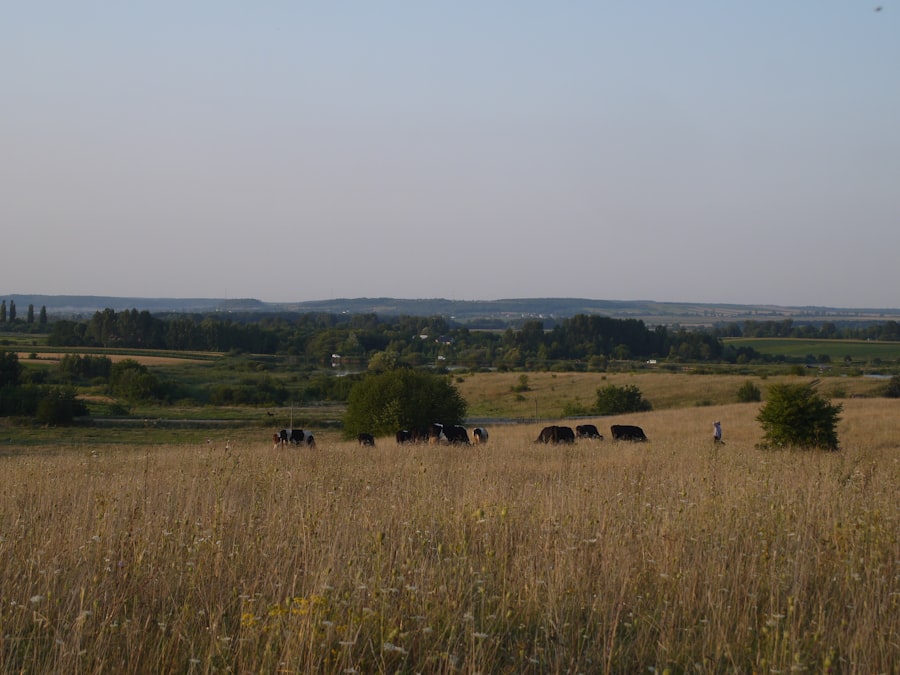
The impacts of farmland grab extend far beyond the financial realm; they resonate deeply within local communities. You may have noticed that as large corporations acquire farmland, the social fabric of rural areas can be disrupted. Small farmers often find themselves unable to compete with the resources and capital that institutional investors bring to the table.
This can lead to a decline in local agriculture, as family farms are sold off or forced to adapt to new business models that prioritize efficiency over community engagement. Additionally, the loss of local farms can have significant cultural implications. You might appreciate that farming is not just an economic activity; it is often intertwined with community identity and heritage.
When large entities take over farmland, they may not prioritize the same values that local farmers hold dear, such as sustainability, biodiversity, and community involvement. As a result, you may witness a shift in agricultural practices that prioritizes short-term profits over long-term sustainability, ultimately undermining the very essence of rural life.
Environmental Consequences of Farmland Grab
The environmental consequences of farmland grab are profound and multifaceted. You may be aware that large-scale agricultural operations often rely heavily on chemical inputs, monoculture practices, and intensive farming techniques that can degrade soil health and biodiversity. As institutional investors prioritize high yields and quick returns, they may overlook the long-term environmental impacts of their practices.
This can lead to soil erosion, water depletion, and loss of habitat for wildlife, all of which threaten the delicate balance of ecosystems. Moreover, you might find it concerning that the focus on maximizing profits can lead to unsustainable water usage and pollution from fertilizers and pesticides. As large agribusinesses expand their operations, they often extract resources at an alarming rate, putting immense pressure on local ecosystems.
The consequences of these practices can ripple through communities, affecting not only the environment but also public health and food security. As you consider the future of agriculture, it becomes clear that sustainable practices must be prioritized to mitigate these environmental risks.
Government Policies and Farmland Grab
| Metric | Description | Data / Value | Source / Notes |
|---|---|---|---|
| Amount of Farmland Acquired | Total acres of farmland purchased by Wall Street investors in the last decade | Over 20 million acres | Various reports from agricultural investment analyses |
| Top Investors | Major Wall Street firms involved in farmland acquisition | BlackRock, TIAA, Carlyle Group, and others | Investment fund disclosures and news reports |
| Annual Return on Farmland Investment | Average yearly financial return from farmland investments | 8% – 12% | Industry investment reports |
| Impact on Local Farmers | Effect of Wall Street ownership on small and family farms | Increased land prices, reduced access to land | Studies on farmland ownership and rural economies |
| Geographic Focus | Regions where Wall Street farmland acquisitions are concentrated | Midwestern United States, Brazil, Australia | Global farmland investment trends |
| Motivation for Investment | Reasons Wall Street firms invest in farmland | Portfolio diversification, inflation hedge, food demand growth | Financial analysis and investment strategy reports |
| Concerns Raised | Criticisms related to Wall Street farmland ownership | Land speculation, food security risks, community displacement | Academic and NGO reports |
Government policies play a crucial role in shaping the dynamics of farmland investment and ownership. You may have noticed that regulations surrounding land use, agricultural subsidies, and zoning laws can significantly impact how farmland is bought and sold. In many cases, policies designed to promote agricultural development can inadvertently facilitate farmland grab by making it easier for large investors to acquire land while sidelining small farmers.
Furthermore, you might find it interesting that some governments are beginning to recognize the negative consequences of unchecked farmland investment. In response to growing concerns about food security and community well-being, certain countries are implementing measures to protect local farmers and limit foreign ownership of agricultural land. These policies aim to strike a balance between attracting investment and safeguarding the interests of local communities.
As you explore this complex landscape, it becomes evident that thoughtful policy interventions are essential for ensuring equitable access to farmland.
Global Food Security and Farmland Grab
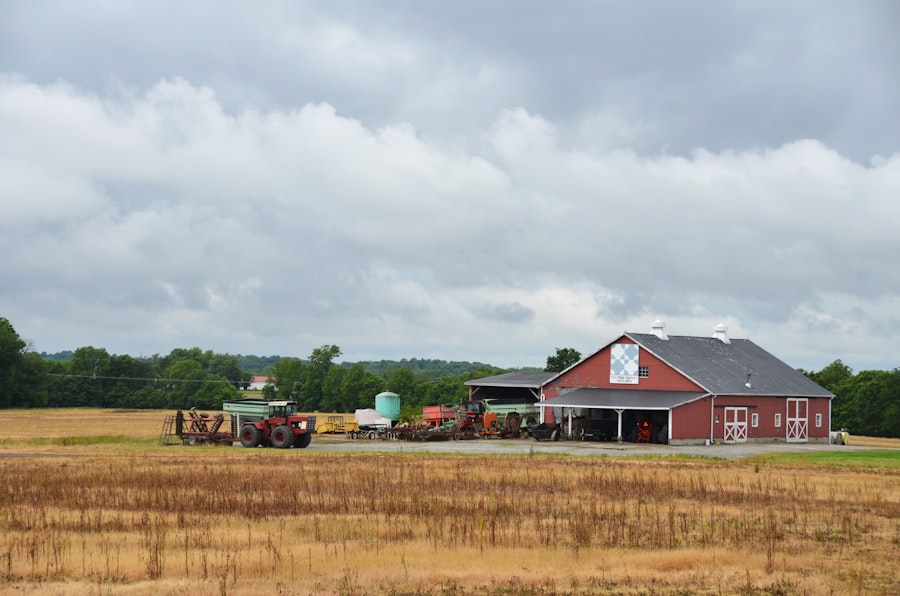
The issue of global food security is intricately linked to the phenomenon of farmland grab. You may be aware that as the world’s population continues to grow, so does the demand for food. However, with large-scale investments in agriculture often prioritizing export-oriented crops over local food production, there is a risk that food security could be compromised.
When institutional investors focus on cash crops for profit rather than staple foods for local consumption, communities may find themselves increasingly vulnerable to food shortages. Additionally, you might consider how climate change exacerbates these challenges. As extreme weather events become more frequent and unpredictable, reliance on industrial agriculture can lead to greater instability in food supply chains.
The concentration of land ownership in the hands of a few large entities can further complicate efforts to ensure equitable access to food resources. As you reflect on these issues, it becomes clear that addressing global food security requires a multifaceted approach that considers both investment strategies and community needs.
Ethical and Social Responsibility in Farmland Investment
As farmland investment continues to grow in popularity, ethical considerations are becoming increasingly important. You may find yourself questioning the social responsibility of investors who prioritize profit over people and the planet. The ethical implications of farmland grab raise critical questions about who benefits from agricultural investments and at what cost.
Investors must grapple with their role in shaping food systems and consider how their actions impact local communities and environments. Moreover, you might appreciate that there is a growing movement advocating for responsible investing in agriculture. This movement emphasizes transparency, sustainability, and community engagement as essential components of ethical farmland investment.
By prioritizing these values, investors can contribute positively to local economies while also addressing broader social issues such as poverty and inequality. As you explore this landscape, you will see how ethical considerations are becoming integral to discussions about farmland investment.
Challenges and Risks in Farmland Investment
While farmland investment presents numerous opportunities, it is not without its challenges and risks. You may be aware that fluctuations in commodity prices can significantly impact returns on investment. Additionally, factors such as changing climate conditions, regulatory shifts, and market demand can create uncertainty for investors looking to enter the agricultural sector.
Understanding these risks is crucial for making informed investment decisions. Furthermore, you might find it interesting that investing in farmland requires a deep understanding of agricultural practices and local conditions. Unlike traditional investments in stocks or bonds, farmland investment involves navigating complex issues related to land management, crop selection, and labor relations.
Investors must be prepared to engage with local communities and understand their needs if they hope to achieve sustainable success in this sector.
The Role of Institutional Investors in Farmland Grab
Institutional investors play a pivotal role in shaping the dynamics of farmland grab. You may have noticed that pension funds, insurance companies, and private equity firms are increasingly allocating capital towards agricultural assets as part of their diversification strategies. This influx of capital has significant implications for land ownership patterns and agricultural practices.
As institutional investors seek higher returns on their investments, they often prioritize efficiency and scalability over traditional farming methods. You might find it concerning that this focus can lead to practices that undermine local agriculture and community well-being. The challenge lies in finding ways for institutional investors to engage with local farmers meaningfully while balancing their financial objectives with social responsibility.
Strategies for Sustainable Farmland Investment
To navigate the complexities of farmland investment successfully, adopting sustainable strategies is essential. You may find it beneficial to explore approaches that prioritize environmental stewardship while also delivering financial returns. For instance, investing in regenerative agriculture practices can enhance soil health and biodiversity while providing long-term profitability.
Additionally, you might consider supporting local farmers through cooperative models or community-supported agriculture (CSA) initiatives. By fostering relationships with local producers, investors can contribute positively to rural economies while ensuring that their investments align with community needs. As you delve into sustainable strategies for farmland investment, you will discover innovative approaches that balance profit with purpose.
The Future of Farmland Grab and Wall Street’s Role
Looking ahead, the future of farmland grab will likely continue to evolve as Wall Street’s involvement deepens. You may anticipate ongoing debates about the implications of corporate ownership in agriculture and its impact on local communities and food systems. As awareness grows about the challenges posed by farmland grab, there may be increased pressure on institutional investors to adopt more responsible practices.
Moreover, you might find it intriguing that technological advancements could play a significant role in shaping the future of farmland investment. Innovations such as precision agriculture and sustainable farming techniques offer opportunities for improving yields while minimizing environmental impacts. As you consider these developments, it becomes clear that the future of agriculture will require collaboration between investors, farmers, policymakers, and communities to create a more equitable and sustainable food system.
In conclusion, as you reflect on the rise of farmland investment and its implications for society at large, it becomes evident that this trend is multifaceted and complex. From Wall Street’s involvement to the impacts on local communities and global food security, each aspect presents unique challenges and opportunities. By prioritizing ethical considerations and sustainable practices, you can contribute positively to shaping the future of agriculture while navigating this evolving landscape.
The phenomenon of large investment firms acquiring vast tracts of farmland has raised numerous questions about the implications for food security and local economies. For a deeper understanding of this trend, you can read the article that explores the motivations behind these acquisitions and their potential impact on agricultural practices. Check out the related article here: howwealthgrows.
com/sample-page/’>Wall Street’s Farmland Grab Explained.
WATCH THIS! The Gold Rush is Over. Now, the Dirt Rush is ON. 🚜💰
FAQs
What is the Wall Street farmland grab?
The Wall Street farmland grab refers to the increasing trend of large investment firms and financial institutions purchasing vast amounts of agricultural land, often in rural areas, as a form of investment.
Why are Wall Street investors interested in farmland?
Investors are attracted to farmland because it is considered a stable, long-term asset that can provide steady returns through crop production, land appreciation, and potential tax benefits. Farmland also offers diversification in investment portfolios.
How has Wall Street’s involvement affected farmland prices?
The influx of investment capital from Wall Street has contributed to rising farmland prices, making it more expensive for traditional farmers and local buyers to purchase land.
What are the potential impacts on local farmers and communities?
The acquisition of farmland by large investors can lead to reduced access to land for family farmers, changes in land management practices, and shifts in local economies. Some communities express concerns about loss of control over local resources.
Are there any regulations governing Wall Street’s purchase of farmland?
Regulations vary by country and region, but generally, farmland purchases by investors are subject to the same property laws as other buyers. Some areas have restrictions on foreign ownership or limits on the size of land holdings.
How do investment firms manage the farmland they acquire?
Investment firms often lease the land to local farmers or agricultural companies to manage crop production, while they focus on the financial aspects of land ownership and asset management.
Is the Wall Street farmland grab a recent phenomenon?
While institutional investment in farmland has existed for decades, the scale and visibility of Wall Street’s involvement have increased significantly in the past 10 to 15 years, driven by demand for alternative investments.
What are the environmental implications of large-scale farmland ownership by investors?
Environmental impacts depend on land management practices. Some investors promote sustainable farming to maintain land value, while others may prioritize short-term yields, potentially leading to soil degradation or reduced biodiversity.
Can local farmers compete with Wall Street investors in buying farmland?
Due to the financial resources of large investment firms, local farmers often find it challenging to compete in bidding for farmland, which can lead to consolidation of land ownership.
What are the arguments for and against Wall Street’s involvement in farmland?
Proponents argue that investment brings capital, improves efficiency, and supports agricultural innovation. Critics contend it can drive up land prices, marginalize small farmers, and prioritize profits over community and environmental health.