
The housing crisis represents a significant challenge affecting communities worldwide, characterized by rapidly increasing housing costs, insufficient affordable housing stock, and rising homelessness rates. This multifaceted issue impacts economic stability, social equity, and community development across diverse populations. The housing crisis stems from complex interconnected factors rather than simply inadequate housing supply.
Historical policy decisions, economic market forces, and systemic inequalities have collectively shaped current housing conditions. These elements include zoning regulations, lending practices, income inequality, population growth patterns, and government housing policies implemented over decades. Key indicators of the crisis include housing costs that exceed recommended affordability thresholds, declining homeownership rates among younger demographics, increased rental burdens, and growing numbers of individuals experiencing housing instability.
The crisis affects various income levels, though low and moderate-income households face disproportionate impacts due to limited housing options within their financial means.
Key Takeaways
- The housing crisis is driven by complex economic, social, and regulatory factors.
- Historical policies have shaped current disparities in housing access and affordability.
- Speculation, investment, and mortgage lending practices significantly inflate housing prices.
- Racial and social inequalities exacerbate challenges in securing affordable housing.
- Comprehensive policy solutions must address economic, environmental, and urbanization issues.
Historical Perspective on Housing Policies
To fully grasp the current housing crisis, it is crucial to look back at the historical policies that have influenced housing development and accessibility. You may find it enlightening to explore how government interventions, zoning laws, and urban planning decisions have evolved over time. For instance, post-World War II America saw a surge in suburban development fueled by federal policies that favored homeownership through mortgage subsidies and tax incentives.
This era marked a significant shift in housing dynamics, promoting single-family homes while neglecting affordable housing options in urban areas. As you reflect on these historical trends, consider how they have contributed to the current landscape of housing inequality. The legacy of redlining and discriminatory lending practices has left lasting scars on communities of color, limiting their access to homeownership and wealth accumulation.
By understanding these historical injustices, you can better appreciate the urgency of addressing the systemic barriers that continue to perpetuate inequality in housing today.
Economic Factors Contributing to the Housing Crisis

The economic landscape plays a pivotal role in shaping the housing crisis you see today. Various factors, including income stagnation, rising construction costs, and inflation, have created a perfect storm that exacerbates housing unaffordability. As you analyze these economic elements, you may notice that while wages have remained relatively stagnant for many workers, housing prices have surged dramatically.
This disparity has made it increasingly difficult for individuals and families to secure stable housing without sacrificing other essential needs. Moreover, the impact of interest rates cannot be overlooked. When interest rates rise, borrowing becomes more expensive, making it challenging for potential homeowners to enter the market.
You might also consider how investor activity in the housing market has driven up prices, as institutional buyers purchase properties for rental income rather than for personal use. This trend further limits opportunities for first-time homebuyers and exacerbates the affordability crisis.
Government Regulation and Housing Affordability
Government regulation plays a significant role in shaping housing affordability, and as you explore this aspect, you may find it both fascinating and frustrating.
In many cases, restrictive zoning practices limit the types of housing that can be built in certain areas, leading to a scarcity of affordable units.
You may wonder how these regulations can be reformed to promote inclusivity and accessibility in housing. Additionally, consider the role of subsidies and incentives in addressing housing affordability. While some government programs aim to support low-income families through rental assistance or tax credits, they often fall short of meeting the growing demand for affordable housing.
As you reflect on these regulatory frameworks, think about how innovative policies could be implemented to create a more equitable housing market that serves all members of society.
Impact of Speculation and Investment on Housing Prices
| Cause | Description | Impact on Housing Market | Example Metrics |
|---|---|---|---|
| Supply Shortage | Insufficient new housing construction to meet demand. | Increased competition for limited homes, driving prices up. | New housing starts per year vs. population growth rate |
| Rising Construction Costs | Higher prices for materials and labor increase building expenses. | Developers build fewer homes or pass costs to buyers. | Percentage increase in material costs annually |
| Zoning and Land Use Restrictions | Regulations limiting where and what type of housing can be built. | Limits housing density and availability, restricting supply. | Percentage of land zoned for residential use |
| Population Growth | Increase in number of people needing housing. | Higher demand puts pressure on existing housing stock. | Annual population growth rate |
| Income Stagnation | Wages not keeping pace with housing price increases. | Reduced affordability for many households. | Median income growth vs. median home price growth |
| Investment and Speculation | Buying homes for investment rather than occupancy. | Drives prices higher and reduces available homes for residents. | Percentage of homes owned by investors |
| Interest Rates | Cost of borrowing money to buy homes. | Higher rates reduce buying power, lower rates increase demand. | Mortgage interest rate trends |
As you delve into the impact of speculation and investment on housing prices, you may find yourself grappling with the complexities of market dynamics. The influx of investors into the housing market has led to significant price increases, particularly in urban areas where demand is high. You might consider how this trend affects local residents who are trying to find affordable homes amidst rising costs driven by speculative buying.
Moreover, the phenomenon of “house flipping” has gained popularity in recent years, where investors purchase properties with the intent to renovate and resell them at a profit. This practice can lead to rapid price escalations that outpace wage growth, making it increasingly difficult for average buyers to compete in the market. As you reflect on these trends, think about how they contribute to a cycle of displacement and gentrification that disproportionately affects low-income communities.
Racial and Social Inequality in Housing
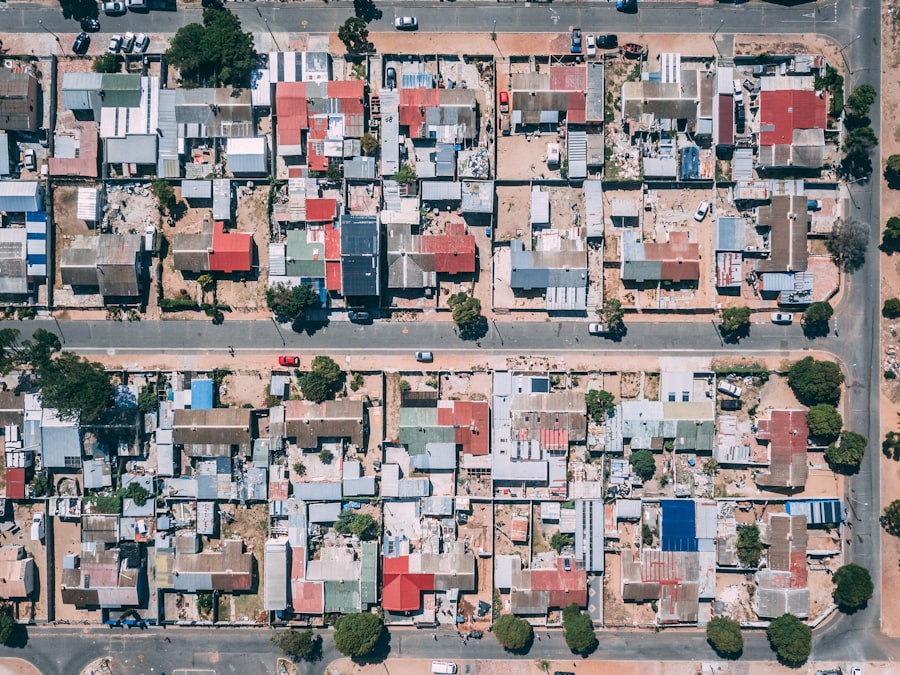
The intersection of race and housing is a critical aspect of the crisis that cannot be ignored. As you explore this topic, you may find it disheartening to learn about the historical practices that have perpetuated racial segregation and inequality in housing access. Discriminatory policies such as redlining have systematically denied communities of color opportunities for homeownership and wealth accumulation.
This legacy continues to impact generations today. You might also consider how social inequality intersects with housing issues. Factors such as income disparity, educational access, and employment opportunities all play a role in determining an individual’s ability to secure stable housing.
As you reflect on these interconnected issues, think about how addressing racial and social inequalities in housing can lead to more equitable outcomes for all members of society.
Role of Mortgage Lending Practices in the Housing Crisis
Mortgage lending practices are another critical component of the housing crisis that warrants your attention. You may find it interesting to examine how lending standards have evolved over time and how they impact access to homeownership. In recent years, there has been a push for more inclusive lending practices aimed at increasing access for marginalized communities.
However, challenges remain as discriminatory practices still persist in some areas. As you consider the implications of mortgage lending on the housing crisis, think about how predatory lending practices have disproportionately affected low-income borrowers. High-interest loans and hidden fees can trap individuals in cycles of debt and foreclosure, further exacerbating housing instability.
By understanding these lending dynamics, you can better appreciate the need for reform in mortgage practices to create a more equitable housing landscape.
Environmental and Land Use Issues in Housing
Environmental considerations are increasingly relevant in discussions about housing availability and sustainability. As you explore this topic, you may find yourself contemplating how land use policies impact both housing development and environmental conservation. Urban sprawl often leads to habitat destruction and increased carbon emissions, raising questions about sustainable growth patterns.
You might also consider how climate change affects housing stability. Natural disasters such as floods and wildfires can displace communities and create additional strain on already limited housing resources. As you reflect on these environmental challenges, think about how integrating sustainability into housing policies could lead to more resilient communities that prioritize both people and the planet.
Globalization and Housing Market Instability
In an interconnected world, globalization has profound implications for local housing markets. As you examine this phenomenon, consider how international investment flows can influence local real estate prices. Foreign buyers seeking investment opportunities often drive up costs in desirable urban areas, making it increasingly difficult for local residents to afford homes.
Additionally, global economic trends can create volatility in housing markets. Economic downturns or shifts in international trade can lead to job losses and decreased demand for housing, resulting in instability for homeowners and renters alike. As you reflect on these global dynamics, think about how local policies can adapt to mitigate the effects of globalization on housing availability.
Effects of Urbanization on Housing Availability
Urbanization is another critical factor contributing to the housing crisis you observe today. As more people flock to cities in search of better job opportunities and amenities, demand for housing continues to rise sharply. You may find it interesting to explore how rapid urbanization strains existing infrastructure and exacerbates issues related to affordability.
Moreover, consider how urban planning decisions can either alleviate or worsen housing shortages. In many cities, inadequate investment in public transportation and infrastructure can limit access to affordable housing options outside urban centers. As you reflect on these challenges posed by urbanization, think about innovative solutions that could promote sustainable growth while ensuring equitable access to housing.
Solutions and Policy Recommendations for Addressing the Housing Crisis
As you contemplate potential solutions to address the multifaceted housing crisis, it is essential to consider a range of policy recommendations that could foster positive change. One approach could involve increasing funding for affordable housing development through public-private partnerships or community land trusts. By prioritizing investment in low-income neighborhoods, you can help create sustainable communities that offer diverse housing options.
Additionally, reforming zoning laws to allow for greater density and mixed-use developments could alleviate some pressure on housing supply. You might also advocate for stronger tenant protections to prevent displacement and ensure stability for renters facing rising costs. By engaging with local policymakers and community organizations, you can play an active role in shaping solutions that address both immediate needs and long-term systemic issues within the housing market.
In conclusion, addressing the housing crisis requires a comprehensive understanding of its historical roots, economic factors, regulatory frameworks, and social inequalities. By exploring these dimensions thoughtfully, you can contribute to meaningful discussions about potential solutions that promote equity and accessibility in housing for all individuals and families.
The housing crisis has been a pressing issue in many regions, and understanding its causes is essential for finding effective solutions. For a deeper insight into the factors contributing to this crisis, you can read the article that explores various economic and social dynamics at play. Check it out here: com/sample-page/’>Housing Crisis Causes Explained.
FAQs
What are the main causes of the housing crisis?
The main causes of the housing crisis include a shortage of affordable housing, rising construction costs, increased demand due to population growth, restrictive zoning laws, and insufficient government investment in housing.
How does population growth contribute to the housing crisis?
Population growth increases the demand for housing, which can outpace the supply of available homes. When more people need housing than there are homes available, prices tend to rise, making it harder for many to afford suitable accommodation.
What role do zoning laws play in the housing crisis?
Zoning laws regulate land use and can limit the types and density of housing that can be built in certain areas. Restrictive zoning can reduce the supply of new housing, particularly affordable and multi-family units, thereby exacerbating the housing shortage.
Why are construction costs important in the housing crisis?
High construction costs, including labor, materials, and regulatory compliance, increase the overall expense of building new homes. This can discourage developers from building affordable housing and contribute to higher prices for buyers and renters.
How does government policy affect the housing crisis?
Government policies, such as subsidies, tax incentives, and investment in public housing, can either alleviate or worsen the housing crisis. Lack of sufficient support for affordable housing development and inadequate regulation of the housing market can contribute to shortages and high costs.
Can economic factors influence the housing crisis?
Yes, economic factors such as income inequality, wage stagnation, and inflation can affect people’s ability to afford housing. When incomes do not keep pace with rising housing costs, more individuals and families struggle to find affordable homes.
What impact does the housing crisis have on communities?
The housing crisis can lead to increased homelessness, overcrowding, longer commutes, and reduced economic mobility. It can also strain social services and contribute to social inequality and segregation.
Are there solutions to the housing crisis?
Solutions include increasing the supply of affordable housing through new construction and renovation, reforming zoning laws to allow for higher density, providing financial assistance to low-income renters and buyers, and implementing policies that stabilize housing markets.