You’ve likely noticed it yourself: the ever-increasing tally at the checkout counter, the shrinking contents of your shopping cart for the same amount of money. The phenomenon of the grocery price surge isn’t a figment of your imagination; it’s a global reality impacting your household budget and consumption habits. This article aims to pull back the curtain on the complex forces driving these price increases, offering you a clearer understanding of why your food bill keeps climbing. We will dissect the myriad factors, from farm to fork, that contribute to this persistent inflationary pressure, empowering you with knowledge rather than leaving you to simply wonder why your milk costs more.
Learn more about corporate control by watching this insightful video corporate control.
The journey of your groceries starts, inevitably, at the farm. What happens here lays the foundational costs that permeate through the entire supply chain. You might imagine a farmer simply tilling the soil and harvesting crops, but the reality is far more intricate, burdened by fluctuating input costs and environmental unpredictability.
Rising Input Costs for Farmers
Consider the farmer, your invisible partner in providing sustenance. They are grappling with their own inflationary pressures. You’ll be surprised by the cascading effect of seemingly unrelated global events on their daily operations.
Fertilizer Prices Soar
Fertilizer, essential for yield, is a lynchpin. Its production is energy-intensive, meaning that when energy prices, particularly natural gas (a key component for nitrogen-based fertilizers), spike, so do the costs for farmers. You are, in essence, indirectly paying for the geopolitical tremors that affect global energy markets. The war in Ukraine, for instance, significantly disrupted fertilizer supplies from major producers like Russia and Belarus, creating a bottleneck that reverberated across the agricultural world.
Pesticide and Herbicide Expenses
Just as with fertilizers, the cost of agricultural chemicals such as pesticides and herbicides has seen substantial increases. These are often petrochemical derivatives, meaning their prices are intrinsically linked to crude oil markets. When you fill up your car, you’re experiencing one facet of oil price volatility; farmers are experiencing another, significantly impacting their bottom line.
Fuel and Machinery Maintenance
Farming is a mechanized enterprise. Tractors, harvesters, and irrigation pumps all run on fuel. When crude oil prices rise, so does the cost of diesel, directly impacting the operational expenses of farms. Furthermore, the maintenance and replacement of agricultural machinery, often impacted by global supply chain disruptions for parts and increased steel prices, add another layer of cost. Think of it as a domino effect: a chipped part in a factory thousands of miles away can ultimately make your potatoes more expensive.
Labor Shortages and Wages
The agricultural sector, particularly in developed nations, often relies on a significant labor force, both skilled and seasonal. You may have heard debates about minimum wages or immigration policies; these discussions have direct implications for farm labor costs. Shortages of available workers, exacerbated by factors like an aging workforce or tighter immigration policies, push up wage demands. Farmers, to remain competitive in attracting labor, must offer higher wages, which then become integrated into the price of their produce.
Climate Change and Extreme Weather Events
Beyond direct input costs, your food’s journey is increasingly shaped by unpredictable environmental factors. Climate change isn’t just a political talking point; it’s a very real force shaping your grocery bill.
Droughts and Floods
You’ve seen the headlines: devastating droughts in one region, catastrophic floods in another. These extreme weather events are becoming more frequent and intense, directly impacting crop yields. A severe drought can decimate an entire harvest of wheat, while prolonged flooding can rot vegetable crops in the field. When supply dwindles due to adverse weather, prices inevitably rise, reflecting the scarcity. Imagine a taps running dry in a desert – the value of each drop of water skyrockets.
Impact on Livestock and Dairy
The effects aren’t limited to plant-based products. Livestock are also vulnerable. Droughts can lead to higher feed prices as pastures dry up and grain becomes scarcer, increasing the cost of raising cattle, pigs, and poultry. Heat stress can reduce milk production in dairy cows, leading to lower supply and higher prices for dairy products. You might think of a dairy cow as a milk factory, but even factories are susceptible to extreme operating conditions.
Increased Insurance Premiums
As the risks associated with farming due to climate change escalate, so do the costs of insuring against these eventualities. Farmers must pay higher premiums to protect their livelihoods from natural disasters. These increased operational costs are, in turn, factored into the wholesale price of agricultural commodities.
As consumers continue to feel the impact of rising grocery prices, it is essential to understand the factors contributing to this surge. A related article that delves into the intricacies of this issue can be found at this link. It provides valuable insights into the economic trends and supply chain challenges that are driving costs higher, helping readers navigate the complexities of their grocery bills.
The Middle Ground: Processing and Distribution Chains
Once produce leaves the farm gate, it embarks on a complex journey through various stages of processing, packaging, and distribution before it reaches your local supermarket. Each step in this intricate web adds its own cost component.
Energy Costs in Processing and Manufacturing
The transformation of raw agricultural products into the items you find on supermarket shelves is energy-intensive. Think of all the electricity and fuel required.
Operating Factories and Equipment
From milling flour to baking bread, from pasteurizing milk to freezing vegetables, almost every step in food processing requires significant energy. You’re effectively paying for the electricity that powers the assembly lines and the fuel that heats the ovens. When global energy prices surge, these operational costs rise sharply for food manufacturers, who then pass these increases on to retailers and ultimately, to you.
Packaging Materials and Production
The packaging that protects your food and makes it convenient for you to purchase also carries a cost. Plastics, cardboard, glass – all require energy-intensive manufacturing processes. Furthermore, global supply chain issues and increased demand for raw materials have driven up the prices of these packaging components. You might see a small plastic container, but imagine the journey of oil, transformed into pellets, then molded, and finally transported to the food factory.
Transportation and Logistics
Your groceries don’t magically appear on the shelves. They travel, often over vast distances, and the cost of that journey is a significant contributor to the final price.
Fuel Prices for Freight
The ubiquitous semi-trucks, cargo ships, and even air freight that move food from processors to distribution centers and then to stores are heavily reliant on fuel. When global oil prices jump, so does the cost of transporting goods. This isn’t just about the fuel in the truck; it’s about the fuel for every stage of the journey, from the farm to the store. Think of it as a river: when the source dries up, the entire downstream journey becomes more expensive.
Labor Shortages in Trucking and Warehousing
The past few years have highlighted significant labor shortages in the logistics sector, particularly among truck drivers and warehouse staff. You may have heard about delays in deliveries; these sometimes stem from a lack of personnel. To attract and retain workers, logistics companies must offer higher wages and benefits, which are then incorporated into their service fees. This inevitably adds to the overall cost of getting products to your store.
Infrastructure Costs and Delays
Port congestion, road maintenance, and investment in new warehouses all contribute to the underlying costs of transportation. Delays at ports, often due to labor issues, increased volumes, or customs processing, can lead to demurrage charges (fees for delayed ships) and increased storage costs. These inefficiencies and infrastructural demands are ultimately reflected in the retail price.
Retailer Dynamics: The Final Link in the Chain
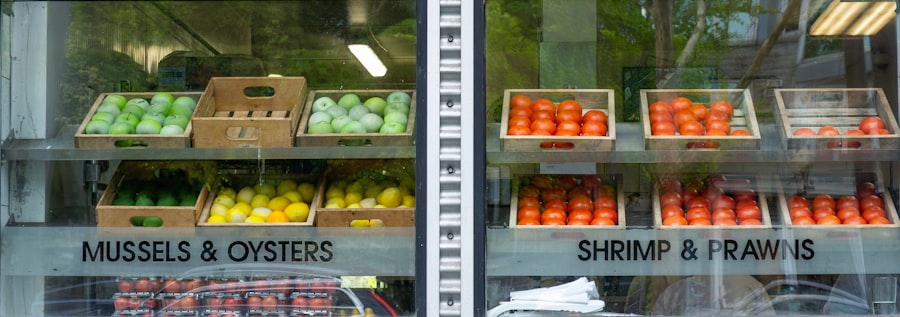
The supermarket is where your grocery journey culminates, but retailers are not immune to the economic pressures felt upstream. They face their own set of challenges that influence the prices you see on the tags.
Operating Expenses for Supermarkets
Running a grocery store is a complex operation with numerous overheads, all of which contribute to the final price of the products you buy.
Rent and Utilities
Like any business, supermarkets pay rent for their physical locations and bear substantial utility costs – electricity for refrigeration, lighting, and heating/cooling, and water for sanitation. When commercial rents increase or energy prices spike, these costs get absorbed into the supermarket’s operational budget and subsequently, into product pricing.
Labor Costs for Staff
The staff you interact with – cashiers, stockers, deli workers – are integral to the grocery shopping experience. Increases in minimum wages, competitive wage pressures, and benefits packages for employees directly impact a supermarket’s primary operating cost. You appreciate good service, but excellent service comes with a price tag.
Marketing and Technology Investments
Supermarkets invest heavily in marketing campaigns to attract you to their stores and in technology for inventory management, online ordering, and self-checkout systems. While these investments aim to improve efficiency and enhance your shopping experience, they also represent significant overheads that are built into the overall cost structure.
Shrinkage and Waste
Not all products sold make it into your bag. A certain percentage is lost or wasted, and these losses must be accounted for in pricing.
Theft and Damage
Supermarkets experience “shrinkage,” which includes losses from theft (both by customers and employees) and product damage during handling. These unforeseen losses are a significant factor impacting the profitability of stores and, as such, are implicitly factored into pricing strategies across the board. You are, in a very small way, subsidizing these losses.
Spoilage and Expiration
Perishable goods, by their nature, have a limited shelf life. Despite sophisticated inventory management systems, some products invariably spoil or expire before they can be sold. This waste, particularly for fresh produce, dairy, and meat, represents a direct financial loss for the supermarket that needs to be recuperated through the sale of other items.
Global Economic Currents and Geopolitical Tensions
Beyond the immediate supply chain, broader macroeconomic factors and international events exert a powerful, often unseen, influence on the price of your groceries. You are not just buying food; you are implicitly participating in the global economy.
Inflationary Pressures and Monetary Policy
The general economic climate plays a huge role. When you hear about central banks raising interest rates, it’s not just about mortgages; it’s about controlling the broader price increases affecting everything, including your food.
Money Supply and Demand
When there’s a significant increase in the money supply, either through government stimulus or loose monetary policies, there is more money chasing the same amount of goods and services. This classic economic principle of “too much money chasing too few goods” leads to inflation. You’ve likely experienced the aftermath of pandemic-era stimulus measures contributing to this scenario.
Interest Rate Hikes
Central banks around the world have raised interest rates to combat inflation. While this aims to cool down the economy, it also increases the cost of borrowing for businesses, including farms, processors, and retailers. You might not see a direct link, but higher interest rates translate to higher operating costs for these businesses, which are then passed on to you.
Currency Fluctuations and Trade Policies
The strength of your local currency and international trade agreements can significantly alter import costs.
Impact on Imported Goods
If your country imports a significant amount of food (e.g., coffee, tropical fruits, certain grains), the strength of your domestic currency relative to the currency of the exporting country is crucial. If your currency weakens, imported goods become more expensive. You’re effectively paying more for the same product just because the exchange rate has shifted.
Tariffs and Trade Barriers
Government trade policies, including tariffs (taxes on imported goods) and non-tariff barriers (like import quotas or complex regulations), can directly increase the cost of food. These measures, often implemented to protect domestic industries or for geopolitical reasons, add an additional layer of expense that is ultimately borne by the consumer. Imagine a gatekeeper at a border demanding an extra toll; that toll translates to a higher price for you.
As consumers continue to feel the impact of rising grocery prices, understanding the factors behind this surge has become increasingly important. A related article offers an insightful analysis of the economic trends contributing to these changes, which can help shoppers make informed decisions during their grocery trips. For a deeper dive into this topic, you can read more in the article found at How Wealth Grows. This resource provides valuable information that can aid in navigating the complexities of today’s grocery market.
Changing Consumer Demands and Preferences
| Category | Price Increase (%) | Contributing Factors | Impact on Consumer Spending (%) |
|---|---|---|---|
| Fresh Produce | 12 | Supply chain disruptions, weather conditions | 8 |
| Dairy Products | 9 | Feed costs, transportation expenses | 6 |
| Meat & Poultry | 15 | Labor shortages, increased feed prices | 10 |
| Grains & Cereals | 7 | Global demand, export restrictions | 5 |
| Packaged Foods | 10 | Packaging costs, energy prices | 7 |
While many factors seem external to your choices, your evolving preferences as a consumer also play a subtle, yet significant, role in shaping grocery prices. What you choose to buy, and how you value it, influences the market.
Shift Towards Premium and Organic Products
There’s a growing awareness and demand for certain types of products, leading to different pricing structures.
Higher Production Costs for Organics
You are increasingly seeking out organic, free-range, or ethically sourced products. While commendable, these often come with higher production costs. Organic farming, for instance, typically involves more labor-intensive methods and eschews synthetic fertilizers and pesticides, which can result in lower yields per acre. You are, in essence, paying a premium for a different set of farming practices.
Demand for Convenience Foods
In our fast-paced lives, convenience often trumps cost. Pre-cut vegetables, ready-to-eat meals, and single-serving portions command higher prices because of the additional processing, packaging, and labor involved in their preparation. You value saving time, and that time-saving comes with a financial cost built into the product.
Increased Food Waste at the Consumer Level
Paradoxically, while you lament higher prices, you also contribute to a significant amount of food waste, which indirectly keeps prices elevated.
Impact of Over-purchasing and Spoilage
When you buy more than you need, or fail to consume food before it spoils, that wasted food still represents resources (land, water, labor, energy) that went into its production. These losses are factored into the overall cost structure within the food system. Think of it as a bucket with a slow leak; despite your best efforts to fill it, some water is always lost. Your individual waste may seem small, but collectively, it’s a colossal amount.
Consequences for Supply and Demand
If a significant portion of food produced is wasted, it means that the effective supply meeting actual consumption is lower than the initial production. This artificial scarcity can contribute to higher prices, as producers and retailers must account for these losses in their pricing models to remain viable.
In conclusion, the grocery price surge you observe is not a singular event but a confluence of interconnected factors spanning the entire supply chain, from the soil under the farmer’s feet to the global economic winds. You are a participant in a complex system, and understanding these drivers—rising input costs, environmental challenges, logistical bottlenecks, retail overheads, macroeconomic pressures, and even changes in your own consumption habits—provides a fuller picture of why your grocery bill continues its upward trajectory. Armed with this knowledge, you are better equipped to comprehend, adapt to, and perhaps even influence, the future of food economics.
FAQs
What is causing the recent surge in grocery prices?
The surge in grocery prices is primarily due to a combination of factors including supply chain disruptions, increased transportation costs, labor shortages, and higher prices for raw materials and commodities.
How much have grocery prices increased recently?
Grocery prices have seen varying increases depending on the region and product category, with some staples like meat, dairy, and fresh produce experiencing price hikes ranging from 5% to over 15% in recent months.
Are all grocery items affected equally by the price surge?
No, not all grocery items are affected equally. Perishable goods such as fresh fruits, vegetables, meat, and dairy tend to see higher price increases compared to non-perishable items due to their sensitivity to supply chain issues.
How do supply chain disruptions impact grocery prices?
Supply chain disruptions, such as delays in shipping, port congestion, and shortages of transportation workers, increase the cost and time required to get products from producers to stores, which in turn raises grocery prices.
What role does inflation play in grocery price increases?
Inflation contributes to grocery price increases by raising the overall cost of goods and services, including food production, transportation, and labor, which retailers then pass on to consumers.
Can consumers expect grocery prices to stabilize soon?
While some stabilization may occur as supply chains adjust and inflation pressures ease, experts suggest that grocery prices may remain elevated in the near term due to ongoing global economic uncertainties.
How can consumers manage the impact of rising grocery prices?
Consumers can manage rising grocery prices by budgeting carefully, buying in bulk when possible, choosing store brands, shopping sales and discounts, and focusing on seasonal and locally sourced products which may be less expensive.
Are there any government measures to address grocery price increases?
Some governments have implemented measures such as subsidies, price controls, or support for supply chain improvements to help mitigate grocery price increases, but the effectiveness and scope of these measures vary by country.