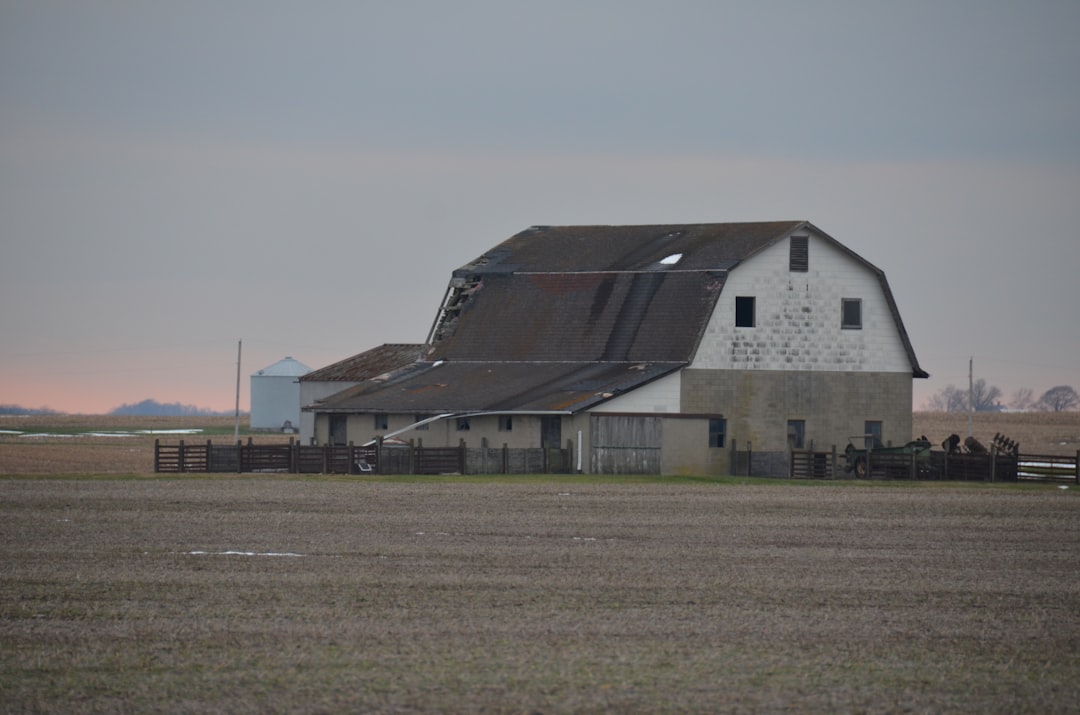
The farmland real estate market has experienced significant decline, affecting agricultural and rural communities. This downturn reflects a combination of economic, social, and environmental factors that influence agricultural practices and rural development. Understanding these market dynamics is important for farmers, investors, and policymakers, as decisions made during this period can impact agricultural livelihoods and food production capacity.
Recent decreases in farmland values have prompted analysis of underlying causes and potential consequences. Several interconnected factors have contributed to this market decline, with effects extending across the agricultural sector and related industries. The farmland market downturn demonstrates the inherent instability of agricultural real estate values and underscores the importance of strategic planning and adaptive management practices for those operating within this sector.
Investing in farmland investment can provide sustainable returns and long-term growth opportunities.
Key Takeaways
- Farmland real estate crash is driven by factors like market speculation, changing government policies, and economic pressures on farmers.
- The crash significantly impacts farmers’ livelihoods and the broader agricultural industry, leading to financial instability.
- Rural communities face economic decline and social challenges as farmland values drop and investment wanes.
- Long-term implications include shifts in land ownership patterns and potential changes in agricultural production.
- Mitigation strategies involve policy reforms, sustainable investment approaches, and support systems for affected farmers.
Factors Contributing to the Farmland Real Estate Crash
Several factors have converged to create a perfect storm for farmland real estate, and understanding these elements is crucial for grasping the current landscape. One of the primary contributors is the fluctuation in commodity prices. As you may know, when prices for crops like corn and soybeans drop, farmers often struggle to maintain profitability.
This financial strain can lead to increased pressure on farmland values, as potential buyers become wary of investing in properties that may not yield sufficient returns. Additionally, rising interest rates have played a significant role in the farmland real estate crash. As borrowing costs increase, many farmers find it challenging to secure loans for purchasing land or investing in improvements.
This tightening of credit can lead to decreased demand for farmland, further exacerbating the decline in property values. You might also consider how external economic factors, such as trade policies and global market dynamics, have influenced local agricultural economies, creating a ripple effect that impacts farmland prices.
Impact on Farmers and Agricultural Industry
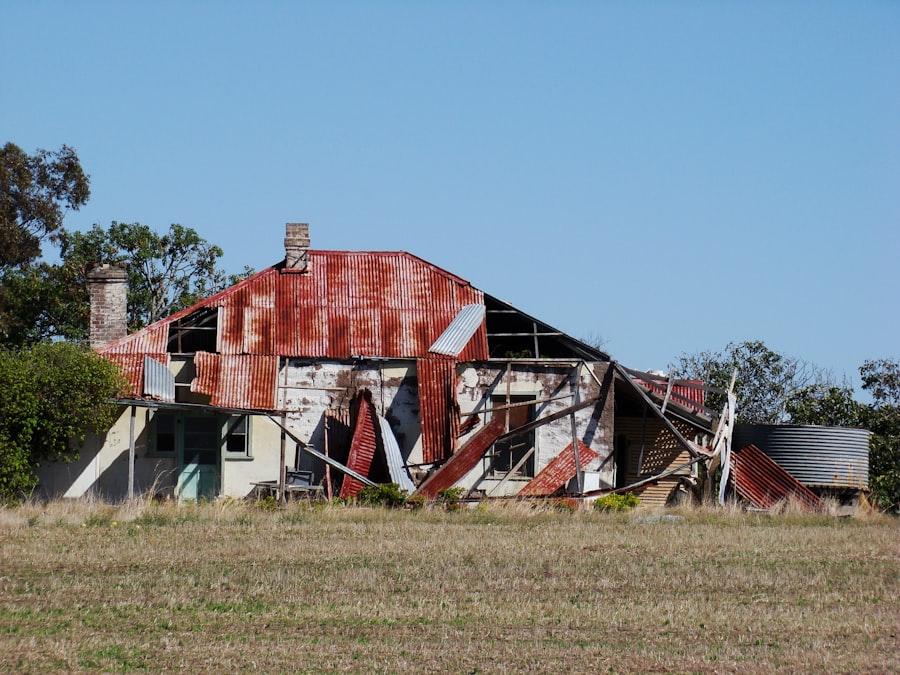
The ramifications of the farmland real estate crash extend far beyond mere numbers on a balance sheet; they profoundly affect farmers and the agricultural industry as a whole. For many farmers, their land represents not only an investment but also their livelihood. When farmland values plummet, it can lead to financial distress, forcing some farmers to make difficult decisions about their operations.
You may find it alarming that many are compelled to sell their land or reduce their farming activities, which can have long-term consequences for food production and rural economies. Moreover, the agricultural industry faces challenges related to supply chains and market stability. As you consider the interconnectedness of farming operations, you will realize that a decline in farmland values can lead to reduced investment in agricultural technology and infrastructure.
This stagnation can hinder innovation and efficiency within the sector, ultimately affecting food availability and prices for consumers. The impact on farmers is not just immediate; it can create a cycle of decline that reverberates through communities and economies.
Government Policies and Regulations
Government policies and regulations play a pivotal role in shaping the farmland real estate market. As you explore this aspect, you will discover that various programs aimed at supporting farmers can either mitigate or exacerbate the effects of a real estate crash. For instance, subsidies and grants can provide much-needed financial relief during tough times, helping farmers weather economic storms.
However, if these policies are not well-designed or adequately funded, they may fall short of addressing the underlying issues contributing to the crash.
You might consider how restrictive policies can limit development opportunities for farmers, making it difficult for them to capitalize on their investments.
Conversely, policies that promote sustainable land use and conservation can enhance the long-term viability of farmland, potentially stabilizing its value. As you reflect on these dynamics, it becomes clear that effective government intervention is essential for fostering a resilient agricultural sector.
Role of Speculation and Investment
| Metric | Description | Recent Trend | Impact on Farmland Real Estate |
|---|---|---|---|
| Land Prices | Average cost per acre of farmland | Declined by 15% over the past 12 months | Decreased investor confidence and reduced asset values |
| Interest Rates | Cost of borrowing for farmland purchases | Increased from 3% to 6% in the last year | Higher financing costs leading to lower demand |
| Crop Prices | Market prices for major crops like corn and soybeans | Fell by 10% due to oversupply and global market shifts | Reduced farm income, impacting land value |
| Farmland Sales Volume | Number of farmland transactions completed | Dropped by 20% compared to previous year | Lower liquidity in the farmland market |
| Farm Income | Average net income from farming operations | Decreased by 12% due to lower crop prices and higher costs | Less capital available for land investment |
| Government Subsidies | Financial support provided to farmers | Stable but insufficient to offset losses | Limited cushioning effect on farmland values |
Speculation has long been a driving force in real estate markets, and farmland is no exception. As you examine this aspect of the farmland real estate crash, you will find that speculative investments can create artificial inflation in land prices. Investors seeking quick profits may drive up values beyond what is sustainable based on agricultural productivity alone.
When market corrections occur, these inflated prices can lead to sharp declines, leaving both investors and farmers vulnerable. Moreover, the influx of institutional investors into farmland markets has changed the landscape significantly. You may notice that these entities often prioritize short-term gains over long-term sustainability, which can lead to practices that are detrimental to local farming communities.
The focus on maximizing returns can overshadow the importance of responsible stewardship of land resources. Understanding this interplay between speculation and investment is crucial for navigating the complexities of farmland real estate.
Effects on Rural Communities

The effects of the farmland real estate crash extend deeply into rural communities, where agriculture often serves as the backbone of local economies. As you consider this impact, you will recognize that declining farmland values can lead to reduced tax revenues for local governments. This loss of funding can hinder essential services such as education, infrastructure maintenance, and public safety—services that are vital for community well-being.
Furthermore, when farmers face financial difficulties due to falling land values, it can lead to increased unemployment and economic instability within rural areas. You might find it concerning that small businesses reliant on agricultural spending may also suffer as farmers cut back on purchases. The ripple effect can create a cycle of decline that threatens the very fabric of rural life.
As you reflect on these challenges, it becomes evident that addressing the farmland real estate crash requires a holistic approach that considers both economic and social dimensions.
Long-Term Implications for Farmland Real Estate
The long-term implications of the farmland real estate crash are profound and multifaceted. As you contemplate these consequences, you may realize that a significant decline in farmland values could deter future investment in agriculture. Potential investors may become hesitant to enter a market perceived as unstable or risky, leading to a lack of innovation and modernization within the sector.
Additionally, the environmental impact cannot be overlooked. You might consider how reduced investment in sustainable practices could exacerbate issues such as soil degradation and water scarcity. The long-term health of agricultural ecosystems is intricately linked to land values; when those values decline, so too does the incentive for responsible land management.
As you explore these implications further, it becomes clear that addressing the root causes of the farmland real estate crash is essential for ensuring a sustainable future for agriculture.
Strategies for Mitigating the Farmland Real Estate Crash
To navigate the challenges posed by the farmland real estate crash effectively, various strategies can be employed by stakeholders across the agricultural spectrum. As you explore these strategies, you may find that fostering collaboration among farmers, investors, policymakers, and community leaders is crucial for developing comprehensive solutions.
Education and outreach programs can also play a vital role in mitigating the effects of a real estate crash. You might consider how providing farmers with access to resources on financial management and sustainable practices can empower them to make informed decisions about their operations. Additionally, promoting awareness about market trends and potential risks can help investors make more prudent choices when entering the farmland market.
Case Studies of Farmland Real Estate Crashes
Examining case studies of past farmland real estate crashes can provide valuable insights into patterns and potential solutions. As you analyze these examples, you may find common threads that highlight both successful recovery efforts and cautionary tales of mismanagement. For instance, looking at historical crashes in regions like the Midwest during the 1980s reveals how economic downturns combined with high-interest rates led to widespread financial distress among farmers.
In contrast, some regions have successfully navigated downturns by implementing innovative policies aimed at stabilizing land values and supporting local agriculture. You might explore how community-driven initiatives focused on sustainable farming practices have helped revitalize struggling areas by attracting new investments while preserving local resources. These case studies serve as important reminders that while challenges abound in farmland real estate markets, there are also opportunities for resilience and recovery.
Expert Opinions and Predictions for the Future
As you seek to understand the future trajectory of farmland real estate markets, expert opinions can provide valuable perspectives on potential outcomes. Analysts often emphasize the importance of adapting to changing market conditions by embracing technology and sustainable practices within agriculture. You may find it encouraging that many experts believe there is still significant potential for growth in certain regions if stakeholders prioritize responsible investment strategies.
However, caution is warranted as well; experts warn that without addressing underlying issues such as climate change impacts and economic volatility, future crashes could be inevitable. You might consider how ongoing discussions about food security and environmental sustainability will shape policy decisions moving forward—ultimately influencing both farmland values and agricultural practices.
Navigating the Farmland Real Estate Market
In conclusion, navigating the complexities of the farmland real estate market requires a multifaceted approach that considers economic realities alongside social and environmental factors. As you reflect on this topic, it becomes clear that understanding the causes and consequences of the farmland real estate crash is essential for all stakeholders involved—farmers, investors, policymakers, and community members alike. By fostering collaboration among these groups and prioritizing sustainable practices, there is potential not only to mitigate current challenges but also to build a more resilient agricultural sector for future generations.
As you move forward in your exploration of this critical issue, remember that informed decision-making rooted in collaboration will be key to navigating an ever-evolving landscape in farmland real estate.
The recent fluctuations in farmland real estate have raised concerns among investors and farmers alike, prompting discussions about the potential for a crash in this sector. For a deeper understanding of the factors influencing farmland values and the implications of a possible downturn, you can read a related article on this topic at How Wealth Grows. This resource provides valuable insights into the economic trends affecting agricultural land and offers guidance for navigating the complexities of farmland investment.
WATCH THIS! The Gold Rush is Over. Now, the Dirt Rush is ON. 🚜💰
FAQs
What causes a farmland real estate crash?
A farmland real estate crash is typically caused by a combination of factors such as declining commodity prices, rising interest rates, reduced farm income, changes in government policies, and broader economic downturns that reduce demand for agricultural land.
How does a farmland real estate crash affect farmers?
A crash in farmland real estate values can reduce farmers’ equity and borrowing power, making it harder to finance operations or invest in improvements. It may also lead to financial stress or bankruptcy for those heavily leveraged on land assets.
Can farmland real estate values recover after a crash?
Yes, farmland values can recover over time, especially if commodity prices improve, interest rates stabilize, and economic conditions become more favorable. Recovery periods vary depending on the severity of the crash and underlying market fundamentals.
What role do interest rates play in farmland real estate crashes?
Rising interest rates increase borrowing costs, which can reduce demand for farmland and lower land values. Higher rates also make it more expensive for farmers to finance land purchases or refinance existing debt, contributing to downward pressure on prices.
Are farmland real estate crashes common?
Farmland real estate crashes are relatively rare compared to other real estate sectors but can occur during periods of significant economic stress or agricultural downturns. Historically, farmland values tend to be more stable but are not immune to market corrections.
How can investors protect themselves from a farmland real estate crash?
Investors can mitigate risk by diversifying their portfolios, avoiding excessive leverage, staying informed about agricultural market trends, and considering long-term fundamentals rather than short-term price fluctuations.
What impact does government policy have on farmland real estate values?
Government policies such as subsidies, tax incentives, land use regulations, and trade agreements can significantly influence farmland values by affecting farm profitability and demand for agricultural products.
Is farmland a good long-term investment despite the risk of crashes?
Farmland has historically been a solid long-term investment due to its productive nature and limited supply. However, like all investments, it carries risks including market volatility, weather events, and economic changes that can lead to price declines.