
You’ve likely noticed your grocery bill steadily climbing, a trend that’s become a significant concern for households globally. It’s not just a fleeting phenomenon; rather, it’s a complex interplay of economic forces converging to exert upward pressure on food costs. This article will dissect these factors, allowing you to understand the intricate web that determines the price you pay at the checkout.
Learn more about corporate control by watching this insightful video corporate control.
Imagine a small village with a limited supply of a staple crop. Suddenly, the village population doubles. What happens to the price of that crop? It inevitably rises. This simple scenario mirrors the larger global picture, where burgeoning populations and evolving dietary preferences are creating a persistent upward pull on food prices.
Population Growth and Dietary Shifts
You’re a part of a global population that’s continuously expanding. The United Nations projects the world population to reach 9.7 billion by 2050. More mouths to feed inherently translates to a greater demand for food. This isn’t just about sheer numbers; it’s also about a shift in consumption patterns. As economies develop and incomes rise in many parts of the world, populations often transition towards diets richer in protein, fruits, and vegetables. This “dietary transition” places additional strain on agricultural systems, as producing meat, for instance, requires significantly more resources (land, water, feed) than producing grains.
- Emerging Economies and Protein Consumption: Countries experiencing rapid economic growth, particularly in Asia, have seen a dramatic increase in per capita meat consumption. This surge in demand for animal products directly impacts the price of feed grains, which in turn influences meat prices. You might think of it as a ripple effect, where a stone dropped in one part of the world creates waves that eventually reach your local supermarket.
- Urbanization and Convenience Foods: The global trend towards urbanization also contributes to changing demand. City dwellers often have less time for meal preparation and gravitate towards processed and convenience foods, which can be more expensive to produce due to additional processing, packaging, and marketing costs. You’re essentially paying for the convenience, a premium that adds to the overall food bill.
Increased Competition for Resources
The land, water, and energy required to produce food are not infinite. As demand for food intensifies, so too does the competition for these vital resources from other sectors.
- Biofuel Production: The drive towards renewable energy sources has led to an increased demand for crops like corn and sugarcane for biofuel production. This diverts valuable agricultural land and resources away from food production, effectively creating competition for the same raw materials. Imagine a farmer who can get a higher price for their corn to be used in ethanol than for feeding livestock; the economic incentive is clear, and the impact on food prices is undeniable.
- Land Use for Non-Food Crops: You see agricultural land being converted for urban development, infrastructure projects, and even luxury resorts. This “land grab” reduces the total area available for food cultivation, pushing up the value of remaining agricultural land and, consequently, the cost of food produced on it. It’s like squeezing a given amount of bread into a smaller pan; the pressure increases.
The rising grocery prices have become a significant concern for many households, and a recent article explores the various factors contributing to this trend. From supply chain disruptions to increased transportation costs, the article delves into the complexities of the food supply system. For a comprehensive analysis of why grocery prices are so high right now, you can read more in this insightful piece at How Wealth Grows.
The Broken Chain: Supply Chain Disruptions
Even if there’s enough food to go around, getting it from the farm to your fork is a logistical marvel. When this intricate global supply chain breaks down, the consequences are immediate and often painful for your wallet. Think of the supply chain as a carefully constructed bridge; if a vital support beam is damaged, the entire structure is compromised.
Geopolitical Instability and Conflict
Wars and political unrest, particularly in major agricultural regions, can have devastating effects on global food supplies.
- Impact on Production and Exports: Conflicts can disrupt planting seasons, destroy crops and infrastructure, and prevent farmers from accessing essential inputs like fertilizer and fuel. When a major food-producing region is embroiled in conflict, its ability to export commodities like grains or oils is severely hampered, leading to global shortages and price surges. You saw this acutely with the conflict in Ukraine, a breadbasket of Europe, which significantly impacted global wheat and sunflower oil prices.
- Trade Restrictions and Sanctions: Geopolitical tensions can also lead to trade restrictions, tariffs, and sanctions that further impede the flow of food products. These measures, while often intended to exert political pressure, inadvertently contribute to higher food costs for consumers by limiting market access and increasing transaction expenses. It’s like trying to navigate a maze with deliberately placed roadblocks.
Extreme Weather Events and Climate Change
The increasing frequency and intensity of extreme weather events, fueled by climate change, are a major source of volatility in agricultural production. You’re witnessing these events play out on a global scale.
- Droughts, Floods, and Heatwaves: Prolonged droughts can decimate crops and livestock, leading to reduced yields and higher prices. Conversely, severe floods can destroy fields, contaminate water sources, and disrupt transportation networks. Heatwaves can stress crops and farm animals, leading to reduced productivity. These events are not isolated incidents but rather recurring threats that make agricultural planning and forecasting increasingly difficult. Imagine a farmer facing the repeated threat of their entire harvest being wiped out; the uncertainty they face is immense.
- Impact on Specific Commodities: Certain regions specialize in particular crops, making them especially vulnerable to localized weather extremes. For example, a frost in Brazil can significantly impact global coffee prices, while a drought in California can affect the cost of fruits and vegetables. You’re indirectly paying for the climate risks faced by farmers hundreds or thousands of miles away.
Labor Shortages and Transportation Woes
Even with ample produce, getting it to your grocery store relies heavily on human labor and efficient transportation. Both have faced significant challenges.
- Agricultural Labor Shortages: Many agricultural sectors, particularly in developed nations, rely on seasonal migrant workers. Pandemic-related travel restrictions, stricter immigration policies, and changing demographics have led to significant labor shortages at various stages of the food production process, from harvesting to processing. When there aren’t enough hands to pick the crops, some produce goes to waste, and the cost of the remaining harvest naturally increases.
- Rising Fuel and Shipping Costs: The cost of transporting food has soared due to fluctuating fuel prices, driver shortages, and port congestion. Global shipping containers, once relatively inexpensive, saw their prices skyrocket during the pandemic due to increased demand and logistical bottlenecks. For you, this means that the cost of delivering goods from international suppliers, or even from farms within your own country, has become more expensive, and that cost is ultimately passed on to you, the consumer. It’s like the toll booth on the highway to your food has unexpectedly increased its fees.
The Invisible Tax: Inflationary Pressures
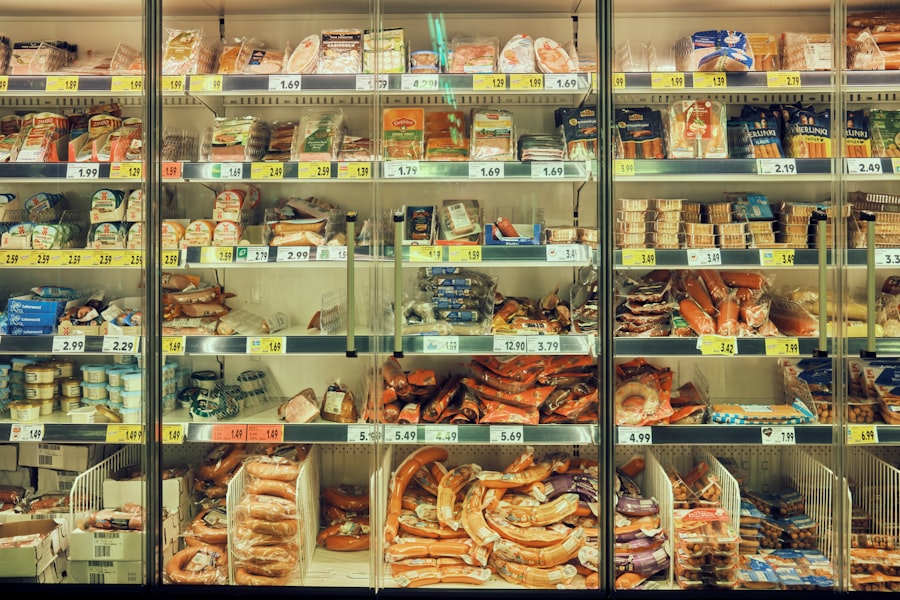
Inflation is often described as the “invisible tax” because it erodes the purchasing power of your money without any direct levy. It’s a broad economic phenomenon that impacts the cost of almost everything, and groceries are certainly not immune.
Monetary Policy and Money Supply
Central banks typically manage monetary policy to influence economic activity. During periods of economic uncertainty or recession, they may implement policies designed to stimulate the economy, such as lowering interest rates or engaging in quantitative easing (printing more money). While these measures can boost demand, they also carry the risk of fueling inflation.
- Excess Money Chasing Fewer Goods: When there’s a significant increase in the money supply without a corresponding increase in the supply of goods and services, the value of each unit of currency decreases. This means you need more money to buy the same amount of goods, including groceries. It’s like having more tickets for a limited number of seats; the value of each ticket diminishes.
- Government Spending and Deficits: Large-scale government spending programs, especially when financed through borrowing, can also contribute to inflationary pressures by injecting more money into the economy. While these programs may be designed to address specific societal needs, their impact on the money supply can be a factor in rising prices.
Energy Costs: The Unseen Ingredient
Almost every step of the food production and distribution process, from planting and harvesting to processing, packaging, and transportation, relies heavily on energy. When energy prices surge, the cost of producing and delivering food inevitably follows.
- Fuel for Farm Machinery and Transportation: Tractors, harvesters, and trucks all run on fuel. When crude oil prices rise, so does the cost of this vital input for farmers and logistics companies. This direct correlation means you’re essentially paying for the energy used to bring your food to market.
- Energy for Processing and Refrigeration: Food processing plants and retail stores require significant amounts of electricity and natural gas for operations like milling, baking, freezing, and refrigeration. Higher energy costs for these facilities translate directly into higher prices for the packaged goods you purchase. Think of it as a hidden surcharge embedded in every item that requires refrigeration or processing.
Labor Costs and Wage Increases
The cost of labor is a significant component of food production and distribution expenses. Increases in wages, while beneficial for workers, can also contribute to higher prices for consumers if they outpace productivity growth.
- Minimum Wage Hikes: Increases in minimum wage rates directly impact agricultural workers, food processing plant employees, and grocery store staff. While these increases aim to provide a living wage, they simultaneously raise the operational costs for businesses, which are often passed on to consumers.
- Demand for Skilled Labor: In certain specialized areas of the food industry, a shortage of skilled labor can drive up wages. This applies to everything from agricultural machinery operators to food scientists and logistics managers. When the demand for specific skills exceeds the available talent pool, employers must offer higher compensation, which adds to the overall cost of goods.
Market Dynamics and Corporate Practices
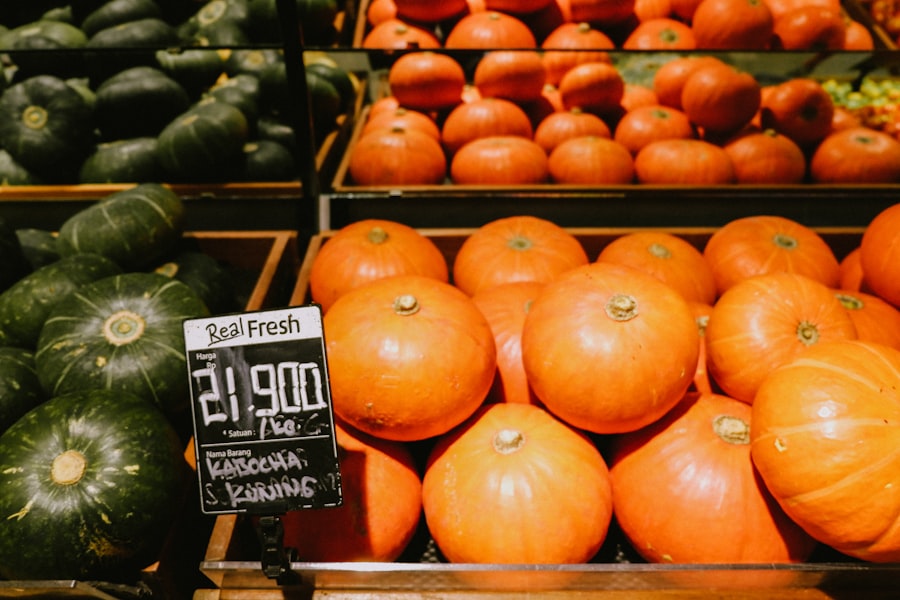
Beyond the macroeconomic forces, the structure of the market itself and the practices of corporations within it also play a role in shaping grocery prices. It’s not just a free-flowing river; there are dams and diversions created by market forces.
Consolidation and Oligopolies
You might notice that the number of major players in industries like grocery retail and food processing has shrunk over the years. This phenomenon, known as consolidation, can have significant implications for pricing.
- Reduced Competition: In markets dominated by a few large firms (oligopolies), there is less competitive pressure to keep prices low. These companies may have more leverage to set prices, as consumers have fewer alternative options. Think of it as having only a couple of gas stations in a town; they have less incentive to undercut each other’s prices.
- Mergers and Acquisitions: When large companies merge, it often leads to even greater market concentration, potentially reducing choices for suppliers and consumers alike. This can create a scenario where larger entities have more power to dictate terms, including pricing, to their partners and customers.
Supply Chain Bottlenecks and Hoarding
While not a widespread or sustained phenomenon, sometimes specific market dynamics can exacerbate price increases.
- “Just-in-Time” Inventory Failures: Many industries adopted “just-in-time” inventory systems to minimize storage costs. While efficient in stable times, this approach leaves supply chains vulnerable to disruptions. When a bottleneck occurs – a port closure, a factory shutdown – the lack of buffer stock quickly translates into shortages and higher prices. You experienced this during the pandemic with various shortages.
- Speculation and Hoarding: In times of perceived scarcity or impending price increases, some actors in the supply chain might engage in speculative buying or hoarding of commodities. This can artificially reduce available supply, driving prices even higher. While difficult to prove widespread malicious intent, these actions can play a role in escalating costs during times of uncertainty.
Many consumers are feeling the pinch of rising grocery prices, which can be attributed to several factors including supply chain disruptions and increased production costs. For a deeper understanding of the economic forces at play, you can read a related article that explores these issues in detail. The insights provided can help shed light on why your weekly shopping bill may be higher than expected. To learn more, check out this informative piece here.
The Consumer’s Role and Response
| Factor | Description | Impact on Grocery Prices | Example Metrics |
|---|---|---|---|
| Supply Chain Disruptions | Delays and shortages in transportation and logistics | Increased costs due to scarcity and delays | Shipping delays up 20%, port congestion increased by 30% |
| Inflation | General rise in prices across the economy | Higher costs for raw materials and labor | Inflation rate around 6-8% annually |
| Labor Shortages | Fewer workers available in farming, processing, and retail | Increased wages and reduced productivity | Labor costs increased by 10-15% |
| Energy Costs | Higher prices for fuel and electricity | Increased production and transportation expenses | Energy prices up 25% year-over-year |
| Weather and Climate Events | Extreme weather affecting crop yields | Reduced supply leading to higher prices | Crop yields down 10-20% in affected regions |
| Increased Demand | Higher consumer demand for groceries | Pressure on supply chains and prices | Grocery sales volume increased by 5-7% |
You, the consumer, are not merely a passive recipient of these price increases. Your choices and awareness can, to some extent, influence market dynamics. Understanding the forces at play enables more informed decisions.
Changing Consumer Behavior
High prices inevitably lead to shifts in purchasing habits.
- Trading Down and Value Brands: When faced with higher prices, you might opt for store brands or generic products instead of premium brands. This “trading down” effect puts pressure on branded products to remain competitive.
- Meal Planning and Waste Reduction: Many consumers respond to higher grocery bills by becoming more conscious of meal planning, reducing food waste, and cooking more at home instead of dining out. These individual adjustments, collectively, can influence overall demand for certain categories of food.
- Increased Demand for Budget-Friendly Options: There’s a noticeable increase in demand for budget-friendly alternatives like lentils, beans, and cheaper cuts of meat, reflecting a broader effort to mitigate the impact of rising costs on household budgets.
Policy Interventions and Future Outlook
Governments and international organizations are grappling with how to address the underlying causes of high food prices.
- Strategic Reserves and Subsidies: Some governments maintain strategic food reserves to stabilize prices during shortages or provide subsidies to farmers to encourage production. However, these interventions can be costly and sometimes distort market signals.
- Investment in Sustainable Agriculture: Long-term solutions often involve investments in sustainable agricultural practices to improve yields, resilience to climate change, and resource efficiency. You’ll likely see increasing focus on technologies like vertical farming, precision agriculture, and drought-resistant crops.
- International Cooperation: Addressing global food price volatility requires international cooperation to manage trade, humanitarian aid, and climate change mitigation efforts. No single nation can solve this complex global challenge alone.
In conclusion, the high grocery prices you’re encountering are not a simple issue with a single cause. They are a multifaceted problem driven by the relentless pressure of rising global demand, the fragility of a complex supply chain continuously interrupted by geopolitical events and climate change, and the pervasive effects of inflation. By understanding these interconnected factors, you are better equipped to navigate the current economic landscape and appreciate the intricate journey your food takes from farm to table.
FAQs
Why are grocery prices higher than usual right now?
Grocery prices are higher due to a combination of factors including supply chain disruptions, increased transportation costs, labor shortages, and higher prices for raw materials and commodities.
How do supply chain issues affect grocery prices?
Supply chain disruptions can lead to delays and shortages of products, which reduce supply and increase costs for retailers. These increased costs are often passed on to consumers in the form of higher prices.
Has inflation contributed to rising grocery prices?
Yes, inflation has played a significant role in increasing grocery prices. As the general price level rises, the cost of food production, transportation, and retail operations also increases, leading to higher prices at the store.
Are labor shortages impacting grocery prices?
Labor shortages in farming, processing, transportation, and retail sectors have led to increased wages and operational challenges, which contribute to higher grocery prices.
Do weather conditions affect grocery prices?
Adverse weather events such as droughts, floods, and storms can damage crops and reduce yields, leading to lower supply and higher prices for affected food items.
Is increased demand influencing grocery prices?
In some cases, increased consumer demand for certain products can strain supply and contribute to price increases, especially if supply cannot keep up with demand.
Are transportation costs a factor in grocery price increases?
Yes, rising fuel prices and transportation bottlenecks increase the cost of moving goods from producers to retailers, which can lead to higher grocery prices.
Will grocery prices go down soon?
Price trends depend on multiple factors including supply chain improvements, inflation rates, labor market conditions, and weather. While some prices may stabilize or decrease, others may remain high until underlying issues are resolved.