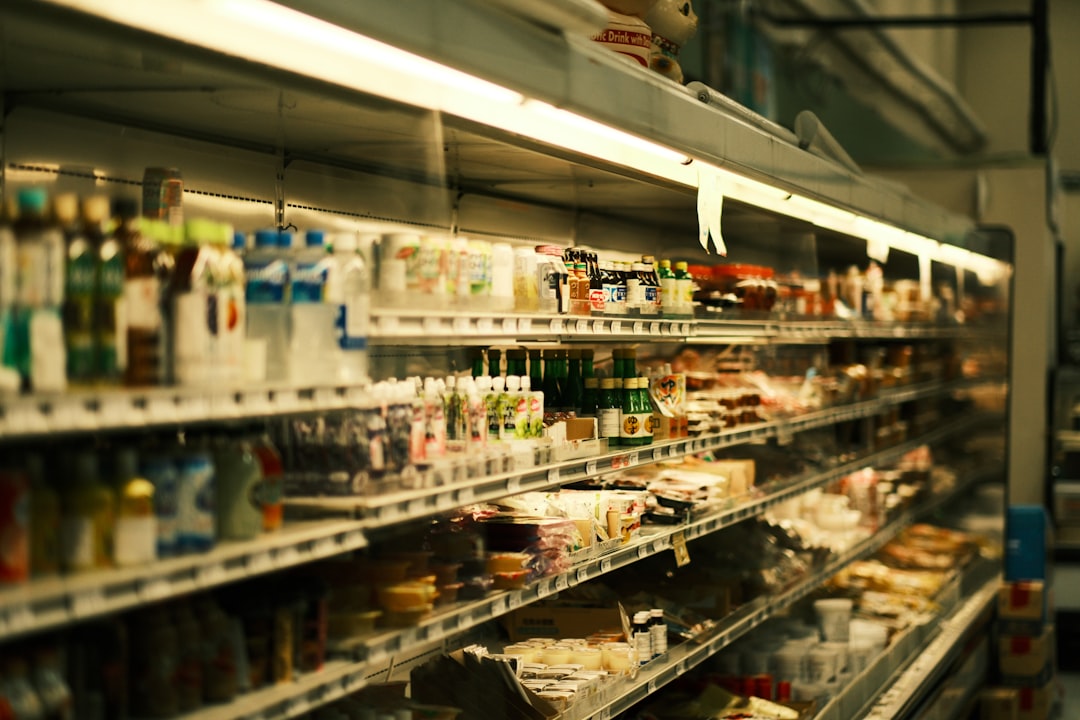
You’ve likely noticed the changing landscape of your local grocery store. Perhaps a familiar chain has vanished, replaced by a new banner, or an independent grocer has shuttered its doors for good. While numerous factors contribute to the challenging retail environment, one often-overlooked yet significant player in this narrative is private equity. To truly understand the dynamics at play, you must delve into the strategies and impacts of private equity firms on the grocery sector.
You might envision private equity as a financial architect, acquiring companies with the intent of optimizing their structure and operations before reselling them. In the grocery world, this often translates into a complex series of maneuvers that can either revitalize a struggling enterprise or, conversely, accelerate its demise. Learn how to maximize your 401k retirement savings effectively with this comprehensive guide.
When a private equity firm decides to acquire a grocery chain, you need to understand their typical playbook. It’s not an act of charity; it’s a calculated investment.
Identifying Targets: The Due Diligence Phase
Before you even hear a whisper of a deal, extensive due diligence takes place. You’ll find that private equity firms are looking for specific characteristics.
- Underperforming but Potentially Valuable Assets: They seek chains with strong brand recognition, established customer bases, or attractive real estate, even if operational inefficiencies are weighing them down. Think of it as buying a diamond in the rough.
- Sector Consolidation Opportunities: Merging smaller, regional chains can create economies of scale and increased market power. You might see two struggling brands combined to form a more formidable entity.
- Distressed Sales/Bankruptcies: Sometimes, the best deals come from companies already in dire straits. Private equity can swoop in, acquire assets at a discount, and attempt a turnaround. For you, this often means seeing familiar stores undergo significant changes under new ownership.
Financing the Deal: Leveraged Buyouts (LBOs)
The vast majority of private equity acquisitions are financed through leveraged buyouts. This is a critical concept for you to grasp.
- Substantial Debt Load: The acquiring firm uses a relatively small amount of its own capital and borrows a significant portion of the purchase price, often using the acquired company’s assets as collateral. You’re effectively watching them buy a house with a huge mortgage, where the house itself is the guarantee.
- The Target Bears the Debt: Crucially, this debt is often loaded onto the balance sheet of the acquired grocery company itself. This means the grocery store, which was already potentially struggling, now has a substantial interest payment burden to service, regardless of its operational performance. You might think of it as strapping a heavy backpack onto an already tired hiker.
In recent discussions surrounding the challenges faced by grocery stores under private equity ownership, a related article that provides further insights is available at How Wealth Grows. This article delves into the factors contributing to the rise in bankruptcies among grocery chains, examining the impact of leveraged buyouts and the pressures of maintaining profitability in a competitive market. For more detailed analysis, you can read the article here: How Wealth Grows.
Operational Strategies Employed by Private Equity
Once a grocery chain is under private equity ownership, you’ll observe a series of operational changes, all aimed at increasing profitability and preparing for a future sale.
Cost-Cutting Measures: The Efficiency Drive
You’ll see a relentless focus on reducing expenses, sometimes to the detriment of long-term viability.
- Supply Chain Optimization: Renegotiating supplier contracts, consolidating distribution centers, and pushing for better terms are common. For you, this could mean better prices, but it could also mean fewer specialty items or lower quality.
- Staff Reductions and Wage Freezes: Labor costs are often a significant expenditure. Private equity firms may implement layoffs, reduce benefits, or resist wage increases. You might notice fewer employees on the floor, longer checkout lines, or less experienced staff.
- Store Rationalization: Underperforming stores may be closed or sold off. While this can streamline operations, it can also leave communities as food deserts. You might see a familiar store disappear from your neighborhood.
- Deferred Maintenance: Investments in store upkeep, equipment upgrades, and IT systems might be postponed to conserve cash. You might notice older, less efficient refrigeration units or outdated point-of-sale systems.
Revenue Enhancement and Asset Stripping
Beyond cost-cutting, private equity looks for ways to boost the top line and extract value.
- Real Estate Monetization: Many grocery chains own valuable real estate. Private equity may engage in “sale-leaseback” arrangements, selling the properties and then leasing them back. While this provides an immediate cash injection, it converts a fixed asset into an ongoing liability. You’ll be paying rent on a store your company once owned.
- Brand Consolidation and Repositioning: You might see smaller brands absorbed into larger ones, or an effort to rebrand stores to appeal to a different demographic. This can be an attempt to refresh a stale image or streamline marketing.
- Expansion into Ancillary Services: Adding services like in-store pharmacies, cafes, or online delivery can increase foot traffic and revenue. For you, this offers more convenience but requires investment.
The Link to Bankruptcy: When the Strategy Fails
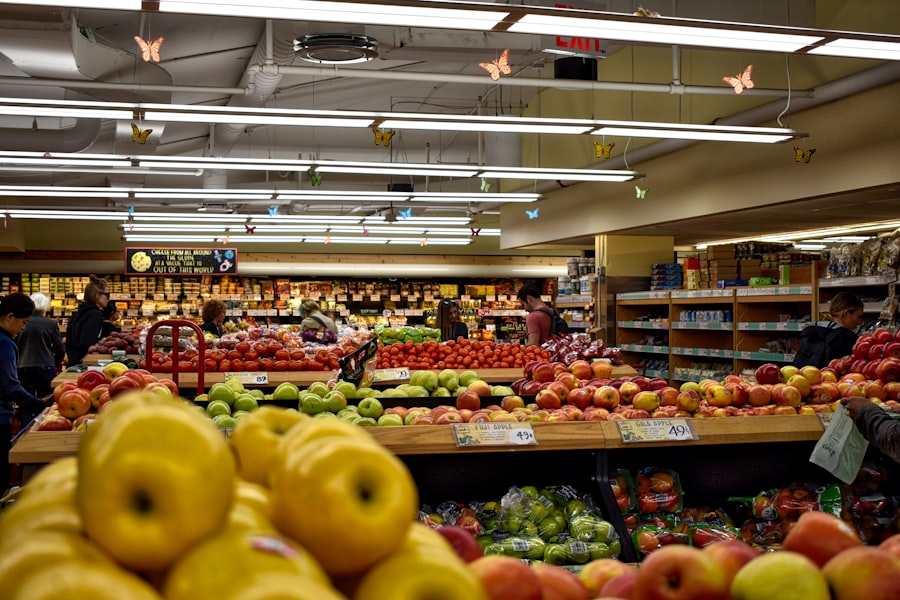
Despite their best intentions and rigorous financial modeling, private equity strategies in the grocery sector don’t always succeed. When they fail, the consequences can be catastrophic, leading directly to bankruptcy.
The Burden of Debt: A Ticking Time Bomb
The substantial debt incurred during the leveraged buyout is often the primary driver of failure. You must understand how this debt acts as a gravitational pull.
- High Interest Payments: Servicing this debt can consume a significant portion of the company’s cash flow. Even if the grocery chain is operationally profitable, if its profits aren’t enough to cover interest payments, it’s in trouble. You’re watching a company that’s making money on groceries but losing it on interest.
- Recessionary Periods and Economic Downturns: Grocery stores, while somewhat recession-resistant, are not immune to economic shocks. During downturns, consumer spending habits change, and profit margins can shrink. For you, slower sales directly impact the ability to service debt.
- Inability to Invest: With so much cash flow diverted to debt servicing, there’s little left for essential investments. You might observe a downward spiral where stores become dilapidated, technology outdated, and prices uncompetitive, further eroding market share.
Aggressive Extraction: A Vicious Cycle
Sometimes, the methods used to extract value can inadvertently hasten the company’s demise.
- Dividend Recaps: In some instances, private equity firms load additional debt onto the acquired company to pay themselves a “dividend” before they sell the company. This extracts capital meant for the business, leaving an even weaker entity. You’re essentially seeing the owners take money out while adding more debt to the business.
- Sale-Leaseback Pitfalls: While an immediate cash injection, these agreements can mean punitive rent increases or loss of valuable assets if the company can’t meet its lease obligations. You’ve traded a long-term asset for short-term cash flow, which can become a trap.
- Erosion of Competitive Advantage: Cutting costs too aggressively, particularly in staff or product quality, can alienate customers and damage the brand’s reputation. You might find yourself shopping elsewhere as the quality and service decline.
The Broader Impact: More Than Just Closures
The ripple effect of private equity involvement in grocery goes beyond bankruptcies. You’ll discover it alters the very fabric of the industry and community.
Market Consolidation and Reduced Competition
When a private equity-backed chain fails, its assets are often acquired by larger competitors, further consolidating the market.
- Fewer Choices for Consumers: You may find fewer independent grocery stores and more dominant national or regional chains. This can lead to less product diversity and potentially higher prices due to reduced competition.
- Pressure on Suppliers: Smaller, independent suppliers often struggle to compete with the purchasing power of consolidated chains. You might see fewer local products on shelves.
Community Consequences: Food Deserts and Job Losses
Grocery store closures have profound effects on the communities they serve.
- Creation of Food Deserts: When a grocery store closes, especially in economically disadvantaged areas, residents may lose access to fresh, affordable food, leading to the creation or expansion of food deserts. You might be forced to travel further or rely on less healthy options.
- Job Losses: Bankruptcies and store closures lead to thousands of job losses, affecting local economies and individual livelihoods. You might know someone whose job was directly impacted.
In recent years, the grocery sector has seen a troubling trend of private equity firms acquiring stores only for them to face bankruptcy shortly thereafter. This phenomenon raises questions about the sustainability of such business models and the impact on local communities. For a deeper understanding of this issue, you can explore a related article that delves into the intricacies of private equity’s role in grocery store bankruptcies by visiting this link. The insights provided can shed light on the broader implications of these financial maneuvers in the retail landscape.
Navigating the Future: Your Role as a Consumer
| Metric | Description | Example Data | Impact on Bankruptcy |
|---|---|---|---|
| Leverage Ratio | Debt to equity ratio used by private equity firms to finance acquisitions | 5:1 | High leverage increases financial risk, contributing to bankruptcy |
| Debt Load | Total debt burden placed on grocery store post-acquisition | 1.2 billion | Heavy debt servicing costs reduce operational flexibility |
| Operating Margin | Profitability measure before interest and taxes | 3% | Low margins make it difficult to cover debt payments |
| Store Count | Number of grocery store locations owned | 150 | Large footprint can increase fixed costs and complexity |
| Private Equity Hold Period | Duration of ownership before bankruptcy or exit | 5 years | Short hold periods may prioritize quick returns over long-term stability |
| Bankruptcy Filings | Number of grocery stores filing for bankruptcy under PE ownership | 12 (last 10 years) | Indicates frequency of financial distress linked to PE strategies |
| Cost-Cutting Measures | Actions taken to reduce expenses post-acquisition | Staff reductions, reduced inventory | May harm customer experience and sales, accelerating decline |
Understanding private equity’s role isn’t about assigning blame but recognizing the complexities of the modern retail landscape. As a consumer, you play a vital role.
Supporting Sustainable Business Models
You have the power to influence the market through your purchasing decisions.
- Choose Wisely: Consider where you shop. Support grocers that prioritize employee wages, fresh local produce, and community involvement. You are a vote with your dollars.
- Advocate for Local Businesses: Engage with local government to support policies that protect independent retailers and prevent food deserts. Your voice matters.
Private equity is a powerful force in the global economy, and its footprint on the grocery sector is undeniable. While it can act as a catalyst for efficiency and innovation, you must recognize that its inherent focus on short-term financial returns and heavy reliance on debt can also act as an accelerant toward instability and, ultimately, bankruptcy for grocery chains. As the industry continues to evolve, your awareness of these underlying dynamics is crucial for understanding the shelves you browse and the future of food retail in your community.
WATCH THIS 🛑 SHOCKING: Your 401(k) Is Cutting Your Raise (Here’s Proof)
FAQs
What is private equity involvement in grocery stores?
Private equity involvement in grocery stores refers to investment firms purchasing or acquiring grocery chains with the goal of improving profitability and eventually selling the business for a return. These firms often use leveraged buyouts, which involve significant debt.
How can private equity ownership lead to grocery store bankruptcies?
Private equity ownership can lead to bankruptcies if the acquired grocery stores are burdened with high debt from leveraged buyouts, face operational challenges, or fail to generate enough cash flow to service debt and maintain competitiveness, resulting in financial distress.
Why do private equity firms use leveraged buyouts in grocery store acquisitions?
Leveraged buyouts allow private equity firms to acquire companies using a combination of equity and significant amounts of borrowed money. This strategy can amplify returns but also increases financial risk for the grocery stores due to high debt levels.
What are common signs that a private equity-owned grocery store might be heading toward bankruptcy?
Signs include declining sales, store closures, inability to pay suppliers or creditors on time, layoffs, reduced inventory, and public announcements of restructuring or financial difficulties.
How does bankruptcy affect grocery store employees and customers?
Bankruptcy can lead to job losses, reduced employee benefits, and store closures, impacting employees directly. Customers may experience reduced product availability, lower service quality, or the loss of local stores.
Can private equity firms prevent grocery store bankruptcies?
Yes, private equity firms can implement operational improvements, invest in modernization, reduce costs, and restructure debt to improve financial health. However, success depends on market conditions and management effectiveness.
What happens to grocery stores after filing for bankruptcy under private equity ownership?
After filing for bankruptcy, grocery stores may undergo restructuring, sell assets, close underperforming locations, or be sold to new owners. The goal is often to return to profitability or liquidate assets to pay creditors.
Are private equity grocery store bankruptcies common?
While not universal, there have been notable cases where private equity-owned grocery chains have filed for bankruptcy, often due to high debt loads and competitive pressures in the retail grocery sector.
How does private equity ownership differ from other types of grocery store ownership?
Private equity ownership typically focuses on financial returns within a limited timeframe and often involves high leverage. Other ownership types, such as family-owned or publicly traded companies, may prioritize long-term stability or shareholder value differently.
What can consumers do if their local grocery store is owned by private equity and facing bankruptcy?
Consumers can support the store by shopping there, providing feedback, and staying informed about the store’s status. They can also explore alternative local grocery options if closures occur.