
Private equity farmland acquisition involves purchasing agricultural land through pooled investment funds. This structure enables multiple investors to combine capital for farmland purchases and management, typically aiming to generate returns through land value appreciation and agricultural income production. Unlike traditional farmland ownership, which may involve individual proprietorship or hands-on land management, private equity farmland acquisition employs a structured investment framework managed by specialized agricultural asset professionals.
Under this model, investors contribute capital to a dedicated farmland fund. The fund’s management team then identifies, acquires, and operates farmland assets, utilizing their expertise to improve operational efficiency and increase property value. This approach provides investors with exposure to larger-scale agricultural investments while distributing management responsibilities among experienced professionals.
The fund’s collective resources and specialized knowledge reduce individual investor burden and risk. Consequently, private equity farmland acquisition has become increasingly popular among institutional investors and affluent individuals seeking portfolio diversification and consistent returns.
Key Takeaways
- Private equity farmland buying involves pooled investments in agricultural land managed by specialized firms.
- Benefits include diversification, professional management, and potential for steady income and capital appreciation.
- Risks encompass market volatility, regulatory changes, and environmental factors affecting farmland value.
- The acquisition process typically involves due diligence, valuation, and partnership with private equity firms.
- Future outlook suggests growing interest due to increasing demand for sustainable and productive farmland assets.
The Benefits of Investing in Farmland through Private Equity
Investing in farmland through private equity offers several compelling advantages. One of the primary benefits is the potential for stable and attractive returns. Farmland has historically demonstrated resilience against economic downturns, often providing a hedge against inflation.
By investing through private equity, you can tap into this stability while also benefiting from the expertise of seasoned professionals who understand the agricultural market dynamics. This combination can lead to enhanced returns compared to traditional investment avenues. Another significant advantage is the diversification it brings to your investment portfolio.
Farmland investments are typically less correlated with stock market fluctuations, which means they can help mitigate risk during volatile market conditions. By including farmland in your investment strategy, you can achieve a more balanced portfolio that is less susceptible to economic cycles. Additionally, private equity funds often invest in various types of agricultural assets, from row crops to specialty crops, further diversifying your exposure within the sector. Investing in farmland investment can provide sustainable returns and long-term growth opportunities.
Understanding the Risks Associated with Private Equity Farmland Buying

While there are numerous benefits to investing in farmland through private equity, it is essential to recognize the associated risks. One of the primary concerns is market volatility. Agricultural markets can be influenced by various factors, including weather conditions, commodity prices, and changes in government policies.
These fluctuations can impact the profitability of farming operations and, consequently, the returns on your investment. Understanding these market dynamics is crucial for making informed decisions. Another risk to consider is the illiquidity of farmland investments.
Unlike publicly traded assets, farmland investments typically require a longer time horizon for returns to materialize. This means that your capital may be tied up for an extended period, limiting your ability to access funds quickly if needed. Additionally, private equity funds may have specific lock-up periods during which you cannot withdraw your investment.
It is vital to assess your liquidity needs and investment timeline before committing capital to a private equity farmland fund.
How Private Equity Farmland Buying Differs from Traditional Farmland Investment
Private equity farmland buying differs significantly from traditional farmland investment in several key ways. In traditional models, individual investors often purchase and manage farmland directly, taking on responsibilities such as crop selection, land maintenance, and marketing produce. This hands-on approach can be rewarding but also requires substantial time, knowledge, and resources.
In contrast, private equity farmland buying allows you to delegate these responsibilities to experienced fund managers who specialize in agricultural investments. Moreover, private equity funds typically have access to larger capital pools, enabling them to acquire more extensive and potentially more productive farmland than individual investors could manage on their own. This scale can lead to economies of scale in operations and management, ultimately enhancing profitability.
Additionally, private equity firms often employ advanced data analytics and technology to optimize farming practices and improve yields, further differentiating their approach from traditional methods.
The Process of Acquiring Farmland through Private Equity
| Metric | Description | Typical Range/Value | Notes |
|---|---|---|---|
| Average Farmland Purchase Size | Typical acreage acquired per transaction by private equity firms | 1,000 – 10,000 acres | Varies by region and investment strategy |
| Investment Horizon | Duration private equity firms hold farmland assets | 5 – 15 years | Long-term appreciation and income generation |
| Annual Return on Investment (ROI) | Average yearly return from farmland investments | 6% – 12% | Includes rental income and land value appreciation |
| Leverage Ratio | Debt to equity ratio used in farmland acquisitions | 30% – 60% | Depends on market conditions and risk appetite |
| Operating Expenses | Costs related to managing and maintaining farmland | 10 – 20 per acre annually | Includes property taxes, maintenance, and management fees |
| Rental Income Yield | Annual rental income as a percentage of farmland value | 3% – 5% | Varies by lease agreements and crop types |
| Geographic Focus | Regions where private equity farmland investments are concentrated | Midwest US, Brazil, Australia | Selected for soil quality and market access |
| Exit Strategies | Methods used to realize returns from farmland investments | Sale to strategic buyers, IPO, or farmland REITs | Depends on market liquidity and fund structure |
The process of acquiring farmland through private equity involves several critical steps that ensure a thorough evaluation and strategic approach to investment. Initially, private equity firms conduct extensive market research to identify promising agricultural regions and specific properties that align with their investment criteria. This research includes analyzing soil quality, climate conditions, water availability, and local market dynamics to assess the potential for successful farming operations.
Once suitable properties are identified, the firm will perform due diligence on each potential acquisition. This process involves evaluating financial statements, assessing existing leases or tenant agreements, and understanding any regulatory or environmental considerations that may impact the land’s use. After completing due diligence, the firm will negotiate the purchase terms and finalize the acquisition.
Following the purchase, the management team will implement operational strategies aimed at maximizing productivity and returns on investment.
Evaluating Potential Farmland Investments for Private Equity
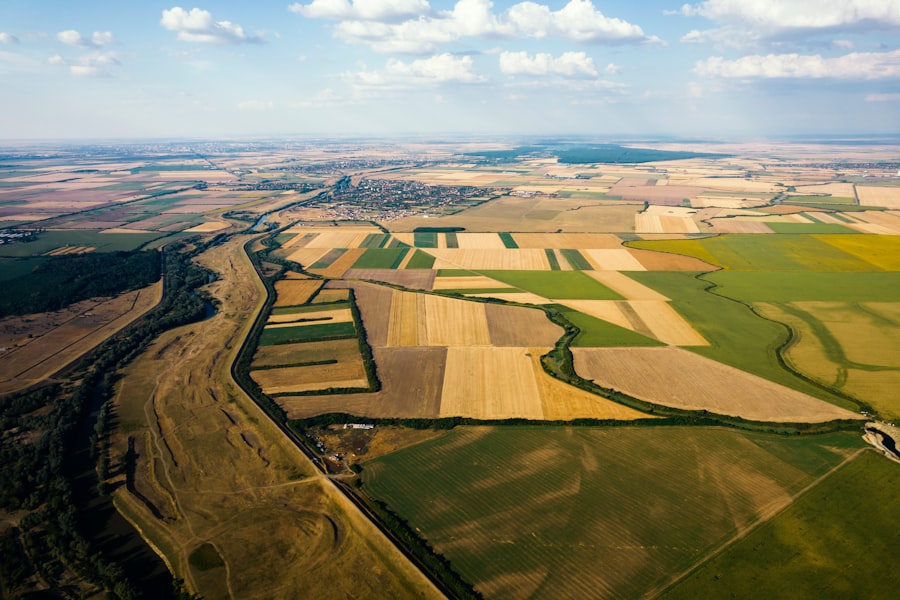
When evaluating potential farmland investments for private equity, several factors come into play that can significantly influence the success of your investment. One of the most critical aspects is location. The geographical area where the farmland is situated can greatly impact its productivity and profitability.
Factors such as soil quality, climate conditions, and proximity to markets all play a role in determining the land’s potential yield and overall value. Additionally, understanding the existing agricultural practices on the land is essential. This includes assessing current crop rotations, tenant relationships (if applicable), and any existing infrastructure that may affect farming operations.
Furthermore, considering long-term trends in agriculture—such as shifts toward sustainable practices or changes in consumer demand—can provide valuable insights into the future viability of potential investments.
The Role of Private Equity Firms in Farmland Buying
Private equity firms play a pivotal role in farmland buying by leveraging their expertise and resources to identify lucrative investment opportunities. These firms typically employ teams of professionals with backgrounds in agriculture, finance, and real estate who work collaboratively to analyze potential acquisitions and develop strategic plans for managing the properties post-acquisition. Their experience allows them to navigate complex agricultural markets effectively and make informed decisions that align with investor goals.
Moreover, private equity firms often have established networks within the agricultural sector that can facilitate access to off-market deals or exclusive opportunities not available to individual investors. This advantage can lead to better pricing and terms for acquisitions. Once a property is acquired, these firms implement operational strategies aimed at enhancing productivity and profitability—whether through improved farming techniques, technology integration, or effective tenant management—ultimately working to maximize returns for their investors.
Tax Implications of Investing in Farmland through Private Equity
Investing in farmland through private equity can have various tax implications that you should consider before making a commitment. One significant advantage is that farmland investments may qualify for certain tax benefits associated with agricultural production. For instance, income generated from farming activities may be subject to lower tax rates compared to ordinary income from other sources.
Additionally, capital gains from the sale of farmland may be eligible for favorable tax treatment if held for a specified period. However, it is essential to be aware of potential tax liabilities as well. Depending on your jurisdiction and specific investment structure, you may face taxes on rental income generated from leased farmland or capital gains taxes upon selling your share in the private equity fund.
Consulting with a tax professional who specializes in agricultural investments can help you navigate these complexities and develop a strategy that maximizes your after-tax returns.
Strategies for Maximizing Returns on Private Equity Farmland Investments
To maximize returns on your private equity farmland investments, consider implementing several strategic approaches that can enhance profitability over time. One effective strategy is diversifying your agricultural portfolio by investing in various types of crops or farming operations across different geographical regions. This diversification can help mitigate risks associated with market fluctuations or adverse weather conditions affecting specific crops.
Additionally, staying informed about emerging trends in agriculture—such as advancements in technology or shifts toward sustainable practices—can provide valuable insights into potential growth areas within the sector. By aligning your investments with these trends, you can position yourself for long-term success while contributing positively to environmental sustainability. Furthermore, actively engaging with your private equity firm’s management team can provide opportunities for collaboration on operational improvements that drive efficiency and profitability.
How to Choose the Right Private Equity Firm for Farmland Buying
Selecting the right private equity firm for farmland buying is crucial for ensuring a successful investment experience. Start by researching firms with a proven track record in agricultural investments and a deep understanding of the specific markets you are interested in.
Additionally, consider the firm’s investment philosophy and approach to risk management. Understanding how they evaluate potential acquisitions and their strategies for optimizing operations will give you insight into their alignment with your investment goals. Finally, assess their transparency and communication practices; a firm that prioritizes clear communication with its investors will foster a more collaborative relationship throughout your investment journey.
The Future Outlook for Private Equity Farmland Buying
The future outlook for private equity farmland buying appears promising as global demand for food continues to rise alongside population growth and changing dietary preferences. As urbanization increases and arable land becomes scarcer, investing in agricultural assets is likely to remain an attractive option for institutional investors seeking stable returns amid economic uncertainty. Moreover, advancements in technology are transforming agriculture by improving efficiency and productivity through precision farming techniques and data analytics.
These innovations present new opportunities for private equity firms to enhance their operational strategies and drive profitability within their portfolios. As sustainability becomes increasingly important to consumers and investors alike, private equity firms that prioritize environmentally responsible practices may find themselves well-positioned for success in this evolving landscape. In conclusion, private equity farmland buying offers a unique opportunity for investors looking to diversify their portfolios while capitalizing on the stability and growth potential of agricultural assets.
By understanding the benefits and risks associated with this investment approach—and carefully evaluating potential partners—you can position yourself for success in this dynamic sector.
Private equity firms have increasingly turned their attention to farmland as a lucrative investment opportunity, driven by the rising demand for food and sustainable agricultural practices. For a deeper understanding of how this trend is shaping the agricultural landscape, you can read more in the article found at this link. This article provides insights into the motivations behind private equity’s interest in farmland and the potential implications for farmers and the environment.
WATCH THIS! The Gold Rush is Over. Now, the Dirt Rush is ON. 🚜💰
FAQs
What is private equity farmland buying?
Private equity farmland buying refers to investment firms pooling capital from investors to purchase agricultural land. These firms manage the farmland as an asset, aiming to generate returns through land appreciation, agricultural production, or leasing.
Why do private equity firms invest in farmland?
Private equity firms invest in farmland because it is considered a tangible asset with potential for long-term appreciation, income generation through crop production or leasing, and diversification benefits within an investment portfolio.
How do private equity firms acquire farmland?
Private equity firms typically acquire farmland by raising funds from institutional and accredited investors, then purchasing large tracts of agricultural land either directly from owners or through auctions and brokers.
What are the benefits of private equity farmland investments?
Benefits include potential for steady income from agricultural operations, land value appreciation, portfolio diversification, and inflation hedging. Additionally, professional management can improve farm productivity and sustainability.
Are there risks associated with private equity farmland buying?
Yes, risks include market volatility, changes in agricultural commodity prices, weather and climate impacts, regulatory changes, and potential difficulties in land management or resale.
How do private equity firms manage farmland?
Firms often employ or partner with agricultural experts to oversee crop production, land maintenance, and leasing arrangements. They may also implement sustainable farming practices to enhance long-term land value.
Can individual investors participate in private equity farmland funds?
Participation is generally limited to institutional investors or high-net-worth individuals due to high minimum investment requirements and regulatory restrictions.
What is the typical investment horizon for private equity farmland?
Investment horizons usually range from 7 to 15 years, reflecting the long-term nature of farmland value appreciation and agricultural cycles.
How does farmland valuation work in private equity?
Farmland valuation considers factors such as soil quality, location, water availability, crop yields, local market conditions, and potential for development or alternative uses.
Is private equity farmland buying environmentally sustainable?
Many private equity firms are increasingly adopting sustainable and regenerative farming practices to improve environmental outcomes, though sustainability levels can vary by firm and investment.