
Price discrimination is a pricing strategy in which businesses charge different prices for identical products or services to different customer segments. This approach enables companies to capture a larger portion of consumer surplus—the economic benefit consumers receive when they pay less than their maximum willingness to pay for a good or service. Common examples of price discrimination include student discounts for entertainment venues, senior citizen pricing at restaurants, and dynamic airline pricing that varies based on booking time, travel dates, and demand levels.
Other instances include early-bird discounts for events, bulk pricing for wholesale purchases, and geographic pricing variations across different markets. Price discrimination operates on the principle of market segmentation, where businesses identify distinct consumer groups with different price sensitivities and purchasing power. Companies implement this strategy by analyzing consumer demographics, purchasing patterns, market demand, and competitive positioning.
The practice requires businesses to prevent arbitrage—the resale of lower-priced goods to higher-paying market segments—through methods such as identification requirements, non-transferable tickets, or geographic restrictions. Three primary types of price discrimination exist: first-degree (perfect price discrimination), where each consumer pays their maximum willingness to pay; second-degree (quantity discrimination), where prices vary based on quantity purchased; and third-degree (market segmentation), where different prices are charged to identifiable consumer groups. This pricing strategy allows businesses to increase revenue while potentially expanding market access to price-sensitive consumers who might otherwise be excluded from purchasing the product or service.
Key Takeaways
- Price discrimination involves charging different prices to different consumers for the same product or service.
- It can be categorized into first-degree, second-degree, and third-degree types based on how prices vary.
- Various industries, including airlines, retail, and entertainment, commonly use price discrimination strategies.
- Factors such as consumer willingness to pay, market segmentation, and competition influence price discrimination practices.
- While beneficial for businesses by increasing profits, price discrimination raises legal, ethical, and consumer fairness concerns.
Types of Price Discrimination
There are three primary types of price discrimination: first-degree, second-degree, and third-degree. First-degree price discrimination, also known as perfect price discrimination, occurs when a seller charges each consumer the maximum price they are willing to pay. This type is rare in practice but can be seen in negotiations where prices are tailored to individual buyers based on their perceived value of the product.
Second-degree price discrimination involves charging different prices based on the quantity consumed or the product version purchased. For example, bulk purchases often come with discounts, encouraging consumers to buy more at a lower per-unit price. This strategy not only increases sales volume but also allows businesses to manage inventory more effectively.
Third-degree price discrimination is the most common form and occurs when different consumer groups are charged different prices based on identifiable characteristics such as age, location, or time of purchase. For instance, many businesses offer student or senior discounts, recognizing that these groups may have limited financial resources compared to other consumers. By segmenting the market in this way, companies can attract a broader customer base while still maximizing their profits.
Examples of Price Discrimination in Different Industries
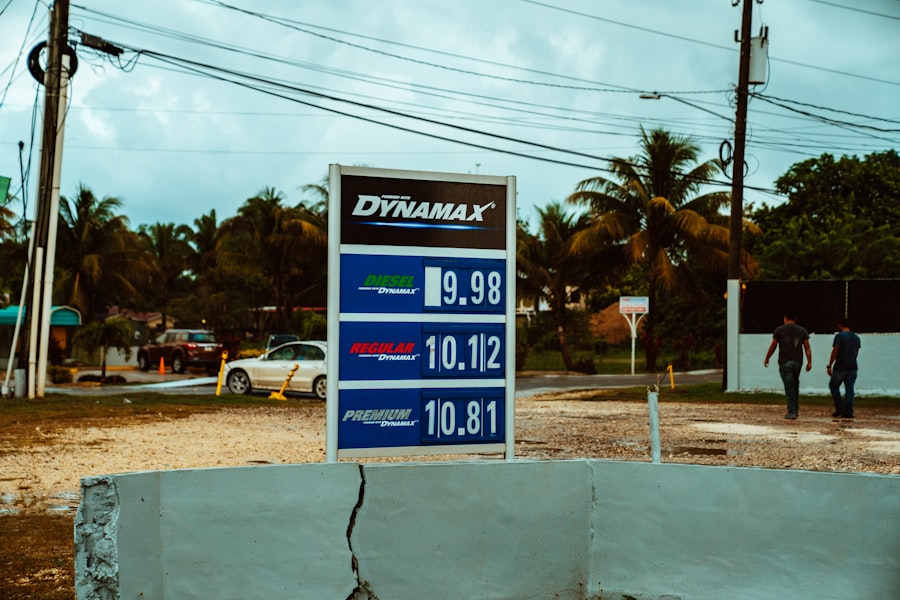
You can find numerous examples of price discrimination across various industries. In the airline industry, for instance, ticket prices fluctuate significantly based on factors such as booking time, travel dates, and class of service. Early bookers often enjoy lower fares, while last-minute travelers may face steep prices.
This pricing strategy allows airlines to fill seats while maximizing revenue from those willing to pay more. The entertainment industry also employs price discrimination effectively. Movie theaters frequently offer discounted tickets for matinee showings or special promotions for students and seniors.
This approach not only attracts a diverse audience but also helps theaters manage attendance during peak and off-peak times. Similarly, subscription services like Netflix use tiered pricing models to cater to different consumer preferences and budgets, allowing users to choose plans that best fit their needs. In the retail sector, you might notice price discrimination through loyalty programs that reward frequent shoppers with discounts or exclusive offers.
These programs encourage customer retention while allowing retailers to charge higher prices to less loyal customers who do not take advantage of such benefits. By understanding how different industries implement price discrimination, you can better appreciate the strategic thinking behind pricing decisions.
Factors Influencing Price Discrimination
Several factors influence a company’s ability to implement price discrimination successfully. One critical factor is market power; businesses with significant control over their market can more easily set different prices without losing customers to competitors. For instance, monopolies or firms with unique products often have greater leeway in establishing varied pricing structures.
Consumer characteristics also play a vital role in price discrimination strategies. Understanding your demographics—such as age, income level, and purchasing behavior—enables businesses to tailor their pricing effectively. For example, companies may target younger consumers with lower prices or discounts, knowing they may have less disposable income compared to older consumers who are more financially stable.
Additionally, the nature of the product or service itself can impact pricing strategies. Perishable goods, for instance, may require more aggressive price discrimination tactics as businesses seek to sell items before they expire. Seasonal products also lend themselves well to varied pricing based on demand fluctuations throughout the year.
By considering these factors, businesses can create effective pricing strategies that resonate with their target audience.
Benefits of Price Discrimination for Businesses
| Type of Price Discrimination | Description | Example | Key Metric |
|---|---|---|---|
| First-Degree | Charging each customer their maximum willingness to pay. | Personalized pricing in auctions or negotiations. | Consumer Surplus Captured: 100% |
| Second-Degree | Prices vary according to quantity or product version. | Bulk discounts or premium vs. basic product versions. | Price Differentiation Based on Quantity/Version |
| Third-Degree | Different prices for different consumer groups based on elasticity. | Student or senior discounts, geographic pricing. | Price Elasticity of Demand per Group |
| Metrics to Evaluate | Measures to assess effectiveness of price discrimination. | Profit increase, market segmentation accuracy. | Profit Margin Increase (%), Market Share Growth (%) |
Price discrimination offers several advantages for businesses looking to enhance their profitability and market reach. One significant benefit is increased revenue generation; by charging different prices based on consumer willingness to pay, companies can capture more consumer surplus and maximize their overall earnings. This approach allows businesses to cater to various segments of the market without alienating any particular group.
Another advantage is improved inventory management. By implementing tiered pricing strategies, businesses can encourage bulk purchases or off-peak sales, helping them manage stock levels more effectively. For example, offering discounts during slower sales periods can help clear out inventory while maintaining cash flow.
This flexibility in pricing not only benefits the business but also provides consumers with opportunities to purchase products at more favorable rates. Moreover, price discrimination can foster customer loyalty by creating tailored experiences for different consumer segments. When businesses recognize and reward specific groups—such as students or seniors—they build goodwill and encourage repeat purchases.
This sense of loyalty can lead to long-term relationships between consumers and brands, ultimately benefiting both parties.
Criticisms of Price Discrimination

Despite its advantages, price discrimination is not without its criticisms. One major concern is that it can lead to perceived unfairness among consumers who feel they are being charged more than others for the same product or service. This perception of inequity can damage a brand’s reputation and erode customer trust over time.
Additionally, critics argue that price discrimination can exacerbate social inequalities by disproportionately affecting lower-income consumers who may not have access to discounts or special offers available to other groups. For instance, if a business offers discounts primarily to students or seniors but neglects other demographics, it may inadvertently alienate potential customers who feel overlooked. Furthermore, there are concerns about the potential for exploitation in certain industries where consumers have limited choices or bargaining power.
In such cases, businesses may take advantage of vulnerable populations by charging higher prices without justification. This exploitation raises ethical questions about the fairness of price discrimination practices and whether they align with broader societal values.
Legal and Ethical Considerations of Price Discrimination
The legal landscape surrounding price discrimination varies by jurisdiction and industry. In many countries, laws exist to prevent discriminatory pricing practices that could harm competition or exploit consumers unfairly. For example, the Robinson-Patman Act in the United States prohibits certain forms of price discrimination that could harm competition among retailers.
While it is legal for companies to implement price discrimination based on legitimate factors such as demand or cost differences, they must ensure that their practices do not cross into exploitative territory. Transparency in pricing and clear communication about discounts can help mitigate potential backlash from consumers who may feel unfairly treated.
Moreover, companies should consider the long-term implications of their pricing strategies on brand reputation and customer loyalty. Ethical considerations should guide decision-making processes to ensure that businesses foster positive relationships with their customers while still achieving their financial goals.
Strategies for Implementing Price Discrimination
To implement price discrimination effectively, businesses must develop well-thought-out strategies that align with their overall objectives and market conditions. One common approach is market segmentation—identifying distinct consumer groups based on characteristics such as demographics, purchasing behavior, or geographic location. By understanding these segments, businesses can tailor their pricing strategies accordingly.
Another effective strategy is dynamic pricing, which involves adjusting prices in real-time based on demand fluctuations or competitor actions. This approach is particularly prevalent in industries like travel and hospitality, where prices can change rapidly based on availability and consumer behavior. By leveraging data analytics and technology, businesses can optimize their pricing strategies to respond quickly to market changes.
Additionally, offering tiered pricing options can help cater to different consumer preferences while maximizing revenue potential. By providing various product versions at different price points—such as basic versus premium options—businesses can appeal to a broader audience while still capturing higher-value customers willing to pay more for additional features or benefits.
Consumer Responses to Price Discrimination
Consumer responses to price discrimination can vary widely depending on individual perceptions and experiences.
You might find that some consumers actively seek out businesses that offer competitive pricing structures or loyalty programs that reward repeat purchases.
In contrast, others may choose to avoid companies they perceive as engaging in exploitative pricing practices or those that lack transparency in their pricing strategies. Ultimately, consumer responses are influenced by factors such as personal values, financial circumstances, and overall satisfaction with the product or service being offered. Businesses must remain attuned to these responses and adapt their pricing strategies accordingly to maintain positive relationships with their customers.
Price Discrimination in the Digital Age
The digital age has transformed how businesses approach price discrimination by providing new tools and technologies for data collection and analysis. Online retailers can track consumer behavior more effectively than ever before, allowing them to tailor pricing strategies based on individual preferences and purchasing history. Dynamic pricing has become increasingly prevalent in e-commerce platforms where algorithms adjust prices in real-time based on demand fluctuations or competitor actions.
This practice enables businesses to optimize revenue while providing consumers with personalized shopping experiences tailored to their needs. Moreover, digital platforms facilitate targeted marketing campaigns that promote specific offers or discounts based on user demographics or browsing behavior. By leveraging data analytics and machine learning algorithms, businesses can create highly personalized experiences that resonate with individual consumers while maximizing profitability through effective price discrimination strategies.
The Future of Price Discrimination in the Global Economy
As the global economy continues to evolve, so too will the landscape of price discrimination practices across industries and markets. The rise of e-commerce and digital technologies will likely lead to even more sophisticated pricing strategies that leverage data analytics and artificial intelligence for real-time adjustments based on consumer behavior. Additionally, as competition intensifies in various sectors, businesses will need to find innovative ways to differentiate themselves through pricing strategies that resonate with diverse consumer segments worldwide.
This may involve exploring new forms of price discrimination that account for cultural differences and regional economic conditions. Ultimately, the future of price discrimination will hinge on balancing profitability with ethical considerations and consumer perceptions of fairness. As businesses navigate this complex landscape, they must remain vigilant in adapting their strategies while fostering positive relationships with their customers in an increasingly interconnected global economy.
Price discrimination is a fascinating concept that explores how businesses charge different prices to different consumers for the same product or service. For a deeper understanding of this topic, you can check out a related article that delves into the various strategies and implications of price discrimination. To read more, visit this article.
WATCH THIS! 💰 STOP Apps Are Stealing $1,000 From You Every Year—Here’s Proof & The 30-Day Fix
FAQs
What is price discrimination?
Price discrimination is a pricing strategy where a seller charges different prices to different customers for the same product or service, based on factors such as willingness to pay, location, or purchase volume.
What are the main types of price discrimination?
The three main types are first-degree (perfect) price discrimination, where each customer is charged their maximum willingness to pay; second-degree price discrimination, which involves pricing based on quantity or product version; and third-degree price discrimination, where prices vary based on customer segments like age, location, or time.
Is price discrimination legal?
Price discrimination is legal in many cases, especially when it reflects differences in costs or market conditions. However, it can be illegal if it violates antitrust laws, involves unfair discrimination, or harms competition.
Why do companies use price discrimination?
Companies use price discrimination to maximize profits by capturing consumer surplus, increase market efficiency, and better match prices to customers’ willingness to pay.
Can price discrimination benefit consumers?
Yes, price discrimination can benefit consumers by enabling lower prices for certain groups, increasing product availability, and encouraging businesses to offer a wider range of products or services.
What industries commonly use price discrimination?
Industries such as airlines, hotels, telecommunications, software, and entertainment frequently use price discrimination strategies.
How does price discrimination differ from dynamic pricing?
Price discrimination involves charging different prices based on customer characteristics or purchase conditions, while dynamic pricing adjusts prices in real-time based on demand, supply, or other market factors.
What is an example of third-degree price discrimination?
Charging students or seniors discounted rates for movie tickets or public transportation is a common example of third-degree price discrimination.
How can consumers identify price discrimination?
Consumers may notice different prices for the same product or service based on factors like location, time of purchase, or customer status, which can indicate price discrimination.
Does price discrimination always increase company profits?
While price discrimination often increases profits by better capturing consumer willingness to pay, it may not always do so if it leads to customer dissatisfaction or regulatory issues.