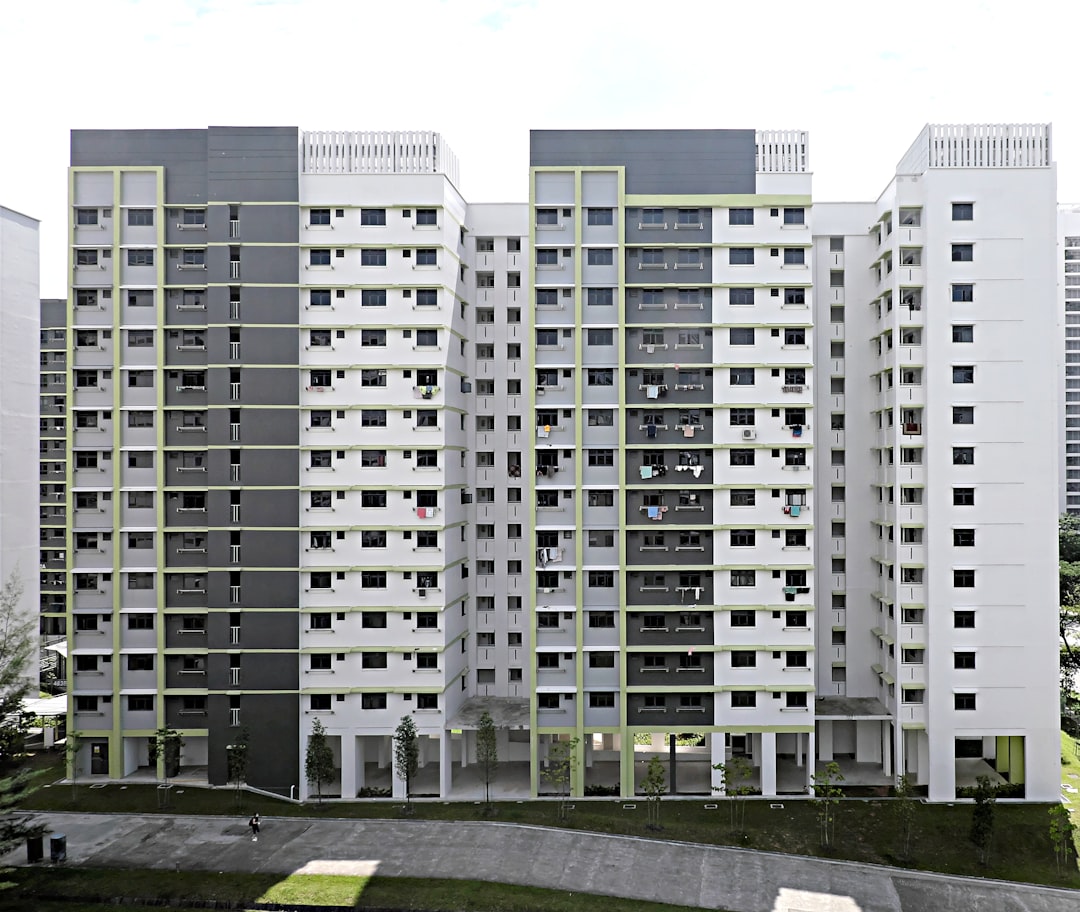
Missing Middle Housing encompasses multi-unit residential developments that bridge the gap between single-family homes and large apartment complexes. These housing types include duplexes, triplexes, fourplexes, townhouses, and small apartment buildings containing typically 2-12 units. The structures are designed to maintain compatibility with existing neighborhood scale and character while increasing residential density.
The term “missing middle” identifies a significant gap in housing supply that has emerged in many North American cities over the past several decades. Zoning regulations in most municipalities primarily permit either single-family detached homes or large multifamily developments, with limited allowances for intermediate housing types. This regulatory framework has contributed to housing shortages and affordability challenges in urban areas experiencing population growth.
Missing Middle Housing addresses several urban planning objectives simultaneously. It increases housing supply within established neighborhoods without requiring new infrastructure development or suburban expansion. These developments can accommodate diverse household types and income levels while preserving neighborhood walkability and community cohesion.
The housing format supports transit-oriented development by concentrating residents near existing transportation networks and commercial corridors. Additionally, Missing Middle Housing can provide homeownership opportunities through condominiums and townhouses while offering rental options in smaller apartment buildings.
Key Takeaways
- Missing Middle Housing refers to a range of multi-unit or clustered housing types that fit between single-family homes and large apartment buildings.
- It offers benefits like increased housing diversity, affordability, and walkable communities.
- Zoning laws and regulations often pose significant challenges to the development of Missing Middle Housing.
- Successful examples demonstrate that community engagement and thoughtful design are crucial for acceptance and integration.
- Missing Middle Housing has strong potential to support sustainable development and address housing shortages in growing urban areas.
The History and Evolution of Missing Middle Housing
The concept of Missing Middle Housing is not new; it has roots in early 20th-century urban planning when neighborhoods were designed with a mix of housing types to foster community interaction and inclusivity. In many cities, particularly in North America, the post-World War II era saw a shift towards single-family home development, driven by suburbanization and the desire for larger living spaces. This trend led to the decline of diverse housing options, resulting in the “missing middle” that we observe today.
As urbanization has accelerated in recent decades, cities have begun to recognize the importance of reintroducing these missing housing types. The evolution of Missing Middle Housing has been influenced by changing demographics, economic pressures, and a growing awareness of sustainability. Urban planners and policymakers are increasingly advocating for mixed-use developments that incorporate various housing forms to create vibrant, walkable communities.
The Benefits of Missing Middle Housing

One of the primary benefits of Missing Middle Housing is its ability to provide affordable housing options in urban areas where prices are skyrocketing. By increasing the density of neighborhoods without compromising their character, Missing Middle Housing can help mitigate the affordability crisis faced by many cities. This type of housing allows for more efficient use of land and resources, making it possible to accommodate a larger population without sprawling into undeveloped areas.
Additionally, Missing Middle Housing fosters community engagement and social interaction. By creating diverse living arrangements within neighborhoods, residents are more likely to connect with one another, leading to stronger community ties. This sense of belonging can enhance the overall quality of life for residents and contribute to safer, more vibrant neighborhoods.
Furthermore, these housing types often promote walkability and access to public transportation, reducing reliance on cars and encouraging healthier lifestyles.
The Challenges and Misconceptions Surrounding Missing Middle Housing
Despite its numerous benefits, Missing Middle Housing faces several challenges and misconceptions that can hinder its implementation. One common misconception is that these housing types will lead to increased traffic congestion and strain on local infrastructure. However, studies have shown that well-designed Missing Middle developments can actually reduce vehicle trips by promoting walkability and access to public transit.
Another challenge is the resistance from existing homeowners who fear that introducing multi-unit housing will negatively impact property values or alter the character of their neighborhoods.
Overcoming these challenges requires effective communication and education about the benefits of diverse housing options, as well as strategies for integrating these developments into existing communities in a way that respects their character.
Examples of Missing Middle Housing in Different Communities
| Metric | Description | Typical Range/Value | Relevance to Missing Middle Housing |
|---|---|---|---|
| Housing Types | Variety of residential buildings between single-family homes and large apartment complexes | Duplexes, Triplexes, Fourplexes, Townhomes, Courtyard Apartments | Defines the scope of missing middle housing options |
| Density (Units per Acre) | Number of housing units per acre of land | 10-35 units/acre | Higher than single-family but lower than high-rise apartments, balancing community scale |
| Average Unit Size | Typical floor area per housing unit | 800 – 1,500 sq ft | Smaller than single-family homes, making housing more affordable and accessible |
| Affordability Impact | Effect on housing costs and availability | Can reduce average housing costs by 10-30% | Provides more affordable options in walkable neighborhoods |
| Walkability Score | Measure of how friendly an area is to walking | 50-80 (on a scale of 0-100) | Missing middle housing often supports higher walkability by increasing neighborhood density |
| Parking Requirements | Number of parking spaces required per unit | 0.5 – 1.5 spaces/unit | Lower parking requirements can encourage missing middle development and reduce costs |
| Construction Cost per Unit | Average cost to build one housing unit | Varies widely by region and type | Missing middle housing can be more cost-effective than large apartment buildings |
| Zoning Flexibility | Local regulations allowing missing middle housing types | Varies; many areas require zoning reform | Critical for enabling missing middle housing development |
Across North America and beyond, various communities have successfully integrated Missing Middle Housing into their urban fabric. For instance, Portland, Oregon, has embraced this concept through its zoning reforms that allow for duplexes and triplexes in single-family zones. This initiative has led to an increase in affordable housing options while maintaining the neighborhood’s charm.
In Toronto, Canada, the city has implemented policies encouraging laneway housing—small homes built on existing lots accessed via alleyways. This innovative approach not only provides additional housing units but also revitalizes underutilized spaces within established neighborhoods. Similarly, Minneapolis has made headlines by eliminating single-family zoning altogether, allowing for a mix of housing types throughout the city.
These examples illustrate how different communities are creatively addressing their housing needs through Missing Middle Housing.
The Role of Zoning and Regulations in Shaping Missing Middle Housing

Zoning laws play a crucial role in determining the feasibility of Missing Middle Housing developments. Traditional zoning regulations often favor single-family homes and impose restrictions on density, height, and land use that can stifle innovation in housing design. To facilitate the growth of Missing Middle Housing, many cities are reevaluating their zoning codes to allow for greater flexibility in building types and densities.
For instance, some municipalities are adopting form-based codes that prioritize the physical form of buildings rather than their specific uses. This approach encourages a mix of housing types while ensuring that new developments align with the character of existing neighborhoods. Additionally, easing parking requirements can further support Missing Middle Housing by reducing the space needed for cars and allowing for more units to be built on smaller lots.
The Economic Impacts of Missing Middle Housing
The economic implications of Missing Middle Housing extend beyond simply providing affordable living options; they also contribute to local economies by fostering job creation and increasing tax revenues. By diversifying housing stock within neighborhoods, cities can attract a broader range of residents who contribute to local businesses and services. This influx can stimulate economic growth and enhance community vitality.
Moreover, Missing Middle Housing can lead to more efficient land use and infrastructure investment. By concentrating development within existing urban areas rather than expanding outward into undeveloped land, municipalities can save on costs associated with extending utilities and services. This strategic approach not only benefits local governments but also promotes sustainable development practices that minimize environmental impact.
Design Principles and Characteristics of Missing Middle Housing
The design principles underlying Missing Middle Housing emphasize compatibility with existing neighborhoods while promoting diversity in architectural styles and layouts. These housing types often feature smaller footprints than traditional single-family homes, allowing for greater density without overwhelming the streetscape. Key characteristics include front porches that encourage interaction among neighbors, shared outdoor spaces that foster community engagement, and varied building heights that create visual interest.
Incorporating sustainable design elements is also essential in Missing Middle developments. Features such as energy-efficient materials, green roofs, and permeable paving can enhance environmental performance while contributing to residents’ quality of life. By prioritizing thoughtful design that balances aesthetics with functionality, communities can create attractive living environments that appeal to a wide range of residents.
The Importance of Community Engagement in Implementing Missing Middle Housing
Successful implementation of Missing Middle Housing relies heavily on community engagement throughout the planning process. Involving residents in discussions about potential developments fosters a sense of ownership and helps address concerns related to density and neighborhood character. Engaging stakeholders early on allows for collaborative problem-solving and can lead to innovative solutions that meet both community needs and housing demands.
Public forums, workshops, and surveys are effective tools for gathering input from residents about their preferences for new housing types. Additionally, involving local organizations and advocacy groups can help amplify underrepresented voices in the conversation about housing development. By prioritizing community engagement, cities can build trust among residents and create more inclusive policies that reflect the diverse needs of their populations.
Case Studies of Successful Missing Middle Housing Developments
Several case studies exemplify successful implementations of Missing Middle Housing across various contexts. In Seattle’s Capitol Hill neighborhood, a project known as “The Cottage” features a collection of small homes designed for affordability while maintaining architectural harmony with surrounding properties. This development has not only provided much-needed housing but has also become a model for similar projects throughout the city.
Another notable example is the “Accessory Dwelling Unit” (ADU) movement in California, where homeowners are encouraged to build small secondary units on their properties. These ADUs have proven effective in increasing housing supply while allowing homeowners to generate rental income. Cities like Los Angeles have seen significant growth in ADU construction as a response to rising housing costs.
The Future of Missing Middle Housing and Its Potential Impact on Sustainable Development
Looking ahead, the future of Missing Middle Housing appears promising as cities continue to grapple with housing shortages and affordability crises. As urban planners increasingly recognize the importance of diverse housing options in creating sustainable communities, we can expect further innovations in design and policy aimed at facilitating these developments. The potential impact on sustainable development is profound; by promoting higher density living within existing urban areas, Missing Middle Housing can reduce urban sprawl and its associated environmental consequences.
Additionally, these developments often encourage walkability and public transit use, contributing to lower carbon footprints for residents. As cities evolve to meet the challenges posed by population growth and climate change, Missing Middle Housing will likely play a pivotal role in shaping resilient urban environments that prioritize both people and planet.
Missing middle housing is a crucial concept in addressing the housing crisis, as it refers to the range of housing types that fall between single-family homes and large apartment buildings. For a deeper understanding of the implications and benefits of this housing model, you can explore a related article that discusses various strategies for promoting diverse housing options. Check it out here: Missing Middle Housing Explained.
FAQs
What is missing middle housing?
Missing middle housing refers to a range of multi-unit or clustered housing types that are compatible in scale with single-family homes but provide more housing options. Examples include duplexes, triplexes, fourplexes, townhouses, and courtyard apartments.
Why is it called “missing middle” housing?
The term “missing middle” highlights the gap in housing options between single-family detached homes and large apartment buildings. These middle-scale housing types have historically been common but have become less prevalent due to zoning laws and development trends.
What are the benefits of missing middle housing?
Missing middle housing can increase housing diversity and affordability, support walkable neighborhoods, reduce urban sprawl, and provide more options for different household sizes and income levels.
How does missing middle housing impact neighborhoods?
When thoughtfully integrated, missing middle housing can enhance neighborhood character by adding gentle density, supporting local businesses, and promoting social interaction without drastically changing the area’s scale.
What challenges exist in developing missing middle housing?
Challenges include restrictive zoning regulations, community opposition, financing difficulties, and design standards that may not accommodate these housing types.
How can cities encourage missing middle housing?
Cities can revise zoning codes to allow more diverse housing types, reduce parking requirements, streamline permitting processes, and provide incentives for developers to build missing middle housing.
Is missing middle housing affordable?
While not always subsidized, missing middle housing tends to be more affordable than single-family homes or large apartments due to smaller unit sizes and shared infrastructure costs.
Who benefits from missing middle housing?
Missing middle housing benefits a wide range of people, including young professionals, small families, seniors, and those seeking more affordable or flexible housing options within established neighborhoods.