You might be surprised to learn that your monthly manufactured home park rent often isn’t the final number on the invoice. Beyond the base rent, a significant portion of your payment could be dedicated to “utility pass-through charges.” These are not simply tacked on; they represent a fundamental aspect of how manufactured home parks operate, often functioning as a complex, shadow billing system for essential services. Understanding these charges is crucial for maintaining financial clarity and ensuring you’re not footing an unfair bill.
Understanding the Core Concept of Utility Pass-Throughs
Think of your manufactured home park as a mini-city, and the park owner as its de facto municipal manager. Instead of a city government directly providing water, sewer, and electricity to individual homes, the park owner acts as an intermediary. They are responsible for the infrastructure that brings these services to the park and then distributes them to each resident’s lot. The utility pass-through charge is essentially your share of the cost for this infrastructure and the operational expenses associated with delivering these services to your doorstep.
The Park Owner’s Role as a Utility Provider
Imagine a vast sprinkler system. The park owner is the one who installs and maintains the main water line, the pumps, and the network of pipes that reach every single plant. You, as the resident, are responsible for the water that flows through the pipe to your plant, but the park owner handles the robust backbone. This is analogous to how utility pass-throughs function. The park owner undertakes the significant capital investment and ongoing management of the park’s utility systems.
Manufactured home park utility pass-through charges can significantly impact residents’ monthly expenses, making it essential for both park owners and tenants to understand the implications of these fees. For a deeper insight into related topics, you can explore the article available at this link, which discusses various aspects of financial management in manufactured home communities. Understanding these charges can help residents better navigate their living costs and foster more transparent communication with park management.
Direct vs. Indirect Utility Costs
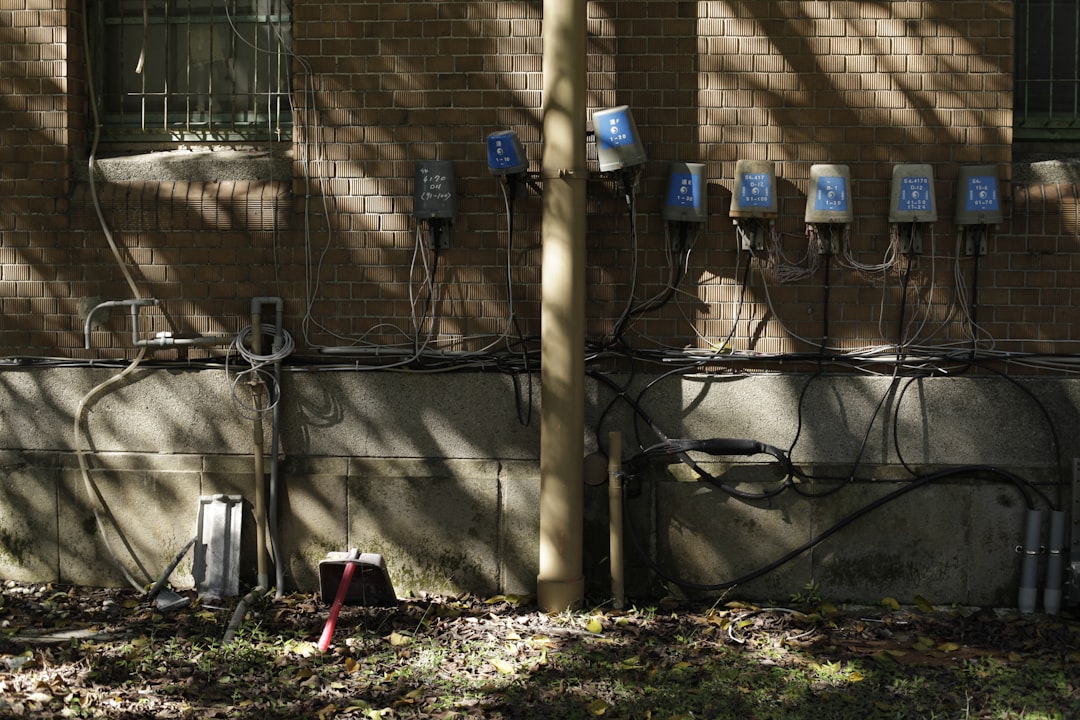
It’s important to distinguish between utilities you pay for directly with a separate utility company and those that are passed through by the park. In some instances, you may have your own individual meter for electricity or gas, and you would receive a bill directly from the utility provider. However, for water, sewer, and sometimes even garbage collection, the park owner often consolidates these costs and then divides them among the residents.
The Legal Framework and Disclosure Requirements
The legality and transparency of utility pass-through charges can vary significantly by state and local jurisdiction. Many areas have implemented regulations to protect residents from arbitrary or inflated charges. These regulations often mandate specific disclosure requirements, outlining what costs can be passed through, how they should be calculated, and when residents must be notified of any changes. Failure to comply with these regulations can lead to legal challenges and penalties for park owners. You might find that your state’s consumer protection agency or department of housing has specific guidelines regarding manufactured home park operations.
Deconstructing the Components of Utility Pass-Through Charges
The seemingly simple “utility pass-through” on your rent statement is often a mosaic of various expenses. Each component represents a real cost incurred by the park owner to provide essential services to your home. Understanding these individual pieces of the puzzle is the first step towards comprehending the total amount you are paying.
Infrastructure Costs: The Foundation of Service
A substantial portion of pass-through charges is dedicated to the park’s underlying utility infrastructure. This is the unseen network that makes modern living possible.
Water and Sewer Lines: The Arteries of the Park
The park owner is responsible for installing and maintaining the entire water and sewer system within the park boundaries. This includes the main lines connecting to the municipal supply, any on-site treatment facilities (if applicable), and the distribution pipes that lead to each individual lot. Over time, these pipes can age, corrode, and require repairs or even complete replacement. The cost of repairing a burst pipe or upgrading an outdated system is often amortized over the resident population and passed through as a utility charge.
Electrical Distribution Systems: Powering Your Home
While you might have an individual electricity meter, the park owner is still responsible for the poles, underground wiring, transformers, and junction boxes that bring electricity to your lot. These components require maintenance, and sometimes upgrades are necessary to meet current electrical demands and safety codes. The cost of maintaining and improving this electrical distribution network can also be factored into your pass-through charges.
Manufactured home park utility pass-through charges can significantly impact residents’ monthly expenses, making it essential for tenants to stay informed about their rights and responsibilities. A related article discusses the implications of these charges and offers insights into how they can affect budgeting for families living in manufactured home communities. For more information, you can read the article here: How Wealth Grows. Understanding these costs can help residents make more informed decisions and advocate for fair practices within their communities.
Operational Expenses: Keeping the Services Running
Beyond the static infrastructure, there are ongoing costs associated with simply operating these utility systems.
Water Usage by the Park: More Than Just Your Tap
The park owner itself consumes water. This can be for common areas like landscaping, swimming pools, laundry facilities, or even for cleaning the park’s roads and common spaces. These park-wide water uses are often aggregated and then allocated across the residential lots.
Sewer Treatment and Disposal Fees: A Necessary Expense
When water goes down your drain, it needs to be treated and disposed of. The park owner pays fees to the local municipality or a private waste management company for this service. These fees are directly tied to the volume of wastewater generated by the park and are typically passed through to the residents.
Garbage Collection and Recycling Services: Waste Management Costs
Most manufactured home parks include garbage and recycling collection as part of their utility charges. The cost of contracting with a waste management company, including bins, regular pick-ups, and disposal fees, is distributed among the residents. Changes in tipping fees at landfills or the cost of recycling programs can directly impact these pass-through amounts.
Common Area Utilities: Lighting and Amenities
The electricity used to light the park’s streets, common buildings, and amenities like playgrounds or clubhouses is another expense that can be rolled into utility pass-throughs. The cost of powering these shared resources benefits all residents, so it’s often allocated proportionally.
Metering and Billing Administration: The Administrative Burden
Even if you have individual meters, the park owner often bears the cost of reading those meters, compiling the data, and processing the bills that are then passed on to you. This administrative overhead, while seemingly small per resident, can add up for a large park and is sometimes bundled into the utility charges.
Navigating the Maze of Metering and Allocation Methods
The fairness of utility pass-through charges hinges significantly on how these costs are calculated and allocated to each resident. Different methods can lead to vastly different outcomes in terms of what you pay. Understanding these methodologies is crucial for identifying potential inequities.
Direct Metering: The Ideal Scenario
The most transparent and generally considered fairest method is direct metering. In this system, each resident has an individual meter that accurately measures their consumption of water, electricity, or gas. You then pay based on your personal usage, just as you would if you lived in a traditional home outside of a park.
Benefits of Individual Meters: Transparency and Control
Direct metering empowers you with knowledge about your own consumption habits. When you see a bill, you can directly correlate it to how much water you’ve used, how much electricity you’ve run, or how much gas your appliances have consumed. This allows you to make informed decisions about conserving resources, which can directly translate into lower bills.
Sub-metering: A Compromise in Transparency
Sub-metering is a step down in transparency from direct metering but is still a significant improvement over unmetered allocation. In this scenario, the park owner has a master meter for the entire park or for a specific section, but then installs smaller meters (sub-meters) on individual lots or within buildings to measure consumption. The total park usage is then allocated, but with a more granular breakdown.
How Sub-metering Works: Measuring Segments of Consumption
Imagine the park owner has one large water meter for the entire park. With sub-metering, they would then install smaller meters on each group of 5-10 homes, or even individual homes. The total park usage is still recorded by the master meter, but the sub-meters provide a more precise measurement of how much a particular group or individual home is contributing to that total. This data can then be used to allocate costs more fairly than simply dividing the total bill equally.
Proportional Allocation: The Most Common, Yet Potentially Unfair, Method
Many manufactured home parks, especially older ones, rely on proportional allocation. This often involves taking the total cost of a utility for the entire park and dividing it equally among all occupied lots. This method, while simple to administer, can be problematic.
The Pitfall of Equal Sharing: Unfair Burden on Low Consumers
Under proportional allocation, a resident who uses very little water or electricity will pay the same amount as a resident who uses significantly more. This can feel inequitable, particularly if your lifestyle or habits lead to lower utility consumption. It’s like paying the same water bill as your neighbor who fills a swimming pool every week, even if you only water a few plants.
Challenges in Capturing Actual Usage: The Ambiguity of “Proportional”
When proportional allocation is used, the term “proportional” can be a bit of a misnomer. If there aren’t meters, it’s often based solely on the number of occupied lots, regardless of household size, appliance usage, or individual consumption habits. This lack of precise measurement means the allocation might not truly reflect actual usage.
Allocation Based on Lot Size or Occupancy: Another Indirect Approach
Some parks might attempt to allocate utility costs based on factors like the size of the lot or the number of occupants in a home. While this might seem slightly more sophisticated than a simple per-lot division, it still relies on assumptions rather than precise measurement.
The Flaws in Lot Size Allocation: Size Doesn’t Always Equal Usage
A larger lot might have more landscaping that requires watering, but it doesn’t inherently mean the residents are using more electricity for their home. Similarly, a small home might house a large family with higher water usage for showers and laundry. Lot size is a poor proxy for actual utility consumption.
Occupancy Numbers: A Guesstimate of Consumption
While more people in a household generally mean higher utility use, it’s not a precise science. Factors like age, lifestyle, and the efficiency of appliances within the home will significantly impact consumption. Relying solely on occupancy numbers is an estimation, not an accurate reflection of individual utility expenses.
Understanding Your Bill: What to Look For
Your monthly statement is your primary tool for understanding utility pass-through charges. Don’t let it be a mysterious document that you simply pay without question. Becoming an informed reader of your own bill is a critical step in managing your expenses effectively.
Identifying Specific Line Items: The Devil is in the Details
Your bill should ideally break down the utility pass-through charges into discernible categories. Look for clear labels such as “Water,” “Sewer,” “Garbage,” or “Common Area Electricity.” If the charges are simply listed as a lump sum, this is a red flag indicating a lack of transparency.
Examining the Basis of Calculation: How is the Charge Determined?
Crucially, your bill should provide information on how the charge was calculated. If it’s based on direct metering, you should see your meter reading and the corresponding rate. If it’s sub-metered, there should be some indication of how your usage was derived. For proportional allocation, it might state the total cost for the park and how it was divided. A lack of this information is a significant cause for concern.
Verifying Meter Readings: Cross-referencing Your Own Records
If your bill shows meter readings, compare them to what you might be recording yourself (if you have access to your meter). A significant discrepancy could indicate an error in billing or an issue with the meter itself.
Understanding Rate Changes: The Impact of External Factors
Utility rates are not static. The costs of water, sewer, electricity, and gas can fluctuate based on municipal rate hikes, fuel costs, and other economic factors. Your bill should ideally reflect any such changes and provide a clear explanation.
The Importance of Utility Rate Schedules: Accessing the Official Numbers
Park owners are often required to provide access to the underlying utility rate schedules they are charged by the municipality or private providers. This is the bedrock of how they calculate their pass-through costs. If you suspect your charges are inflated, you have the right to ask for these rate schedules to verify the park owner’s calculations.
When to Question and How to Respond to Discrepancies
Challenging utility pass-through charges requires preparation, documentation, and a clear understanding of your rights. It’s not about being confrontational, but about seeking fairness and accuracy.
Document Everything: Your Best Defense
Any communication with the park owner regarding utility charges should be documented. Keep copies of your bills, any letters or emails exchanged, and notes from phone conversations. This paper trail is your most valuable asset if a dispute arises.
Initiating a Conversation with Park Management: The First Step
Before escalating, approach park management with specific questions about your bill. Clearly articulate your concerns and provide any supporting documentation you have. Ask for clarification on how the charges are calculated and for proof of the underlying costs.
Reviewing Your Lease Agreement: Understanding Your Contractual Obligations
Your lease agreement is a legally binding contract. It should outline the terms of your rent, including any provisions for utility pass-through charges. Carefully review the sections pertaining to utilities to understand what you have agreed to.
Understanding “Rent Plus Utilities”: The Separation of Costs
Many leases clearly state “rent plus utilities.” This wording emphasizes that utility charges are separate from the base rent, though they may be consolidated for billing purposes. It’s important to understand the distinction.
Provisions for Utility Rate Increases: What the Lease Says About Changes
Your lease might contain specific clauses about how and when utility rates can be increased. Some leases may require park owners to provide advance written notice of any significant changes to utility charges.
Seeking External Assistance: When Internal Efforts Fail
If your discussions with park management do not resolve your concerns, consider seeking external assistance.
Tenant Advocacy Groups: Resources for Manufactured Homeowners
Many states have tenant advocacy groups or associations dedicated to protecting the rights of manufactured home residents. These organizations can provide invaluable advice, resources, and even legal assistance.
State and Local Housing Authorities: Regulatory Oversight
Your state or local housing authority may have specific regulations governing manufactured home parks and utility charges. They can often intervene in disputes or provide guidance on filing formal complaints.
Legal Counsel: For More Complex Disputes
In cases of significant overcharges or apparent violations of regulations, consulting with an attorney specializing in landlord-tenant law or manufactured housing issues may be necessary. They can advise you on your legal options and represent you in negotiations or legal proceedings.
The Future of Utility Pass-Throughs: Trends and Potential Changes
The landscape of manufactured home park operations is not static. Several trends are shaping how utility charges are managed and the potential for future changes that could impact residents.
Increasing Emphasis on Metering and Transparency: A Move Towards Fairness
There is a growing movement towards greater transparency in utility pass-through charges. This is driven by tenant advocacy, legislative changes, and a general societal push for accountability. Expect to see more states implement stronger regulations mandating individual metering or more standardized and understandable allocation methods.
Energy Efficiency and Sustainability Initiatives: A Double-Edged Sword
As the world focuses on energy efficiency and sustainability, manufactured home parks are also subject to these pressures. This can lead to investments in more energy-efficient infrastructure, such as upgraded water heaters, LED lighting in common areas, or solar panels. While these initiatives are positive for the environment, the costs of these upgrades can sometimes be passed through to residents. It’s crucial to understand whether these investments are truly improving efficiency and leading to overall cost savings or are simply adding new capital costs to the pass-through equation.
Technology’s Role: Smart Meters and Digital Billing
The advancement of technology is also playing a role. Smart meters, which can transmit usage data automatically, are becoming more common. This can lead to more accurate billing and potentially more options for residents to monitor their usage in real-time. Digital billing platforms can also streamline the process and make it easier for residents to access and understand their statements.
Regulatory Changes: A Constant Evolution
Laws and regulations surrounding manufactured home parks are subject to change. As new issues arise and public awareness grows, lawmakers may introduce new legislation or amend existing laws to better protect residents from unfair utility pass-through practices. Staying informed about these potential changes is crucial for manufactured home park residents.
In conclusion, understanding manufactured home park utility pass-through charges is not merely an exercise in deciphering your rent statement. It’s about recognizing a significant portion of your housing cost, understanding its origins, and ensuring its fairness. By arming yourself with knowledge about infrastructure, operational expenses, metering methods, and your rights as a resident, you can navigate this complex aspect of manufactured home park living with greater confidence and financial clarity.

WATCH NOW ▶️ SHOCKING: Why Wall Street Is Buying Your Neighborhood
FAQs

What are utility pass-through charges in manufactured home parks?
Utility pass-through charges are fees that manufactured home park owners charge residents to cover the cost of utilities such as water, sewer, electricity, or gas. These charges are typically added to the monthly rent or billed separately and reflect the actual utility expenses incurred by the park.
How are utility pass-through charges calculated in manufactured home parks?
Utility pass-through charges are usually calculated based on the park’s total utility bills divided among residents. The allocation method can vary, including equal division, usage-based metering, or a combination of both, depending on the park’s policies and local regulations.
Are utility pass-through charges regulated by law?
Yes, many states and local jurisdictions have laws regulating utility pass-through charges in manufactured home parks. These laws may limit the amount that can be charged, require transparency in billing, and mandate that charges reflect actual utility costs without additional markups.
Can manufactured home park residents dispute utility pass-through charges?
Residents can dispute utility pass-through charges if they believe the charges are inaccurate, not properly documented, or violate local regulations. It is advisable to review the park’s billing statements, request detailed utility bills, and consult local tenant rights organizations or legal counsel if necessary.
Do utility pass-through charges cover all utilities in a manufactured home park?
Not necessarily. Utility pass-through charges typically cover utilities provided by the park, such as water, sewer, and sometimes electricity or gas. However, some utilities like individual electricity or propane services may be billed directly to the resident by the utility company and not included in pass-through charges.