
You’ve likely noticed the escalating costs at the grocery store. What once seemed like a mundane weekly chore has morphed into an exercise in fiscal gymnastics, where every sticker price feels like a punch in the gut. Understanding why your food bill keeps climbing requires a deep dive into a complex web of interconnected factors, much like untangling a stubbornly knotted fishing line. This article will unpack the primary drivers behind high food prices, offering you a clearer picture of the forces shaping your plate.
The journey from farm to fork is a delicate dance, a finely tuned orchestration of planting, harvesting, processing, logistics, and retail. Any misstep in this intricate ballet can send ripples of price increases cascading down the line, ultimately landing in your shopping cart. Learn more about corporate control by watching this insightful video corporate control.
Geopolitical Earthquakes: War and Trade Tensions
International conflicts and strained diplomatic relations act as seismic shocks to the global food system. When major food-producing or food-exporting nations are embroiled in conflict, the repercussions are felt worldwide.
- Ukraine and Russia: The Breadbasket’s Turmoil: The ongoing conflict between Ukraine and Russia, both significant global suppliers of wheat, barley, corn, and sunflower oil, has severely disrupted supply chains. Black Sea ports, crucial for grain exports, have faced blockades and attacks, limiting the flow of vital commodities. This bottleneck creates an artificial scarcity, driving prices upwards as other nations scramble for alternative, often more expensive, sources. Think of it as a river losing its main tributary; the downstream flow weakens significantly, and everyone downstream has to find a new, less efficient water source.
- Trade Tariffs and Export Bans: Governments, in times of crisis or to protect domestic markets, sometimes impose trade tariffs or outright export bans on certain food products. These measures, while perhaps well-intentioned, can have unintended consequences. They restrict global supply, create artificial price floors or ceilings, and force importers to seek out more costly alternatives, passing those costs onto you. Imagine trying to buy a specific type of fruit, but every country that grows it has decided to keep it for themselves; you’ll have to pay a premium to get it.
Logistical Labyrinth: Transportation and Infrastructure
Moving food from where it’s grown to where it’s consumed is a colossal undertaking. The efficiency of this process is paramount in determining final prices.
- Fuel Costs: The Engine of Inflation: Transportation, whether by land, sea, or air, is heavily reliant on fossil fuels. When global oil prices spike, so too do the costs of shipping food. This isn’t just about the fuel for the truck delivering to your supermarket; it’s also the fuel used to power farm machinery, process ingredients, and operate cold storage facilities. Fuel acts as a pervasive tax across the entire food supply chain, impacting every step.
- Infrastructure Deficiencies: In many parts of the world, inadequate or aging infrastructure presents significant hurdles. Poor roads, inefficient port operations, and insufficient storage facilities lead to delays, spoilage, and increased operational costs. A perishable good stuck in transit due to a broken-down bridge or a congested port is a lost opportunity and a financial drain, eventually reflected in higher prices. Think of it as a series of broken pipes in a plumbing system; water is lost, pressure drops, and fixing it comes at a cost.
- Labor Shortages: The food industry, from farmhands to truckers to retail workers, relies heavily on human labor. Shortages in any of these critical sectors can lead to increased wages (to attract and retain workers), reduced output, and delays, all of which contribute to higher prices. When there aren’t enough hands to pick the produce or drive the trucks, the remaining workforce either demands more, or the product simply doesn’t make it to market efficiently.
High food prices have become a pressing concern for many consumers, and understanding the underlying factors is essential. A related article that delves into the real reasons behind these rising costs can be found at How Wealth Grows. This resource explores various economic, environmental, and logistical factors that contribute to the increase in food prices, providing valuable insights for those looking to comprehend the complexities of the current market.
The Whispers of the Wind: Climate Change and Extreme Weather
Our planet’s changing climate is not a distant threat but a present reality, directly impacting agricultural yields and, consequently, food prices. Extreme weather events, once considered anomalies, are becoming increasingly frequent and severe.
Drought and Desertification: Thirsty Fields
Water is the lifeblood of agriculture. Prolonged periods of drought can devastate crops, reduce livestock feed, and limit water availability for irrigation.
- Yield Reduction: When fields are parched, crops fail to thrive, leading to significantly reduced harvests. A smaller supply of staple grains, fruits, and vegetables inevitably drives up their market value. Imagine a baker with only half the flour they expected; they can either bake fewer loaves or charge more for each one.
- Livestock Impact: Droughts also affect animal agriculture. Pastures wither, forcing ranchers to pay more for feed, or to reduce their herds, leading to higher meat and dairy prices in the future.
- Water Scarcity and Irrigation Costs: In areas reliant on irrigation, dwindling water supplies can lead to higher costs for farmers who must extract water from deeper wells or purchase it from dwindling municipal reserves.
Floods and Storms: Drowning the Harvest
Conversely, excessive rainfall, coupled with powerful storms, can be equally destructive, washing away crops, damaging infrastructure, and delaying harvesting.
- Crop Destruction: Floods can submerge fields, destroying entire harvests in a matter of hours. The impact is immediate and often catastrophic for local farmers and regional food supplies.
- Soil Erosion and Land Degradation: Heavy rainfall contributes to soil erosion, diminishing the long-term fertility of land and making future agricultural endeavors more challenging and expensive.
- Supply Chain Disruptions: Storms can decimate transportation networks, blocking roads and railways, and further impedin the flow of food. Perishable goods, particularly vulnerable, often spoil before reaching their destination.
Temperature Extremes: Beyond the Comfort Zone
Both excessively high and low temperatures, beyond a crop’s optimal range, can severely impact plant growth and animal welfare.
- Heatwaves and Crop Stress: Extreme heat can cause crops to wilt, prematurely ripen, or fail to produce fruit. It also increases water evaporation, exacerbating drought conditions.
- Cold Snaps and Freezes: Unexpected frosts or prolonged cold snaps can damage tender crops, particularly fruits and vegetables, leading to significant losses.
- Impact on Livestock: High temperatures can stress livestock, reducing milk production in dairy cows and slowing growth in meat animals, thereby pushing up prices for dairy and meat products.
The Root of the Problem: Economic Shifts and Demographics
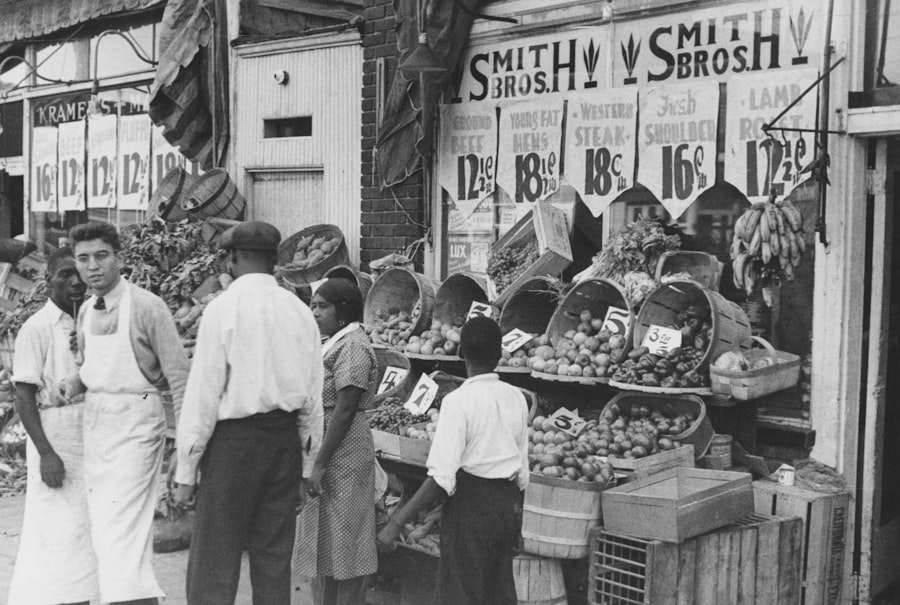
Beyond immediate shocks, underlying economic trends and demographic changes exert a steady, often invisible, pressure on food prices.
Inflationary Pressures: The Eroding Power of Money
Inflation, the general increase in prices and fall in the purchasing value of money, is a pervasive economic force that touches every sector, including food.
- Monetary Policies: Central bank policies, such as interest rate adjustments and money supply management, play a crucial role. When governments inject large amounts of money into the economy or keep interest rates low for extended periods, it can lead to increased demand and, consequently, higher prices across the board, including for food.
- Energy Prices: As discussed earlier, energy costs are deeply embedded in the food supply chain. When crude oil, natural gas, or electricity prices rise, the cost of farming, processing, transporting, and storing food also increases, contributing to broader inflation.
- Wage Growth and Labor Costs: While beneficial for workers, rising wages in the food sector can translate into higher production costs for businesses, which are then often passed on to consumers.
Population Growth and Changing Diets: More Mouths, Different Tastes
The global population continues to expand, and with it, the demand for food grows. Furthermore, as economies develop, dietary preferences often shift towards more resource-intensive foods.
- Increased Demand: A larger global population inevitably means more people need to be fed. If food production doesn’t keep pace with this growing demand, prices will naturally rise due to scarcity. It’s the economic iron law of supply and demand in action.
- Shift to Meat and Dairy: As incomes rise in developing nations, there’s often a significant shift in dietary patterns away from staple grains towards more meat, dairy, and processed foods. Producing one kilogram of beef, for instance, requires significantly more land, water, and feed than producing one kilogram of wheat, making this dietary shift a resource-intensive one that contributes to increased overall food demand and prices. This is like everyone suddenly wanting luxury cars instead of basic transportation; the resources needed for those cars are far greater.
- Food Waste: While not a direct cause of price rises, the staggering amount of food wasted globally (an estimated one-third of all food produced) represents a colossal inefficiency. It means that precious resources, labor, and capital are expended to produce food that never reaches a hungry mouth, further contributing to higher effective demand and resource consumption.
The Green Revolution’s Shadow: Agricultural Input Costs
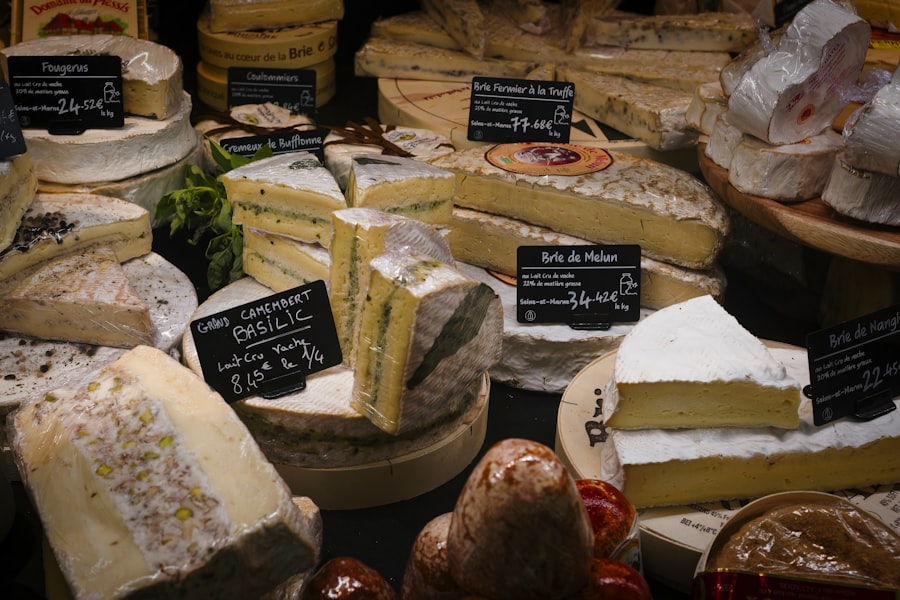
Modern agriculture, while incredibly productive, relies heavily on various inputs, the costs of which have been steadily climbing, impacting the farmer’s bottom line and, subsequently, your grocery bill.
Fertilizers and Pesticides: The Chemical Foundation
Farmers depend on chemical inputs to maintain soil fertility and protect crops from pests and diseases.
- Natural Gas Dependence: Many synthetic fertilizers, particularly nitrogen-based ones, are produced using natural gas as a feedstock. Fluctuations in natural gas prices, often driven by global energy markets and geopolitical events, directly translate into higher fertilizer costs for farmers. Imagine the price of bricks for a house construction suddenly doubling; the house builder has to pass that cost on.
- Raw Material Costs: The production of other fertilizers (like phosphorus and potassium) and pesticides also relies on various raw materials, whose prices can be volatile due to mining costs, supply chain issues, and global demand.
- Environmental Regulations: Increasingly stringent environmental regulations, while necessary for sustainability, can add to the cost of producing and applying these chemicals, as farmers may need to invest in new equipment or practices.
Seeds and Machinery: The Tools of the Trade
The fundamental tools of farming – seeds and machinery – also represent significant costs for agricultural producers.
- Genetic Engineering and Proprietary Seeds: Much of modern agriculture relies on hybrid or genetically modified seeds developed by large corporations. These seeds often come with intellectual property rights and higher prices, but also promise higher yields or resistance to pests. This investment is passed down.
- Machinery and Technology: Modern farm machinery, from tractors to irrigation systems, is increasingly sophisticated and expensive. The cost of purchasing, maintaining, and fueling this equipment is a major expense for farmers, especially given the rising cost of metals and electronic components.
- Investment in Innovation: While technological advancements can increase efficiency and yields in the long run, the initial investment in new technologies, such as precision agriculture tools, can be substantial, influencing short-term production costs.
The rising cost of food has become a pressing issue for many households, and understanding the underlying factors is essential. A related article that delves into the real reasons for high food prices can provide valuable insights into this complex topic. For those interested in exploring this further, you can read more about it in this informative piece on the subject. The article highlights various elements such as supply chain disruptions, inflation, and climate change that contribute to the escalating prices. To learn more, check out this detailed analysis that sheds light on the intricacies of food pricing.
Financial Speculation and Market Behavior: The Invisible Hand’s Grip
| Factor | Description | Impact on Food Prices | Example Metrics |
|---|---|---|---|
| Supply Chain Disruptions | Delays and interruptions in transportation, processing, and distribution of food products. | Increases costs due to scarcity and higher logistics expenses. | Shipping delays up to 30%, increased freight costs by 20% |
| Climate Change and Weather Events | Extreme weather such as droughts, floods, and storms affecting crop yields. | Reduces supply, leading to higher prices. | Crop yield reductions of 10-25% in affected regions |
| Rising Input Costs | Increased prices for fertilizers, fuel, seeds, and labor. | Raises production costs, passed on to consumers. | Fertilizer prices up 40%, fuel costs up 30% |
| Increased Demand | Growing global population and changing diets increasing food consumption. | Higher demand pressures supply, pushing prices up. | Global food demand growth of 1.5% annually |
| Trade Policies and Tariffs | Import/export restrictions, tariffs, and subsidies affecting food prices. | Can increase costs or limit availability of certain foods. | Tariffs increasing import costs by 10-15% |
| Energy Prices | Cost of energy impacts food production, processing, and transportation. | Higher energy costs increase overall food prices. | Energy costs contributing 20-30% to food production expenses |
Beyond the tangible factors, the financial markets themselves can play a significant role in influencing food prices, sometimes acting like a magnifying glass on existing volatility.
Commodity Trading: Gambling on Futures
Food commodities like wheat, corn, and soybeans are traded on futures markets, much like stocks or bonds.
- Speculative Investments: Investors and hedge funds, keen to profit from price movements, buy and sell commodity futures contracts. While this trading can provide liquidity to the market, excessive speculation, particularly during times of uncertainty, can artificially inflate prices. If many people believe the price of wheat will go up, and start buying contracts, this increased demand can indeed push the price up, regardless of immediate supply conditions. It’s like a rush to buy gold when people anticipate economic turmoil; the demand drives the price.
- Financialization of Food: The increasing interconnectedness between financial markets and food commodities means that food prices can be influenced by broader financial trends and investor sentiment, rather than solely by fundamental supply and demand dynamics.
- Algorithmic Trading: High-frequency trading algorithms, designed to exploit tiny price discrepancies, can sometimes amplify market volatility, leading to rapid price swings that are disconnected from the underlying physical market.
Market Concentration: Few Hands, Big Influence
Consolidation in the food industry, from seed companies and agricultural processors to retail giants, means fewer players wield significant market power.
- Monopolistic Practices: When a few dominant companies control large segments of the food supply chain, they can exert greater influence over pricing. This can lead to reduced competition and, potentially, higher prices for consumers, as smaller farmers or retailers have fewer alternatives.
- Bargaining Power: Large retailers, for instance, often have immense bargaining power over farmers and food processors, squeezing their margins. While this can sometimes lead to lower prices on certain items for consumers, it can also put immense pressure on producers, making their operations less sustainable and potentially leading to higher prices in the long run if they exit the market.
In conclusion, the high food prices you encounter are not the result of a single culprit but rather a complex interplay of forces. From the immediate shockwaves of geopolitical conflicts and extreme weather to the persistent hum of inflation, economic shifts, and the intricacies of global markets, each factor contributes to painting the picture on your grocery receipt. Understanding these dynamics empowers you to better comprehend the economic landscape of your daily bread and the broader challenges facing our global food system.
FAQs
What are the main factors contributing to high food prices?
The main factors include increased production costs, supply chain disruptions, adverse weather conditions, higher fuel prices, and increased demand globally.
How do weather conditions affect food prices?
Extreme weather events such as droughts, floods, and storms can damage crops and reduce yields, leading to lower supply and higher prices.
Does fuel price impact food prices?
Yes, higher fuel prices increase transportation and production costs, which in turn raise the overall cost of food.
How do supply chain issues influence food prices?
Disruptions in transportation, labor shortages, and logistical challenges can delay food delivery and reduce availability, causing prices to rise.
What role does global demand play in food price increases?
Rising demand from growing populations and changing dietary preferences can strain supply, pushing prices upward.
Are government policies responsible for high food prices?
Certain policies such as export restrictions, tariffs, and subsidies can affect food availability and prices, but they are just one part of a complex set of factors.
Can inflation contribute to higher food prices?
Yes, general inflation increases the cost of goods and services, including food production and distribution, leading to higher food prices.
How do labor costs affect food prices?
Increases in wages and labor shortages in agriculture and food processing sectors can raise production costs, which are often passed on to consumers.
Is food price volatility linked to commodity markets?
Yes, fluctuations in commodity prices for grains, oilseeds, and other inputs can cause food prices to vary significantly.
What can consumers do to cope with high food prices?
Consumers can plan meals, buy in bulk, choose seasonal and local products, and reduce food waste to manage the impact of rising food costs.