
You stand in a grocery aisle, a tableau of abundance surrounding you. The vibrant packaging, the carefully arranged displays, the tantalizing aroma of fresh produce – it all conspires to suggest a simple transaction: you pay the listed price, and you receive your chosen goods. But beneath this surface, a less visible exchange is taking place, a transfer of wealth that impacts your wallet, your access to healthy food, and even the very fabric of your food system. You are, in essence, paying a secret corporate food tax. This isn’t a direct levy from a government body, but rather a series of practices, often opaque and strategically implemented, that cumulatively extract additional value from your food purchases, ultimately enriching a handful of powerful corporations. Understanding this tax requires peeling back layers of the food industry, revealing the mechanisms through which these corporations exert control and derive profit.
You might believe that the vast array of brands before you represents robust competition, ensuring fair prices and high quality. However, this perception is largely an illusion. The reality is that the food industry has undergone a rapid and profound consolidation over the past few decades. A handful of massive corporations now control a disproportionate share of the market, from seed production to grocery shelves. Learn more about corporate control by watching this insightful video corporate control.
The Wal-Mart Effect and Supply Chain Leverage
Consider a grocery store like Walmart. Its sheer purchasing power allows it to dictate terms to suppliers, often demanding lower prices than smaller retailers. This translates into immense pressure on food producers, who must choose between accepting reduced margins or losing access to a significant market. You, as a consumer, might initially benefit from these lower prices at the checkout. However, this comes at a cost.
- Supplier squeeze: Smaller, independent food producers often struggle to compete, eventually being acquired by larger entities or driven out of business. This reduces the diversity of food options and innovation.
- Quality compromise: To meet the demands for lower prices, producers may be forced to cut corners on ingredients, processing, or labor, potentially impacting the quality and nutritional value of your food.
- Limited alternatives: As independent options dwindle, you have fewer places to turn if you disagree with the practices of dominant retailers or brands.
Mergers and Acquisitions: Eroding Competition
You’ve likely seen headlines about mega-mergers in the food sector. Companies like Kraft Heinz, AB InBev, and JBS have grown to colossal proportions through aggressive acquisition strategies. Each merger further concentrates market power, reducing the number of independent players and strengthening the negotiating position of the remaining giants.
- Shrinking producer pool: Fewer competitors mean less pressure to innovate or offer competitive pricing at the production level.
- Gatekeepers of access: These consolidated entities control access to vast distribution networks, making it incredibly difficult for new, smaller food businesses to gain traction.
- Reduced innovation: With less competition, there’s less incentive for companies to invest in research and development for new, healthier, or more sustainable products. Why disrupt a profitable status quo when you face minimal challenge?
In recent discussions about the impact of corporate practices on consumer prices, an insightful article titled “Exposing the Hidden Corporate Food Tax” sheds light on how large corporations influence food pricing through various hidden costs. This article delves into the mechanisms behind these practices and offers a critical perspective on the implications for consumers. For further reading, you can access the article here: Exposing the Hidden Corporate Food Tax.
The Invisible Hands of Intermediaries and Value Extraction
Beyond the obvious brand names, a complex web of intermediaries operates within the food system, each extracting its own share of the value before the product reaches your hands. These are often the hidden taxes you pay.
The Role of Commodity Speculators
You’ve probably noticed price fluctuations in staple foods like wheat, corn, or soybeans. While weather patterns and geopolitical events play a role, another significant factor is the activity of commodity speculators. These financial players buy and sell contracts for future delivery of agricultural goods, often without any intention of ever taking physical possession of the commodities themselves.
- Market volatility: Speculation can amplify price swings, creating instability for both farmers and consumers. When prices rise due to speculative activity, you pay more at the grocery store.
- Disconnection from fundamentals: Prices can become detached from the actual supply and demand dynamics, becoming more influenced by financial maneuvers than by the realities of food production.
- Risk transfer to consumers: Farmers bear the brunt of price volatility, and ultimately, you do too, as these costs are passed on through the supply chain.
The Power of Food Processors
The journey from farm to fork often involves extensive processing. Companies like Nestlé, PepsiCo, and Conagra Brands transform raw agricultural products into the convenience foods, snacks, and ready meals that fill your shopping cart. While processing can offer benefits like extended shelf life and convenience, it also provides an opportunity for significant value addition and profit extraction.
- Ingredient manipulation: Processed foods often contain cheaper, highly refined ingredients (e.g., high-fructose corn syrup, refined oils) that are shelf-stable and cost-effective for manufacturers, even if they offer less nutritional value.
- Branding and marketing premium: A significant portion of the price of processed foods is not for the raw ingredients but for the elaborate marketing campaigns, branding, and packaging designed to entice you. You are, in essence, paying for the “brand experience” more than the food itself.
- Ownership of intellectual property: Many processing companies invest heavily in research and development to create proprietary ingredients, flavors, and processing techniques. This intellectual property gives them a competitive advantage and allows them to charge a premium.
The Information Asymmetry and Marketing Manipulation

You are constantly bombarded with messages designed to influence your food choices. This advertising isn’t just about informing you about a product; it’s a sophisticated psychological operation designed to create demand, foster brand loyalty, and ultimately, get you to spend more.
The Art of Branding and Packaging
Walk through any grocery store, and you’ll see a riot of colors, fonts, and imagery. This isn’t random. Each element of packaging is carefully designed to evoke specific emotions, associations, and desires.
- “Health halos”: Terms like “natural,” “organic,” “whole grain,” and “sugar-free” are often prominently displayed, even if the product’s overall nutritional profile is questionable. You are led to believe you are making a healthy choice, even when you aren’t.
- Convenience premium: Packaging designed for ease of use (e.g., single-serving portions, resealable bags) often comes with a higher per-unit price. You pay for the added convenience.
- Emotional marketing: Advertisements often tie food products to aspirations of happiness, family, success, or adventure. The product becomes a conduit for these desired states, rather than simply a source of nutrition. You are buying into a lifestyle, not just a commodity.
The Science of “Craving” and Engineered Foods
Food scientists employed by large corporations work tirelessly to optimize the “bliss point” of foods – that ideal combination of salt, sugar, and fat that makes a product irresistibly palatable and encourages overconsumption.
- Hedonic manipulation: These carefully engineered foods activate your brain’s reward centers, creating a cycle of pleasure and desire that can lead to cravings and addiction-like behaviors.
- Portion size creep: You’ve likely noticed that portion sizes for many processed foods have grown over the years. Larger portions often translate to more consumption and subsequently, more purchases.
- “Ultra-processed” convenience: The proliferation of ultra-processed foods, often stripped of nutrients and loaded with artificial additives, is a testament to the industry’s focus on cost-efficiency and engineered palatability over genuine nutritional value. You pay a premium for taste that often comes with a health cost.
The Externalized Costs and Environmental Burden
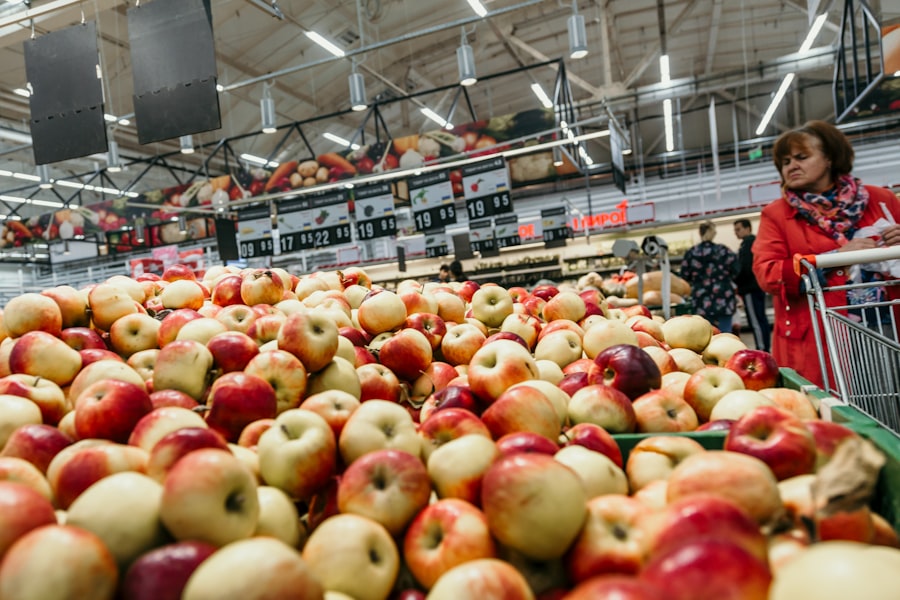
The price you pay at the checkout often does not fully reflect the true cost of producing that food. Many of these costs are “externalized,” meaning they are borne by society, the environment, or future generations, rather than being incorporated into the product’s price. You, as a citizen and consumer, ultimately bear these costs in other ways.
Industrial Agriculture’s Environmental Footprint
The dominant model of industrial agriculture, driven by the demands of large food corporations, has a significant environmental impact.
- Monoculture and biodiversity loss: Vast tracts of land are dedicated to single crops, depleting soil nutrients and reducing biodiversity. This makes food systems more vulnerable to pests and diseases.
- Pesticide and herbicide use: The extensive use of chemical inputs contaminates water sources, harms beneficial insects (like pollinators), and can have long-term health consequences for agricultural workers and local communities. You, as a taxpayer, often shoulder the cost of environmental cleanup and healthcare related to these impacts.
- Greenhouse gas emissions: Industrial farming practices, including the production of synthetic fertilizers, livestock methane emissions, and long-distance transportation, contribute significantly to climate change. The future costs of climate change – extreme weather events, sea-level rise, resource scarcity – will be paid by everyone.
Labor Exploitation and Ethical Blind Spots
The drive for lower costs and higher profits often comes at the expense of those working in the food supply chain.
- Low wages and poor working conditions: Many agricultural workers, factory employees, and even retail staff in the food sector receive low wages, lack benefits, and work in challenging conditions. These “savings” for corporations come from human exploitation.
- Supply chain opaqueness: The complexity of global supply chains makes it difficult for consumers to trace the origins of their food and ascertain the ethical treatment of workers involved in its production. You might be inadvertently supporting practices you would otherwise condemn.
- Animal welfare concerns: The industrialization of meat and dairy production often involves concentrated animal feeding operations (CAFOs) with significant animal welfare issues. While these methods reduce production costs, they raise ethical questions about the treatment of sentient beings.
In recent discussions about the impact of corporate practices on consumer prices, the concept of a hidden corporate food tax has garnered significant attention. This intriguing topic is explored in detail in a related article that delves into the ways corporations influence food pricing and the implications for consumers. For those interested in understanding this issue further, you can read more about it in the article on corporate food taxes found here. By examining these hidden costs, we can better understand the broader economic landscape and its effects on our daily lives.
Reclaiming Your Food Power: Strategies for Resistance
| Metric | Description | Estimated Impact | Source |
|---|---|---|---|
| Subsidies to Industrial Agriculture | Government financial support to large-scale food producers | Over 20 billion annually | OECD Reports |
| Externalized Environmental Costs | Costs of pollution, soil degradation, and water use not paid by corporations | Estimated 50-100 billion annually | Environmental Impact Studies |
| Health-Related Costs | Medical expenses linked to processed food consumption and obesity | Approx. 150 billion annually | Public Health Data |
| Tax Breaks and Loopholes | Corporate tax reductions benefiting large food companies | Estimated 10 billion annually | Tax Policy Center |
| Hidden Cost per Consumer | Additional cost borne by consumers due to corporate food tax | Approx. 500 per year | Consumer Advocacy Groups |
You might feel overwhelmed by the scale of this “secret corporate food tax.” However, you are not powerless. By understanding these mechanisms, you can make more informed choices and contribute to a more equitable and sustainable food system.
Intentional Consumption and Local Sourcing
Every dollar you spend is a vote for the kind of food system you want. By deliberately choosing where and how you purchase your food, you can exert influence.
- Support local farmers: Prioritize farmers’ markets, community-supported agriculture (CSA) programs, and local grocery stores that source from nearby farms. This directly supports local economies, reduces transportation costs, and often leads to fresher, more nutritious produce.
- Read labels critically: Don’t be swayed by marketing jargon. Learn to identify real ingredients, understand nutritional information, and discern genuinely healthy options from those with “health halos.”
- Reduce processed food intake: Minimize your reliance on ultra-processed foods. Focus on whole, unprocessed ingredients that you can prepare yourself. This often leads to better health outcomes and saves you money in the long run.
Advocating for Policy Change
Individual actions are powerful, but systemic change requires collective effort and policy reform. You can contribute to shaping a better food future.
- Support anti-trust regulation: Advocate for policies that promote fair competition in the food industry, breaking up monopolies and preventing excessive corporate consolidation.
- Push for transparency: Demand greater transparency in food labeling, supply chains, and corporate practices. You have a right to know how your food is produced and who profits from it.
- Champion sustainable agriculture: Support agricultural policies that incentivize environmentally friendly practices, reduce chemical inputs, and promote biodiversity.
- Advocate for living wages: Support policies that ensure fair wages and safe working conditions for all individuals involved in the food system, from farmworkers to grocery store employees.
You are not merely a passive recipient of the food system; you are an active participant. By recognizing the secret corporate food tax and understanding its mechanisms, you can choose to become an agent of change, steering your financial power towards a food system that is more just, more sustainable, and truly nourishing for all. The grocery aisle is not just a place to shop; it’s a battleground for your economic well-being and the future of food. It’s time for you to take back your power.
FAQs
What is the hidden corporate food tax?
The hidden corporate food tax refers to additional costs embedded in food prices that result from corporate practices, such as monopolistic pricing, supply chain markups, and lack of transparency. These costs are not explicitly labeled as taxes but effectively increase the price consumers pay for food.
How do corporations contribute to higher food prices?
Corporations can contribute to higher food prices through practices like controlling large portions of the supply chain, setting higher markups, limiting competition, and engaging in price-fixing or other anti-competitive behaviors. These actions can inflate food costs beyond what would be expected in a competitive market.
Is the hidden corporate food tax an actual government tax?
No, the hidden corporate food tax is not an official government tax. Instead, it refers to the indirect costs imposed on consumers by corporate pricing strategies and market dynamics that increase food prices without transparent disclosure.
Who is most affected by the hidden corporate food tax?
Consumers, especially low- and middle-income households, are most affected because they spend a larger portion of their income on food. Higher food prices reduce their purchasing power and can contribute to food insecurity.
Can the hidden corporate food tax be regulated or reduced?
Potentially, yes. Increased market competition, stronger antitrust enforcement, transparency in pricing, and policies promoting fair trade practices can help reduce the hidden costs imposed by corporations on food prices.
Why is the hidden corporate food tax difficult to identify?
It is difficult to identify because these costs are embedded within the supply chain and pricing structures, lacking clear labeling or disclosure. The complexity of food production and distribution networks obscures the extent of corporate markups.
What impact does the hidden corporate food tax have on food security?
By increasing food prices, the hidden corporate food tax can limit access to affordable, nutritious food for many consumers, thereby exacerbating food insecurity and related health issues.
Are there any movements or organizations addressing the hidden corporate food tax?
Yes, consumer advocacy groups, food justice organizations, and some policymakers are working to increase transparency, promote fair pricing, and challenge monopolistic practices in the food industry to address these hidden costs.