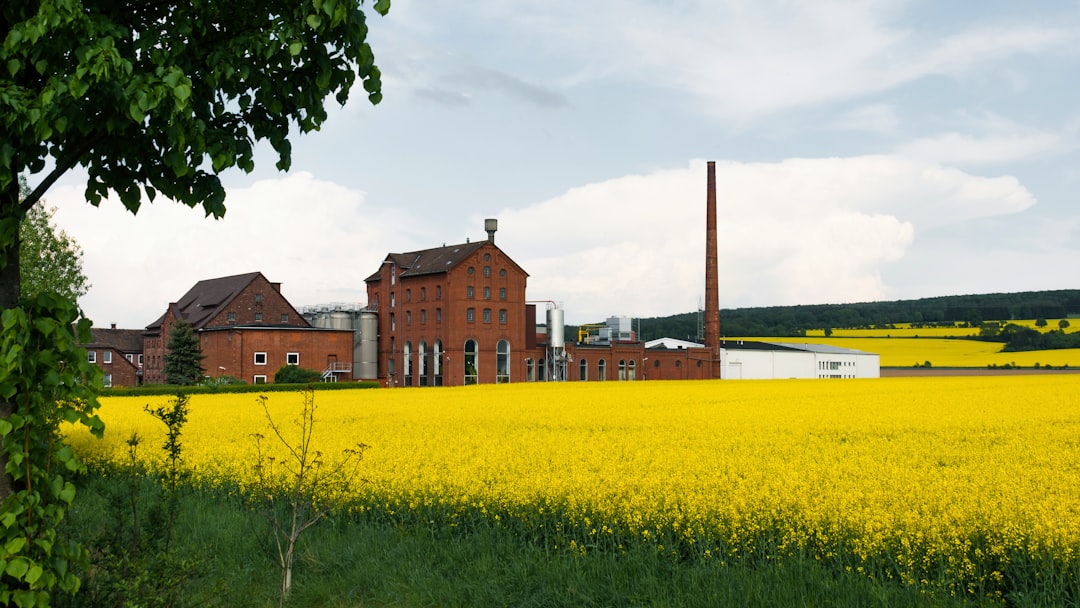
You stand at the precipice of a global food system, a system so vast and intricate that its inner workings often remain obscured. You, as a consumer, a citizen, and a steward of this planet, possess a critical role in unraveling the complexities of industrial agriculture. This isn’t a mere academic exercise; it’s an urgent call to understand the unseen forces shaping your plate, your health, and the very environment you inhabit.
Imagine a labyrinth, where each twist and turn is controlled by a select few, dictating the flow of sustenance for billions. This is not a fanciful metaphor. You are witnessing the increasing concentration of power within the agricultural sector, a phenomenon with far-reaching consequences. Learn more about corporate control by watching this insightful video corporate control.
Seed Giants and Genetic Control
Consider the humble seed, the genesis of all life. Historically, seeds were a shared resource, exchanged and cultivated across generations. Now, you observe a landscape dominated by a handful of multinational corporations.
- Proprietary Control: These corporations own the intellectual property of a vast majority of commercially available seeds. This means you, as a farmer or even a home gardener, are often reliant on their patented varieties, complete with terms of use that restrict saving seeds for future seasons.
- Reduced Biodiversity: The relentless pursuit of high-yield, uniform crops has led to a dramatic reduction in agricultural biodiversity. As you walk through fields stretching for miles, you see monocultures – vast expanses of a single crop. This homogeneity, while efficient for industrial-scale production, leaves the entire food system vulnerable to disease and pests. It’s like building your house with only one type of brick; a single design flaw can bring the whole structure down.
- Dependency on External Inputs: These proprietary seeds are often engineered to thrive only with specific chemical fertilizers and pesticides, also often produced by the same corporations. You are thus locked into a system where your productivity is intrinsically linked to purchasing a full suite of products from a single source.
The Rise of Corporate Livestock Operations
Shift your gaze from the fields to the barns, or rather, the massive structures housing thousands of animals. These are not the idyllic farms of children’s storybooks.
- Concentrated Animal Feeding Operations (CAFOs): You encounter CAFOs, vast industrial facilities designed for maximum production of meat, milk, and eggs. Animals are housed in incredibly high densities, often in confined spaces, a stark contrast to their natural habitats.
- Antibiotic Dependence: The close confinement in CAFOs creates a fertile ground for disease. To prevent widespread outbreaks and to promote faster growth, antibiotics are routinely administered to healthy animals. You are effectively witness to a system where a significant proportion of globally produced antibiotics are used in animal agriculture, a practice that contributes to the rise of antibiotic-resistant bacteria, a silent but deadly threat to human health.
- Environmental Burden: The sheer volume of waste generated by CAFOs poses a significant environmental challenge. Runoff from these operations contaminates waterways with nitrates, phosphorus, and pathogens, leading to algal blooms and dead zones. It’s a pollution footprint that extends far beyond the farm gates.
The dark side of industrial agriculture is a pressing issue that encompasses various environmental, ethical, and health concerns. For a deeper understanding of the implications of industrial farming practices, you can explore a related article that discusses how these methods impact not only the ecosystem but also the communities involved in food production. To read more about this topic, visit this article.
Environmental Degradation: A Silent Scourge
The fingerprints of industrial agriculture are etched deeply into the fabric of the Earth. You don’t need a microscope to see them, only a willingness to look beyond the superficial appearance of abundance.
Soil Depletion and Erosion
The very foundation of agriculture, the soil, is under relentless assault. You are observing a rapid decline in its vitality.
- Intensive Tillage Practices: Traditional farming practices often involved tilling the soil, but industrial agriculture often employs highly aggressive methods, turning the soil repeatedly. This disrupts its structure, leading to accelerated erosion by wind and water. Imagine the topsoil, the vital skin of the Earth, being slowly peeled away.
- Loss of Organic Matter: The continuous cultivation of monocultures and the lack of crop rotation deplete soil organic matter. Organic matter is the lifeblood of soil, providing nutrients, retaining moisture, and fostering a healthy microbial ecosystem. Without it, the soil becomes a sterile medium, increasingly reliant on synthetic inputs.
- Chemical Fertilizer Dependence: To compensate for depleted soil, you see vast quantities of synthetic fertilizers being applied. While initially boosting yields, overuse can lead to nutrient imbalances, soil acidification, and ultimately, a decrease in long-term fertility. It’s a short-term fix with long-term consequences.
Water Pollution and Scarcity
Water, the elixir of life, is simultaneously a victim and a critical input in industrial agriculture. You are witnessing its contamination and depletion at alarming rates.
- Pesticide and Herbicide Runoff: Rain washes pesticides and herbicides from agricultural fields into rivers, lakes, and oceans. These chemicals, designed to kill pests and weeds, also impact non-target organisms, disrupting aquatic ecosystems and potentially entering your drinking water. Think of it as a slow, pervasive poisoning of our most vital resource.
- Nitrate Contamination: As mentioned earlier, excess nitrogen from fertilizers and animal waste leaches into groundwater, contaminating wells and creating health risks, particularly for infants. This invisible threat can be present in the water you drink, unnoticed until its effects manifest.
- Excessive Water Usage: Industrial agriculture is a notoriously thirsty industry. Irrigation of water-intensive crops, particularly in arid regions, depletes aquifers at unsustainable rates. You are observing the extraction of ancient water reserves, resources that took millennia to accumulate, for short-term agricultural gains. This is a debt that future generations will ultimately have to pay.
Biodiversity Loss
The tapestry of life on Earth is intricate and interconnected. Industrial agriculture, with its focus on monocultures and chemical interventions, unravels this tapestry thread by thread.
- Habitat Destruction: The conversion of natural habitats, such as forests and grasslands, into vast agricultural fields leads to the displacement and loss of countless species. You see landscapes transformed into sterile, uniform environments, devoid of the diversity that once thrived there.
- Impact on Pollinators: The widespread use of pesticides, particularly neonicotinoids, has been implicated in the decline of pollinator populations, such as bees and butterflies. These industrious insects are vital for the reproduction of a significant portion of our food crops. Without them, the complex dance of pollination falters, threatening food security. It’s like silencing the orchestra that plays the music of our sustenance.
- Genetic Erosion: The focus on a limited number of high-yielding crop varieties and livestock breeds has led to the loss of genetic diversity within our food system. This makes our crops and animals more susceptible to new diseases and environmental changes. Imagine all your eggs in one basket; if that basket breaks, you lose everything.
Human Health Ramifications
The choices made in the field ultimately land on your plate. You must confront the potential health implications of a system designed for efficiency, often at the expense of well-being.
Pesticide Residues in Food
You are exposed to a complex cocktail of chemicals through the food you consume, a legacy of relentless pest and weed control.
- Dietary Exposure: Despite regulations, detectable levels of pesticide residues are found in many fruits, vegetables, and grains. The long-term effects of chronic, low-level exposure to these chemicals are a subject of ongoing scientific scrutiny and public concern.
- Specific Health Concerns: Research suggests potential links between pesticide exposure and various health issues, including neurological disorders, reproductive problems, and certain cancers. While direct causality can be difficult to establish, the cumulative burden of these chemicals on your body is a legitimate concern.
Antibiotic Resistance
The overuse of antibiotics in animal agriculture has a chilling echo in human medicine. You are facing a looming crisis of drug-resistant infections.
- Spread of Resistant Bacteria: Antibiotic-resistant bacteria that develop in animal populations can transfer to humans through the food chain, direct contact, or environmental pathways. You are essentially witnessing a superhighway for these dangerous microbes to travel from farm to table and beyond.
- Limited Treatment Options: The rise of “superbugs” means that common infections, once easily treatable, are becoming increasingly difficult, sometimes impossible, to cure. This directly impacts your personal health and the efficacy of modern medicine.
Nutritional Deficiencies and Ultra-Processed Foods
The pursuit of yield and efficiency in industrial agriculture can inadvertently compromise the nutritional quality of your food.
- Reduced Nutrient Density: Some studies suggest that modern crop varieties, bred for rapid growth and high yields, may have lower concentrations of certain vitamins and minerals compared to older varieties. You are essentially getting more calories for less nutrition.
- The Rise of Ultra-Processed Foods: The industrial food system heavily relies on raw materials from industrial agriculture to produce ultra-processed foods – products often high in sugar, unhealthy fats, and sodium, but low in fiber and essential nutrients. These foods are a significant contributor to the global obesity epidemic and related chronic diseases that you observe in your communities.
Economic and Social Impacts
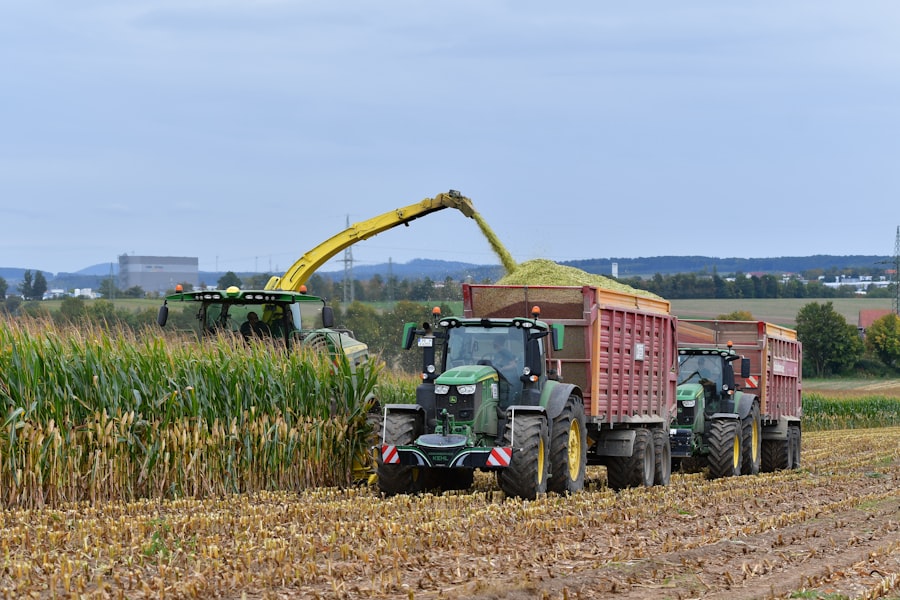
The ripples of industrial agriculture extend beyond the environment and individual health, shaping the very fabric of society and economics. You are observing a system that can create both abundance and disparity.
Disappearing Family Farms and Rural Communities
The relentless pursuit of scale and efficiency has reshaped the agricultural landscape, often at the expense of a cherished way of life.
- Consolidation and Competition: Small and medium-sized family farms struggle to compete with large industrial operations that benefit from economies of scale and often receive substantial government subsidies. You are witnessing a steady decline in the number of independent farmers, a foundational element of many rural communities.
- Loss of Livelihoods: As family farms close, rural communities experience economic decline, loss of jobs, and erosion of social cohesion. The vibrant tapestry of rural life begins to fray.
Food Security Versus Food Sovereignty
While industrial agriculture is often touted as the solution to global hunger, you must differentiate between mere access to food and the ability of communities to control their own food systems.
- Dependence on Global Markets: Many developing nations become reliant on imported, heavily subsidized agricultural products from industrial systems. This can undermine local food production and create vulnerability to global market fluctuations, leaving communities at the mercy of distant forces.
- Erosion of Traditional Knowledge: The dominance of industrial farming methods often leads to the displacement of indigenous agricultural practices and traditional ecological knowledge, which have sustained communities for centuries. You are observing the loss of invaluable wisdom in the pursuit of modern uniformity.
To conclude, you are not merely a passive observer in this intricate tapestry. You are an active participant, with the power to influence its direction. By understanding the intricate dangers woven into the fabric of industrial agriculture, you can begin to advocate for change, support alternative systems, and make informed choices that nourish both yourself and the planet. The future of food, and indeed, the future of our world, rests on your collective awareness and action.
FAQs
What is industrial agriculture?
Industrial agriculture is a modern farming practice that involves large-scale production of crops and livestock using mechanization, chemical fertilizers, pesticides, and genetically modified organisms to maximize yield and efficiency.
What are some negative environmental impacts of industrial agriculture?
Industrial agriculture can lead to soil degradation, water pollution from chemical runoff, loss of biodiversity, deforestation, and increased greenhouse gas emissions contributing to climate change.
How does industrial agriculture affect soil health?
The heavy use of chemical fertilizers and pesticides, along with monocropping practices, can deplete soil nutrients, reduce organic matter, and increase soil erosion, ultimately degrading soil quality.
What are the social consequences of industrial agriculture?
Industrial agriculture can contribute to the displacement of small-scale farmers, reduce rural employment opportunities, and create health risks for farmworkers due to exposure to chemicals.
Does industrial agriculture impact animal welfare?
Yes, industrial livestock production often involves confined animal feeding operations (CAFOs) where animals are kept in crowded, stressful conditions, raising concerns about animal welfare.
How does industrial agriculture contribute to climate change?
It contributes through the release of greenhouse gases such as methane from livestock, nitrous oxide from fertilizers, and carbon dioxide from deforestation and heavy machinery use.
Are there alternatives to industrial agriculture?
Yes, alternatives include organic farming, agroecology, regenerative agriculture, and sustainable farming practices that focus on environmental health, biodiversity, and social equity.
What role do pesticides play in industrial agriculture?
Pesticides are widely used to control pests and increase crop yields, but their overuse can harm beneficial insects, contaminate water sources, and pose health risks to humans and wildlife.
How does industrial agriculture affect water resources?
It often leads to excessive water use for irrigation, contamination of water bodies with fertilizers and pesticides, and depletion of aquifers, impacting water availability and quality.
Is industrial agriculture linked to food security?
While industrial agriculture has increased food production globally, its environmental and social drawbacks raise concerns about the long-term sustainability of food security.