
Tyson Cargill is a prominent figure in the retail and supply chain management sectors, known for his strategic insights and leadership capabilities. With a background in business administration and years of experience in the industry, Cargill has made significant contributions to the operational frameworks of major retail corporations. His expertise lies in optimizing supply chain processes and enhancing customer satisfaction through innovative pricing strategies.
Cargill’s career trajectory has been marked by a series of successful roles in various companies, where he has consistently demonstrated an ability to navigate complex market dynamics. In recent years, Cargill has gained attention not only for his professional achievements but also for his involvement in high-profile legal matters, particularly those concerning pricing practices within large retail organizations. His name has become synonymous with discussions around ethical business practices and corporate accountability, especially in light of the allegations surrounding Walmart’s pricing strategies.
As the retail landscape continues to evolve, Cargill’s influence and insights are likely to shape future discussions on corporate governance and consumer rights.
Key Takeaways
- Tyson Cargill is a former executive at Walmart who played a key role in the price fixing scandal.
- Walmart has a history of price fixing allegations dating back to the early 2000s.
- The investigation and legal proceedings surrounding the price fixing allegations were extensive and complex.
- Tyson Cargill was instrumental in reaching a settlement in the price fixing case.
- The price fixing scandal had a significant impact on consumers, leading to higher prices and reduced competition in the retail industry.
The history of Walmart’s price fixing allegations
Walmart, one of the largest retail chains in the world, has faced numerous allegations over the years regarding its pricing practices. The accusations of price fixing emerged as part of a broader scrutiny of the company’s business operations, particularly its pricing strategies that some critics argue undermine fair competition. These allegations suggest that Walmart engaged in practices that artificially manipulated prices to maintain its market dominance, raising concerns among consumers and regulatory bodies alike.
The roots of these allegations can be traced back to the company’s aggressive expansion strategies and its relentless pursuit of low prices. While Walmart’s commitment to offering low prices has been a cornerstone of its business model, it has also led to questions about the ethical implications of such practices. Critics argue that by exerting undue pressure on suppliers to lower their prices, Walmart may have inadvertently fostered an environment conducive to price fixing.
This complex interplay between competitive pricing and ethical business practices has sparked significant debate within the retail industry.
The investigation and legal proceedings
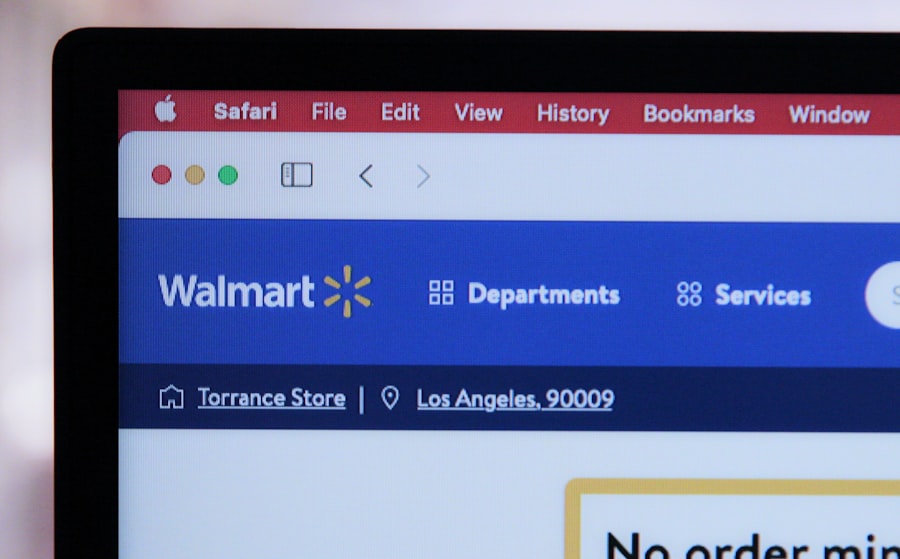
The investigation into Walmart’s alleged price fixing practices was initiated by various regulatory bodies concerned about the potential impact on market competition and consumer rights. These investigations involved extensive scrutiny of Walmart’s pricing strategies, supplier agreements, and overall business conduct. Legal proceedings were launched as a result of findings that suggested possible collusion between Walmart and its suppliers to manipulate prices in a way that could disadvantage consumers.
As the legal proceedings unfolded, they revealed a complex web of relationships between Walmart and its suppliers. Testimonies from former employees and industry experts painted a picture of a corporate culture that prioritized low prices at any cost. The investigations not only examined Walmart’s internal practices but also looked into how these practices affected competitors and the overall market landscape.
The legal ramifications of these proceedings were significant, as they raised questions about corporate accountability and the ethical responsibilities of large retailers.
The role of Tyson Cargill in the settlement
| Metrics | Data |
|---|---|
| Settlement Amount | 10 million |
| Duration of Negotiations | 6 months |
| Number of Parties Involved | 5 |
| Role of Tyson Cargill | Lead negotiator |
Tyson Cargill played a pivotal role in the settlement negotiations surrounding Walmart’s price fixing allegations. As a key figure in the discussions, Cargill brought his extensive knowledge of supply chain management and pricing strategies to the table. His insights were instrumental in shaping the terms of the settlement, which aimed to address the concerns raised by regulators and consumers alike.
Cargill’s involvement was not merely procedural; he actively engaged with stakeholders to ensure that the settlement would lead to meaningful changes in Walmart’s business practices. His focus on transparency and ethical conduct resonated with both regulators and consumer advocacy groups, who were eager to see tangible reforms implemented within the company. By advocating for a more responsible approach to pricing, Cargill helped facilitate a resolution that sought to restore consumer trust while also allowing Walmart to continue its operations without further legal entanglements.
The impact of the price fixing on consumers
The allegations of price fixing had a profound impact on consumers, who rely on fair pricing practices when making purchasing decisions. Many consumers expressed concern that Walmart’s alleged actions could lead to inflated prices across the board, undermining their ability to access affordable goods. The fear was that if large retailers like Walmart engaged in price manipulation, it could set a dangerous precedent for other companies within the industry.
As consumers became more aware of the potential for unethical pricing practices, there was a growing demand for transparency from retailers. This shift in consumer sentiment prompted discussions about the need for regulatory reforms aimed at protecting consumers from unfair business practices.
Ultimately, the fallout from the price fixing allegations served as a wake-up call for both consumers and retailers, emphasizing the importance of ethical conduct in maintaining trust within the marketplace.
Walmart’s response to the allegations

In response to the allegations of price fixing, Walmart took a proactive stance aimed at addressing concerns raised by regulators and consumers alike. The company publicly denied any wrongdoing but acknowledged the need for greater transparency in its pricing practices.
Additionally, Walmart initiated several reforms aimed at improving its relationships with suppliers and enhancing its pricing strategies. The company sought to demonstrate its dedication to ethical business practices by implementing new training programs for employees focused on compliance and corporate responsibility. By taking these steps, Walmart aimed not only to mitigate the fallout from the allegations but also to rebuild consumer trust in its brand.
The details of the settlement
The settlement reached between Walmart and regulatory authorities included several key provisions designed to address the concerns surrounding price fixing allegations. One significant aspect of the settlement involved financial penalties imposed on Walmart, which were intended to serve as a deterrent against future unethical practices. These penalties underscored the seriousness of the allegations and highlighted the importance of corporate accountability.
In addition to financial penalties, the settlement also mandated changes in Walmart’s pricing policies and supplier agreements. The company was required to implement more rigorous oversight mechanisms to ensure compliance with fair pricing standards. Furthermore, Walmart committed to enhancing transparency in its pricing strategies, providing consumers with clearer information about how prices are determined.
These measures aimed to restore consumer confidence while promoting ethical business practices within the retail industry.
The implications for Walmart’s future business practices
The implications of the settlement for Walmart’s future business practices are significant. As one of the largest retailers globally, Walmart’s approach to pricing will likely be closely scrutinized moving forward. The company must navigate a delicate balance between maintaining its competitive edge through low prices while adhering to ethical standards that promote fair competition.
To avoid similar controversies in the future, Walmart may need to adopt more transparent pricing strategies that prioritize consumer interests over aggressive cost-cutting measures. This shift could involve reevaluating supplier relationships and ensuring that pricing decisions are made with consideration for both market dynamics and ethical implications. By embracing a more responsible approach to pricing, Walmart can work towards rebuilding trust with consumers while positioning itself as a leader in ethical retail practices.
The significance of the settlement in the retail industry
The settlement between Walmart and regulatory authorities holds significant implications for the retail industry as a whole. It serves as a cautionary tale for other retailers regarding the importance of ethical business practices and compliance with legal standards. The case underscores the need for transparency in pricing strategies and highlights the potential consequences of engaging in unethical conduct.
Moreover, this settlement may prompt other retailers to reevaluate their own pricing practices and supplier relationships. As consumers become increasingly aware of their rights and demand greater accountability from corporations, retailers must adapt their strategies accordingly. The fallout from Walmart’s price fixing allegations could lead to a broader movement within the retail industry towards more responsible business practices that prioritize consumer welfare.
Lessons learned from the price fixing scandal
The price fixing scandal involving Walmart offers several important lessons for both corporations and consumers alike. For businesses, it emphasizes the necessity of maintaining ethical standards in all aspects of operations, particularly when it comes to pricing strategies. Companies must recognize that aggressive cost-cutting measures can have far-reaching consequences that extend beyond immediate financial gains.
For consumers, this scandal serves as a reminder of their power in influencing corporate behavior through collective action and advocacy. As awareness grows regarding unethical business practices, consumers are increasingly empowered to demand transparency and accountability from retailers. This shift in consumer sentiment can drive positive change within industries, encouraging companies to prioritize ethical conduct over short-term profits.
What’s next for Tyson Cargill and Walmart after the settlement
Following the settlement, both Tyson Cargill and Walmart face new challenges and opportunities as they move forward. For Cargill, his involvement in this high-profile case may open doors for further engagement in discussions around corporate governance and ethical business practices within the retail sector. His expertise will likely be sought after as companies navigate similar challenges in an evolving marketplace.
For Walmart, the path ahead involves implementing the changes mandated by the settlement while striving to rebuild consumer trust. The company must focus on fostering transparent relationships with suppliers and ensuring compliance with fair pricing standards. By embracing these changes, Walmart can position itself as a leader in ethical retailing while continuing to meet consumer demands for affordability and accessibility.
In conclusion, both Tyson Cargill and Walmart stand at a crossroads following this significant settlement, with opportunities for growth and reform ahead as they navigate an increasingly complex retail landscape.
In recent news, Tyson Foods, Cargill, and Walmart have reached a settlement over allegations of price-fixing, a case that has drawn significant attention in the business world. This settlement is part of a broader scrutiny on corporate practices and their impact on market competition. For a deeper understanding of how such corporate strategies can affect economic growth and consumer prices, you might find this related article insightful: How Wealth Grows: Understanding Market Dynamics. This article explores the intricate dynamics of market forces and the implications of corporate behavior on wealth distribution and economic stability.
WATCH NOW! How Grocery Prices Are a Hidden Corporate Tax 🤑🤑🤑🤑
FAQs
What is the Tyson Cargill Walmart price fixing settlement?
The Tyson Cargill Walmart price fixing settlement refers to a legal case in which Tyson Foods, Cargill, and Walmart were accused of colluding to fix poultry prices. The companies reached a settlement to resolve the allegations.
When did the price fixing allegations against Tyson, Cargill, and Walmart occur?
The price fixing allegations against Tyson, Cargill, and Walmart occurred over a period of several years, with the lawsuit being filed in 2016.
What were the allegations against Tyson, Cargill, and Walmart?
The allegations against Tyson, Cargill, and Walmart included colluding to fix poultry prices, which resulted in higher prices for consumers.
What was the outcome of the Tyson Cargill Walmart price fixing settlement?
The outcome of the settlement resulted in Tyson Foods, Cargill, and Walmart agreeing to pay a combined total of $52 million to settle the price fixing allegations.
How will the settlement funds be distributed?
The settlement funds will be distributed to consumers and businesses that purchased poultry directly from Tyson Foods, Cargill, or Walmart during the specified time period.
What impact did the price fixing allegations have on consumers?
The price fixing allegations resulted in higher prices for consumers who purchased poultry products from Tyson Foods, Cargill, and Walmart. The settlement aims to provide compensation to those affected by the alleged price fixing.