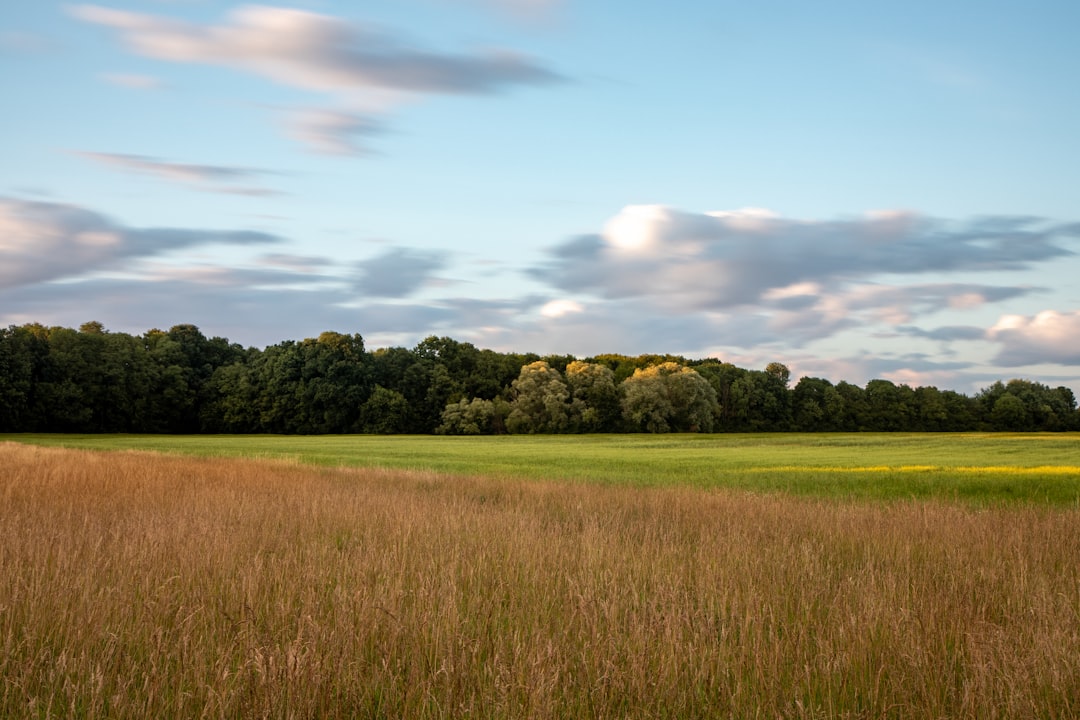
You’re standing at a crossroads, observing a landscape that is both familiar and irrevocably altered. The fields stretching before you, once the domain of family farmers and local communities, are undergoing a seismic shift. This isn’t a natural evolution; it’s a calculated acquisition, a methodical accumulation of the very ground beneath your feet by an unexpected force: Wall Street. You’ve heard whispers, seen headlines, but the full scope of Wall Street’s increasing involvement in American farmland is a phenomenon that demands your close attention.
For generations, the image of the American farmer has been inextricably linked to independent ownership, hands-on labor, and a deep, ancestral connection to the land. You probably envision weather-beaten faces, calloused hands, and a lifetime dedicated to nurturing the soil. This romanticized, and often accurate, depiction is now confronting a formidable challenger: the vast, abstract power of institutional capital. You might wonder, why farmland? The answer, like most financial endeavors, boils down to a confluence of factors that make agricultural land an appealing asset class. Learn more about the financialization of American agriculture and its impact on the economy.
The Allure of Tangible Assets in an Uncertain World
Consider the global financial climate you inhabit. Volatility, inflation, and unpredictable market swings are constant companions. In such an environment, the appeal of a tangible asset, something you can literally put your hands on, becomes incredibly strong. Farmland offers a perceived hedge against inflation, a finite resource with intrinsic value that tends to appreciate over time. You understand that unlike stocks or bonds, which can evaporate with a market crash, land remains. This inherent stability is a siren song for investors seeking a safe harbor for their capital.
Demographic Shifts and the Aging Farmer Population
The average age of the American farmer is unsettlingly high, hovering around 58 years old. You can see the implications of this statistic: a generation of farmers is nearing retirement with no clear succession plan in many cases. Children, often drawn to urban opportunities or unable to afford the escalating costs of land ownership, are not returning to the family farm. This demographic reality creates a substantial supply of land coming onto the market, a perfect storm for investors with deep pockets and a long-term strategy. You recognize this as a critical window of opportunity for those looking to acquire.
Agricultural Productivity and Global Food Demand
The world’s population continues to grow, and with it, the demand for food. You’re acutely aware of the pressures on global food systems. American farmland, renowned for its productivity and technological advancements, is seen as a crucial component in meeting this ever-increasing demand. For institutional investors, this translates into a stable and growing demand for the output of their investments, solidifying the long-term viability of their farmland portfolios. You understand that this isn’t just about land; it’s about feeding the world, and generating profit in the process.
The increasing trend of Wall Street firms purchasing vast tracts of America’s farmland has raised concerns about food security and the future of rural communities. This phenomenon is not just a financial strategy; it reflects broader economic shifts and the growing influence of institutional investors in agriculture. For a deeper understanding of this issue and its implications, you can read a related article that explores the dynamics of wealth accumulation in the agricultural sector. Check it out here: How Wealth Grows.
The Mechanisms of Acquisition: How Farmland Changes Hands
How does Wall Street, that amorphous entity of finance and trading, actually acquire a piece of America’s heartland? You might imagine clandestine dealings or aggressive hostile takeovers. The reality, while less dramatic, is far more pervasive and legally nuanced. It involves a web of investment vehicles, strategic partnerships, and a keen understanding of real estate markets.
Farmland Investment Trusts (FITs) and Real Estate Investment Trusts (REITs)
One of the primary vehicles you’ll encounter is the Farmland Investment Trust (FIT) or, more broadly, Real Estate Investment Trusts (REITs) that specialize in agricultural holdings. These entities allow institutional investors, pension funds, endowments, and even wealthy individuals to pool their capital to purchase large tracts of land. When you invest in a FIT, you’re essentially buying a share of a diversified portfolio of farms. This structure provides direct exposure to agricultural returns without the operational responsibilities of farming itself. You’re no longer buying a single farm; you’re buying a slice of a vast agricultural enterprise.
Direct Private Equity Investment and Hedge Funds
Beyond the public offerings of FITs, you’ll also find a significant presence of private equity firms and hedge funds directly acquiring farmland. These entities often have even more flexibility in their investment strategies, allowing them to target specific types of land, regions, or agricultural practices. They might engage in sale-leaseback arrangements, purchasing land from farmers and then leasing it back to them, providing the farmer with capital and the investor with a steady income stream. You witness the transformation of the farmer from landowner to tenant, a significant shift in their economic autonomy.
The Role of International Investors and Sovereign Wealth Funds
It’s not just domestic Wall Street players involved. You must also consider the significant role of international investors and sovereign wealth funds. Driven by similar motivations – long-term stability, inflation hedges, and food security concerns – these global entities are increasingly looking to American farmland as a strategic asset. You recognize that the reach of these acquisitions extends beyond national borders, intertwining with global capital flows and geopolitical considerations.
Consequences and Concerns: The Ripple Effect on Rural America
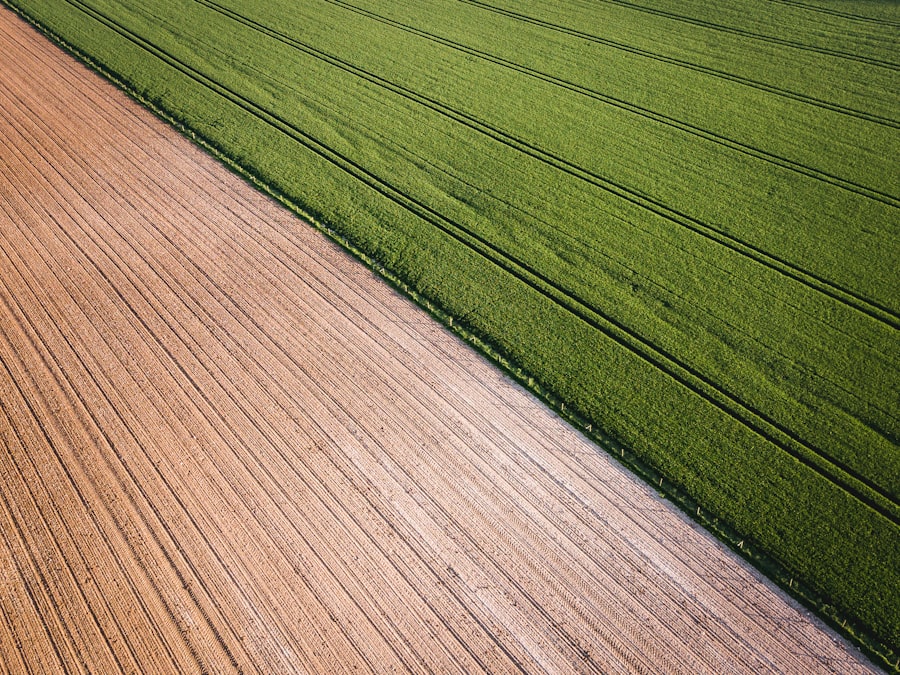
The increasing institutional ownership of farmland is not a neutral development. It acts as a powerful current, reshaping the bedrock of rural America. You need to understand the far-reaching consequences, both economic and social, that stem from this shift in ownership. This isn’t merely a change in ledger entries; it’s a fundamental alteration of communities and livelihoods.
Escalating Land Prices and Barriers to Entry for New Farmers
One of the most immediate and tangible effects you’ll observe is the upward pressure on land prices. When institutional investors, with their vast capital reserves, enter the market, they can often outbid individual farmers or aspiring agricultural entrepreneurs. This creates an ever-higher barrier to entry for the next generation of farmers, those who lack the deep pockets to compete. You witness the dream of land ownership, once a cornerstone of the American agricultural ideal, slowly receding for many. The land, once passed down through generations, now goes to the highest bidder, irrespective of their connection to the soil.
The Erosion of Rural Community Fabric
Beyond economics, you must consider the profound impact on the social fabric of rural communities. When land transitions from local, owner-operator hands to absentee corporate ownership, the very character of these places can begin to unravel. Decisions about land use, crop choices, and environmental practices are no longer made at the kitchen table but in distant boardrooms. You might see less investment in local infrastructure, less participation in community events, and a weakening of the social ties that bind these towns together. Anonymous ownership fosters a detachment that can hollow out the heart of a community.
Environmental Stewardship and Sustainable Practices
The shift in ownership also raises significant questions about environmental stewardship. While some institutional investors are committed to sustainable agriculture and regenerative practices, others may prioritize short-term returns over long-term ecological health. You must scrutinize the motivations behind their land management strategies. Will decisions be driven by quarterly profits or by the health of the soil and water? The risk of consolidation leading to monoculture farming and increased reliance on chemical inputs is a legitimate concern you should investigate. You understand that the land, like a living organism, requires careful tending, not just efficient extraction.
Regulatory Labyrinths and Policy Responses: Attempting to Steer the Ship
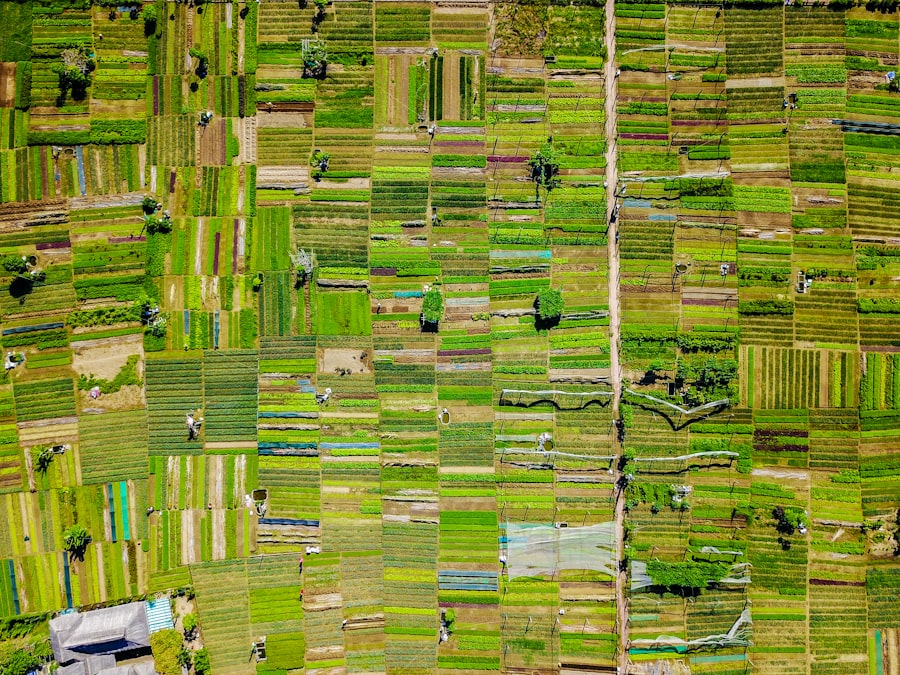
As you observe these significant transformations, you’ll naturally wonder about the governmental response. Are there any defenses, any attempts to mitigate the effects of this massive shift? The truth is, the regulatory landscape is complex and, in many ways, playing catch-up to the rapid pace of financial innovation.
State-Level Restrictions on Corporate Farm Ownership
Historically, some states have implemented statutes restricting corporate ownership of farmland. You might discover that these laws, often referred to as “anti-corporate farming laws,” were designed to protect family farmers and prevent industrial farming from dominating the landscape. However, the effectiveness of these laws varies widely, and many have loopholes or are challenged in court. You realize that these older legislative safeguards are often ill-equipped to handle the sophisticated financial structures employed by modern institutional investors.
Federal Scrutiny and National Security Concerns
On a federal level, concerns have been raised, particularly regarding the acquisition of farmland by foreign entities. You’ll note that the Committee on Foreign Investment in the United States (CFIUS) can review certain foreign investments for national security implications. However, the scope of CFIUS is limited and primarily focuses on security rather than the broader economic and social impacts of farmland acquisition by any institutional investor, domestic or foreign. You understand that national security is one facet, but it doesn’t encompass the full spectrum of challenges presented by Wall Street’s increasing footprint.
Proposals for New Regulations and Incentives for Family Farms
Advocates for family farmers and rural communities are pushing for new policy responses. You’ll hear proposals ranging from tightening existing anti-corporate farming laws to developing federal programs that help beginning farmers acquire land. There’s also discussion about tax incentives that favor local, owner-operated farms over absentee corporate interests. You recognize that these are complex political waters, and any substantive change will require significant public will and legislative effort. The tide, for now, seems to be flowing in the direction of consolidation, and shifting it will require a concerted effort.
The recent trend of Wall Street firms purchasing vast amounts of America’s farmland has raised concerns about the implications for local farmers and food security. A related article discusses how these investments could reshape agricultural practices and impact rural communities. For more insights on this topic, you can read the full analysis in the article found here. As these financial giants continue to acquire land, the future of farming in the United States may be at a pivotal crossroads.
The Future of Food and Farm: What Lies Ahead for American Agriculture
| Metric | Value | Notes |
|---|---|---|
| Percentage of US farmland owned by Wall Street investors | 2% | Estimated share of total US farmland |
| Total acres owned by institutional investors | 5 million acres | Includes private equity and real estate investment trusts |
| Annual growth rate of farmland acquisitions by Wall Street | 10% | Growth over the past decade |
| Average price per acre paid by Wall Street investors | 7,500 | Varies by region and land quality |
| Top states for Wall Street farmland purchases | Iowa, Nebraska, Texas | States with highest acreage acquired |
| Percentage of farmland leased to farmers | 85% | Most land is leased rather than farmed directly |
As you look towards the horizon, contemplating the trajectory of American agriculture, you are faced with a fundamental question: what will the landscape look like in the decades to come? The answer will, in large part, be shaped by the ongoing Wall Street takeover of American farmland.
The Industrialization of Agriculture: Efficiency vs. Resilience
The shift to institutional ownership often brings with it an emphasis on efficiency, scale, and data-driven decision-making. You might observe a further acceleration of the industrialization of agriculture, where farms are managed like factories, optimizing inputs and outputs for maximum financial return. While this can lead to increased productivity in some measures, you must also consider the potential downsides: a loss of biodiversity, increased environmental fragility, and a greater susceptibility to systemic shocks. You understand that a relentless pursuit of efficiency can sometimes come at the cost of resilience and long-term sustainability.
The Role of Technology and Precision Agriculture
Institutional investors are often keen to adopt and invest in cutting-edge technology and precision agriculture. Drones, artificial intelligence, and sophisticated data analytics are deployed to optimize yields, minimize waste, and enhance operational efficiency. While these innovations hold promise for sustainable practices, you must also consider who benefits most from these advancements. Will the benefits trickle down to local communities, or will they primarily serve to further centralize control and profit in the hands of distant owners? You observe that technology can be a double-edged sword, capable of both empowering and dispossessing.
Reimagining the Agricultural Landscape: A Call for Deliberate Action
Ultimately, the future of American farmland is not predetermined. It is a canvas on which your choices and collective actions will paint the future. You are witnessing a critical juncture where financial forces are reshaping a foundational industry. The question before you is not whether Wall Street will continue its acquisitions, but how you, as a society, will respond to its pervasive influence. Will you allow the land to become just another asset class in a diversified portfolio, or will you fight to preserve its deeper meaning as a source of sustenance, community, and heritage? You must decide whether to be a passive observer or an active participant in shaping the destiny of America’s soil. The clock is ticking, and the harvest of decisions made today will feed the future.
WATCH THIS! ⚠️💰🌾 Why Wall Street Is Buying Up America’s Farmland (And Why It Should Terrify You)
FAQs
Why is Wall Street interested in buying American farmland?
Wall Street investors are attracted to American farmland because it is considered a stable, long-term investment. Farmland can provide steady income through crop production and potential appreciation in land value. Additionally, farmland investments can serve as a hedge against inflation and diversify investment portfolios.
How much farmland has Wall Street purchased in the United States?
Exact figures vary, but estimates suggest that institutional investors, including private equity firms and real estate investment trusts (REITs), have acquired millions of acres of U.S. farmland over the past decade. This trend has increased as farmland prices have risen and demand for agricultural commodities has grown.
What types of investors from Wall Street are buying farmland?
Investors include private equity firms, hedge funds, pension funds, and real estate investment trusts (REITs). These entities often pool capital from multiple investors to purchase large tracts of farmland, managing them as part of diversified investment portfolios.
What impact does Wall Street’s purchase of farmland have on farmers?
The impact can vary. Some farmers lease land from institutional owners, which can provide stable rental income but may also lead to higher land rents. There are concerns that large-scale ownership by investors could reduce opportunities for family farmers and affect local agricultural communities.
Are there any regulations governing foreign or institutional ownership of U.S. farmland?
Yes, there are federal and state regulations that monitor and sometimes restrict foreign ownership of U.S. farmland. However, institutional investors based in the U.S. generally face fewer restrictions. The Committee on Foreign Investment in the United States (CFIUS) reviews certain transactions for national security concerns.
How does farmland investment compare to other types of investments?
Farmland is often seen as a low-volatility, income-generating asset with potential for capital appreciation. It tends to have low correlation with traditional financial markets, making it attractive for portfolio diversification. However, it requires specialized knowledge and management.
What are the risks associated with investing in farmland?
Risks include weather variability, commodity price fluctuations, changes in agricultural policy, and potential environmental regulations. Additionally, farmland is relatively illiquid compared to stocks or bonds, meaning it can take time to buy or sell.
How does Wall Street ownership affect food prices and food security?
There is debate on this issue. Some argue that large-scale investment can lead to more efficient farming and increased production, potentially lowering food prices. Others worry that profit-driven ownership might prioritize financial returns over local food needs, possibly impacting food security.
Can individual investors participate in farmland investment?
Yes, individual investors can participate through farmland investment funds, real estate investment trusts (REITs), or crowdfunding platforms that specialize in agricultural assets. These options allow smaller investors to gain exposure without directly owning land.
What trends are expected in the future regarding Wall Street and farmland ownership?
The trend of institutional investment in farmland is expected to continue due to growing global food demand and the asset’s investment appeal. However, increased scrutiny and potential regulatory changes may influence the pace and nature of these investments.