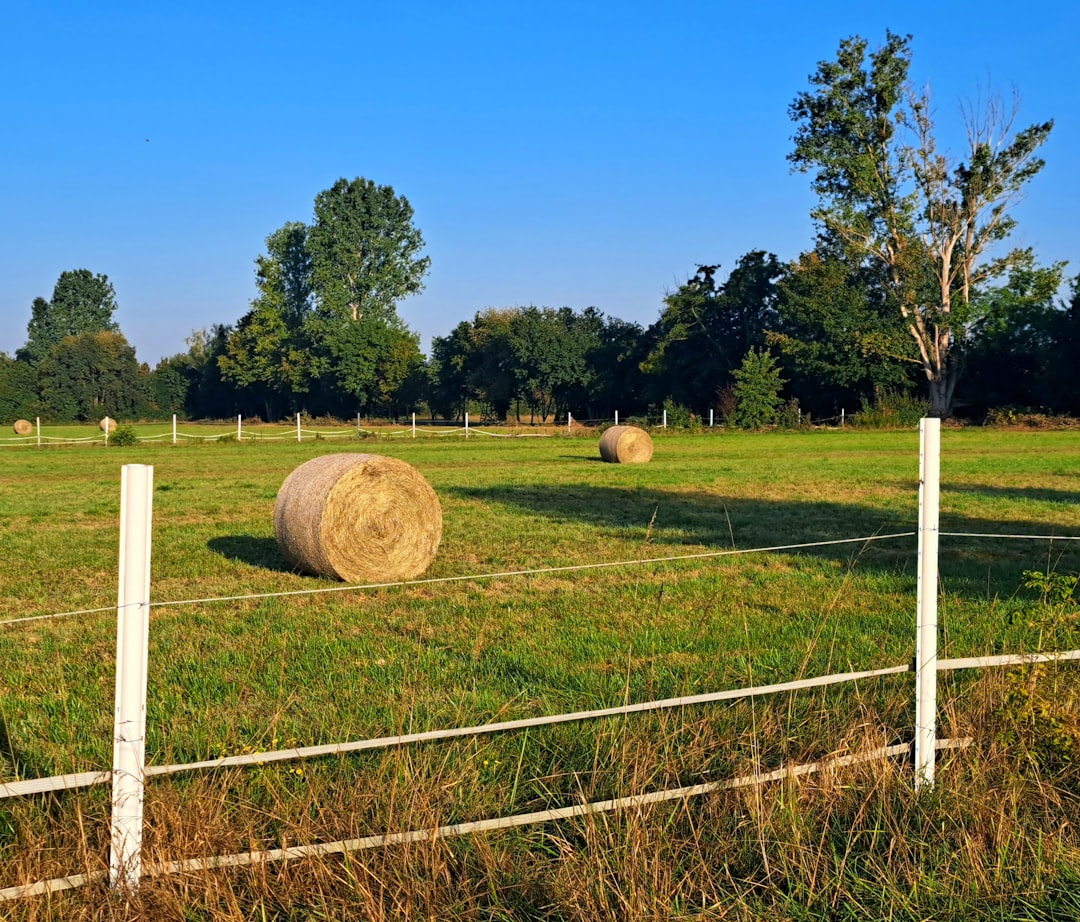
Farmland represents a significant investment opportunity with distinct advantages over many alternative assets. As a tangible resource, farmland possesses inherent value and practical utility. Growing global population and rising demand for food and agricultural products create sustained demand for farmland, which supports price stability and long-term value appreciation.
This characteristic distinguishes farmland from more volatile investment categories such as equities and digital currencies. Farmland functions as a multifaceted asset class offering multiple income streams and benefits. Investors can generate returns through rental income, property appreciation, and potential tax benefits.
The physical nature of land provides relative insulation from market sentiment fluctuations that affect other investment types. Incorporating farmland into a diversified portfolio can enhance overall resilience against economic volatility and market downturns.
Key Takeaways
- Farmland offers long-term value and serves as a stable investment asset.
- It plays a key role in diversifying investment portfolios and hedging against inflation.
- Factors such as location, soil quality, and market demand significantly impact farmland value.
- Sustainable farming practices can enhance asset value and ensure long-term productivity.
- Investors must consider risks, tax implications, and effective management to optimize farmland performance.
The Long-Term Value of Farmland
Investing in farmland is often viewed as a long-term strategy, and for good reason. Historically, farmland has demonstrated a consistent appreciation in value over time. This trend can be attributed to several factors, including limited supply and increasing demand for agricultural products.
As urbanization continues to encroach on rural areas, the availability of arable land diminishes, further driving up its value. When you invest in farmland, you are not just purchasing land; you are acquiring a finite resource that is likely to appreciate as the years go by. Additionally, the long-term value of farmland is bolstered by its ability to generate income through agricultural production.
Whether you choose to cultivate crops or lease the land to farmers, the potential for steady cash flow can enhance your overall return on investment. This dual benefit of appreciation and income generation makes farmland an attractive option for those looking to secure their financial future. As you consider your investment strategy, think about how incorporating farmland can provide both stability and growth over the long haul. Investing in farmland investment can provide sustainable returns and long-term growth opportunities.
Factors Affecting Farmland Value
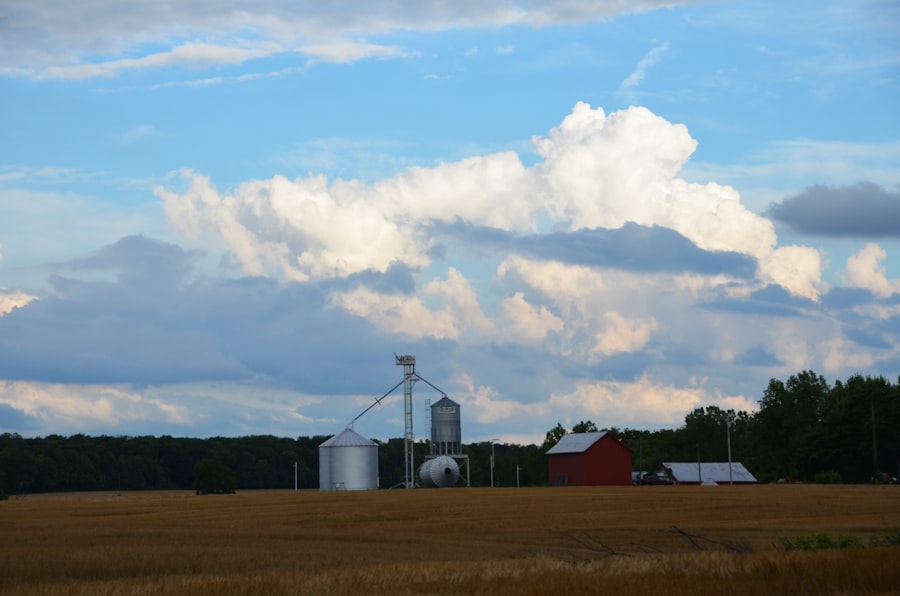
Understanding the factors that influence farmland value is crucial for making informed investment decisions.
Farmland situated in regions with favorable climate conditions, access to water resources, and proximity to markets tends to command higher prices.
As you evaluate potential investments, consider how these geographical factors can impact the productivity and profitability of the land. Another significant factor is soil quality. The fertility of the soil directly affects crop yields, which in turn influences the land’s value.
You may want to conduct thorough soil tests and research local agricultural practices to assess the potential productivity of any farmland you are considering. Additionally, government policies and subsidies can play a role in shaping farmland values. Understanding local regulations and agricultural support programs can provide insights into how external factors may impact your investment.
The Role of Farmland in Diversifying Investment Portfolios
In today’s unpredictable economic landscape, diversification is key to mitigating risk in your investment portfolio. Farmland serves as an excellent diversification tool due to its low correlation with traditional asset classes like stocks and bonds. When you include farmland in your portfolio, you can reduce overall volatility and enhance your risk-adjusted returns.
This unique characteristic makes farmland an appealing option for investors seeking stability amid market fluctuations. Moreover, farmland investments can provide a hedge against economic downturns. During periods of inflation or recession, agricultural products often maintain their value or even appreciate due to sustained demand for food.
By incorporating farmland into your investment strategy, you can create a more balanced portfolio that is better equipped to weather economic storms. As you explore various investment avenues, consider how farmland can serve as a stabilizing force in your overall financial strategy.
Risks and Challenges of Investing in Farmland
| Metric | Description | Typical Range/Value | Notes |
|---|---|---|---|
| Annual Return | Average yearly return on farmland investment | 5% – 12% | Varies by region and crop type; includes income and appreciation |
| Volatility | Year-to-year price fluctuation of farmland values | Low to Moderate | Generally less volatile than stocks but can be affected by weather and policy |
| Liquidity | Ease of buying or selling farmland | Low | Farmland is a relatively illiquid asset compared to stocks or bonds |
| Income Generation | Revenue from leasing or farming operations | 2% – 6% of land value annually | Depends on lease terms and crop yields |
| Inflation Hedge | Ability to maintain value during inflationary periods | High | Farmland often appreciates with inflation, protecting purchasing power |
| Management Requirements | Level of active involvement needed | Moderate to High | May require knowledge of agriculture or hiring managers |
| Environmental Risks | Exposure to droughts, floods, and soil degradation | Variable | Can significantly impact productivity and value |
| Tax Considerations | Property taxes, capital gains, and potential subsidies | Varies by jurisdiction | Important to consider for net returns |
While investing in farmland presents numerous advantages, it is essential to acknowledge the risks and challenges associated with this asset class. One significant risk is market volatility driven by factors such as commodity prices and changing consumer preferences. Fluctuations in crop prices can directly impact your returns, making it crucial to stay informed about market trends and agricultural developments.
Additionally, managing farmland comes with its own set of challenges. You may encounter issues related to land management, pest control, and environmental regulations that can affect productivity and profitability. It’s important to conduct thorough due diligence before making any investment decisions and to be prepared for the complexities involved in managing agricultural land.
By understanding these risks upfront, you can develop strategies to mitigate them and make more informed investment choices.
Farmland Investment Opportunities
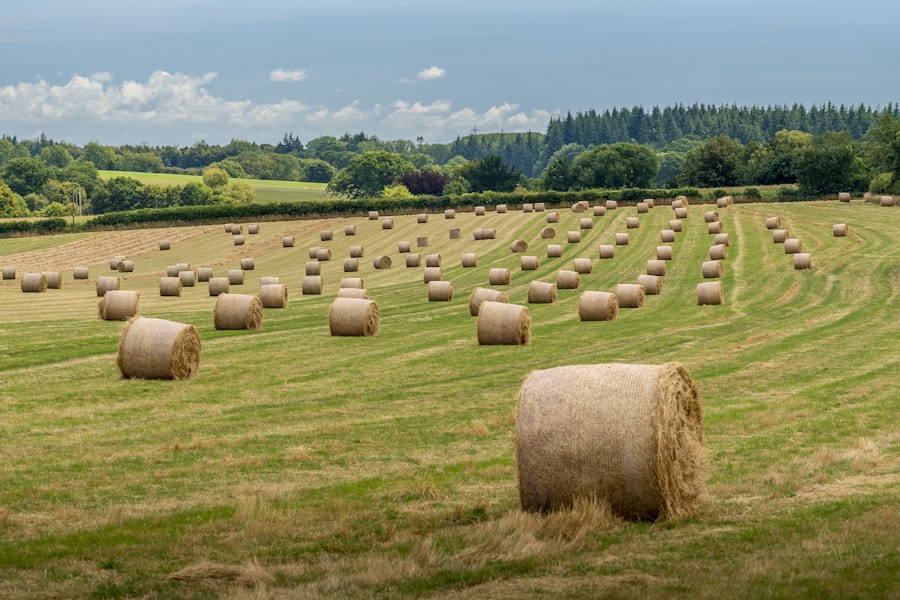
The landscape of farmland investment opportunities is diverse and continually evolving. You might consider direct ownership of agricultural land, where you purchase and manage the property yourself. This approach allows for greater control over farming practices and potential income generation but requires significant time and expertise.
Alternatively, you could explore real estate investment trusts (REITs) focused on agriculture or farmland-focused funds that pool resources from multiple investors. These options provide exposure to farmland without the need for direct management while still allowing you to benefit from the appreciation and income generated by agricultural assets. As you evaluate these opportunities, think about your investment goals, risk tolerance, and level of involvement you wish to have in managing your assets.
Farmland as a Hedge Against Inflation
In an era marked by rising inflation rates, many investors are seeking assets that can protect their purchasing power. Farmland has historically been viewed as a reliable hedge against inflation due to its intrinsic value as a productive resource. As prices for goods and services rise, so too does the cost of food and agricultural products, which can lead to increased demand for farmland.
When you invest in farmland during inflationary periods, you may find that its value appreciates alongside rising commodity prices.
By incorporating farmland into your investment strategy, you can create a buffer against inflationary pressures while benefiting from the long-term appreciation potential of this unique asset class.
Sustainable Farmland Practices and Their Impact on Asset Value
Sustainability has become a critical consideration in agriculture, influencing both consumer preferences and regulatory frameworks. As an investor in farmland, adopting sustainable practices can enhance the long-term value of your asset while contributing positively to the environment. Sustainable farming methods not only improve soil health but also increase crop yields over time, making your investment more resilient.
Moreover, properties that prioritize sustainability often attract premium prices in the market due to growing consumer demand for ethically produced food. By investing in sustainable practices such as crop rotation, organic farming, or water conservation techniques, you can enhance both the productivity and marketability of your farmland. As you navigate your investment journey, consider how sustainability can play a pivotal role in maximizing your asset’s value while aligning with broader environmental goals.
Tax Considerations for Farmland Investments
Tax implications are an essential aspect of any investment strategy, and farmland is no exception. Depending on your jurisdiction, there may be specific tax benefits associated with owning agricultural land that can enhance your overall returns. For instance, many regions offer tax incentives for conservation easements or agricultural use assessments that can lower property taxes.
Additionally, understanding capital gains tax implications when selling farmland is crucial for effective financial planning. You may want to consult with a tax professional who specializes in agricultural investments to navigate these complexities effectively. By being proactive about tax considerations, you can optimize your investment returns while ensuring compliance with local regulations.
Farmland Management and its Effect on Asset Performance
Effective management of farmland plays a significant role in determining its overall performance as an asset. Whether you choose to manage the land yourself or hire professional farm managers, implementing best practices in land stewardship is essential for maximizing productivity and profitability. This includes regular soil testing, crop rotation strategies, pest management techniques, and efficient irrigation practices.
Moreover, staying informed about technological advancements in agriculture can provide opportunities for increased efficiency and yield improvements. Precision agriculture tools such as drones and data analytics can help optimize farming practices and enhance decision-making processes. As you consider your approach to managing farmland investments, prioritize strategies that align with both short-term profitability and long-term sustainability.
The Future Outlook for Farmland as an Asset
Looking ahead, the future outlook for farmland as an asset remains promising despite potential challenges such as climate change and shifting consumer preferences. The ongoing demand for food production will likely continue to drive interest in agricultural investments as populations grow globally. Additionally, advancements in technology are expected to enhance farming efficiency and productivity further.
As an investor in farmland, staying informed about industry trends will be crucial for making strategic decisions that align with evolving market dynamics. By embracing sustainable practices and leveraging technological innovations, you can position yourself favorably within this asset class while contributing positively to global food security efforts. As you contemplate your investment journey in farmland, remember that this unique asset offers not only financial returns but also an opportunity to make a meaningful impact on society and the environment.
When considering farmland as an asset, it’s essential to understand its potential for long-term appreciation and income generation. A related article that delves deeper into the nuances of investing in farmland can be found at this link. This resource provides valuable insights into the factors that influence farmland value and offers guidance for investors looking to diversify their portfolios with agricultural assets.
WATCH THIS! The Gold Rush is Over. Now, the Dirt Rush is ON. 🚜💰
FAQs
What makes farmland a unique asset compared to other types of investments?
Farmland is a tangible, physical asset that provides intrinsic value through its ability to produce crops and support agricultural activities. Unlike stocks or bonds, farmland offers both income potential from leasing or farming and the possibility of long-term appreciation due to land scarcity and increasing food demand.
How does farmland typically perform as an investment?
Historically, farmland has shown steady appreciation in value and can provide a hedge against inflation. It often generates income through lease payments or agricultural production. However, returns can vary based on location, soil quality, commodity prices, and management practices.
What are the main risks associated with investing in farmland?
Risks include weather variability, changes in commodity prices, regulatory changes, environmental issues, and potential difficulties in land management. Additionally, farmland is less liquid than many other assets, meaning it can take time to buy or sell.
Can farmland be considered a good diversification tool in an investment portfolio?
Yes, farmland often has a low correlation with traditional financial assets like stocks and bonds, making it a useful diversification tool. Its performance is influenced by different factors, such as agricultural markets and land values, which can help reduce overall portfolio volatility.
What factors influence the value of farmland?
Key factors include soil quality, location, water availability, climate conditions, local infrastructure, zoning laws, and proximity to markets. Economic factors such as commodity prices and government policies also play significant roles.
Is farmland a liquid asset?
No, farmland is generally considered an illiquid asset. Selling farmland can take months or even years, depending on market conditions and demand. This lack of liquidity should be considered when investing.
How can investors gain exposure to farmland?
Investors can gain exposure by directly purchasing farmland, investing in farmland-focused real estate investment trusts (REITs), agricultural funds, or through partnerships and private equity vehicles specializing in agricultural land.
Does farmland investment provide income?
Yes, farmland can generate income through leasing the land to farmers or by producing crops and livestock directly. Lease agreements often provide steady cash flow, while active farming can yield profits depending on operational efficiency and market conditions.
What impact does government policy have on farmland as an asset?
Government policies, including subsidies, tax incentives, land use regulations, and environmental laws, can significantly affect farmland values and profitability. Changes in policy can either enhance or reduce the attractiveness of farmland investments.
How does farmland act as a hedge against inflation?
Farmland tends to appreciate in value over time, often at a rate that keeps pace with or exceeds inflation. Additionally, agricultural commodity prices, which influence farm income, often rise with inflation, helping to preserve purchasing power for investors.