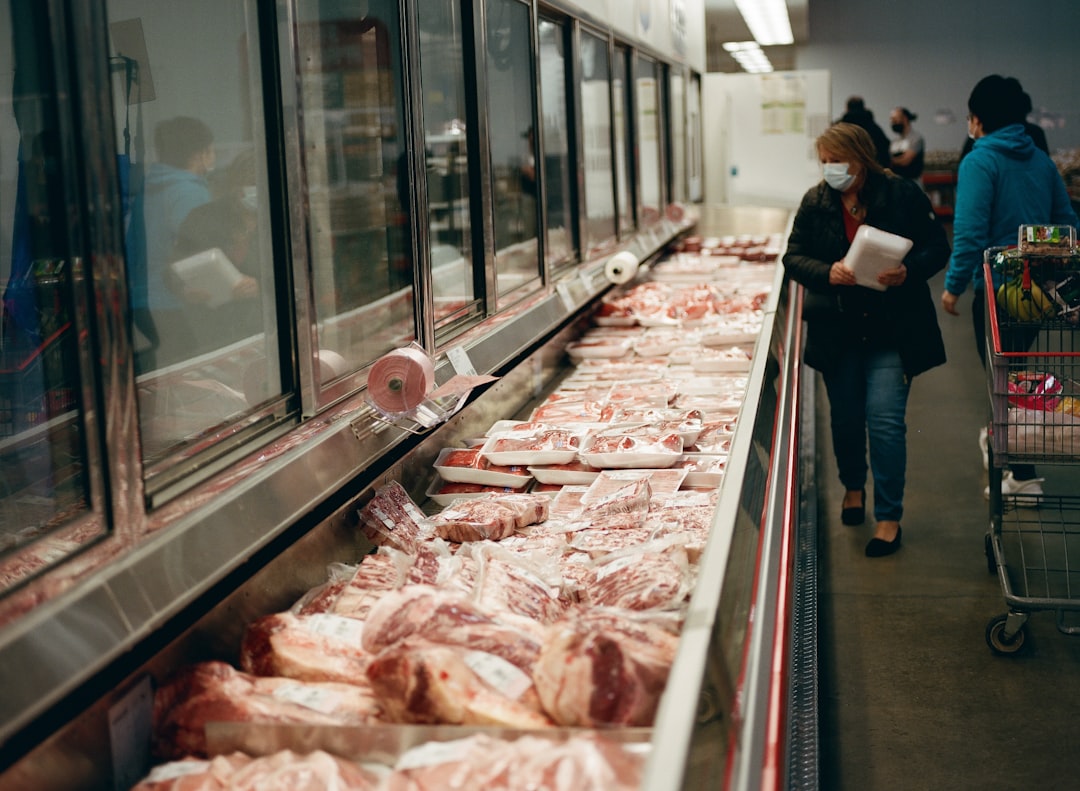
You stand at the precipice of your own consumption, a daily ritual ingrained in the fabric of your existence. Each bite, each sip, a silent testament to a vast and intricate system – American food production. It’s a behemoth, a finely tuned machine that feeds not just a nation, but a significant portion of the international populace. Yet, beneath the veneer of abundance and convenience, you’ll discover complexities and contradictions that challenge preconceived notions and demand your careful consideration. This exploration is not about vilifying an industry, but about understanding its mechanisms, its triumphs, and its undeniable shortcomings.
When you envision a farm, your mind might conjure images of rolling pastures and quaint red barns. The reality, however, for much of American food production, is a landscape dominated by industrial agriculture. This isn’t your grandfather’s farm; it’s a meticulously managed enterprise focused on efficiency, volume, and cost-effectiveness. Learn more about corporate control by watching this insightful video corporate control.
The Rise of Monoculture: A Single Crop’s Reign
You’ll observe that vast swathes of land are dedicated to a single crop – corn, soy, wheat. This practice, known as monoculture, is a cornerstone of industrial farming. While it allows for simplified management and specialized machinery, it dramatically reduces biodiversity. Imagine a single instrument playing the entirety of a symphony; the result is often less harmonious, more repetitive. This homogeneity makes crops more susceptible to widespread pest infestations and diseases, necessitating increased reliance on chemical interventions.
Animal Agriculture: From Pasture to Processing Plant
Your understanding of meat production will undoubtedly be reshaped by the scale of modern animal agriculture. Concentrated Animal Feeding Operations (CAFOs) are the norm for beef, pork, and poultry. Here, thousands, even millions, of animals are raised in confined spaces, a far cry from the pastoral scenes often depicted. This system, while optimized for rapid growth and high production, raises profound questions about animal welfare and the environmental footprint.
The Role of Technology: Precision and Progress
You cannot ignore the technological marvels at play. GPS-guided tractors, robotic milking machines, and sophisticated data analytics are integral to maximizing yields and minimizing waste. This precision agriculture allows for targeted application of fertilizers and pesticides, theoretically reducing overall chemical use. However, the sheer scale of operations means even perfectly targeted applications still contribute significantly to environmental loads.
The truth about American food production is a complex topic that encompasses various aspects such as sustainability, health, and economic impact. For a deeper understanding of how wealth is intertwined with food systems in the United States, you can explore a related article that delves into these issues. This article provides valuable insights into the dynamics of food production and its implications for society. To read more, visit this link.
The Chemical Conundrum: A Double-Edged Sword
You’ll find that the abundance on your plate is often facilitated by a complex array of chemical inputs. From the fertilizers that enrich the soil to the pesticides that protect crops, these substances play a critical role in modern agriculture. However, their pervasive use presents a multifaceted challenge.
Synthetic Fertilizers: Fueling Growth, Leaching Nutrients
Consider synthetic fertilizers as the rocket fuel for crops. They provide essential nitrogen, phosphorus, and potassium, leading to impressive yields. Yet, you must acknowledge the consequences. Excess fertilizer runoff enters waterways, fueling algal blooms that deplete oxygen and create “dead zones,” marine environments incapable of sustaining life. You are, in essence, witnessing the unintended consequences of human ingenuity.
Pesticides and Herbicides: The Battle Against Pests
Pesticides and herbicides are the foot soldiers in the war against crop destroyers. They protect against insects, weeds, and fungi, safeguarding yields. However, you are increasingly aware of their potential impact. Concerns range from direct exposure to farmworkers, to residues on food, and the disruption of beneficial insect populations, including vital pollinators like bees. The long-term ecological consequences of a landscape perpetually saturated with these compounds are still being understood.
Antibiotics in Animal Agriculture: A Public Health Concern
You’ll discover that antibiotics are routinely administered to livestock, not just to treat illness, but also to promote growth and prevent disease in crowded conditions. This practice, while increasing efficiency, contributes to the alarming rise of antibiotic-resistant bacteria, a significant threat to human health. You are, in a sense, witnessing the erosion of a vital medical tool through its overuse in another sector.
The Environmental Footprint: A Heavy Tread
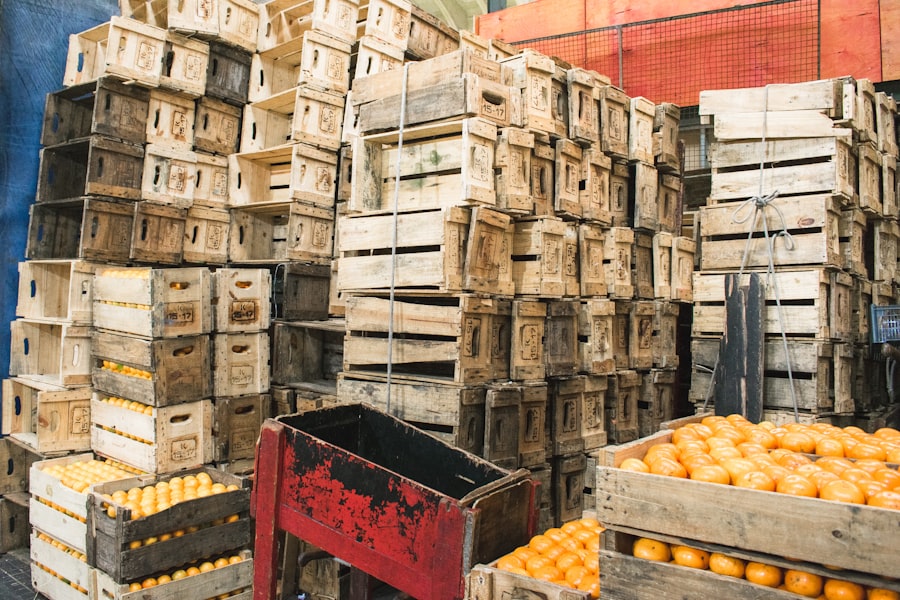
Your daily meal, seemingly a personal choice, casts a surprisingly large shadow on the environment. American food production, due to its scale and intensive practices, is a significant contributor to several key environmental challenges.
Water Consumption: A Thirsty Industry
You might not realize that producing your food consumes an enormous amount of water. From irrigating vast fields of thirsty crops like almonds and alfalfa, to providing water for livestock, the agricultural sector is the largest user of freshwater resources in the United States. In regions facing increasing drought, this demand creates intense competition and exacerbates water scarcity issues.
Greenhouse Gas Emissions: Feeding the Climate Crisis
The food you eat plays a considerable role in the climate crisis. You’ll find that agricultural activities, particularly livestock farming (through methane emitted by ruminants) and fertilizer use (emitting nitrous oxide), are major sources of greenhouse gases. The transportation of food across vast distances, refrigeration, and packaging further contribute to this carbon footprint.
Soil Degradation: The Unseen Erosion
You might overlook the very foundation of food production: the soil. Intensive monoculture, excessive tilling, and reliance on chemical inputs can degrade soil health over time. This depletion of organic matter makes soil less fertile, more prone to erosion, and less capable of retaining water. You are, in effect, withdrawing capital from the earth’s natural bank without sufficient deposits.
The Economic Tapestry: Winners, Losers, and Unseen Costs
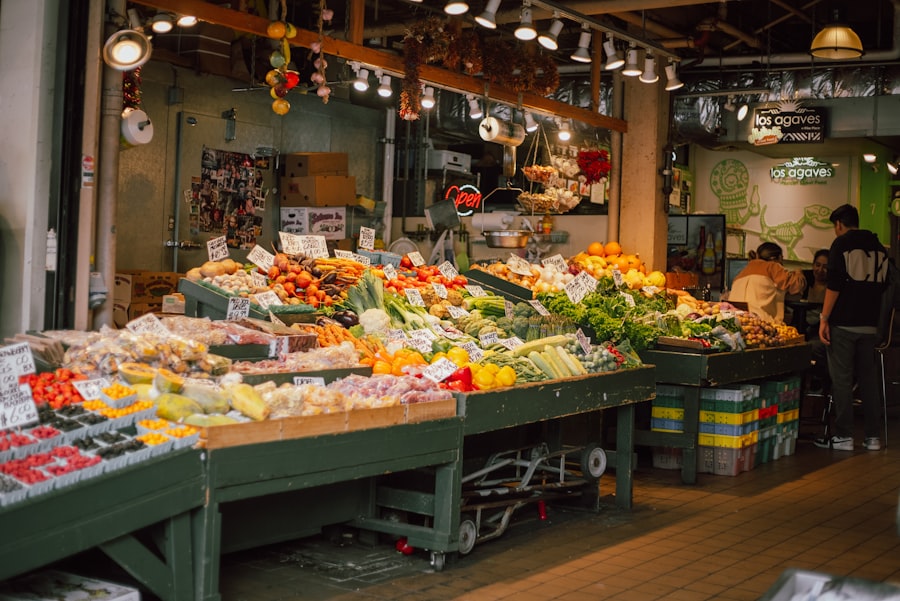
The American food system is a complex economic engine, driven by powerful corporations, vast supply chains, and intricate market dynamics. You’ll observe that while it provides affordable food for many, it also generates significant disparities and hidden costs.
Consolidation and Corporate Power: The Few Feed the Many
You’ll notice a distinct trend of consolidation within the food industry. A handful of large corporations dominate nearly every segment, from seed production to processing and retail. This concentration of power can lead to reduced competition, exert significant influence over agricultural policy, and make it challenging for small and independent farmers to thrive. Imagine a marketplace where only a few large vendors dictate prices and terms; your choices are inevitably limited.
The Paradox of Cheap Food: Externalized Costs
You might rejoice at the low prices of many staple foods. However, this “cheap food” often comes with significant externalized costs – expenses not reflected in the price tag but borne by society as a whole. These include environmental damage, public health issues related to diet and industrial practices, and the economic struggles of a declining rural workforce. You are, in essence, paying for these costs through your taxes, your healthcare, and the degradation of your environment, even if you don’t see it on the grocery bill.
Farm Labor: The Invisible Hands
The food on your table is often the product of immense human labor, much of it performed by agricultural workers. You’ll find that many of these workers, often immigrants, face challenging conditions, low wages, and limited protections. Their vital contributions are frequently undervalued and overlooked within the broader economic narrative of food production.
The complexities of American food production are often overlooked, yet they play a significant role in our daily lives and health. For those interested in exploring this topic further, a related article provides valuable insights into the various factors influencing food systems in the United States. You can read more about it in this informative piece that delves into the intricacies of agriculture and its impact on society. To learn more, visit this article for a deeper understanding of the challenges and innovations shaping our food landscape.
Your Agency in the Food System: From Consumer to Catalyst
| Metric | Value | Details |
|---|---|---|
| Percentage of Processed Foods in Diet | 60% | Majority of American calories come from processed foods |
| Average Farm Size | 444 acres | Reflects industrial scale of American agriculture |
| Use of Antibiotics in Livestock | 70% | Percentage of antibiotics sold in the US used in animals |
| Food Waste | 30-40% | Estimated percentage of food wasted annually in the US |
| Organic Food Market Share | 6% | Share of organic food sales in total food sales |
| Greenhouse Gas Emissions from Agriculture | 10% | Contribution of agriculture to total US emissions |
| Number of Farms | 2 million | Total farms operating in the United States |
You are not merely a passive recipient of the food system; you possess agency. Your choices, however small they seem, collectively contribute to shaping its future. Understanding the complexities is the first step towards informed action.
The Power of Conscious Consumption: A Vote with Your Fork
Every dollar you spend on food is a vote. You can choose to support local farmers, organic production, or companies committed to sustainable practices. By actively seeking out ethically produced and environmentally conscious options, you send a clear signal to the market. Think of your grocery cart as a ballot box, each item a declaration of your values.
Advocacy and Policy: Raising Your Voice
You have the opportunity to engage with policy. Support organizations that advocate for sustainable agriculture, fair labor practices, and stronger environmental regulations. Your voice, when joined with others, can influence the legislative landscape that governs food production. This is about more than just personal choice; it’s about systemic change.
Food Waste: A Moral and Economic Imperative
You’ll discover that a significant portion of food produced in the United States goes to waste – from farm to fork. Addressing food waste, through careful meal planning, proper storage, and supporting initiatives that rescue edible food, is a powerful action you can take to reduce the environmental and economic burden of the food system. This is a battle you can fight directly in your own kitchen.
Rethinking Diet: A Personal and Planetary Impact
Finally, you can critically evaluate your dietary choices. Reducing consumption of resource-intensive foods, particularly red meat, and embracing a more plant-rich diet, can significantly lessen your individual environmental footprint. This is not about deprivation, but about intentionality and recognizing the profound impact of your plate.
The American food production system is a testament to human ingenuity and a source of abundant sustenance. Yet, it is also a system fraught with challenges, presenting you with a complex tapestry of scientific advancement, economic realities, and ethical dilemmas. Your understanding of these intricate layers empowers you not just as a consumer, but as an informed participant in the ongoing evolution of how we feed ourselves and the world. The truth about American food production is not simple; it is a narrative that demands your engagement and your thoughtful consideration.
FAQs
What is the scale of American food production?
The United States is one of the largest food producers in the world, with a highly industrialized and technologically advanced agricultural sector. It produces a wide variety of crops and livestock to meet both domestic consumption and export demands.
How does American food production impact the environment?
American food production has significant environmental impacts, including greenhouse gas emissions, water usage, soil degradation, and pesticide runoff. Efforts are ongoing to adopt more sustainable practices, such as precision agriculture, organic farming, and conservation programs.
What role do technology and innovation play in American food production?
Technology and innovation are central to American food production, improving efficiency, yield, and safety. This includes the use of genetically modified organisms (GMOs), advanced machinery, data analytics, and biotechnology to enhance crop resilience and reduce resource use.
Are genetically modified organisms (GMOs) commonly used in American agriculture?
Yes, GMOs are widely used in American agriculture, particularly for crops like corn, soybeans, and cotton. They are engineered for traits such as pest resistance and herbicide tolerance, which can increase productivity and reduce chemical use.
How is food safety regulated in the United States?
Food safety in the U.S. is regulated by agencies such as the Food and Drug Administration (FDA) and the United States Department of Agriculture (USDA). These agencies set standards for food production, processing, and labeling to ensure consumer safety.
What challenges does American food production currently face?
Challenges include climate change impacts, labor shortages, market volatility, environmental concerns, and the need for sustainable practices. Additionally, there is ongoing debate about the health implications of processed foods and the ethics of industrial farming.
How does American food production affect global food supply?
The U.S. is a major exporter of agricultural products, influencing global food supply and prices. Its production practices and policies can have significant effects on food availability and trade dynamics worldwide.
What is the role of small farms versus large industrial farms in the U.S.?
While large industrial farms dominate American food production in terms of volume and efficiency, small farms contribute to local food systems, specialty crops, and organic production. Both play important roles in the overall food landscape.
How are labor issues addressed in American food production?
Labor in American agriculture often involves migrant and seasonal workers. There are regulations to protect worker rights and safety, but challenges remain regarding fair wages, working conditions, and labor shortages.
What efforts are being made to promote sustainable food production in the U.S.?
Sustainability efforts include promoting organic farming, reducing chemical inputs, conserving water and soil, supporting local food systems, and encouraging practices that reduce carbon footprints. Government programs and private initiatives support these goals.